


Free Fabric All Year: Our 2027 Fabric Punch Card
November 2–25 only: buy a $200 gift card in either store and get a free yard of fabric every month of 2027.

Quick Summary
Quilting fabric alternatives for beginners include flannel, linen, recycled clothing, and cuddle fabrics. Each adds warmth, texture, or personality, but each also needs different handling than standard quilting cotton, such as prewashing and careful stitching.
Why Look Beyond Standard Quilting Cotton?
Most beginners start with quilting cotton, and for good reason: it is easy to find, easy to press, and forgiving to sew. Many experienced quilters also look into quilting fabric alternatives once they feel comfortable with the basics. But cotton is not the only option. Many quilters now mix in flannel, linen, recycled clothing, and cuddle fabrics to add warmth, texture, and personality to their work. Knowing these alternatives helps you choose the right material for each project instead of defaulting to the same bolt every time.
Many quilters ask this question: when is it worth trying something new? The answer depends on what the quilt is for. A wall hanging, a baby blanket, and a winter throw each place different demands on fabric.
Standard cotton works well for most piecing and appliqué. Our fabric types overview for beginners walks through the main options side by side. Quilting fabric alternatives tend to shine when you want softness, warmth, or a more personal story. The trade-off is that they often need different handling, from prewashing to cutting and stitching.
Watch out: many alternative fabrics shift or stretch more than cotton. Test a small seam before committing a full project.
Flannel is a common alternative for a first quilt. It is warm and soft.
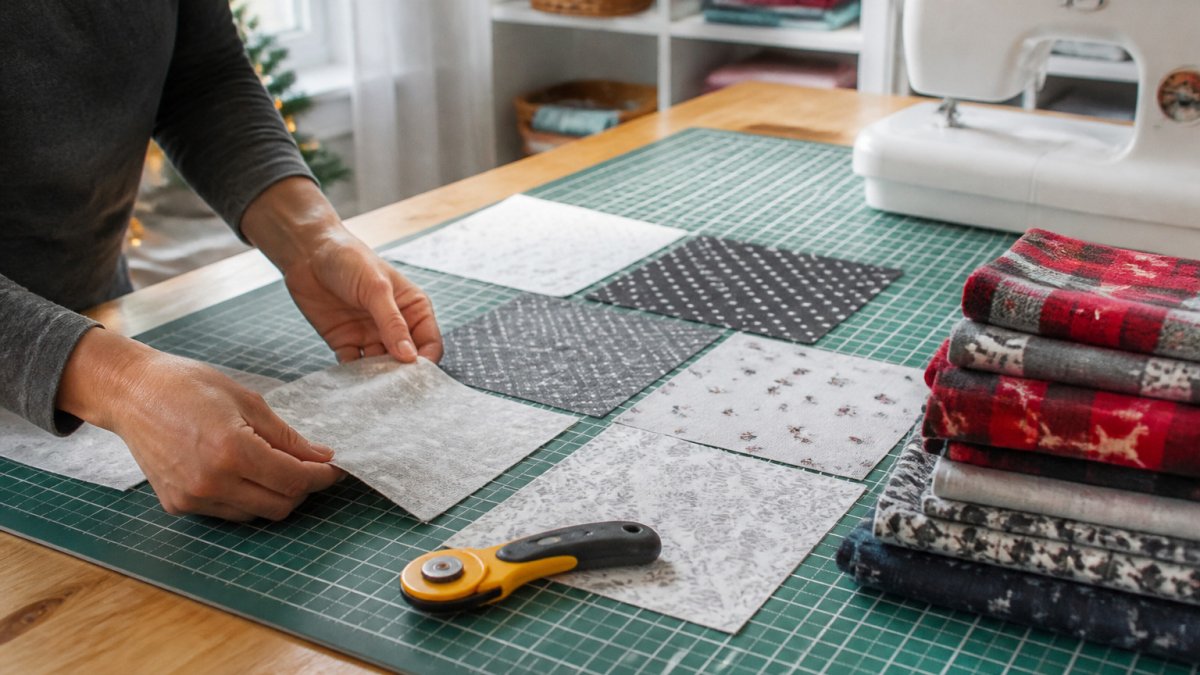
Flannel does shrink, so prewash it before cutting. Expect some lint, and plan to clean your machine more often than you would with cotton.
Best for: Winter throws, baby quilts, and cozy lap blankets. Skip if: You need crisp, sharp points in a detailed pieced design.
Linen brings a natural, textured look that many quilters choose.
Linen can be slippery under the presser foot. Use a walking foot or reduce your pressure setting if you notice shifting. Pressing at a medium heat keeps the fibers from scorching.
Repurposing old shirts, jeans, and dresses is a popular way to create memory quilts. The key challenge is stability. Knit and stretch garments need stabilizer, while woven shirts are usually easier to work with.
A common mistake is cutting out the pieces before checking how much stretch each garment has. Test each fabric by pulling it gently in both directions before you commit to a layout.
Blue Extra Wide Dottie Cuddle Jeans Fabric per yard →
Cuddle and minky fabrics are plush materials that some quilters use for backings and throw blankets.
Our Blue Extra Wide Dottie Cuddle Jeans Fabric per yard, priced at $27.50, is a 100% polyester minky with a 3mm pile and a width of 88 to 90 inches. Care instructions call for cold machine washing with like colors, no fabric softener, and low tumble drying with no dryer sheet.

Best for: Plush throws, baby blankets, and wide quilt backings. Skip if: You want fine piecing with precise seam allowances.
[PRODUCT: Blue Extra Wide Dottie Cuddle Jeans Fabric per yard | https://hcquilts.com/products/blue-extra-wide-dottie-cuddle-jeans-fabric-per-yard]
Here is a quick summary of the cuddle fabric example covered above.
| Item | Value | Note |
|---|---|---|
| Price | $27.50 per yard | Blue Extra Wide Dottie Cuddle Jeans Fabric |
| Fiber | 100% polyester | Minky construction |
| Pile | 3mm | Plush surface |
| Width | 88 to 90 inches | Extra wide for backings |
| Washing | Cold, like colors | No fabric softener |
| Drying | Low tumble, no dryer sheet | Protects the pile |
Prewashing is one of the most overlooked steps in quilting. Alternative fabrics shrink and bleed at different rates than cotton, and a quilt that is perfectly square before washing can warp afterward. Wash each fabric type separately, in the water temperature you plan to use for the finished quilt.
Dry fabrics flat or on a low setting, then press before cutting. This removes wrinkles and helps you measure accurately.
Visit our shop to compare fabrics in person. Our guide on why buying in person helps explains how to check texture and weight by hand.
Our solid cotton lines, including the RB Cobalt, Powder, Honeydew, Papaya, Wasabi, Cider, Terracotta, Asparagus, and Surf Confetti Cottons at $8.48 each, make excellent companions for alternative fabrics. Pair a solid cotton with a flannel or linen print to balance the project and simplify your color choices. Our guide to matching fabric colors shows how to coordinate colors across different fabric types. Our guide to judging fabric quality explains what to check before you buy.
Flannel, cuddle or minky plush, linen and recycled cotton clothing are the most common alternatives. Start with one alternative in a small project so you can learn how it sews before committing to a full-size quilt.
Yes. Flannel is a common choice for quilting projects.
Linen is an option for quilters who want a textured, relaxed look.
Check the care instructions for each fabric before you begin your project.
November 2–25 only: buy a $200 gift card in either store and get a free yard of fabric every month of 2027.

Serger and BERNINA Mastery classes, longarm training, bag-of-the-month, Kids Sewing Club and a Highlands Ranch retreat. Here's what's on the calendar in November.

Free gifts, included packages and special pricing on the BERNINA 790 ULTRA, 990, Liberty Editions, L 890 serger and Q Series longarms, now through December 31.


Leave a comment