

We Love Our Quilting Community
At High Country Quilts we care deeply about community. With our experiences in retail, we know that a store is not only a place to shop but also a place for the community to gather and share. During this busy...


You're probably here because you've had that same little interruption happen over and over. You finish a seam, stop, lift your hands away from the quilt, reach for the snips, trim the threads, set the scissors down, and then get back to sewing. One seam isn't a problem. A whole afternoon of that motion gets old fast.
That's why so many sewists start looking at sewing machines with automatic thread cutter and wonder whether the feature is really useful or just another button on the machine. From my quilting table, I'll tell you plainly. It's one of those features that sounds small until you use it, and then you miss it immediately when it's gone.
It also isn't magic. A thread cutter can save time, keep your workflow smooth, and make your sewing feel cleaner. It can also need maintenance, and it can have quirks that glossy product descriptions don't always mention. If you understand both sides, you'll shop smarter and enjoy the feature more once it's in your sewing room.
Body copy font: Open Sans
Body copy font size: 16px
Header font size: 32px
Mobile header adjustments: 26px with tighter spacing for easier reading on small screens
Line spacing body copy: 1.7
Header line spacing: 1.25
Pillar topic: Sewing Machines With Automatic Thread Cutter for Quilting, Garment Sewing, Embroidery, Maintenance, and Buying Confidence
You finish a short seam, lift your fabric, and your hand goes hunting for the snips again. By the tenth or twentieth stop, that tiny motion starts to feel like stopping to tie your shoe in the middle of a walk. It is not hard. It just breaks your rhythm.
That is why an automatic thread cutter gets so much attention from people who sew often. It removes one repetitive job from the end of each seam, which sounds minor until you are piecing blocks, attaching borders, or sewing a run of small garment seams. The machine handles the trim, and you stay focused on the fabric in front of you.
The change is less about speed on paper and more about how your sewing session feels.
Your hands stay near the work. Your eyes stay on placement and seam allowance. Your train of thought stays with the project instead of bouncing to a pair of scissors every few minutes. For quilters, that can make chain piecing feel more fluid. For garment sewing, it can make frequent starts and stops feel less fussy.
A good comparison is pressing with a hot iron versus waiting for one that barely warms up. Both can get the job done, but one keeps the work moving with less interruption.
Practical rule: If you repeat a step all day, even a small shortcut can make sewing feel easier and less tiring.
There is also a comfort piece that buyers sometimes miss. Reaching, snipping, setting the scissors down, and getting your grip back on the fabric adds up over a long afternoon. New sewists often notice the cutter because it feels convenient. Experienced sewists often notice it because their whole workflow feels calmer.
This feature is helpful, but it is still a mechanism, not a magic trick.
Thread cutters can be fussy if lint builds up under the plate, if the machine is threaded poorly, or if thread tails are already tangled. Some machines also leave shorter thread tails than a sewist expects, which can matter if you have a habit of pulling long tails at the start of the next seam. And if a machine is overdue for cleaning, the same feature that saves time can contribute to little annoyances such as messy thread ends or the occasional thread nest.
That does not make the feature a bad one. It means it works best when the machine is clean, threaded correctly, and used the way the manufacturer intended. Knowing that early helps you shop with clearer expectations and enjoy the convenience without being surprised by the upkeep.
You finish a seam, your hands are still on the quilt block, and instead of reaching for snips, you tap the scissors button. The machine does the trimming underneath the plate while you stay focused on the fabric.

Under the needle plate, a small cutting mechanism waits until you give that command. On machines with this feature, the system catches the upper thread and bobbin thread, trims them together, and leaves the machine ready for the next seam. Some models also pair that action with functions such as lifting the presser foot.
The motion is quick, but a few steps have to happen in the right order. Tailoring has the same kind of hidden precision. A finished edge looks simple from the outside, but several exact movements make it work well, much like the process described in Dandylion Style's tailoring guide.
Here is what the machine is doing.
A good way to picture it is the difference between hand trimming paper with scissors and using a built-in paper cutter on a trimmer board. Both cut. One does it in the same spot, the same way, with less hand motion.
That consistency is part of the appeal, and it is also where buyers need a realistic view. The cutter works best when the machine is threaded correctly, the stitch area is clean, and the thread tails are not already tangled. If lint builds up or the thread path is off, the mechanism may still cut, but you can end up with short tails, messy ends, or the occasional little nest on the underside.
Quilters notice this most on projects with lots of starts and stops. The mechanism itself is straightforward. The results depend on setup and upkeep.
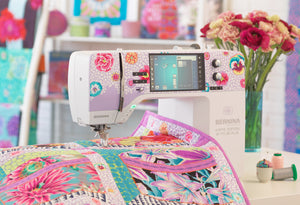
If you want to see this feature in machines built for everyday sewing, take a look at BERNINA 3 Series models.
The first benefit is speed. The second benefit, and the one many people appreciate more over time, is that sewing feels less choppy.

When activated, the automatic thread cutter trims both the top and bobbin threads and pulls the top thread to the underside of the fabric to secure the stitch without manual intervention, which helps streamline sewing for higher production speeds in this explanation of the Janome system. You don't need to sew at factory pace to appreciate that. A home quilter feels it too.
Chain piecing is where this feature shines. You're moving one unit after another under the presser foot, and every interruption breaks momentum. If the machine trims for you, your hands keep doing the part only hands can do, which is guiding, aligning, and feeding the next section accurately.
That smoother rhythm also helps newer sewists. Beginners often lose their place when they stop for little cleanup tasks. A machine that handles thread trimming lets them focus on seam allowance and fabric control.
Thread tails aren't just clutter. They can distract from neat piecing and make finished work look fussier than it needs to. A good automatic cutter gives you a tidier ending to each seam, which is one reason many regular sewists quickly start treating it as a must-have rather than a bonus.
People who sew garments often notice this too. If you're interested in why precision finishing matters so much in sewn construction, Dandylion Style's tailoring guide offers a useful perspective on the value of careful finishing details in clothing work.
Here's a quick look at the feature in motion:
Quilters repeat processes constantly. Piece. press. piece again. Join rows. Attach borders. Start another unit. When one machine feature trims away even a little friction in that rhythm, the whole session feels easier.
That's why people making larger projects often start shopping specifically for this feature. If you're planning a bigger quilt or sew often enough to value convenience every single week, you can explore models designed for that workflow in the BERNINA 5 Series collection.
This is the part many shoppers don't hear until something goes wrong. Automatic thread cutters are convenient, but they aren't a set-it-and-forget-it feature forever.

Cutters often stop working not because the machine is broken, but because thread accumulates in the felt pad or the blade dulls, which means the area may need careful cleaning with a thin screwdriver and, in some cases, blade replacement, as shown in this maintenance-focused video. That's a very different problem from a major machine failure.
Most sewists find the cutter button intuitive, but good habits help.
A practical example is decorative topstitching on a bag panel. If you end a seam neatly and activate the cutter once the fabric is stable, the result is usually tidy and efficient. If you rush through a bulky crossing seam, you may need to inspect the thread area before moving on.
Lint and stray bits of thread are normal in sewing. The cutter area happens to be a place where those leftovers collect. Over time, that buildup can interfere with the blades' ability to cut cleanly.
Maintenance note: If your cutter suddenly starts missing cuts, check for buildup before you assume the machine has a serious fault.
It also helps to think of the blade like a rotary cutter. You wouldn't expect a blade to stay sharp forever under constant use. The same common-sense logic applies here. A dull blade won't perform like a fresh one.
If you sew heavily, especially through layered quilting cottons, bag materials, or frequent start-stop seams, the thread cutter gets a workout. Strong construction and proper service support matter.
For makers who want a more sturdy machine platform for frequent use, the BERNINA 7 Series is worth a look.
A good buyer doesn't just ask, “Does it have an automatic thread cutter?” The better question is, “How well does that thread cutter fit the way I sew?”
Some machines make the feature feel effortless. Others include it, but the experience may be less refined depending on how you sew, what thread you use, and how particular you are about seam starts.
The activation method affects your workflow more than many people expect.
| Activation Method | How It Works | Best For |
|---|---|---|
| Button press | You tap a scissors button at the end of a seam | Sewists who want clear, deliberate control |
| Programmed automatic cut | The machine handles trimming as part of a selected sequence | Repetitive sewing where consistency matters |
| Foot control linked use | A separate control method lets you keep hands on fabric | Quilters and garment makers who value uninterrupted handling |
A button press suits many beginners because it's obvious and easy to learn. More advanced users sometimes prefer integrated controls that reduce hand movement even further.
There's one quirk shoppers should know before they buy. After the cutter trims, the next stitch can begin with a small thread nest at the start point, a downside discussed by users in this forum thread on thread cutter behavior. Quilters who are very particular about very clean seam starts should test this in person if possible.
That doesn't mean the feature is flawed. It means the feature has a personality, and different machines manage that personality differently.
Some sewists hardly notice the nest. Others notice it immediately on precise piecing or visible topstitching.
When you test sewing machines with automatic thread cutter, pay attention to more than the spec sheet.
If embroidery is on your list too, many combination machines include this convenience. You can browse BERNINA embroidery machines to compare how the feature fits into embroidery-focused workflows.
For larger-scale quilting setups and premium features, it's also worth exploring the BERNINA Q Series longarm machines.
When a machine includes convenience features, execution matters just as much as the feature list. A thread cutter is only enjoyable if it works smoothly, fits naturally into your sewing rhythm, and can be supported when it needs care.
That's one reason many sewists look closely at BERNINA. The brand's reputation is tied to precision-focused engineering, and that shows up in the small interactions you repeat all day long. Pressing a button to trim threads sounds minor on paper. In daily sewing, those repeated details shape how the whole machine feels.

An automatic cutter is a good example of why buying from an authorized dealer can make life easier. You may want help comparing activation styles, learning how your machine handles seam endings, or understanding what maintenance is normal. Those are easier conversations when you can ask someone who sees these machines in real use.
As one factual example, the BERNINA B485 sold by High Country Quilts includes an automatic thread cutting feature that trims the thread when a button is pressed. That makes it a clear point of comparison for sewists who want this convenience in a domestic machine.
A thread cutter is hard to judge from a list of features alone. You need to feel the timing, hear the mechanism, and see what the seam end looks like on fabric you understand. That hands-on test tells you much more than a brochure ever will.
If you're comparing machines seriously, bring a few questions with you:
A sewing machine is part tool, part habit. The right one feels easier to use because its features support the way you already sew.
If you'd like to try this feature in person, High Country Quilts is a helpful place to start. Visit the shop in Colorado Springs to test-drive a BERNINA machine, ask questions about thread cutter maintenance and seam starts, and get guidance on which model fits your quilting or sewing style.
At High Country Quilts we care deeply about community. With our experiences in retail, we know that a store is not only a place to shop but also a place for the community to gather and share. During this busy...

Hi! We’re Adam and Renee Wheaton, the new owners of High Country Quilts! For more than 40 years, we’ve owned and operated vacuum and sewing businesses. Following in Renee’s father’s footsteps after he retired from All Discount Vacuum and Sewing in Colorado...


Leave a comment