
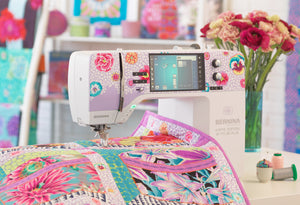

We Love Our Quilting Community
At High Country Quilts we care deeply about community. With our experiences in retail, we know that a store is not only a place to shop but also a place for the community to gather and share. During this busy...


When you first start searching for quilting fabric online, the sheer number of options can feel a little overwhelming. It seems like a new shop pops up every day! This isn't just your imagination; quilting has seen a huge surge in popularity.
The global market for quilting fabric was valued at a staggering USD 3.5 billion in 2023, and it's only expected to grow. If you're curious, you can explore the full quilting fabric market growth projections to see just how many people are falling in love with this craft.
But all that growth means you have more places to shop than ever. So, where should you start? Generally, your search will lead you to one of three main destinations, each with its own pros and cons.
Let's break down what you can expect from each type of seller. Knowing the key differences will help you decide which is the right fit for your next project, whether you're bargain hunting or looking for that perfect, high-quality collection.
The table below offers a quick comparison of the three main channels to help you choose the best option for your needs.
| Channel Type | Best For | Selection | Expertise & Support |
|---|---|---|---|
| Marketplaces | Finding bargains and unique, hard-to-find items from various sellers. | Vast and varied; quality can be inconsistent. | Varies by seller; often minimal direct support. |
| Dedicated Superstores | Coordinated collections, exclusive kits, and brand-name fabrics. | Curated and high-quality, but limited to store's inventory. | Strong; offers tutorials, guides, and customer service. |
| Local Shops Online | Personalized service, expert advice, and community connection. | Focused and high-quality; may have unique local finds. | Excellent; direct access to knowledgeable staff. |
As you can see, there's no single "best" place to shop—it all depends on what you value most. Are you looking for the widest possible selection, a carefully curated collection from a trusted brand, or the personal touch and expertise you can only get from a dedicated quilt shop?
Once you start shopping for quilting fabric online, you'll quickly see that your options boil down to two main avenues: massive marketplaces and dedicated fabric shops. Think of it as the difference between wandering through a sprawling flea market versus visiting a thoughtfully curated boutique. Each has its place, and knowing the difference will save you a lot of time and potential headaches.
Marketplaces like Etsy and Amazon are the giant flea markets of the fabric world. They are home to thousands of individual sellers, which means the selection is practically infinite. This is your best bet for tracking down that one rare, out-of-print fabric or snagging a great deal from a small, independent designer. The trade-off, however, is that quality and service can be all over the map.
If you’re ever curious about how these different platforms work from a seller's perspective—which often explains the buyer's experience—a good breakdown of Shopify vs Etsy can be really illuminating.
On the other side of the coin are the dedicated online fabric "superstores" like Fat Quarter Shop or Missouri Star Quilt Co. These are the specialty boutiques of the online quilting community. They focus solely on high-quality materials for quilters, so the entire experience feels more consistent and reliable.
When you shop at a dedicated store, you're buying their expertise. They've already vetted every bolt of fabric for you, guaranteeing what shows up is premium, 100% cotton quilter’s weight material—not some flimsy, low-thread-count imposter.
This level of focus means you can shop with total confidence. You'll also find things like exclusive fabric bundles, brilliantly designed quilt kits, and a ton of helpful content like patterns and video tutorials. While their inventory is limited to what they choose to stock, the quality is almost always top-notch.
This flowchart can help you decide which direction to go, depending on what you value most: a massive selection, curated quality, or expert advice.

As you can see, your main goal—whether it's finding a bargain, guaranteeing quality, or getting some guidance—is the key to choosing the right kind of shop.
So, how do you decide where to spend your money? It really just depends on your project and what's most important to you at that moment.
Here's a quick guide to help you choose:
 Let’s be honest: buying fabric you can't touch feels like a bit of a gamble. Judging the weight, texture, and true color of a material through a screen is probably the biggest hurdle when you're deciding where to buy quilting fabric online.
But with a little practice, you can absolutely learn to spot the good stuff. Think of it less as a gamble and more as developing a new skill. It all starts with knowing what to look for in the product description. Vague descriptions like "cotton fabric" are a red flag; you want specifics.
A great online listing tells you a story about the fabric. When a seller provides rich detail, it shows they know their stuff and are proud of what they’re selling. Here are the key details I always look for:
This level of quality is what props up the entire industry. The cotton quilting fabric market is on track to be a USD 2.5 billion business by 2025, and top-tier brands like Moda Fabrics and Wilmington Prints lead the way by consistently meeting these standards. You can dive deeper into the trends in the cotton quilting fabric market to see just how important these benchmarks are.
Once you’ve checked the fabric specs, it’s time to size up the seller. For me, high-resolution photos are non-negotiable. You should be able to zoom right in and see the weave and texture of the fabric. If the photos are blurry, poorly lit, or there’s only one, I'd move on.
A good shop is proud of its inventory and wants you to see it clearly. They'll offer multiple photos, something for scale (like a ruler or a coin), and make a real effort to capture the color accurately.
Finally, take a minute to read through customer reviews and the shop's return policy. I look for comments that talk about the fabric's feel, whether the colors bled in the wash, and how accurate the cuts were. A clear, fair return policy is also a great sign; it shows the seller stands behind their product and gives you the peace of mind to click "add to cart."

Stepping into the world of online fabric shopping can feel like learning a new language. You'll see terms like "fat quarter," "jelly roll," and "yardage" everywhere, and it's easy to feel a little lost at first.
But getting these terms right is the secret to ordering exactly what you need for your project. Think of it like ordering coffee—a "grande" isn't just a random word; it’s a specific size. The same goes for fabric, and knowing the lingo prevents you from overspending or, worse, running out of fabric halfway through a quilt.
Before you commit to yards and yards of a fabric that looks perfect on screen, do yourself a huge favor and order a swatch. A swatch is simply a small sample, usually just a few inches square, that lets you see and feel the real thing before you buy in bulk. It’s like test-driving a car.
Ordering a swatch is the single best way to avoid disappointment. With that little piece of fabric in hand, you can:
A swatch is a tiny investment that prevents a big, expensive mistake. It’s the ultimate confidence boost when buying online, ensuring the fabric you dreamed of is the fabric that arrives at your door.
Once you’re sure about a fabric, you have to decide how much to get. This is where you’ll choose between buying yardage (cut right off the bolt) or convenient precuts.
Yardage is fabric sold by length, typically in increments like a full yard, half-yard, or quarter-yard. A standard yard of quilting cotton is 36 inches long and usually around 42-44 inches wide. So, a traditional quarter-yard is a long, skinny strip measuring 9 inches by 44 inches.
This is why the fat quarter is so popular with quilters. It’s the same total amount of fabric as a quarter-yard, but it's cut to a more useful, squarish shape of about 18 inches by 22 inches. That blocky shape gives you far more flexibility for cutting larger quilt pieces.
Precuts, on the other hand, are bundles of fabric that are machine-cut into standard shapes and sizes. Quilters love them for two simple reasons: they save an incredible amount of cutting time, and they offer perfect coordination because all the fabrics are pulled from the same designer collection.
Some of the most common precuts you'll find are:
Using precuts is like having a personal prep chef in your sewing room. All the tedious chopping and slicing is done for you, so you can dive right into the creative fun of piecing your quilt.
When you’re on the hunt for quilting fabric online, it’s tempting to head straight for the massive online-only retailers. They seem to have endless options, right? But there's another fantastic source many quilters don't think to check: their own local quilt shop's website. It’s an approach that gives you the convenience of shopping in your PJs at midnight, but with the trusted expertise of people who live and breathe quilting.
This is about more than just "shopping small," it’s about shopping smarter. A great local shop like High Country Quilts is run by dedicated quilters, not by algorithms. They’ve touched the fabrics, they know the collections, and they understand how different bolts work together. Think of them as your personal fabric consultants—the kind of expert you can’t get from a giant, faceless warehouse. They can give you real advice on finding that perfect shade of green or suggest a blender fabric that will truly make your focus print sing.
What makes a local shop’s online store so special is how it connects your digital and physical quilting worlds. This "hybrid" way of shopping offers some seriously practical perks that can make your creative life easier.
This desire for a more personal, high-quality experience is a real trend. While e-commerce is expected to handle over 30% of all fabric sales by 2025, quilters are getting more selective. In North America, which accounts for 45% of the market, shoppers are increasingly choosing specialty stores that offer better fabrics and a genuine connection. You can see more about this in these key quilt market trends.
When you buy from your local quilt shop's website, you’re doing more than just adding to your stash. You’re investing in the heart of your local quilting community. That purchase helps keep the lights on so they can continue to offer classes, host quilt guilds, and provide crucial services like sewing machine repair.
Shopping with your local store, whether in person or online, helps sustain the entire ecosystem that lets our hobby flourish. It ensures that expert advice, hands-on help, and a welcoming place to gather will be there when you need it.
It creates a wonderful cycle. You get incredible, personalized service and top-notch fabric. In return, your purchase helps support a local resource that makes your hobby better for everyone. It’s a sale you can feel good about, knowing you're not just building a quilt—you're helping to build your community.
 Buying fabric online is a fantastic way to access a world of prints and colors, but it can also feel like a bit of a gamble. To take the guesswork out of it, I always run through a quick mental checklist before I hit “add to cart.”
Think of it as your pre-purchase ritual. It’s a simple, repeatable process that combines everything we’ve talked about, helping you shop with confidence and build a stash full of fabric you truly love.
Before a single browser tab is opened, take a moment with your project. What are you actually making? An heirloom quilt that will be cherished for generations needs top-of-the-line materials. On the other hand, a fun and fast baby quilt might be the perfect project to use up some fat quarters you already have.
Knowing your end goal helps you decide where to even start looking. It’s the difference between hunting for a bargain on a marketplace versus investing in a perfectly curated kit from a specialty shop. And please, don't forget to calculate your yardage!
Okay, you've found a fabric that makes your heart sing. Now it's time to do a little digging. A great online shop will make it easy for you by providing all the key details right on the product page.
Beyond the fabric itself, look for signs of strong customer service. A shop that values its customers will have a clear and fair return policy. It’s a non-negotiable for me and a sure sign of a trustworthy business.
A confident seller makes it easy for you to verify quality. They provide detailed descriptions, beautiful photos, and transparent policies because they stand behind their products.
Once your research is done, you’re ready for the fun part. Decide if you need a specific yardage cut from the bolt or if a set of precuts like a jelly roll or some fat quarters would work better for your pattern. If you're matching colors or have any doubt at all about the texture, ordering a small swatch first is always the safest move.
And here’s a final thought: don’t forget to see if your local quilt shop has an online store. You often get the best of both worlds—the ease of online ordering combined with expert support, the option for in-store pickup, and the wonderful feeling of supporting a small business that holds your quilting community together.
Even for seasoned quilters, clicking "add to cart" on fabric you can't touch first can feel like a bit of a gamble. You're not alone in wondering about a few things! Let's clear up some of the most common questions that come up when you're shopping for quilting fabric online.
This is the big one, isn't it? It’s the number one worry for a reason. While shops try their best to get the photos just right, the truth is that every single monitor and phone screen shows color a little differently. The only way to be 100% certain of a color is to order a swatch.
If you can't get a swatch, your next best move is to play detective. Dive into the customer reviews; fellow quilters are usually quick to mention if a "dusty rose" showed up as "bubblegum pink." Also, pay attention to shops that provide multiple, high-quality photos taken in natural light. It shows they're putting in the effort to represent their colors accurately.
Ah, a classic question! They are technically the same amount of fabric, but their shape makes all the difference in the world for what you can do with them.
That "fat" shape is a quilter’s best friend. It gives you enough room to cut larger blocks and shapes that simply wouldn't fit on a narrow 9-inch strip.
For most quilters, the answer is a wholehearted yes! Precuts, like jelly rolls (2.5-inch strips) or charm packs (5-inch squares), are fantastic for a couple of key reasons. First, they save you a ton of time at the cutting mat and give you perfectly accurate, machine-cut pieces.
The second, and maybe even bigger, benefit is that they take all the guesswork out of coordinating your project. Since all the fabrics in a precut bundle are pulled from the same designer collection, you know every single piece is going to look beautiful together.
The first step actually happens before you buy: always check the shop's return policy. A good, reputable store will have a clear and fair policy, especially for things that aren't your fault—like if the fabric has a flaw, was damaged in transit, or is simply the wrong item.
If an order arrives and something's not right, reach out to the seller immediately. Snap a few clear photos of the issue to include with your email or message. Good businesses care about their customers and will want to make things right, whether that means sending a replacement or issuing a refund.
Ready to explore a curated selection of beautiful fabrics with the support of a passionate quilting community? High Country Quilts offers a fantastic online shopping experience backed by real-world expertise. Browse our collections and find the perfect materials for your next masterpiece.
At High Country Quilts we care deeply about community. With our experiences in retail, we know that a store is not only a place to shop but also a place for the community to gather and share. During this busy...

Hi! We’re Adam and Renee Wheaton, the new owners of High Country Quilts! For more than 40 years, we’ve owned and operated vacuum and sewing businesses. Following in Renee’s father’s footsteps after he retired from All Discount Vacuum and Sewing in Colorado...


Leave a comment