
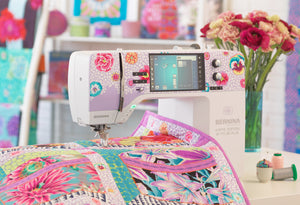

We Love Our Quilting Community
At High Country Quilts we care deeply about community. With our experiences in retail, we know that a store is not only a place to shop but also a place for the community to gather and share. During this busy...


Batik fabrics aren't just patterned cloth; they're a living art form, born from a centuries-old tradition of wax-resist dyeing. The magic lies in using hot wax as a temporary stencil, a method that allows artisans to create designs with a depth and character you just can't find anywhere else.
At its heart, batik is a craft so significant it's been recognized by UNESCO as a Masterpiece of Oral and Intangible Heritage of Humanity, with its deepest roots in Indonesia. Think of it like painting, but with wax. An artisan uses a special tool to draw or stamp an intricate design onto the fabric with hot, melted wax.
When the fabric is submerged in dye, those waxed areas act as a shield, preventing the color from reaching the cloth. The process can be repeated over and over with different colors to build up incredibly complex, layered patterns. The final, and most dramatic, step is removing the wax—often by boiling the fabric—to unveil the stunning, one-of-a-kind design hidden beneath.
For a quick overview, here are the essential characteristics of batik fabric.
| Characteristic | Description |
|---|---|
| Production Method | Wax-resist dyeing; wax is applied to fabric, which is then dyed. |
| Primary Fiber | Traditionally 100% cotton, often high-quality primissima cotton. |
| Common Weights | Ranges from lightweight quilting cotton (~120-140 GSM) to heavier apparel weights. |
| Key Feature | Each piece is unique due to the handmade process. |
| Signature Mark | A "crackle" effect, where dye seeps through cracks in the wax. |
| Origin | Deeply rooted in Indonesian culture, especially on the island of Java. |
This table gives you the basics, but the real story is in how each piece is made.
To really get a feel for batiks, it helps to know how they’re made. Each method offers a different blend of artistry, time, and, of course, price.
Hand-Drawn (Batik Tulis): This is the original, the masterpiece. Artisans use a pen-like tool called a canting to meticulously draw every single line of the design in wax, entirely by hand. A single piece can take weeks, sometimes months, to finish, making it a true collector's item.
Stamped (Batik Cap): To make production a bit quicker, artisans use a copper stamp, or cap, to apply the wax pattern. This method allows for more consistency in the design, but it’s still very much a hands-on process. Each stamp is carefully placed and pressed by a skilled artisan, so it retains that handmade feel.
Printed (Batik-Style): With modern technology, you’ll also find fabrics where batik-like patterns are simply screen-printed or digitally printed onto the cloth. While they mimic the look, they completely skip the wax-resist process and aren't considered authentic batik. They're machine-made, uniform, and lack the subtle imperfections that make true batiks so special.
You'll often notice tiny, web-like lines running through a genuine batik design. This signature "crackle" is the hallmark of the craft. It happens when the hardened wax cracks just a little during handling, letting fine veins of dye seep through and add that beautiful, organic texture.
Knowing the difference between these types is your first step into this incredible world. Whether you're a quilter hunting for that perfect color-saturated print, a seamstress dreaming up a one-of-a-kind garment, or a cosplayer aiming for authentic detail, understanding what batik fabrics are gives you the power to pick the perfect material for your next masterpiece.
The real magic of a batik fabric isn't just in the finished pattern; it's woven into the patient, deliberate process of its creation. It’s an art form where hot wax and vibrant dye perform a delicate dance, with each step building on the last to reveal something truly beautiful. Once you understand how it's made, you'll never look at a yard of batik the same way again.
Picture an artisan, focused and steady, dipping a small, pen-like tool called a canting into a pot of molten wax. This is where the most revered method, known as batik tulis (hand-drawn batik), begins. Every single line, dot, and swirl is drawn directly onto the cloth by hand—a freehand masterpiece that can take weeks, or even months, to complete. The wax acts as a temporary shield, protecting the fabric beneath it from the dye to come.
This incredibly meticulous process is why every piece of batik tulis is a one-of-a-kind work of art. No two are ever exactly alike.
While batik tulis is pure artistry, there’s a more common method that allows for faster production while still keeping that essential handmade feel. This is batik cap (pronounced ‘chop’), or stamped batik. Instead of a canting, artisans use a large, heavy copper stamp that has been painstakingly crafted into a design.
The stamp is dipped into hot wax and then carefully pressed onto the fabric, section by section. It takes tremendous skill to align the stamp perfectly every single time to create a seamless, repeating pattern. It's faster than drawing by hand, sure, but it's still a labor-intensive craft that gives the fabric the slight variations and character that only come from a human touch.
Key Takeaway: Whether it's tulis or cap, the process involves applying hot wax to fabric. This wax physically blocks the dye, creating the negative space in the pattern. This hands-on wax application is the absolute hallmark of genuine batik.
Once the wax design is set, the fabric is ready for its first color bath. It’s submerged completely in a dye vat, which allows the color to soak deep into all the unwaxed fibers. This immersion dyeing is why true batiks have such rich, saturated color that penetrates all the way through to the back—one of the best ways to spot quality.
But the magic doesn't stop with one color. For more complex, multi-colored designs, the whole process gets repeated. Artisans might boil the fabric to remove the first layer of wax, apply a new wax design, and then dye it a different color. Or, they can apply more wax over the first dyed areas to preserve that color before dipping the cloth into a second, darker dye. This layering technique creates an incredible depth and complexity that printed fabrics just can't touch.
The final step is the great reveal. The fabric is boiled in hot water, which melts and washes away all the hardened wax, finally unveiling the intricate pattern that was hidden underneath. This is the moment the artisan's vision, once concealed by a crust of wax, finally comes to life.
This simple infographic shows the core journey of a true batik.

From wax to dye to the finished cloth, this flow highlights the hands-on journey every piece of authentic batik fabric takes.
It’s crucial to be able to tell real batiks from the modern, mass-produced "batik-style" prints you see everywhere. Those fabrics are made using screen printing or digital machines that just apply colored ink to the surface of the cloth. They might look similar at a glance, but they're worlds apart.
Here’s how to tell the difference:
The global appetite for these stunning textiles is growing fast. In just the first quarter of a recent year, Indonesian batik exports jumped an incredible 76.2% to hit US$7.63 million, a testament to its rising popularity with quilters, designers, and sewists worldwide.

When you’re standing in a fabric store surrounded by bolts of incredible patterns, telling a genuine, high-quality batik from a mass-produced imitation can feel overwhelming. But once you know what to look for, it's like learning a secret language. You can quickly spot the little tells that speak to the fabric's true origins and craftsmanship.
Think of yourself as a textile detective. The clues are all there—in the color, the feel of the cloth, and the tiny details that separate a true work of art from a simple print. Developing this eye for quality ensures that the fabric you pick for your next quilt, garment, or cosplay project won't just look stunning, but will also stand the test of time.
By far, the most reliable way to identify a genuine batik is to check both sides of the fabric. During the authentic wax-resist process, the cloth is completely submerged in a dye bath. This immersion forces the color to penetrate deep into the fibers, saturating the material through and through.
Because of this, a true batik will be almost as vibrant on the back as it is on the front. The pattern and colors should look rich and distinct on both sides.
A printed imitation, on the other hand, just has ink applied to the surface. Flip it over, and you’ll find a backside that is dramatically paler, washed-out, or even plain white. This immediate visual difference is your first and most powerful clue.
Next, get up close and personal with the pattern. The handmade nature of batik—whether it's hand-drawn (tulis) or stamped (cap)—leaves behind beautiful, subtle signatures of the artisan's touch. These aren’t flaws; they are proof of authenticity.
Look for these specific characteristics:
A machine-made print will be perfectly uniform and flawless. The beauty of real batik lies in its subtle, human variations. These "perfect imperfections" are what give each piece its unique soul and character—a story a machine simply cannot replicate.
A high-quality batik starts with a high-quality base cloth. The overwhelming majority of batiks made for quilting and sewing are crafted from 100% cotton, and the grade of that cotton makes a huge difference in how the fabric feels and performs.
When you handle the material, it should feel smooth and substantial, not rough or flimsy. A tight, even weave is a great sign of a quality base cloth, which means the fabric will be more durable and less prone to fraying. The material often has a slight crispness from the intense dyeing process, but it shouldn't feel stiff or cheap. This crispness almost always softens beautifully after the first wash.
Finally, it helps to understand how hand-dyed fabrics behave. Because batiks are saturated with such rich dyes, it’s quite common for them to release a little excess color during the first few washes. This is not a sign of poor quality; it's a natural characteristic of the hand-dyeing process.
To get a sense of the colorfastness, you can dampen a small corner of the fabric and rub it on a scrap of white cloth. If a lot of color transfers, you’ll know to be extra careful when washing. Reputable batik makers use extensive finishing processes to minimize this bleeding, but it’s always a good idea to pre-wash your batiks with a color catcher sheet to protect your final project.
Here is the rewritten section, designed to sound completely human-written and natural.

This is where all that beautiful, handcrafted fabric gets to shine. Whether you're a quilter piecing together a masterpiece, a sewer creating a one-of-a-kind garment, or a cosplayer building a fantasy, working with batiks is a unique experience. Their special character offers some incredible advantages, but you’ll want to know a few tricks to really get the best results.
Quilters, in particular, tend to fall in love with batiks. The high-quality base cloth gives them a tight, dense weave, which means minimal fraying when you're cutting all those tiny, intricate pieces. This stability is a lifesaver for complex patterns and appliqué where you need those edges to stay crisp and clean. Plus, the saturated colors give a visual depth that most printed fabrics just can't replicate, making your quilt blocks practically glow.
For cosplayers, batiks are a secret weapon. Those organic, often abstract patterns can add instant texture and an otherworldly vibe to a costume. Think of a sorcerer’s robe with a design that crackles like raw energy or a forest guardian’s cloak with motifs that mimic moss and dappled sunlight. Batiks offer a fantastic shortcut to the kind of complex visual storytelling that could otherwise take hours of hand-painting or distressing.
Before you even thread your machine, getting your setup right will save you a world of headaches. That dense, high thread count we love in quilting batiks can be tough on a standard needle.
A dull needle will punch its way through the fabric instead of piercing it cleanly, which can damage the fibers or cause frustrating skipped stitches. My rule of thumb? Always start a new batik project with a fresh needle.
Pro Tip: If your machine suddenly starts skipping stitches or making a thumping sound, stop and check your needle. Nine times out of ten, it’s gone dull from working through those dense batik fibers and just needs to be replaced.
Ah, the great pre-washing debate. In the world of batiks, there's really no debate at all: yes, you should absolutely pre-wash. There are a couple of crucial reasons for this.
First, the hand-dyeing process often leaves a bit of excess dye in the fabric. A quick wash, maybe with a color catcher sheet tossed in for good measure, gets rid of any loose dye before it has a chance to bleed onto lighter fabrics in your project. Second, batiks are almost always 100% cotton, and cotton loves to shrink. Washing and drying your fabric before you cut means all that shrinking happens upfront, saving you from puckered seams and distorted quilt blocks down the road.
When it's time to press, batiks can take the heat. I recommend a hot, dry iron to get the crispest seams. Because the fabric is so stable, it’s a great candidate for pressing seams open to reduce bulk.
When you're ready to start cutting and sewing, a little preparation goes a long way. Here are some of my go-to recommendations for getting a smooth, professional finish with batiks.
| Task | Recommendation | Why It Matters |
|---|---|---|
| Pre-Washing | Wash in cool water with a color catcher. | Removes excess dye to prevent bleeding and pre-shrinks the cotton to avoid puckering later. |
| Cutting | Use a sharp rotary cutter and a fresh blade. | The dense weave can dull blades quickly; a sharp blade ensures clean, fray-free cuts. |
| Needle Choice | Use a Microtex/Sharps needle (70/10 or 80/12). | The fine, sharp point pierces the tight weave easily, preventing skipped stitches and fabric damage. |
| Thread | Choose a quality 50wt cotton thread. | Provides a strong seam without adding bulk, which is essential for accurate piecing in quilts. |
| Stitch Length | Shorten stitch length slightly to 1.8-2.0mm. | A shorter stitch helps lock seams securely in the dense fabric and prevents them from pulling apart. |
| Pressing | Use a hot, dry iron. Press seams open or to the side. | Batiks can handle high heat and pressing seams open helps reduce bulk at intersection points. |
Following these simple tips will make your sewing experience much more enjoyable and ensure your final project looks fantastic.
The sheer versatility of what batik fabrics are used for is amazing. The vibrant Indonesian textile sector, where woven fabrics like batik command a 48.16% market share, provides a seemingly endless supply for makers worldwide. Modern looms are churning out everything from durable apparel fabrics to intricate jacquards, so there’s truly something for everyone. You can learn more about the scale of Indonesia's textile industry and its impact on craft fabrics to appreciate the source.
Ready for some inspiration? Here are a few ideas to get you started:
A gorgeous batik project starts long before you thread your needle and lasts long after the final stitch. It all begins with finding authentic, high-quality fabric and ends with knowing how to keep those incredible colors looking their best for years to come.
When you decide to build a batik stash, you're not just buying cloth; you're investing in a tradition. This mindset is a perfect example of choosing smart and stylish fast fashion alternatives that favor craftsmanship over disposability. Your search for the real deal can take you to some wonderful places.
Finding genuine batik is a bit like a treasure hunt. While you might see batik prints in big-box craft stores, you'll want to seek out specialists to get authentic, wax-dyed fabric.
Your best bets will almost always be specialty quilt shops, reputable online fabric stores, and—if you’re lucky—artisan markets.
When shopping online, look for sellers who provide bright, clear photos. Here's the key: they must show you both the front and the back of the fabric. Remember, that vibrant color on the reverse side is the hallmark of true wax-resist dyeing. Good sellers will also provide detailed descriptions mentioning the fabric's origin (like Indonesia) and the production method (stamped or hand-drawn).
You've found the perfect fabric—now what? The single most important thing you can do is pre-wash it. This simple step saves you from the future heartache of bleeding dyes and shrunken projects.
Here’s a simple routine to care for your new fabrics:
Following these simple care steps is about more than just laundry. You're preserving the life and vibrancy of a piece of art that you carefully chose for your creative vision.
This timeless fabric continues to inspire makers all over the world. A recent export spike to $7.63 million (a whopping 76.2% increase) shows just how much momentum batik has gained, especially with younger generations and more efficient production methods.
Beyond their beauty, modern batiks are even being recognized for functional benefits like potential UV resistance and moisture-wicking properties, proving this ancient art form is more relevant than ever.
As you get more familiar with batiks, you're bound to have some questions. These gorgeous fabrics are a world away from your standard printed cottons, with their own unique quirks and characteristics. Let's dig into some of the most common questions sewers and quilters ask, so you can feel totally confident working with them.
Think of this as your go-to guide for the practical stuff. We'll clear up the details on everything from fiber content and color depth to picking the right tools, reinforcing what you need to know to get the most out of every yard.
That's a great question, and the answer is key to your project's success. The overwhelming majority of high-quality batiks you’ll find in quilt shops are, in fact, 100% cotton. Cotton is the go-to base because it’s tough, holds dye beautifully, and has the stability quilters need.
But that's not the whole story. Artisans also work their magic on other natural fibers like silk and rayon. These alternatives offer a totally different experience; a silk batik is perfect for a flowy, luxurious scarf, while a rayon batik makes a dress with incredible drape. Just be sure to check the bolt end—it’ll tell you exactly what you’re working with.
Key Insight: The base fabric dictates how the batik behaves. Cotton gives you the crisp stability needed for quilting, while silk or rayon brings a soft, fluid drape perfect for clothing. Match the fiber to the function.
The secret to that incredible depth of color lies in the immersion dyeing process. Unlike regular printed fabric where ink sits on the surface, batiks are completely submerged in vats of dye. This lets the color soak deep into the fibers from every angle, resulting in a complete saturation that’s just as vibrant on the back as it is on the front.
It doesn’t stop there. Many designs are built up through multiple dye baths. An artisan might dye the cloth a light yellow, add more wax, then dip it into a blue dye bath. The colors layer over each other, creating those complex, nuanced greens that give batiks their signature visual texture and unmatched vibrancy.
Yes, for the best results, you absolutely should use a special needle. Batiks are famous for their tight, dense weave, which can be a real struggle for a standard universal needle. An incorrect or dull needle will punch its way through the fibers instead of piercing them cleanly, leading to skipped stitches, frustrating snags, or even damaged fabric.
Save yourself the headache and switch to a Microtex or Sharps needle in a size 70/10 or 80/12. These needles have an ultra-fine, sharp point designed specifically for piercing tightly woven fabrics. It's also a smart habit to pop in a fresh needle for every new batik project. You'll be amazed at the difference it makes.
This is one step you should never, ever skip. Pre-washing is critical for two big reasons. First, because batiks are hand-dyed with such rich colors, a little bit of excess dye is almost guaranteed to wash out initially. Pre-washing with a color catcher sheet is your best defense against that loose dye bleeding all over your other fabrics.
Second, most batiks are 100% cotton, and cotton is notorious for shrinking. Washing and drying your fabric before you cut means any shrinkage happens right at the start. This simple step prevents your quilt blocks from distorting, your seams from puckering, and your new dress from becoming a size too small after its first wash. A little time spent pre-washing is your insurance policy for a project you'll love for years.
At Famcut.com, we get it—we know the passion that goes into every stitch. Whether you're piecing a quilt, sewing a new outfit, or building an epic cosplay, the right materials make all the difference. Explore our curated collection of high-quality fabrics and find the perfect inspiration for your next masterpiece.
At High Country Quilts we care deeply about community. With our experiences in retail, we know that a store is not only a place to shop but also a place for the community to gather and share. During this busy...

Hi! We’re Adam and Renee Wheaton, the new owners of High Country Quilts! For more than 40 years, we’ve owned and operated vacuum and sewing businesses. Following in Renee’s father’s footsteps after he retired from All Discount Vacuum and Sewing in Colorado...


Leave a comment