
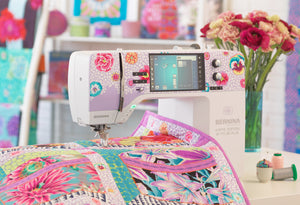

We Love Our Quilting Community
At High Country Quilts we care deeply about community. With our experiences in retail, we know that a store is not only a place to shop but also a place for the community to gather and share. During this busy...


Embarking on your sewing journey is an exciting step towards creating everything from custom garments to beautiful home decor. The path from novice to confident creator can seem daunting, filled with unfamiliar tools, techniques, and terminology. This comprehensive guide is designed to demystify the process, offering a collection of foundational sewing tips for beginners that will help you avoid common pitfalls and build a solid skill set. We'll move beyond generic advice to provide actionable strategies that ensure your first stitches lead to fantastic finished projects.
This is not just another list of obvious suggestions. Instead, you'll find a structured roadmap to success. We'll cover everything from selecting the right foundational tools to mastering essential hand stitches before you even touch a machine. You will learn the critical importance of understanding pattern instructions, choosing beginner-friendly fabrics, and the non-negotiable habit of pressing your seams as you work. Each tip is designed to be a building block, creating a strong base for all your future creative endeavors.
Whether your goal is to mend your own clothes, design custom pieces, or simply enjoy a new hands-on hobby, mastering these core principles is your first and most important step. Consider this your personal checklist for getting started correctly. This guide will provide you with the practical knowledge to not only complete your first projects but to do so with confidence and a sense of genuine accomplishment. Let's thread the needle and begin.
Jumping into a new hobby like sewing can feel overwhelming, especially when faced with an entire aisle of gadgets and tools. While it’s tempting to grab the cheapest options or buy a massive, all-in-one kit, one of the most impactful sewing tips for beginners is to prioritize quality over quantity. Starting with a small, curated collection of reliable tools will make your learning process smoother, more enjoyable, and far less frustrating.

The difference between low-quality and high-quality tools is immediately noticeable. A cheap pair of scissors might snag or chew fabric instead of cutting it cleanly, leading to frayed edges and inaccurate pattern pieces. A poorly made sewing machine may consistently jam, skip stitches, or have uneven tension, making you think the problem is your skill when it's actually the equipment. Investing wisely from the start helps you build foundational skills on a solid, reliable base.
You don't need every tool on the market. Focus on acquiring dependable versions of the absolute must-haves. This core group will see you through your first several projects with ease.
Pro Tip: Before buying, visit a local shop like Famcut here in Atlanta. They often have floor models you can test, and the staff can offer personalized recommendations based on the types of projects you want to start. Hands-on experience is invaluable.
By building your collection with purpose, you create a foundation for success. Good tools work with you, not against you, allowing you to focus on mastering techniques and bringing your creative ideas to life. For those interested in working with brands to get quality tools, you can find more information about gifted collaboration opportunities and build your kit through partnerships.
In an age of instant gratification, it’s tempting to jump straight to the sewing machine, but one of the most valuable sewing tips for beginners is to first build a relationship with a needle and thread. Learning fundamental hand stitches is not an outdated practice; it's a foundational skill that develops muscle memory, an intuitive feel for thread tension, and a deep understanding of how fabric behaves. Mastering these basics by hand creates a solid groundwork that makes machine sewing much more successful.

Hand stitching teaches you control at a slower, more deliberate pace. You learn how to guide the needle, how tightly to pull the thread, and how to create even, consistent stitches without relying on a machine's mechanics. This tactile experience is invaluable for understanding garment construction, making delicate repairs, and adding detailed embellishments that a machine simply cannot replicate. From traditional quilting to detailed cosplay, hand-stitching skills remain essential.
Before you even plug in a machine, dedicate some time to practicing these core stitches. Creating a simple sampler block is a fantastic way to build confidence and skill.
Pro Tip: Keep a small hand-sewing kit portable. You can practice your stitches on scrap fabric while watching TV or commuting. These small, consistent practice sessions are more effective than one long, tiring one and help build dexterity without fatigue.
By developing these skills first, you gain a respect for the craft and an understanding of stitch mechanics. This knowledge translates directly to machine sewing, helping you troubleshoot issues like tension problems and recognize what a well-formed stitch should look like.
The single most tempting mistake for an excited beginner is to lay down a pattern, grab the scissors, and immediately start cutting fabric. However, one of the most crucial sewing tips for beginners is to treat the instruction booklet as your project's roadmap. Taking the time to thoroughly read and comprehend every single step before your scissors ever touch the material can save you from costly errors, wasted fabric, and immense frustration.
Commercial patterns from companies like McCall's, Simplicity, and Burda are packed with vital information beyond just the step-by-step assembly. They include a glossary of terms, cutting layouts for different fabric widths, and diagrams showing how pieces should align. Diving in without this knowledge is like trying to build furniture without looking at the manual; you might end up with a wobbly chair and a pile of leftover screws. Understanding the full process beforehand provides a mental walkthrough, helping you anticipate tricky steps and build confidence.
Treating pattern preparation as a distinct step in your sewing process will set you up for success. This isn't about memorization, but about familiarization and planning.
Pro Tip: Print your digital patterns or photocopy your paper ones. This allows you to highlight key steps, make notes in the margins, and check off steps as you complete them without marking up your original pattern. It creates a personalized, user-friendly guide for your project.
By making this preparatory step a non-negotiable habit, you prevent the common beginner mistake of mis-cutting a piece or sewing parts together in the wrong order. It transforms the sewing process from a guessing game into a clear, manageable plan, making your projects far more enjoyable and successful.
Walking into a fabric store can be both exciting and intimidating, with endless rows of colors, textures, and prints. For those new to sewing, the type of fabric you choose can make or break your first projects. A crucial sewing tip for beginners is to start with materials that are stable and forgiving, allowing you to focus on learning techniques rather than fighting with difficult fabric.

Slippery fabrics like silk or satin can slide around while cutting and sewing, leading to inaccurate seams. Stretchy knits require special needles and stitches to avoid puckering. By selecting stable, non-stretch woven fabrics first, you set yourself up for a much more positive and successful learning experience. This builds confidence and helps you achieve a professional-looking finish right from the start.
Focus on fabrics that are easy to cut, press, and sew. These materials hold their shape well and are less likely to fray excessively, making them ideal for practicing fundamental skills.
Pro Tip: Always pre-wash and dry your fabric before cutting. Most fabrics, especially natural fibers like cotton and linen, will shrink. Washing it first ensures your final project will fit perfectly after its first wash.
Choosing the right fabric is as important as any sewing technique. Starting simple allows you to master the basics before moving on to more challenging textiles. As you gain skills, you can explore new materials and expand your creative horizons, and some creators even explore how to get free products to build their fabric stash through brand partnerships.
One of the foundational skills that separates homemade-looking projects from professional-quality work is the mastery of straight stitching and consistent seam allowances. While it might seem basic, this skill is a cornerstone of successful sewing. An accurate seam allowance ensures that pattern pieces fit together perfectly, which is crucial for the proper fit of a garment or the precise alignment of a quilt block. This is one of the most critical sewing tips for beginners to focus on from day one.
Inaccurate seams can cause a ripple effect of problems. A garment might end up too tight or too loose, quilt blocks won't match up, and structural seams on bags or costumes could lack integrity. Taking the time to build muscle memory for guiding fabric and watching the seam guide instead of the needle will pay off in every single project you create. It’s a non-negotiable technique for achieving clean, predictable results.
Perfecting your seams isn't about natural talent; it's about intentional practice and using the right guides. Here are a few reliable methods to help you sew straighter and more accurately.
Pro Tip: Don't watch the needle! Instead, keep your eyes focused on the edge of your fabric as you guide it along your chosen seam guide (the marking on the plate or your tape). Your peripheral vision will keep the needle in check while your main focus ensures a straight line.
By dedicating time to this fundamental skill, you are setting yourself up for success. Every seam you sew will be stronger, more accurate, and contribute to a beautifully finished project you can be proud of.
Many beginners see ironing as a final step, something to do once a project is completely finished. However, one of the most crucial sewing tips for beginners is to press your seams and pieces throughout the entire sewing process. This small, consistent habit elevates your work from looking homemade to looking professional. Pressing sets your stitches into the fabric, flattens seam allowances, and ensures pieces line up perfectly, making every subsequent step more accurate and far easier.

The difference is immediately visible. Without pressing, seams can appear puffy, twisted, or puckered. Garment pieces won't lay flat, leading to mismatched edges and wobbly topstitching. By integrating pressing into your workflow, you create crisp edges, sharp corners, and flat, clean seams that allow your project to take its intended shape. It’s a foundational technique used by professional quilters and garment makers for a reason.
The key is to establish a rhythm: sew a seam, press it, then move to the next step. Keeping your iron and pressing surface close to your sewing machine removes friction and makes it feel like a natural part of the process.
Pro Tip: Remember the difference between pressing and ironing. Pressing is an up-and-down motion with the iron, which sets stitches without distorting the fabric. Ironing is a back-and-forth sliding motion, which can stretch fabric and warp your pattern pieces.
By treating your iron as a primary sewing tool, not an afterthought, you'll see a dramatic improvement in the quality and accuracy of your work. For those wanting to upgrade their sewing setup, you can learn more about how to get high-quality tools with our gifted collaboration opportunities and build your kit through partnerships.
The excitement of starting a new hobby can make you want to jump straight to complex projects like tailored jackets or intricate quilts. However, one of the most crucial sewing tips for beginners is to embrace the power of gradual progression. Starting with simple, achievable projects builds a strong foundation of skills, boosts confidence, and prevents the burnout that often comes from tackling something too ambitious too soon.
Attempting a project far beyond your current skill level is a recipe for frustration. You might struggle with unfamiliar techniques, waste expensive fabric, and end up with a finished object that doesn't meet your expectations. This can lead you to believe you're "bad at sewing" when the real issue was the project's difficulty. By choosing projects designed for novices, you set yourself up for success and create a positive learning cycle where each finished item motivates you to start the next.
Look for patterns specifically labeled "beginner," "easy," or "quick sew." These projects typically involve straight seams, minimal pieces, and basic techniques, allowing you to practice core skills like cutting accurately, sewing a consistent seam allowance, and finishing edges.
Pro Tip: Choose a first project that you will actually use or be proud to gift. The satisfaction of seeing your handmade item in use is a powerful motivator. Keep your early projects to look back on; they are a wonderful testament to how far your skills have grown.
As you build your skills, you create a portfolio of experience that makes more complex patterns approachable. For those looking to structure their learning journey, a well-designed course can guide you through this progression. You can learn more about building a strong foundation with the right educational support and start your creative path with confidence.
Learning to sew can sometimes feel like a solitary activity, but it doesn't have to be. One of the most powerful sewing tips for beginners is to connect with other people who share your passion. Joining a sewing community, whether online or in person, provides a vital support system that can accelerate your learning, offer motivation when you feel stuck, and celebrate your successes along the way.
Being part of a community means you have immediate access to a wealth of collective knowledge. When you encounter a confusing pattern instruction or a stubborn machine issue, chances are someone in the group has faced the exact same problem and can offer a solution. This shared experience helps you overcome hurdles faster, builds your confidence, and prevents the frustration that often causes beginners to give up. It transforms sewing from a private struggle into a shared journey.
Communities come in many forms, so you can find one that fits your personality and specific interests, from quilting to cosplay. The key is to find a group where you feel comfortable asking questions and sharing your work.
Pro Tip: Don't be afraid to ask for help. Most experienced sewers are passionate about their craft and genuinely enjoy helping newcomers. They remember what it was like to be a beginner and are often eager to share their knowledge.
By engaging with a community, you gain more than just technical advice; you find inspiration, accountability, and friendship. Sharing your finished projects for feedback and encouragement is incredibly motivating, and seeing what others are creating can spark your next great idea. Some creators even use these communities to build a portfolio for UGC opportunities, and you can learn how to get started with user-generated content platforms to share your skills.
| Item | 🔄 Implementation Complexity | ⚡ Resource Requirements | 📊 Expected Outcomes | 💡 Ideal Use Cases | ⭐ Key Advantages |
|---|---|---|---|---|---|
| Invest in Quality Basic Tools and Equipment | Low — initial research & purchase effort | Moderate–High up‑front cost; low ongoing maintenance | Cleaner cuts/stitches; fewer equipment failures | All beginner projects; long‑term sewing use | Durable tools, better results, increased confidence |
| Master Basic Hand Stitches Before Machine Sewing | Low–Medium — repetitive practice needed | Very low — needles, thread, scrap fabric | Improved tension control, fine motor skills, repair ability | Portable practice, small repairs, costume details | Builds foundation skills; highly portable; low cost |
| Always Read and Understand Pattern Instructions Fully Before Cutting | Low–Medium — time for study and planning | Low — patterns, time, marking tools | Fewer cutting errors; reduced fabric waste; smoother assembly | Any pattern work, especially garments & complex builds | Prevents costly mistakes; clarifies required techniques |
| Use Appropriate Fabric for Your Skill Level and Project | Low — requires fabric knowledge & selection | Low–Moderate — purchase of suitable fabrics | Easier handling; better stitch quality; fewer adjustments | Beginner garments, quilts, structured cosplay bases | Forgiving materials lead to professional results faster |
| Practice Perfect Seam Allowance and Straight Stitching | Medium — needs consistent repetition & setup | Low — presser foot, rulers, practice fabric | Accurate fit, cleaner seams, reliable construction | Quilting, garment construction, precise cosplay work | Core skill that improves overall project quality |
| Press as You Go—Don't Wait Until the End | Low — integrate pressing into workflow | Moderate — iron, board, pressing tools/accessories | Flatter seams, accurate assembly, professional finish | Garments, quilts, hems, curved pieces | Prevents puckering; sets stitches; improves accuracy |
| Start with Simple Beginner Projects and Progress Gradually | Low — choose easy patterns and scale up | Low — small fabric amounts, simple patterns | Steady skill growth; quick wins; reduced frustration | First-time sewers; skill‑building curricula | Maintains motivation; low‑risk learning pathway |
| Join a Sewing Community for Support, Feedback, and Motivation | Variable — finding/engaging takes effort | Low–Moderate — time, possible membership fees | Faster learning, peer feedback, shared resources | Learners needing mentorship, group classes, accountability | Access to advice, inspiration, and collaborative support |
The journey from a sewing novice to a confident creator is built one stitch at a time, and you've just taken a massive leap forward. We've explored the foundational pillars of successful sewing, moving from the tangible feel of quality tools in your hand to the abstract, yet crucial, understanding of pattern language. The path ahead is no longer a mystery; it's a clear, actionable roadmap waiting for you to follow.
The collection of sewing tips for beginners presented in this guide isn't just a random list; it’s a strategic framework for building skills that last. By starting with the right equipment and mastering basic hand stitches, you establish a solid base. This foundation prevents the frustration that often causes new sewers to abandon their projects prematurely. Think of it as learning the alphabet before trying to write a novel; each basic skill is a letter that will eventually form the words of your creative expression.
Now, the real excitement begins: applying this knowledge. The transition from reading about sewing to actually doing it can feel intimidating, but remember the core principles we've discussed.
The most important takeaway is that sewing is a practice, not a performance. Every expert was once a beginner who made mistakes, ripped out seams, and learned from the process. The key to growth is consistency and community. Don't sew in a vacuum. Sharing your progress, asking for help when you're stuck, and celebrating your wins with others turns a solitary hobby into a shared passion. This support system will be invaluable when you face a tricky technique or need a fresh perspective on a project.
By internalizing these foundational sewing tips for beginners, you're not just learning how to operate a machine; you're developing a creative skill set that will bring you satisfaction for years to come. You are now equipped to select your fabric with intention, to approach patterns with confidence, and to transform a flat piece of cloth into something beautiful and functional. The journey is a marathon, not a sprint. Take these tips, choose that first simple project, and enjoy the profound satisfaction of bringing your unique ideas to life. Your sewing adventure has officially begun.
Ready to find the perfect materials for your first project or connect with a local community of creators? Famcut.com is your Atlanta-based hub for high-quality fabrics, essential sewing supplies, and engaging classes designed for every skill level, from total beginners to cosplay experts. Explore our curated selections and find the support you need at Famcut.com today.
At High Country Quilts we care deeply about community. With our experiences in retail, we know that a store is not only a place to shop but also a place for the community to gather and share. During this busy...

Hi! We’re Adam and Renee Wheaton, the new owners of High Country Quilts! For more than 40 years, we’ve owned and operated vacuum and sewing businesses. Following in Renee’s father’s footsteps after he retired from All Discount Vacuum and Sewing in Colorado...


Leave a comment