

We Love Our Quilting Community
At High Country Quilts we care deeply about community. With our experiences in retail, we know that a store is not only a place to shop but also a place for the community to gather and share. During this busy...


If your fabric and sewing machine are the stars of the show, then sewing notions and supplies are the indispensable supporting cast. They’re all the little things—thread, needles, pins, rulers—that make the magic happen, turning a pile of fabric into a beautiful quilt.

I love to think of quilting notions like a chef’s mise en place. Before any cooking starts, a great chef has every knife sharpened, every ingredient measured, and every tool within arm’s reach. This preparation is the secret to a smooth, efficient, and enjoyable process.
In the world of quilting, sewing notions and supplies play the exact same role. They are the tools you rely on to cut accurately, mark clearly, stitch precisely, and finish your project professionally. Without them, even the most gorgeous fabric and the fanciest machine can lead to frustration. The right notions are a game-changer, elevating your work and making the whole experience so much better.
To build a truly functional toolkit, it helps to think of notions in a few key groups. Understanding these "families" helps you see how each tool contributes to the final quilt, from the very first cut to the last stitch.
Here’s a quick breakdown to help you get organized.
| Category | Purpose | Examples |
|---|---|---|
| Measuring & Marking | Ensures accuracy for cutting and piecing. | Rulers, cutting mats, marking pens, chalk pencils. |
| Cutting | Creates clean, precise cuts in your fabric. | Rotary cutters, scissors, seam rippers. |
| Pinning & Securing | Holds fabric layers in place for sewing. | Straight pins, safety pins, fabric clips, basting spray. |
| Stitching & Seaming | The actual tools for constructing your quilt. | Thread, machine needles, hand-sewing needles, thimbles. |
| Finishing & Pressing | Gives your quilt a polished, professional look. | Irons, pressing cloths, trimming scissors, binding tools. |
Seeing your tools grouped this way makes it easy to spot what you have and what you might be missing for your next project. It ensures you’re always prepared.
Investing in quality sewing notions is an investment in your craft. A sharp rotary cutter, a reliable ruler, and good thread don't just make sewing easier—they transform a hobby into a skill, allowing you to produce professional-looking results with confidence and ease.
This isn’t just a niche hobby, either. The renewed passion for hands-on crafts is clear. The global market for sewing supplies, which includes all these essential notions, was valued at $5.5 billion in 2025 and is expected to climb to $7.3 billion by 2031.
That growth shows just how many people are discovering the joy of creating. You can dive deeper into this trend by checking out the full sewing supplies market research report.
Whether you’re just starting out or have a hundred quilts under your belt, the right tools make all the difference. Think of it like a carpenter who masters a hammer and saw before moving on to specialized jigs. A quilter's toolkit should grow right along with their skills.
There's absolutely no need to buy everything at once. In fact, that's a surefire way to get overwhelmed. A much better approach is to mindfully invest in tools that solve the challenges you're facing right now, making every step of your quilting journey more precise and a whole lot more fun.
When you're new to quilting, the name of the game is mastering the fundamentals: cutting accurately and sewing a straight line. A few high-quality, non-negotiable tools are worth far more than a drawer full of confusing gadgets. Getting these basics right from the start helps you sidestep common frustrations and build great habits.
The "big three" for any new quilter are the rotary cutter, self-healing mat, and an acrylic ruler. This trio is the secret to getting the speed and accuracy that scissors just can't match.
Your foundational toolkit should include:
These three items are the bedrock of modern quilting. Once you have them, just add some good-quality pins, a spool of reliable thread, and a trusty seam ripper, and you've got a fantastic starter set of sewing notions and supplies.
Once you've got a few projects completed, you start getting more ambitious. As you tackle more complex patterns, your focus shifts toward efficiency and nailing those intricate blocks. This is the time to start bringing in tools that save time, boost your accuracy, and open up new creative avenues.
You can tell how far a quilter has come by looking at their tools. Moving from the basics to more specialized notions shows you're not just following patterns anymore—you're developing your own artistry and demanding more precision from your work.
At this stage, you might find yourself eyeing specialty rulers for cutting triangles or diamonds without all the tricky math. Or perhaps you'll upgrade your sewing machine's presser feet to handle new techniques. As you start spending more hours at your machine, you'll also appreciate the value of ergonomic tools that make the work more comfortable.
This progression is happening all over the sewing world. In fact, the global market for sewing supplies is expected to reach $5.77 billion in 2026, a trend powered by creative people like you. As quilters get more experienced, they naturally look for tools that offer better performance and comfort, as highlighted in this sewing supplies industry report.
For the seasoned quilter, notions become less about just getting the job done and more about mastering a technique and achieving a flawless finish. You've moved beyond simple piecing and are now creating intricate designs, working with tricky fabrics, or exploring complex methods like appliqué and foundation paper piecing. Your toolkit expands to include some truly specialized sewing notions and supplies.
Specialty notions for advanced techniques:
To help you see how a toolkit evolves, we've put together a simple chart. Think of it as a roadmap for what to consider as your skills grow.
| Notion | Beginner Must-Have | Intermediate Upgrade | Advanced Specialty |
|---|---|---|---|
| Rotary Cutter | 45mm ergonomic cutter for basic cuts. | Smaller 28mm or 18mm for curves and templates. | Specialty cutters like blade-less or wave cutters. |
| Rulers | 6" x 24" for long strips; 6.5" x 6.5" for trimming. | Triangle, diamond, or half-square triangle rulers. | Fussy-cutting or specific block template rulers. |
| Cutting Mat | 18" x 24" self-healing mat. | Larger mat (24" x 36"); rotating mat for trimming. | Specialized gridded or appliqué pressing mats. |
| Pins & Clips | Basic dressmaker pins. | Wonder Clips for binding; fine glass-head pins. | Fork pins for matching seams; appliqué pins. |
| Presser Feet | Standard foot; maybe a ¼" piecing foot. | Walking foot for quilting; stitch-in-the-ditch foot. | Open-toe appliqué foot; free-motion quilting foot. |
| Scissors | A good pair of fabric shears. | Small snips for thread; paper scissors. | Appliqué scissors with a duckbill; pinking shears. |
| Marking Tools | Water-soluble pen or chalk pencil. | Hera marker for creasing; heat-erasable pens. | Ceramic lead pencils; iron-off transfer pens. |
| Other Essentials | Seam ripper; basic neutral thread. | Design wall; ergonomic seam ripper; stiletto. | Point turners; seam rollers; thread conditioner. |
Remember, this isn't a shopping list you have to complete overnight! It's a guide to help you identify the next tool that will make the biggest impact on your quilting, right where you are today.
Picking out the right sewing notions and supplies is a lot like a chef choosing their favorite knife. It’s not about the brand name on the handle; it’s about the feel, the balance, and how it performs in your hand. Learning to spot the difference between a high-quality tool and a cheap knock-off will save you hours of frustration down the road.
This skill is what turns you from someone who just buys supplies into a confident artisan who understands that good tools are an investment in your craft. Investing in quality from the get-go means your quilting journey starts on solid ground. This image shows a great way to think about how your toolkit can grow right alongside your skills.

As you can see, you start with foundational tools and then add more specialized items as you get more comfortable and tackle more complex projects. It's a natural progression.
Your scissors and rotary cutter are the most crucial tools in your entire kit. When you're shopping for them, you have to look past the price and focus on the things that actually signal precision and a long life.
Feel the Weight and Balance: Pick up a good pair of fabric shears. They should feel substantial—not flimsy, but not so heavy they're hard to control. The same goes for a rotary cutter; a comfortable, ergonomic handle will make a world of difference in reducing wrist fatigue during those long cutting sessions.
Examine the Blade Material: For scissors, you want to see high-carbon steel. This material holds a razor-sharp edge much longer, which means clean, fray-free cuts every time. With rotary cutters, blades made from tungsten steel are the gold standard for durability and sharpness.
Check for Smooth Operation: Open and close the scissors. The movement should feel like slicing through butter—silky smooth, not gritty or stiff. The best pairs have an adjustable pivot screw, a detail you almost never find on the cheap ones.
Trust me, an inexpensive pair of scissors might look like a bargain, but it will quickly start chewing and snagging your fabric. That’s a fast track to frustration.
A quilting ruler isn't just a piece of plastic with lines on it; it's your blueprint for perfect piecing. The little details are what separate a premium ruler from one that will cause you endless headaches.
A wobbly ruler is a quilter’s worst enemy. A single slip can ruin an entire cut, wasting precious fabric and time. Investing in a ruler with non-slip grips is one of the smartest decisions you can make.
Look for rulers that have non-slip grips already embedded in the back, or buy some clear adhesive grips to add yourself. These tiny dots provide just enough friction to lock the ruler in place as you press down with your rotary cutter. You also want to make sure the measurement lines are crisp, easy to read, and printed so they won't wear off after a few projects.
Thread is what literally holds your entire quilt together, so its quality is something you can't compromise on. For quilting, your main choices are cotton and polyester, and each one has its own personality.
Cotton Thread:
Polyester Thread:
For piecing your quilt top, most seasoned quilters swear by a 50-weight cotton thread. When it comes to the actual quilting—stitching through all three layers—a strong polyester or a cotton/poly blend is an excellent choice. Whatever you do, steer clear of the "bargain bin" thread. It’s often weak, creates a ton of lint, and can cause endless tension headaches with your sewing machine. Your beautiful project deserves better than that.

Your growing collection of quilting notions is a real investment in your craft. Just like a chef’s knives need to stay sharp, taking good care of your sewing notions and supplies is what keeps them working perfectly for years to come. This isn't just about saving a few bucks—it's about avoiding frustration and knowing your favorite tools are always ready when inspiration strikes.
Think of it as building a few simple habits into your quilting routine. A little maintenance goes a long way, protecting your investment and ensuring every cut is clean and every measurement is spot-on. It truly is the secret to a smoother, more enjoyable quilting process.
Your rotary cutter and self-healing mat are the workhorses of your sewing room, so they deserve a little extra attention. A dull blade will chew up your fabric, and a mat covered in lint can transfer all that fuzz right onto a fresh project.
To keep your mat in prime condition, give it a bath in some cool, slightly soapy water. A soft brush can gently scrub away those tiny fibers stuck in the grooves. Once it's clean, rinse it well and let it air dry on a completely flat surface. Avoid heat at all costs—a hot car or a lean against a radiator can warp your mat, and once it's warped, it's ruined.
A sharp rotary blade is a safe blade. A dull blade requires more pressure to cut, increasing the risk of the cutter slipping and causing an injury. Regularly changing your blade isn't just for cleaner cuts—it's a critical safety habit.
Speaking of blades, you’ll know it’s time for a new one when it starts "skipping" spots as you cut. While you can find sharpeners out there, simply replacing the blade is the most reliable way to get back that perfect, factory-sharp edge.
Even your acrylic rulers and spools of thread benefit from some thoughtful care. These simple habits don't take much effort but make a huge difference in the long run.
Your acrylic rulers can crack or warp if they aren't stored properly. Keep them in great shape by:
As for your thread, its biggest enemies are dust and sunlight. The easiest solution is to store your spools in a clear, covered container. This keeps the thread clean, stops the colors from fading, and prevents the fibers from becoming brittle. A simple storage box is one of the best and cheapest investments you can make for your thread collection.
Choosing the right quilting notions is about more than just filling an online cart. The right advice and the chance to actually try a tool are often just as important as the tool itself. Here at High Country Quilts, we’re not just a store—we’re your quilting partners, right here in Colorado Springs, and we’re deeply invested in your creative success.
Our shelves aren’t just stocked; they’re carefully curated. Every thread, ruler, and cutter has been hand-picked by quilters, for quilters, because we value quality and performance. We believe in tools that feel right in your hand and give you reliable, beautiful results, quilt after quilt.
In a world of endless online scrolling, the personal touch of a local shop is something special. There’s simply no substitute for walking into a space bursting with color and inspiration, where you can get your hands on the very tools you’re thinking about buying.
This focus on expertise and connection is why local shops are thriving. There are over 31,000 Fabric, Craft & Sewing Supplies Stores in the United States, an industry built on genuine passion. As this fabric and craft stores market report highlights, shops that offer instruction and build community create relationships that last a lifetime.
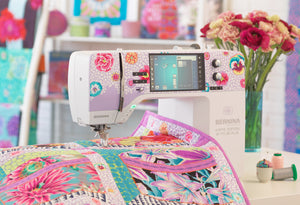
As an authorized BERNINA dealer, we are especially proud to connect quilters with some of the best machines and accessories on the market. BERNINA’s specialized accessories are a perfect example of advanced notions designed to help you achieve incredible precision and creativity.
But just owning a great machine is only the beginning. The real magic happens when you know how to use it to its full potential. We offer expert support to help you find the perfect presser feet, embroidery hoops, and other add-ons that will bring your vision to life.
A new tool is only as good as your ability to use it. Our goal is to empower you with the knowledge to make your BERNINA sing, transforming a great machine into your most trusted creative partner.
Whether you're just getting to know your first BERNINA or you're an expert looking to push its limits, our hands-on guidance makes all the difference.
Learning is always better when we do it together. High Country Quilts is a hub for creativity, offering classes and events that help you master your tools and meet other makers. Our classes cover everything from the basics of your machine to advanced free-motion quilting techniques.
This is your chance to finally learn how to use that specialty ruler you’ve been eyeing or to try a new skill in a supportive, friendly space. You won’t just build your confidence—you’ll become part of a vibrant community that shares your passion.
Come on in, feel the fabrics, test the tools, and let us help you bring your next beautiful project to life.
Even after you’ve built a great stash of tools, questions always seem to pop up. We get it. So, we've gathered some of the most common queries we hear from quilters just like you. Think of this as a quick chat with an experienced friend, here to help you clear up those lingering uncertainties and feel more confident in your sewing room.
Hands down, the most common mistake we see new quilters make is choosing quantity over quality. It usually happens with those big, inexpensive "all-in-one" sewing kits. They look like a fantastic deal, promising everything you need in one box, but the reality is almost always a letdown.
Honestly, those kits are a recipe for frustration. You end up with scissors that chew fabric instead of cutting it, thread so brittle it snaps every few stitches, and rulers with markings so inaccurate your blocks come out crooked. It’s enough to make you want to give up before you’ve even started, and that’s the last thing anyone wants.
A much better way forward is to invest in just a few, high-quality essentials. Start with a solid foundation:
Once you have this strong starting point, you can add other fantastic tools as you grow your skills. We always steer beginners toward foundational pieces that are built to last, because your first quilting projects should be fun and successful, not a struggle.
Picking the right needle is a small step that makes a huge difference in your stitch quality. It all comes down to two things: your fabric and your thread. The golden rule is simple: fine thread and fine fabric need a fine needle.
You’ll notice two numbers on a needle pack (like 80/12). The first is the European size and the second is the American. In both systems, a higher number means a heavier, stronger needle. For most of the quilting you’ll do with standard cottons, a Universal or Quilting needle in size 80/12 or 90/14 will be your best friend.
Don’t forget to change your needle! A good rule of thumb is to swap it out after every 8-10 hours of sewing, or at the start of every new quilt. A fresh, sharp needle is your best defense against skipped stitches, fabric snags, and even damage to your machine.
Here's a quick guide for other materials:
The needle type matters, too. "Quilting" needles are specifically designed with a slightly tapered point to glide through multiple layers smoothly without shredding your fabric or your batting.
In our experience, the answer is a wholehearted yes. While saving a few dollars on a cheaper tool is always tempting, investing in well-made sewing notions and supplies from trusted brands pays you back every single time you use them.
Think about the physical act of quilting. An ergonomic rotary cutter might cost more, but it saves your wrist from aching after a long cutting session. A quality acrylic ruler with a non-slip grip doesn’t just feel better—it prevents those costly slips that can ruin a whole cut of fabric.
Consider these tools an investment in your own creativity. Good notions do their job perfectly, last for years, and make the entire process smoother and more enjoyable. They cut down on frustration, freeing you up to focus on what really matters: bringing your beautiful ideas to life.
This is the number one rule of the sewing room, passed down from one generation of quilters to the next: Never, ever use your good fabric scissors to cut paper.
It seems harmless, right? But paper is full of tiny, abrasive mineral fibers that act like fine sandpaper on the perfectly honed blades of your shears. Just a few cuts through a paper pattern can dull that razor-sharp edge, and a dull pair of scissors will only snag, chew, and fray your precious fabric.
The fix is simple. Every quilter needs two pairs of scissors, no exceptions.
Keeping your tools separate is the mark of an experienced crafter who respects their craft. It’s a simple habit that protects your investment and guarantees crisp, clean cuts for years to come.
Ready to find the perfect tools for your next project? At High Country Quilts, we've curated a collection of the best sewing notions and supplies to help you quilt with confidence. Visit us in-store or online to explore our selection and get expert advice from fellow quilters. Find your next favorite tool at https://hcquilts.com.
At High Country Quilts we care deeply about community. With our experiences in retail, we know that a store is not only a place to shop but also a place for the community to gather and share. During this busy...

Hi! We’re Adam and Renee Wheaton, the new owners of High Country Quilts! For more than 40 years, we’ve owned and operated vacuum and sewing businesses. Following in Renee’s father’s footsteps after he retired from All Discount Vacuum and Sewing in Colorado...


Leave a comment