
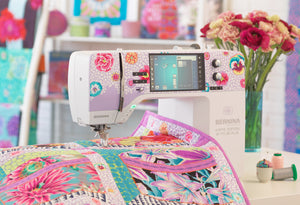

We Love Our Quilting Community
At High Country Quilts we care deeply about community. With our experiences in retail, we know that a store is not only a place to shop but also a place for the community to gather and share. During this busy...


That older sewing machine in the corner usually tells a familiar story. It still runs, at least most of the time, but thick layers drag, stitches get uneven, and every new project starts to feel like a fight instead of a pleasure.
A lot of Colorado sewists reach this point right when their creativity is growing. You want to try better quilting cottons, fuss-free piecing, cleaner topstitching, maybe even a soft pet blanket with faux fur and fleece. But your machine keeps setting the limits.
That's where sewing machine trade-in programs in Colorado become useful. They turn an upgrade into a more manageable decision, and they help you move from “making do” to making projects you're proud to give, use, and enjoy every day.
Trade-ins aren't some unusual one-off offer. They're a normal part of the sewing machine market, especially when a customer is ready to move into a more capable model.
A public example comes from SINGER's sewing machine trade-in program. SINGER says it accepts SINGER, HUSQVARNA VIKING, and PFAFF machines, provides an instant estimate online, and sends a prepaid UPS label for drop-off. The company also says customers can receive their new machine within 3 to 7 business days after dropping off the trade-in. That kind of process shows how modern trade-ins are designed to reduce friction for people who are upgrading.
For Colorado shoppers, that matters because it answers the first big question. Is trading in even a real option? Yes, it is. The details vary by dealer and brand, but the basic idea is straightforward. A shop or company evaluates your machine, checks whether it meets program requirements, and applies value toward an eligible upgrade.
Practical rule: A trade-in is less about getting rid of an old machine and more about opening the door to the projects your current machine makes difficult.
That shift in mindset changes everything. Maybe your older machine struggles with bulky seams, sticky fabrics, or feeding two very different layers evenly. A newer machine with stronger feeding, better stitch control, and accessory options can make a heartfelt project feel approachable.
One of my favorite examples is a faux fur pet blanket. It's warm, useful, and satisfying to sew. It also asks more from your machine than a simple cotton napkin does. If you've been putting off projects like that, an upgrade may be what finally lets you enjoy the process.
If you enjoy discovering creative opportunities around sewing, maker collaborations, and hands-on projects, you can also browse this creative collaboration application resource for inspiration on how hobby skills often lead to bigger creative communities.
A trade-in makes sense when your current machine still has some value, but your sewing goals have outgrown it. That's the sweet spot. You're not waiting until the machine becomes impossible to use, and you're not buying blindly just because a newer model exists.
The strongest reason is simple. A better machine changes what feels possible. Cleaner feeding, steadier stitching, and easier handling of specialty fabrics can remove the little frustrations that wear down your enthusiasm.

Trade-up incentives can be substantial in some parts of the sewing industry. ColDesi's Avancé commercial embroidery machine program advertises a trade-up guarantee that gives users full credit for the original purchase price for up to two years when upgrading to a multi-head machine. In that same market overview, Fact.MR projects the global sewing machine market to grow from USD 3.75 billion in 2025 to USD 5.824 billion by 2035, with a historical growth rate of 3.7% from 2020 to 2024. You can review those details in ColDesi's Avancé embroidery machine overview.
That example comes from commercial embroidery, not a local Colorado quilt shop counter. Still, it illustrates an important idea. In sewing, exchange and upgrade programs are often built around preserving value and reducing hesitation.
Most hobby sewists aren't thinking about “value preservation” in formal terms. They're thinking:
A trade-in helps answer all three.
Instead of storing an older machine that no longer fits your projects, you may be able to put its remaining value toward a machine that handles thicker fabrics, offers more precise stitch options, or supports accessories that make specialty sewing easier. That matters when you want to move into quilting, garment sewing, bags, machine embroidery, or textured projects like faux fur blankets.
Upgrading isn't only a spending decision. It's a capability decision.
There's also the practical side. Fewer workarounds usually means more sewing. When a machine feeds well and responds predictably, beginners stick with projects longer and experienced sewists tackle ideas they may have postponed.
If you're comparing tools, accessories, and sewing-related buying options before making your move, this influencer outreach service page is one more example of how detailed product pages can help you evaluate fit before committing.
You pull an older machine out of the closet because you are ready for a better fit for quilting, minky, or a pet blanket project. Then the questions start. Should you clean it first? Do you need every accessory? Will a dealer even want to look at it?
A trade-in works a lot like bringing in a used car for appraisal. The goal is not to make it look brand new. The goal is to show clearly what it is, how it runs, and what comes with it. That makes the conversation easier for you and for the shop.
Dealer guidance often treats trade-ins as individual evaluations rather than automatic offers. Age, model, condition, and included parts all shape the discussion. You can see that general approach in Select Sewing Service's trade-in program information.
A dealer usually needs to answer two simple questions. Does the machine run as expected, and is it complete enough to evaluate fairly?
That is why presentation matters. A machine with its foot control, power cord, bobbin case, standard feet, and manual is easier to assess than one that arrives with mixed parts from three different brands.
If you still have them, gather:
Small details help. They save time, reduce guesswork, and give the shop a more accurate picture of the machine's value.
A simple cleanup is enough. Brush lint from the bobbin area, wipe away dust, and remove stray thread. Stop there if a deeper cleaning means opening covers or adjusting parts you do not normally service.
Many new sewists worry that signs of use will hurt their chances. Normal wear is expected. Hidden problems are harder to work with than honest wear. If a stitch selector sticks or the light flickers, make a note of it and say so directly.
Sew a few sample lines on scrap fabric. Try the straight stitch, reverse, and zigzag if your machine has it. Check whether the tension looks reasonably balanced and whether the machine feeds fabric without unusual noise or hesitation.
This quick test gives you useful language for the trade-in conversation. Instead of saying, "I think it still works," you can say, "It sews a straight stitch well, but the reverse feels stiff." That is much more helpful.
This step gets overlooked all the time.
Sewing rooms tend to collect feet, bobbins, and attachments the way kitchen drawers collect mystery lids. Before your visit, match what belongs to that machine. A complete, correctly matched set makes evaluation easier and prevents confusion about what is included.
If you are also planning the project that your upgrade will support, fabric research can help you choose a machine with the right feeding power and presser foot options. This guide to cozy blanket materials is a useful reference if your next creative goal is a soft, washable pet blanket.
Shops in Colorado often see machines that have been well used, carefully maintained, or stored for years between projects. All three situations are common. A machine can still be worth discussing even if it is older or shows wear, especially if the condition is easy to understand.
At High Country Quilts, we often tell customers to treat the trade-in visit like bringing in fabric for a class recommendation. The clearer the starting point, the better the advice. Sometimes a tune-up makes sense before trading. Sometimes the better choice is to keep the older machine as a backup and put your budget toward features that will make faux fur, thicker layers, or more precise stitching easier.
A good trade-in prep session does more than support a transaction. It clears the path to your next project, whether that is your first pet blanket or a whole new season of sewing with fewer workarounds and more joy.
Once your machine situation is sorted out, the fun part begins. A pet blanket is a wonderful skill-building project because the fabric choices teach you almost everything about comfort, drape, and sewability.
Faux fur looks beautiful, but it behaves very differently from quilting cotton. It has pile, bulk, and a tendency to shift. The backing fabric matters just as much because it affects warmth, washing, and how the blanket feels in use.

A tiny lap dog and a large active dog don't need the same blanket. Some pets love a lofty, fluffy surface. Others prefer something smoother and cooler.
When beginners shop by appearance alone, they often end up with two fabrics that both stretch, both shed, or both feel heavy together. That can make cutting and stitching harder than it needs to be.
| Fabric Type | Best For | Sewing Difficulty | Care Tip |
|---|---|---|---|
| Short-pile faux fur | Everyday pet blankets, easier handling | Moderate | Shake out loose fibers before sewing and wash gently |
| Long-pile faux fur | Extra plush lounging blankets | Higher | Cut from the back to protect the pile and reduce mess |
| Minky-style plush | Soft, cozy blankets with less bulk than long fur | Moderate | Use clips and avoid stretching while sewing |
| Fleece backing | Durable, stable support layer | Easy | Prewash only if you plan to prewash all layers |
| Flannel backing | Softer, more traditional blanket feel | Easy to moderate | Expect some shrinkage if washed later |
| Quilting cotton backing | Decorative light backing for less bulky projects | Easy | Pair with lower-loft top fabric for better balance |
Here are three combinations I recommend often:
If you want a broader fabric overview before you shop, That Blanket Co. has a useful guide to cozy blanket materials that helps compare softness, warmth, and practical use.
Choose one fabric to be the star and let the other play support. Two difficult fabrics in one project can turn a relaxing sew into a wrestling match.
The most common mistake is buying fabric by touch in the store without thinking about seam bulk. Faux fur can feel dreamy in your hands but become challenging at the corners and opening if the backing is also thick and stretchy.
The second mistake is ignoring cleanup. Some faux furs shed heavily when cut. If you're new to sewing plush fabrics, start with a shorter pile. You'll still get the cozy look, and your sewing table will be easier to manage.
A simple test helps. Drape the two fabrics together over your forearm. If they feel stiff, slippery, or overly heavy as a pair, keep looking.
A good machine shows its value on a project like this. Faux fur likes to creep, backing fabric can stretch or lag behind, and your job is to guide both layers so they finish as one soft, useful blanket your pet will love.
That is part of the appeal of an upgrade, too. A trade-in is not only about replacing old equipment. It can make a heartfelt project feel calmer and more doable, especially when you are sewing something meant for daily naps, crate time, or comfort after a long walk in a Colorado winter. If you want a broader practical guide for pet owners, it can help you decide how warm your finished blanket really needs to be.
The setup starts before the first cut. Clear a wide surface, gather sharp scissors, use a rotary cutter for the backing if you like, and keep a lint roller close by. Clips usually work better than pins because thick plush fabrics can shift or dimple if they are pinned too tightly.

Place the faux fur wrong side up and draw your cutting line on the backing side. Then cut through that backing layer as much as possible instead of slicing straight through the pile. That keeps the edge looking fuller and reduces loose fibers on your table.
Cut the second fabric to match, then let both pieces rest flat for a moment. New sewists often try to force slippery layers into line with their hands. A gentler approach works better. Smooth, check, and square up again before you clip anything together.
For most faux fur pet blankets, I start with a 90/14 needle, polyester thread, and a slightly longer stitch length than I would use for quilting cotton. A walking foot helps feed the layers evenly, which matters when one fabric wants to move faster than the other.
If you are sewing on a newer machine from a dealer such as High Country Quilts, model-specific guidance and accessory support can make setup much simpler. That kind of help matters with plush fabrics because the right foot, needle, and stitch settings solve many problems before they start.
Here is a dependable baseline:
Slow sewing helps here. Faux fur usually rewards patience and steady feeding far more than speed.
A visual walkthrough can help if you like seeing techniques before you sew.
Place the fabrics right sides together, with the faux fur brushed inward as much as possible. Clip around the edges and leave an opening large enough to turn the blanket right side out later. If you are unsure how large that opening should be, make it generous. Turning thick fabrics through a tiny gap feels like trying to pull a sleeping bag through a pillowcase.
As you sew, check every so often that the backing is not creeping ahead of the fur. Guide lightly from both sides without tugging. Let the feed dogs and walking foot handle the movement.
Corners need a calm pace. Stop with the needle down, lift the presser foot, pivot, and continue. If the corner feels bulky, that is normal for this project. You can trim some seam allowance later, but keep enough fabric there to hold up through washing and pet use.
Before turning, trim extra bulk and clip the corners carefully. Reach through the opening and pull the blanket right side out. A blunt point turner helps shape corners without poking through the fabric, which is especially useful on plush materials.
Then decide how you want the finish to look. Hand-stitching the opening gives you a nearly invisible close. Topstitching around the full edge adds structure and helps the layers stay flat after repeat washing. For a pet blanket, I often prefer topstitching because it stands up well to real life.
Finish with a quick check:
If you like clear feature-by-feature comparisons before choosing supplies or tools, this UGC creator platforms guide is a good example of how detailed product pages can make decisions easier.
The last steps matter because a pet blanket has to survive real life. That means paws, washing, dragging across the floor, and long naps in favorite sunny spots.

Skip add-ons that can become hazards. Buttons, beads, bows, and ribbons might look sweet in a photo, but they don't belong on a blanket meant for a pet that chews, paws, or nests aggressively.
Size matters too. Make the blanket large enough for comfort but not so oversized that it bunches dangerously in a crate or carrier. If you're sewing for an older dog or a small breed that gets chilly, it can help to read a broader practical guide for pet owners about when dogs may need extra warmth.
Always check the care guidance for both fabrics before sewing, because the project can only be washed as aggressively as its most delicate layer allows. In general, gentler washing and lower heat help plush fabrics stay soft and prevent rough texture over time.
A few easy habits help:
A simple blanket can still feel personal. You might embroider a pet's name in one corner, use a print that matches home décor, or stitch a small label onto the back edge.
If making this blanket gave you the sewing bug, classes are a natural next step. Learning to handle bulk, specialty feet, and plush fabric finishes in person can save a lot of trial and error. For another example of a detailed platform page that organizes creative options clearly, you can browse this gifting platforms resource.
A machine upgrade can start as a practical decision and end as something much bigger. You clear out an older machine, move into equipment that matches your current skills, and suddenly the projects you used to postpone become realistic weekend makes.
That's the value behind searching for sewing machine trade-in programs in Colorado. You aren't only looking for a transaction. You're looking for momentum.
As an authorized BERNINA dealer in Colorado Springs, High Country Quilts offers sewing machines, accessories, fabric, and in-person learning opportunities for people who want more confidence with their tools. For sewists who learn best by doing, classes and hands-on support often make an upgrade feel far less intimidating.
If you like learning through guided resources before you visit a shop, this online course page is another example of how structured education can make a new skill set feel more approachable.
If you're ready to explore your upgrade options, get help choosing a machine, or find supplies for your next cozy project, visit High Country Quilts. A good trade-in conversation can lead to a machine that fits your goals, and a simple pet blanket can be the first project in a whole new creative season.
At High Country Quilts we care deeply about community. With our experiences in retail, we know that a store is not only a place to shop but also a place for the community to gather and share. During this busy...

Hi! We’re Adam and Renee Wheaton, the new owners of High Country Quilts! For more than 40 years, we’ve owned and operated vacuum and sewing businesses. Following in Renee’s father’s footsteps after he retired from All Discount Vacuum and Sewing in Colorado...


Leave a comment