

We Love Our Quilting Community
At High Country Quilts we care deeply about community. With our experiences in retail, we know that a store is not only a place to shop but also a place for the community to gather and share. During this busy...


You sit down with a half-finished quilt block, press the foot pedal, and the machine answers with a clunk, a knot of thread under the fabric, or a line of skipped stitches. That moment is frustrating because the problem feels bigger than it usually is. A sewing machine can sound dramatic even when the fix is simple.
Most machines give warnings before they fully quit. The thread starts fraying. The bobbin area sounds rough. The stitch line wanders. Fabric stops feeding smoothly. Those signs matter, and if you can read them early, you can often avoid turning a small issue into a repair ticket.
That’s the practical value of learning basic Sewing machine repair Colorado Springs triage. Not every problem deserves a screwdriver. Not every noise means the machine is dying. Some issues belong on your worktable with a fresh needle, a lint brush, and a few minutes of attention. Others need a technician with the right tools, the right parts, and the experience to know when one adjustment affects three other systems.
A machine rarely “just breaks.” It usually starts complaining in a language sewists know well. A stitch skips every few inches. The thread nests under the needle plate. The handwheel feels heavier than normal. The motor runs, but the machine doesn’t sound happy doing it.
Those symptoms tell you where to look first. A sharp popping sound often points to needle trouble. A bird’s nest under the fabric usually sends me straight to the upper threading path before I blame the bobbin. A machine that sews fine on cotton but fights denim or batting may be dealing with the wrong needle, poor thread choice, or old lint packed into the hook area.
Here’s the fast read I use at the counter when someone describes a machine problem:
| Symptom | Most likely first check | Common cause |
|---|---|---|
| Skipped stitches | Needle | Bent, dull, or wrong type |
| Thread bunching underneath | Upper threading | Missed take-up lever or tension path |
| Loud clunking | Bobbin area | Lint, stray thread, or jam |
| Thread snapping | Needle, thread path, speed | Burr, tension issue, or thread mismatch |
| Fabric not feeding | Feed dogs and presser foot setup | Feed dogs lowered or pressure mismatch |
A machine doesn’t need sympathy. It needs observation.
Practical rule: Start with the part that touches thread and fabric first. Needle, thread path, bobbin area, then settings. Leave internal adjustments for last.
That approach saves time because the obvious failures are often exactly what they appear to be. It also keeps you from loosening screws that were never the problem in the first place.
You sit down to sew a quick seam, press the pedal, and the machine answers with loops underneath, skipped stitches, or thread that snaps for no obvious reason. In the shop, that is usually a triage problem, not a major repair.

A good ten-minute check can save you a service trip. It can also tell you when to stop experimenting and bring the machine to High Country Quilts for a proper diagnosis.
If the machine is skipping stitches, punching the fabric, clicking, or fraying thread, replace the needle before touching any dials. This is the fastest test I know because needles fail constantly and often fail subtly. A needle can be dull, slightly bent, or the wrong type for the fabric and still look fine at a glance.
Match the needle to the job. Universal works for many woven fabrics. Ballpoint is better for knits. Topstitch needles help heavier thread pass more cleanly. Install the needle all the way up and make sure the flat side faces the correct direction for your machine.
Partial fixes waste time. Cut the thread and thread the machine again from the beginning, with the presser foot raised so the tension discs are open.
A few threading misses cause a large share of the problems people call “machine trouble”:
This step is boring. It also fixes a lot.
Take out the bobbin. Remove the needle plate if your model allows it. Brush out lint, clipped threads, and fuzz packed around the hook race. If you find thread wrapped tightly in the area, pull it out gently instead of forcing the handwheel.
Skip canned air. It usually drives lint deeper into the machine where you cannot reach it.
Machines that sew batting, fleece, flannel, minky, or heavy cotton blends need this check more often than owners expect. If the machine ran well on the last project and suddenly sounds rough on the next one, lint and stray thread are still high on the suspect list.
If a symptom changes after a new needle, a full rethread, or a basic cleaning, you are probably dealing with setup or maintenance, not an internal failure.
Our local conditions do affect stitch quality. Dry air, linty fabrics, and thread that behaves fine in one room but not another can make a machine feel “off” even when nothing is broken.
The practical test is simple. Slow down and sew on scrap first. If thread snapping continues, switch to a smoother, finer thread and test again before assuming the machine needs repair. That quick comparison helps separate a material problem from a mechanical one.
That is the kind of triage we walk customers through at High Country Quilts every week. If a slower speed and better thread solve the issue, you are back to sewing. If the symptom stays exactly the same, you have learned something useful before the machine ever reaches the bench.
A quick visual refresher can help before you test again:
Run these checks in order:
If the symptom does not change after those steps, stop adjusting random screws and stop forcing the machine through fabric. At that point, the problem has moved past basic home triage and needs a technician’s eyes.
You finish threading, line up a test seam, press the pedal, and the machine answers with a grind, a hard clunk, or a handwheel that suddenly fights you. That is the point to stop sewing, not the point to push harder and hope it clears itself.
A machine that binds, freezes, smells hot, or keeps skipping stitches after the quick home checks has moved out of DIY territory. The risk is not just poor stitch quality. Continued use can turn a jam or alignment problem into a damaged hook, bent needle bar, worn race, or stripped gear.

Skipped stitches get blamed on tension all the time. Sometimes that is correct. A lot of the time, especially when the symptom stays the same after a new needle, correct threading, and a clean bobbin area, the issue is deeper in the machine.
The usual suspects are hook timing, needle bar height, hook-to-needle clearance, or wear in parts that control stitch formation. Those are measurement jobs. They are not guess-and-test jobs.
Online videos make timing adjustment look simple because the camera only shows one screw and one alignment point. On the bench, the trade-off is control versus damage. A tiny change in hook position can improve stitch pickup in one fabric and make the machine strike needles, shred thread, or miss stitches in another. Overtightening one fastener or setting a part slightly off can create a second problem that was not there when you started.
Bring it in when the symptom is consistent and mechanical, not occasional and material-related.
One more practical rule matters here. If the machine got louder, tighter, or rougher after a home adjustment, stop adjusting it.
At High Country Quilts, that is often the moment we can still save a customer time and parts cost. Early service usually means a cleaner repair path. Continued sewing after a hard bind usually means more to correct, more to test, and sometimes more parts to replace.
Your machine may only need a cleaning, a new needle, or a tension correction. It may also need bench work that calls for brand-specific adjustment, electrical testing, or parts fitting. The right repair shop should help you sort those two paths quickly instead of treating every problem like a full teardown.
That matters in Colorado Springs, where owners usually have a short list of places to call and not much room for a bad first choice.

A good shop should answer plain questions with plain answers. If you hear vague language, no clear process, or a promise to "see what happens," keep asking.
Start with these:
One practical question gets overlooked. Ask how the shop separates a simple service issue from a true repair issue. That tells you a lot about how they think.
The difference shows up fast once the problem moves past lint, needles, and basic cleaning.
| If you need | Generalist may handle | Specialist is a better fit |
|---|---|---|
| Routine cleaning | Yes | Yes |
| Jam cleanup after a thread nest | Yes | Yes |
| Brand-specific adjustments | Sometimes | Usually |
| Timing or feed synchronization | Less ideal | Better choice |
| Electronic or sensor-related diagnosis | Less ideal | Better choice |
A general repair counter can be fine for straightforward service on a common machine. A specialist is the safer choice when the machine is higher-end, older, computerized, or behaving differently across fabrics and stitch types. Those cases take more than basic mechanical familiarity. They take pattern recognition from seeing the same models repeatedly on the bench.
For BERNINA owners, that experience matters even more. Cleaning a hook area is one task. Diagnosing how a specific model reacts to timing, feed balance, or a control issue is another.
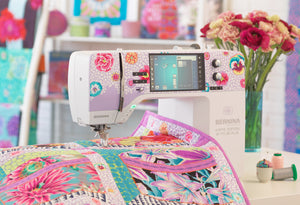
High Country Quilts is one local option for owners who want authorized BERNINA support and repair service from a shop that works with sewing and quilting machines every day.
You should leave a machine with a shop that explains what they found, what they recommend, and what can wait.
That kind of clarity helps with triage before the machine ever reaches the bench. It also saves money, because owners can make a smarter call on whether the issue is a quick fix, a worthwhile repair, or a sign that the machine needs more involved service.
You drop off a machine because it skipped stitches all weekend. What you want next is a clear diagnosis, a realistic timeline, and a machine that has been sewn on before it goes back in the car.

Bring the machine, power cord, and foot control. If the problem shows up only with a certain presser foot, embroidery unit, bobbin case, thread, or fabric, bring that too.
That saves bench time. A technician can test the machine under the same conditions that caused the trouble at home, which is often the fastest way to separate operator setup from a mechanical fault.
A note helps too. “Birdnesting with navy thread on quilt cotton after I changed the needle” is far more useful than “acting weird.”
Good repair work starts with triage. Some machines come in with one obvious issue. Others have two or three problems stacked on top of each other, and fixing the wrong one first wastes time and money.
At High Country Quilts, the intake process should narrow the problem before anyone starts adjusting parts. The complaint gets tested, the machine is inspected for visible damage or missing pieces, and the technician checks whether the problem is repeatable. If it is, the next step is figuring out what kind of problem it is. Lint and thread packed into the hook area call for one approach. Timing, feed, sensor, or motor issues call for another.
A typical bench flow looks like this:
That order matters. A machine can sound fine by hand and still fail under thread tension at sewing speed.
Done means the original complaint has been addressed and verified. The machine should sew a balanced stitch, feed fabric consistently, and return with any limits explained plainly.
Sometimes the diagnosis leads to a trade-off. A repair may make perfect sense on a quality machine with years of life left in it. On an older or heavily worn machine, the smarter call may be to stop after the estimate and put that money toward a replacement that better fits the work you do now. A good shop says that directly.
The handoff should also include practical guidance. Use this bobbin style. Replace that scarred needle plate soon. Avoid that damaged foot. Clean this area more often between projects. Those details help you tell the difference between normal upkeep and a problem that needs a technician.
A machine that stitched well last month usually does not fail out of nowhere. In the shop, many repair visits trace back to a few preventable habits: sewing on a dull needle, letting lint pack into the hook area, using the wrong bobbin, or forcing the machine after a jam.
Good home care starts with triage. The goal is not to turn every owner into a technician. The goal is to catch the simple problems early, fix what is safe to fix, and recognize when to stop before wear turns into damage.
Use a short routine you will keep up with:
These steps are simple, but they work.
They also help you separate a maintenance issue from a repair issue. If a machine still skips stitches after a new needle, careful rethreading, and basic cleaning, the problem may be beyond routine care.
Some owner habits prevent service calls. Others create them.
| Works | Doesn’t work |
|---|---|
| Brushing out lint gently | Blowing lint deeper into the machine with canned air |
| Matching needle type and size to the fabric | Using one worn universal needle for every project |
| Testing stitch quality on scrap | Changing tension in the middle of a real seam without checking the basics |
| Stopping after a jam and clearing thread completely | Forcing the handwheel to push through resistance |
One trade-off matters here. Frequent cleaning and needle changes cost a little time up front, but they are cheaper than a scarred bobbin case, a bent hook, or timing knocked out by force.
Owner maintenance covers cleaning, needle replacement, correct threading, and checking consumable parts.
Internal adjustment is different. Timing, motor issues, feed synchronization, unusual noise, electrical faults, and binding inside the machine belong on a technician’s bench. That line matters. A careful owner can prevent a lot of problems, but a screwdriver in the wrong place can create a larger repair than the original complaint.
At High Country Quilts, we want customers to handle the safe basics with confidence. We also want them to know when local service is the smarter call. That is how you protect the machine and keep sewing with fewer interruptions.
A misbehaving machine can ruin a sewing session fast, but it doesn’t have to stall your project for long. Start with triage. Change the needle. Rethread carefully. Clean the bobbin area. In Colorado Springs, slow the machine down and consider finer thread if altitude-related thread snapping is part of the problem.
If the symptoms point to timing, electrical trouble, or internal binding, stop before DIY turns expensive. That’s the dividing line that matters. Quick fixes belong at home. Precision repairs belong on a technician’s bench.
The point of good sewing machine repair Colorado Springs advice isn’t to make every owner into a mechanic. It’s to help you make the right call sooner, protect your machine, and get back to sewing with less frustration. When the machine runs properly, your attention goes back where it belongs. Fabric choice, seam accuracy, quilting lines, and the fun part of the work.
If your machine is skipping stitches, tangling thread, or not sewing the way it should, schedule service or contact High Country Quilts for local repair support, machine help, and next-step guidance in Colorado Springs.
At High Country Quilts we care deeply about community. With our experiences in retail, we know that a store is not only a place to shop but also a place for the community to gather and share. During this busy...

Hi! We’re Adam and Renee Wheaton, the new owners of High Country Quilts! For more than 40 years, we’ve owned and operated vacuum and sewing businesses. Following in Renee’s father’s footsteps after he retired from All Discount Vacuum and Sewing in Colorado...


Leave a comment