
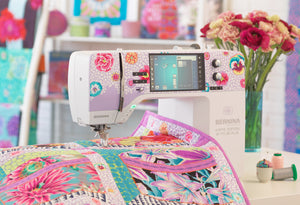

We Love Our Quilting Community
At High Country Quilts we care deeply about community. With our experiences in retail, we know that a store is not only a place to shop but also a place for the community to gather and share. During this busy...


You're ready for a satisfying weekend sew. The fabric is on the table, the weather finally matches the cozy project in your head, and then the question shows up: is my machine ready for this?
That is the core meaning behind a search for sewing machine maintenance near me. Many sewers aren't looking for a lecture on repair categories. They want to know if their machine will behave when it matters, and what they can do at home before they haul it into a shop.
A lot of local pages miss that. They list services, brands, and certifications, but they rarely explain how routine at-home care can reduce unnecessary tune-ups or help you catch trouble early. That gap is exactly why practical guidance matters, especially for BERNINA owners who want to keep sewing smoothly between service visits, as noted in this review of local sewing machine repair content gaps.
A faux fur aviator hat is a perfect test drive. It asks your machine to handle bulk, shifting layers, lint, curved seams, and visible topstitching. If your stitches stay balanced and your feeding stays even, you can trust the machine a lot more on future projects. If something feels off, the project will reveal it fast.
A simple cotton tote won't tell you much. Faux fur will.
This kind of project exposes the small machine issues that people often ignore until they become frustrating. Slight tension drift. Uneven feeding. A dull needle that punches instead of pierces. Lint building up where it shouldn't. Those problems often stay hidden on easy fabrics and show up the minute the project gets plush, bulky, or slippery.
When I set up a machine for faux fur, I pay attention to a few things immediately:
If your machine handles those well, you're probably in good shape.
Practical rule: The best maintenance check isn't staring at the machine. It's sewing something that asks the machine to do real work.
An aviator hat looks impressive without demanding couture-level fitting. You get to practice useful skills, but the shape is forgiving enough that beginners can still enjoy the process. The seams are short, the pieces are manageable, and the result feels like a real winter accessory instead of a practice sample.
It also makes you sew at a healthier pace. Faux fur doesn't reward rushing. You slow down, test your stitch quality, clean up lint as you go, and notice what your machine is telling you.
That's the part many repair pages skip. Good maintenance isn't only what happens on a technician's bench. It's also the set of habits that help you catch problems before they interrupt your project.
A few trade-offs matter here.
What works
What doesn't
If you've been searching for sewing machine maintenance near me because you're not fully sure your machine is behaving, this project gives you answers. Better yet, it gives you answers while you make something fun.
A faux fur aviator hat can make a healthy machine look excellent and a fussy machine show its habits fast. Before you cut a single piece, set yourself up with materials that feed predictably, trim cleanly, and do not add avoidable bulk. That gives you a fair read on whether your machine needs a quick adjustment, a cleaning, or professional service.

Start with an outer fabric that has some drape in the backing. Faux fur with a stiff base can make a simple hat feel clumsy at the machine, especially around curved seams and ear flaps. A medium pile is usually easier to control than a very long, shaggy pile, and it still gives you that classic aviator look.
For the lining, choose comfort first, then handling. Flannel is a smart pick for a first hat because it stays put, presses neatly, and behaves well under the presser foot. Minky feels wonderfully soft, but it can slide against itself and against fur, so it asks more of your setup and your feeding system.
If your outer fabric feels limp, add only a light support layer. Too much structure makes the hat feel bulky and hides whether the machine is feeding well or just forcing thick layers through.
A lot of machine complaints start with poor supplies. I see this often. A dull needle, bargain thread, or the wrong cutting tool can mimic a machine problem and send people hunting for repairs they may not need yet.
Keep these on the table before you begin:
Keep the first version simple. You do not need rare materials or a large cut of fabric to get a handsome result. In fact, simpler choices make this project a better machine check because you remove variables that can hide the source of trouble.
Mid-tone fur colors are forgiving. So are brushed or plaid linings. They disguise tiny handling mistakes better than stark solids and let you focus on stitch quality, feeding, and finish.
Buy your lining for comfort. Choose your faux fur for manageable seam bulk.
Before sewing, place the fabrics together on the table and judge them as a pair. A thick, dramatic fur usually looks better with a calm lining. A shorter pile fur can handle a lining with more personality. This little check saves you from a hat that feels unbalanced in both weight and style.
First-time faux fur sewists usually run into the same few problems:
If you want the outside of the hat to carry the look, choose a fur with plush texture and a cooperative backing, then keep the supporting materials straightforward. That combination gives you a project that looks polished and tells you something useful about your machine at the same time.
The fit of an aviator hat depends less on complicated patternmaking than on clean proportions. If the crown is too shallow, the hat perches instead of hugs. If the ear flaps are too narrow, the shape looks timid. If the faux fur is cut carelessly, even a good pattern starts looking rough around the edges.
Measure around the fullest part of the head where the hat will sit. Then decide how you want it to wear. Snug and wind-blocking feels different from loose and slouchy.
A simple aviator hat usually needs these main pieces:
If you're drafting from scratch, sketch the crown first and keep the shapes balanced. The goal isn't mathematical perfection. The goal is symmetry and enough depth that the hat sits low enough to look intentional.
Never cut faux fur the way you cut quilting cotton.
Lay the pattern on the backing side of the fabric. Mark carefully, keep the fur pile direction consistent across all pieces, and cut only through the backing with a craft knife or precision blade. That preserves the length of the fur and avoids the blunt chopped edge that scissors create.
Here's the difference in practice:
| Method | Result |
|---|---|
| Cutting through the pile with scissors | Heavy shedding, blunt edges, messy seams |
| Cutting the backing only with a craft knife | Cleaner edges, less visible damage to the pile, easier seam blending |
This one step makes a homemade hat look far more refined.
Cut slow enough that you control the backing layer only. If fur fibers are flying everywhere, you're cutting too aggressively.
Faux fur has direction. Run your hand across it and you'll feel it immediately. One way feels smooth, the other pushes back.
That direction must stay consistent on every visible outer piece. If one ear flap runs opposite the crown, the finished hat will look mismatched even if the sewing is accurate.
Use a quick checklist before you cut:
The lining is much more straightforward. Use regular shears or a rotary cutter if your fabric allows it. Flannel behaves nicely here because it stays put while you align curves and notch placements.
A few habits help the final finish:
Some shortcuts are fine. Some create trouble you'll feel later at the machine.
Good shortcut: Trace and cut one test set from inexpensive fabric or lining material if you're unsure about scale.
Bad shortcut: Eyeing the ear flaps and hoping they'll match after sewing.
Good shortcut: Trim surrounding excess fur from seam edges after cutting, especially if the pile is dense.
Bad shortcut: Trimming the fur too close to the visible outer edge, which can leave bald-looking borders once the hat is turned.
Stack your cut pieces in sewing order before you sit down at the machine. Put the outer crown together, the outer ear flaps together, and the lining pieces in their own stack. This sounds simple, but it keeps you from mixing mirrored pieces or feeding the wrong layer orientation under the foot.
If the pieces look balanced on the table, the sewing usually goes much more smoothly. If they look confusing now, they'll only get more confusing once the fur starts hiding your markings.
A faux fur aviator hat is a very honest machine test. If a BERNINA is slightly out of tune, this project will show it fast through creeping layers, skipped stitches, uneven feeding, or tension that looks fine on cotton and falls apart in bulk.
That is why I like this project as a maintenance checkpoint, not just a weekend make. Before you commit to the actual pieces, set the machine so it can handle loft, drag, and curve work without a fight.
Start with the basics that affect stitch quality. Put in a fresh needle. Rethread the machine with the presser foot raised so the thread seats correctly. Clean the bobbin area if there is visible lint. Then sew on scraps that match your outer fabric and lining together, because faux fur tells the truth about your setup much faster than plain woven cotton does.
For this project, I'd set up a BERNINA like this:
| Setting | Recommendation | Reasoning |
|---|---|---|
| Needle | Jeans 90/14 | Holds steadier through layered sections and bulky joins |
| Thread | All-purpose polyester | Handles stress well when the hat is turned and shaped |
| Stitch length | 3.5 to 4.0 mm | Keeps stitches from getting buried in the pile |
| Presser foot | Walking Foot #50 | Helps the layers feed at the same rate |
| Presser foot pressure | Slightly reduced if your machine allows it | Helps thick fabrics move without dragging |
| Speed | Moderate | Gives better control around curves and crown intersections |
Machines with good stitch control make this kind of project easier. At High Country Quilts, this is the sort of setup conversation we have all the time with BERNINA owners who want better results before they assume something is wrong with the machine.
Faux fur and lining do not feed the same way. The fur has loft and drag. The lining usually slides more easily. A walking foot helps both layers travel together, which keeps the seam length accurate and saves you from easing in extra fabric at the end.
Can this hat be sewn without one? Sometimes, yes. You can compensate with clips, slower sewing, and careful hand support. But the trade-off is time, and the margin for error gets smaller, especially on curved seams where one shifted layer can change the fit.
Use two different thread colors for your test seam if you want a quick, clear read on tension. Sew through the actual project stack, not a random folded scrap, and then inspect both sides.
A good test seam looks quiet. The top thread stays on top. The bobbin thread stays underneath. The seam lies flat, and the stitches look even rather than pulled or pebbled. If the bobbin color is popping onto the right side or the top thread is looping underneath, fix that now while you are still on scraps.
The guidance on tension calibration and stitch testing is useful here, especially the reminder to test on a realistic sample and look closely at where each thread is landing.
One practical tip I give often. Listen to the machine while you test. A healthy BERNINA usually sounds consistent on this job. If the sound changes sharply at every bulky spot, the machine may be struggling with the setup rather than the project itself.
BERNINA models are not all maintained the same way. Some are designed for user oiling in specific places. Others need professional service rather than casual at-home oiling. The right move is simple. Follow the manual for your exact model and use only sewing machine oil where the machine is designed to receive it.
Over-oiling creates its own mess, especially around lint-heavy fabrics like faux fur. If you are not sure whether your machine should be oiled before a project like this, pause and verify before adding anything.
Before sewing the hat, confirm these five points:
If those five are in place, you can start this project with confidence. If one is off, the hat has already done its job by showing you where your machine needs attention before the frustrating part begins.
A faux fur aviator hat is a very honest project. If your machine is feeding well, holding tension, and staying clear of lint buildup, the sewing feels controlled. If something is off, this is usually the stage where it shows up.

Build the outer crown first. Match the faux fur pieces right sides together and line up notches and top points carefully. Use clips instead of pins. Pins disappear into the pile, and that usually leads to shifted edges and crooked crown seams.
Sew one seam at a time. Before each pass, sweep the fur away from the seam allowance with an awl, stiletto, or your fingers so you are stitching fabric, not a wad of trapped pile. The seam will sit flatter, and the fur will cover the join better after turning.
Finger-press each seam open as much as the backing allows. A seam roller helps. Heat usually does very little on faux fur, and too much can damage the pile.
The crown point needs patience. As the seams meet, slow down and support the layers on both sides of the foot so the machine does not tip on the buildup.
Trim only what is necessary. I usually remove extra bulk in narrow wedges around the intersection rather than hacking the whole area down at once. That keeps the top rounded instead of creating a thin, weak spot.
The ear flaps are where curved stitching and layered bulk start working together. They are also one of the easiest places to spot a feeding problem, because uneven feeding shows up fast on a mirrored pair.
Sew the outer flap pieces first, then repeat the same order for the lining. If your pattern includes tabs or strap extensions, baste them in place before the outer and lining are joined. Keep your seam allowances under control by trimming in stages. One layer can stay slightly wider than the next.
Use this order for cleaner results:
A lumpy curved seam usually comes from excess bulk inside the turn, not from the machine.
After the crown is together, attach the lower side sections or brim pieces according to your pattern. Check left and right placement every time you add a piece. Faux fur hides small mismatches until the hat is nearly done, and then correcting an uneven ear flap becomes a chore.
Clips help keep the pile out of the seam line and make the stitching path easier to see. Sew a few inches, stop, and pull trapped fur fibers free from the seam with a blunt needle or bodkin. That small step makes the finished seam look full instead of pinched.
The lining should feel simpler. It is the structure that makes the hat comfortable and keeps the outer layer sitting correctly.
Assemble the lining crown and side pieces in the same order as the outer hat, but leave the turning opening your pattern calls for. Flannel or another stable lining fabric is forgiving here. It lets you focus on matching points and keeping the shape true.
A good lining does three jobs:
| Lining detail | Why it matters |
|---|---|
| Smooth crown seams | The hat sits comfortably against the head |
| Even matching points | The outer and lining layers join without twisting |
| Controlled seam allowance | The edge turns neatly and keeps its shape |
Place the outer hat and lining right sides together. Match center front, center back, side seams, and ear flaps before clipping the perimeter. If one area looks forced, unclip and reset it now. The hat should fit together naturally before you stitch.
Sew the joining seam at a steady pace. Keep your hands close to the foot and guide the layers every few inches so the faux fur does not creep against the lining. After sewing, trim and grade where the seam feels heavy, then turn the hat right side out through the opening.
Work the edges gently with your fingers. Rounded edges look better on this project than sharp, overworked ones.
By this point, the hat has already tested your machine in a useful way. You have sewn curves, bulk, and lint-heavy fabric. If the stitch quality changes after the outer shell is done, stop and clean before sewing the final perimeter or any visible topstitching.
Faux fur drops lint into the bobbin area quickly. Brush out the feed dogs, remove loose fibers around the bobbin case if your model allows it, and rethread if the stitching started to look uneven. At High Country Quilts, this is one of the most common mid-project fixes we suggest because it solves many “sudden” problems before they turn into skipped stitches or dragged seams.
After turning, pull the fur out of the seams with a pin or awl so the edges look full. Then decide whether topstitching helps. Some faux fur and lining combinations hold their edge beautifully without it. Others benefit from a single row of stitching to keep the seam from rolling.
If you topstitch, lengthen the stitch slightly and sew slowly enough to keep the line even. Plush fabrics show wandering topstitching more than many sewists expect.
A finished hat should feel soft, balanced, and easy to wear. It should also tell you something useful about your machine. If the layers fed evenly, the tension stayed balanced, and a quick cleanup kept everything running well, your machine passed a very practical test.
A hat like this earns its final polish in the last ten minutes. Good finishing makes it look intentional, but it also gives you one more read on your machine. If the top edge stays smooth, the closures sit evenly, and the last seams stitch as cleanly as the first, that is a strong sign your setup held through a demanding project.

Choose one closure and keep it comfortable. Faux fur already adds bulk, so heavy hardware can make the ear flaps swing awkwardly or pull the hat off balance.
These finishes work well:
Test placement before you commit. Put the hat on, fold the flaps down, and mark both sides with pins or chalk. If one flap sits lower, fix that now. Hardware rarely hides uneven construction.
Before you put the machine away, run one small test on a scrap or on the trimmed seam allowance you saved. I like this step because it separates project mess from machine trouble. If the stitch forms cleanly after the hat is done, the machine likely handled the fur just fine. If it still sounds strained, skips, or feeds unevenly, the project did its job as a diagnostic tool.
Post-project care should be simple and specific:
One caution from the bench. Faux fur can hide a tired needle and a dirty hook area longer than quilting cotton will. The machine may finish the hat and still be asking for attention.
Routine home care handles the basics well. Persistent tension drift, knocking sounds, inconsistent feeding, or trouble that returns right after cleaning usually points to service time. That matters even more on a BERNINA, where precise hook timing and clean stitch formation are part of what makes the machine such a pleasure to sew on.
At High Country Quilts, we treat projects like this as useful evidence. A faux fur aviator hat asks a lot from a machine. Curves, loft, lint, and bulky joins reveal small issues quickly. Bring those observations with you if you need service. Knowing whether the trouble showed up on topstitching, tight curves, or thick intersections helps narrow the cause much faster.
If you run a local sewing or repair business and want to improve local search rankings, clear service pages and location signals matter. For sewists, the practical version is even simpler. Keep notes on how your machine behaved during real projects, and act on small warning signs before they become expensive ones.
Yes, as long as the machine is in solid working order and can handle bulky layers at a controlled speed. A walking foot helps on many brands, not only BERNINA. The bigger issue is condition, not logo. Clean thread paths, a fresh needle, and careful sample stitching matter more than brand prestige.
Not always, but it's one of the most helpful tools for faux fur. If you don't have one, reduce speed, use more clips, and test carefully on scraps. Some machines handle the layers well with a standard foot, but uneven feeding becomes more likely.
Treat it gently. Spot cleaning is usually the safest first move, especially around the lining edge and ear flaps. If deeper cleaning is needed, test your fabric first and avoid rough agitation that can mat the pile.
Check the needle, thread path, and lint buildup. Faux fur sheds quickly and can interfere with smooth stitch formation. Then sew another scrap test using the exact same layer stack as the hat.
For machine choice, in-person support is still the easiest way to compare feel, sound, and features. If you run a local sewing, quilting, or repair business and want better online visibility, this guide on how to improve local search rankings is a useful starting point.
Stop when the same problem keeps returning after basic cleanup, rethreading, and a fresh needle. Repeated tension issues, inconsistent feeding, or sounds that don't match the machine's normal rhythm usually deserve a closer look from a technician.
If your faux fur hat turned out beautifully, or your machine revealed that it needs a little attention first, High Country Quilts is a smart next stop for fabric, notions, BERNINA guidance, and local machine support that helps you keep sewing with confidence.
At High Country Quilts we care deeply about community. With our experiences in retail, we know that a store is not only a place to shop but also a place for the community to gather and share. During this busy...

Hi! We’re Adam and Renee Wheaton, the new owners of High Country Quilts! For more than 40 years, we’ve owned and operated vacuum and sewing businesses. Following in Renee’s father’s footsteps after he retired from All Discount Vacuum and Sewing in Colorado...


Leave a comment