

We Love Our Quilting Community
At High Country Quilts we care deeply about community. With our experiences in retail, we know that a store is not only a place to shop but also a place for the community to gather and share. During this busy...


You've probably done this already. You've looked at a retreat listing, felt that little jolt of excitement, then immediately thought, “That sounds amazing, but how do I pull this off without overpacking, overspending, or showing up with the wrong project?”
That is the main question behind Quilting retreats Colorado 2026. Not just where they are, but which one fits your goals, how much prep you need, what to bring, and how to travel without turning your sewing room into checked baggage.
I'm going to give you the advice I give customers in the shop every season. Pick the right retreat format first. Prep your project harder than you think you need to. Pack for sewing efficiency, not fantasy sewing. And if you're traveling into Colorado, plan the logistics early so the trip feels fun instead of stressful.
You book a retreat, fly into Colorado, and for once the trip is built around real sewing time instead of squeezing a class into a vacation. That is why Colorado deserves a serious look for 2026. The state gives you enough range to choose a retreat that fits the way you quilt, whether you want instruction, open sewing, or a full destination experience.

Several multi-day events are already on the calendar or expected for spring and summer 2026. The Alegre Retreat at Gateway Canyons Resort is scheduled for April 26 to May 1, 2026 and includes five days of instruction. Colorado also has destination retreats in the Denver area and instructor-led options in smaller towns, which gives out-of-state quilters more than one workable way to plan the trip.
That range is the key advantage. You are not trying to force your goals into the only retreat you can find. You can choose a format that matches the kind of progress you want to make, then build your travel and project prep around it.
A retreat should give you enough time to settle into your machine, spread out your project, and get past the first-day fussing with fabric and tools. Colorado does that well because the settings vary. Some retreats feel like a full mountain getaway. Some are easier for city access and simpler flight planning. Some land in smaller creative towns where the pace is quieter and the distractions are fewer.
That practical variety makes a difference, especially if you are coming from out of state.
A first retreat goes better when the destination works with your energy level, not against it. If you want a true reset, pick a scenic venue and stay on site. If you want easier transportation, look for a retreat closer to Denver and keep the travel simple. If you want teaching plus focused sewing, Colorado has enough established programming to support that choice.
A good retreat gives you time to learn, time to sew, and enough breathing room to enjoy the work again.
If you are still figuring out whether a multi-day retreat is worth the planning, test your habits before you go. Come into the shop, take a class, and pay attention to how you sew around other people. Do you like conversation while you work? Do you spread out across two tables? Do you need a firm project plan to stay focused? Those answers will save you money and frustration later.
Colorado stands out for three practical reasons:
That last point gets overlooked. A beautiful retreat is not enough. You need a retreat you can reach without a tangled travel day, a suitcase full of duplicates, or altitude catching you off guard.
Colorado gives you scenery, yes. More important, it gives you choices. And for 2026, that is exactly what you want.
You book four days away, load the car with fabric, and picture steady progress. Then you arrive and realize you picked the wrong kind of retreat. The teacher-led schedule leaves almost no open sewing time, or the budget retreat expects you to manage every meal, tool, and project decision yourself. That mistake is common, and it is expensive.
Choose your retreat by outcome first. Price matters. Dates matter. Your goal matters more.
If you want to learn, pay for instruction. If you want long stretches at the machine, choose open sew. If you want a first retreat that feels easy to manage, pick one with clear scheduling, meals, and a staff-led structure. Colorado gives you all three formats, which is great for choice and bad for anyone who books on impulse.

A structured retreat works well for quilters who want feedback, demonstrations, and a project taught in sequence. The Estelle Center Jamie Kalvestran retreat is a good example of that format. It includes a meet-and-greet, five days of instruction, light breakfast items, three lunches, and two dinners in the registration fee. It also spells out the payment plan clearly, with a deposit up front and the remaining balance due 60 days before the retreat. If the 2026 schedule follows the dates currently posted, balances would be due around May 20, 2026 for the July 20 to 24 session and May 27, 2026 for the July 27 to 31 session.
A no-frills guild retreat serves a different quilter. You usually get table space, time to sew, and a lower entry cost. You usually do not get much teaching, built-in hospitality, or hand-holding. That format is excellent for a confident quilter with a well-prepped project. It is a poor fit for someone who still needs help choosing fabric, reading a pattern, or setting a realistic sewing plan for the weekend.
Use this table the same way I use it at the shop. Be honest, not aspirational.
| Your main goal | Best retreat format | What to watch for |
|---|---|---|
| Learn a new skill | Instructor-led retreat | Confirm the project level, supply list, and how much teaching time you actually get |
| Finish a large project | Open-sew or productivity retreat | Check for long sewing blocks, table space, and whether pressing stations get crowded |
| Travel and socialize | Destination retreat with meals or events included | Make sure there is still enough work time if you want real progress |
| Try your first retreat without overcommitting | Short guild retreat | Expect to handle more on your own, from meals to project setup |
Here is my blunt advice. First-time retreat guests usually do better with more structure than they think they need. Fewer decisions means more sewing.
These are different purchases.
If your projects stall because you hit a design problem, a construction issue, or a technique you have never mastered, book a retreat with instruction. If your projects stall because home life keeps breaking your rhythm, book time at a machine and protect it.
Shop rule: If you do not know the next step, buy guidance. If you know the next step and never get to it, buy time.
Out-of-state visitors often underestimate this part. A lower-priced retreat can cost more energy if you have to sort out transportation, meals, workspace setup, and every supply detail on your own. A more organized retreat can be the smarter buy, especially in Colorado, where travel days, altitude, and mountain-town schedules can eat into your sewing time fast.
That is the true comparison. It is not just registration fee versus registration fee. It is total effort versus usable sewing hours.
Bring the right project to the right event. A teacher-led improv retreat suits a quilter who wants experimentation and feedback. It does not suit someone determined to chain-piece a king-size top from a pattern they already know. An open-sew weekend is perfect for that quilter, provided the cutting is done and the pieces are labeled before arrival.
If you are unsure, get your plan sorted before you send a deposit. At High Country Quilts, we regularly help customers narrow patterns, choose retreat-friendly fabric, and build a supply list that matches the retreat format they picked. A short prep session at your local shop can prevent the classic first-retreat mistake of bringing too much, buying the wrong experience, and wasting prime sewing time once you get there.
Most retreat disappointment starts at home, not at the retreat. People bring too many options, an overly ambitious pattern, or fabric that hasn't been organized. Then they spend their expensive sewing time making decisions they should've made at the kitchen table.
Pick one primary project. Bring one backup that uses different tools or a different mental gear. That's enough.

The best retreat project has a low setup burden and a high chance of visible progress. That usually means one of these:
Avoid anything that requires constant wall space, heavy specialty tools, or major fabric auditioning. Retreat tables fill up fast, and your future self will thank you for simplicity.
You are not cheating if you cut in advance. You are buying yourself sewing time.
Here's the prep sequence I recommend:
That last step matters more than people think. At a retreat, you're chatting, laughing, eating, and sewing in a room full of visual noise. A simple project sheet keeps you from losing your place.
Don't pack “inspiration.” Pack momentum.
Your retreat notions don't need to look like your whole sewing room. They need to support the exact project you're taking.
A good mini-kit usually includes:
If your project needs a walking foot, quarter-inch foot, or free-motion setup, confirm that before you leave. Don't assume you'll remember once the car is loaded.
Here's a helpful visual refresher if you like seeing retreat prep in action before making your own list:
There's no prize for cutting every strip from yardage if your goal is to arrive calm and sew immediately. Precuts are retreat gold because they shrink prep time and reduce packing bulk.
If you need a fast starting point, look at precut fabric bundles for retreat projects. Jelly rolls, layer cakes, and coordinated fat quarter groupings make it much easier to build a project that behaves well in a shared sewing room.
A bad packing list creates two kinds of misery. The first is obvious. You forgot something important. The second is sneakier. You brought too much, and now you can't find anything.
For Quilting retreats Colorado 2026, pack in layers of importance. Machine first. Core tools second. Comfort items third. Everything else is optional.
If you're bringing your own machine, protect it like it matters, because it does.
Pack these first:
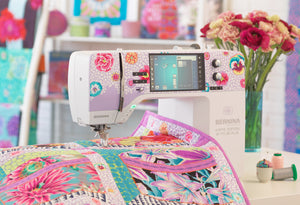
If you sew on a BERNINA, double-check that you've packed the exact feet and accessories your project needs. Quilters often remember the machine and forget the foot that makes the whole plan work.
A lightweight machine is easier to manage for retreat travel, especially if you're moving from parking lot to hotel to sewing room with limited cart space. If you're shopping for a more portable setup, a travel-friendly BERNINA sewing machine option is worth considering before retreat season starts.
This is the category that ruins momentum. Not because the items are big, but because they're easy to overlook.
Put these in one dedicated pouch:
I've watched quilters bring six yards of fabric and forget their bobbins. That's the kind of problem you can prevent in five minutes at home.
A retreat is sewing plus stamina. If your back hurts, your eyes are tired, or you're freezing in an over-air-conditioned room, productivity drops fast.
Bring comfort gear on purpose:
Bulky bags create chaos in a shared room. Compact organization works better than giant bins full of “just in case” supplies. If you need help trimming your load, these HYDAWAY packing strategies are useful for thinking through space-saving basics before you start stuffing tote bags.
A retreat packing test is simple. If you can't explain why an item is coming, leave it home.
Most retreat listings tell you where the event is. They don't tell you what that location means once you're holding a suitcase, a machine case, and a coffee in an airport.
That's why travel planning deserves its own checklist. Colorado retreats may look close together on a map, but Denver-area logistics and Colorado Springs-area logistics can feel very different once you factor in arrival timing, transportation, and your comfort level with driving.

The current retreat scene already shows that split. The Peaks ’n Pines Quilt Guild retreat page lists a Colorado Springs retreat scheduled for April 19 to 23, 2026, while the broader Colorado calendar also includes a Denver retreat at the Royal Sonesta from March 22 to 28, 2026. Existing listings usually stop at names and dates. They rarely help you think through parking, shuttle needs, or whether you should rent a car.
If you dislike driving in unfamiliar places, don't book first and solve it later. Match the retreat to the transportation style you'll tolerate.
Use this quick decision guide:
| Travel situation | Better fit |
|---|---|
| You want city convenience | Denver-area retreat |
| You want a smaller airport experience | Colorado Springs-area retreat |
| You're carrying a machine and several project bags | Retreat with simple hotel access and minimal transfers |
| You don't want to rent a car | Retreat where you can confirm shuttle or rideshare practicality before committing |
Don't schedule yourself to land and race straight into a meet-and-greet. Build in breathing room. You'll want time to check in, locate the sewing room, set up your machine, and calm your brain.
Carry your essentials with you, not buried in the trunk or checked luggage. That means your machine accessories, project instructions, medication, wallet, phone charger, and at least the minimum supplies to sew if the rest gets delayed.
Drink water sooner than you think you need to. Rest the first evening if you've traveled a long way. You do not need to prove anything on night one.
The smoothest retreat travelers aren't the ones who pack the most. They're the ones who remove surprises early.
If you expect to stream patterns, join a work check-in, upload photos, or stay connected on the road, review these tips on maximizing internet speed for travel. Retreat centers and hotels vary, and it's easier to solve that plan before you're trying to download a file from the sewing room.
For small tools, cords, chargers, and machine extras, a compact travel sewing case or notions organizer keeps the transit part of the trip much cleaner.
Once you arrive, the goal changes. You're not planning anymore. You're protecting your energy and using the retreat format well.
A lot of quilters either over-socialize and lose momentum here, or isolate themselves and miss half the fun. The sweet spot is steady sewing with enough community to stay inspired.
The Cotton Cuts Denver retreat is a good example of a productivity-heavy model. Its 2026 program runs 7 days and 6 nights, includes only 2 full days of instruction, and also offers extended sewing access plus a scheduled shop-hop and open-sew day. The listed sewing-room hours on the open-sew day run from 7 a.m. to 1 a.m., which clearly favors quilters who want long work blocks and visible project progress.
That kind of schedule works beautifully if your goal is output. It's less ideal if you expect constant teaching. Choose your daily rhythm accordingly.
A shared sewing room runs better when everyone follows a few unwritten rules:
A retreat is not the place to judge your work against everyone else's. Someone will have sharper points. Someone will have a more expensive machine. Someone will finish faster.
None of that matters.
What matters is whether you used your time well. Join show-and-tell, even if your project isn't dramatic. Ask how someone solved a construction issue. Share what worked for you. Retreats are one of the few places where quilters openly swap practical fixes without making it weird.
Finish-oriented retreats reward momentum. Instructor-led retreats reward attention. If you know which one you're in, you'll enjoy it a lot more.
If you want to give someone a future sewing experience instead of guessing at fabric, a quilting gift certificate is a clean option.
Yes, if you choose the right format. A beginner usually does better with a structured retreat or a shorter event with clear expectations. Don't bring your hardest dream quilt. Bring a manageable project, ask questions early, and focus on learning how retreats work.
Bring one main project and one backup. That's enough. Your backup should be simple, portable, and easy to pick up if you hit a snag on the main one.
Sometimes, but confirm directly with the venue first. Don't assume a hotel or retreat center will store or accept boxes the way you expect. If you do ship, label everything clearly and keep your essentials with you anyway.
Read the retreat details carefully and plan your food like part of your sewing setup. Bring a few easy snacks, know what's near the venue, and don't count on making complicated meal decisions in the middle of a sewing day. Hungry quilters make sloppy cuts.
Often, yes, if the format fits your goal. A longer retreat gives you time to settle in and work without that rushed weekend feeling. But length alone doesn't make it better. Schedule and structure matter more.
Choose the project first. That sounds backward, but it isn't. Once you know whether you want to learn, finish, or just recharge, the right retreat usually becomes obvious.
No, but portability helps. A machine that's reliable, easy to carry, and familiar to you is better than a fancier model you don't know well. If you're flying or moving gear often, weight and case setup matter.
If you're ready to turn retreat planning into an actual plan, start with High Country Quilts. Browse supplies, compare machine options, and get your project organized before retreat season sneaks up on you. A well-planned quilting retreat feels less like a gamble and more like the sewing week you've been promising yourself for years.
At High Country Quilts we care deeply about community. With our experiences in retail, we know that a store is not only a place to shop but also a place for the community to gather and share. During this busy...

Hi! We’re Adam and Renee Wheaton, the new owners of High Country Quilts! For more than 40 years, we’ve owned and operated vacuum and sewing businesses. Following in Renee’s father’s footsteps after he retired from All Discount Vacuum and Sewing in Colorado...


Leave a comment