
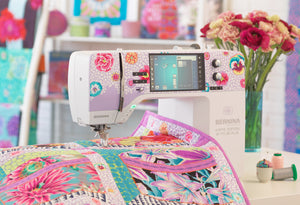

We Love Our Quilting Community
At High Country Quilts we care deeply about community. With our experiences in retail, we know that a store is not only a place to shop but also a place for the community to gather and share. During this busy...


You've probably done this already. You saw a quilt in a shop, at a friend's house, or on social media, and thought, I want to make that. Then you searched for quilting classes near me for adults and landed in a mess of listings that all sound half-familiar and half-mysterious.
Some classes say beginner. Some say intro. Some are really project days, some are true foundations, and some assume you already know your way around a sewing machine. For a newcomer, that's where the overwhelm starts.
A good first class should make quilting feel approachable, not confusing. The right one gives you a clear path, helps you avoid expensive missteps, and puts you in a room where you can learn instead of just trying to keep up. If you know what to look for beyond location and price, choosing gets much easier.
Most adults who look for quilting classes aren't starting from zero interest. They already feel the pull. They want to learn patchwork, make something useful, use fabric they love, and enjoy a creative routine that feels different from staring at a screen all day.
What slows people down is not motivation. It's uncertainty.
A class description might mention piecing, appliqué, free motion, rulers, binding, or block assembly, and none of that tells you whether the class is right for your first step. A nearby option can still be a poor fit if the teaching style is rushed, the supply list is vague, or the class expects skills you don't yet have.
A practical starting point: Don't choose your first quilting class by distance alone. Choose it by structure, clarity, and how beginner-friendly the experience feels from the first email to the first stitched seam.
If you're new, the goal isn't just to finish one cute project. The goal is to learn the habits that let you make the next quilt with more confidence.
That usually means looking for a class with these traits:
That's the difference between feeling lost after one class and feeling like a quilter.
You search “quilting classes near me for adults,” find three options within twenty minutes, and they all look fine. Then you notice one class expects you to bring a machine, one includes classroom machines, and one lists supplies so loosely that you can't tell whether the class fee is the actual price or just the starting point.
That is usually where the better decision gets made.

Local quilt shops are often the strongest place to begin because they teach in the same environment where beginners ask practical questions. You can compare thread, rulers, feet, batting, and fabric before class day instead of guessing online and hoping you bought the right thing.
They also tend to be clearer about machine access. Some shops teach on classroom machines, including BERNINA models in stores that carry them. Others expect every student to bring a working machine with a fresh needle, power cord, foot pedal, and the right presser feet. That difference matters more than many new quilters realize. If you are still learning threading, tension, or bobbin setup, an in-house machine can make your first class much less stressful.
A shop setting also gives you support after class. If your seam allowance is off or your cutter skips, you can usually get help from staff who know the tools.
Parks departments, adult education programs, and community centers often work well for adults who want a steady weekly routine. Hempstead Town's quilting workshop schedule shows the kind of longer-format class many community programs offer, with repeated sessions spread across several weeks.
That pace has real advantages. You get time to practice between meetings, fix mistakes at home, and come back with better questions.
The trade-off is product support. Community classes may offer a good teacher and a comfortable room, but they usually do not have a wall of quilting cottons, cutting tools, or machine accessories right outside the classroom.
If you want the details that class listings skip, ask quilters. Guild members and sewing groups will often tell you which teacher explains rotary cutting well, which beginner class presumes sewing experience, and which classroom has enough table space for trimming blocks without feeling crowded.
These places are still useful:
One recommendation from a local quilter can save you from signing up for the wrong room, even if the class title sounds perfect.
The best location is the one that supports how you learn.
| Where you look | What it's good for | What to watch for |
|---|---|---|
| Local quilt shop | Tool guidance, fabric help, machine support, structured project classes | Supply purchases can add up fast if the class list is broad |
| Community program | Slower pace, recurring schedule, more time to practice | Fewer quilting-specific tools and less help choosing materials |
| Guild or social group | Trusted word-of-mouth, community, exposure to different teachers | Some sessions are more social than instructional |
| Event listing or pop-up workshop | Low-commitment way to try a technique | May focus on one project without teaching the full process |
Choose with the hidden costs in mind. Parking, machine rental, required rulers, fabric kits, and whether you need to buy a quarter-inch foot can change the value of a class quickly, even when the tuition looks reasonable at first glance.
You find a class five minutes from home, the price looks fair, and the photos are charming. Then the supply list arrives. You need specialty rulers, a new foot for your machine, fabric in exact cuts, and enough sewing experience to keep up. That is why the best class is not always the closest or the cheapest.

A good beginner class follows a clear order. You should learn accurate cutting, a consistent quarter-inch seam, pressing, and block assembly before a teacher asks you to tackle curved piecing or dense quilting.
In established markets, beginner Quilting 101 courses commonly run about five weeks, include several block types, and cost around $100, according to Quilters HQ class listings. That format works well for adults who need repetition, homework time, and a chance to fix small habits before they become hard to break.
Course titles can still mislead. The six-session Intro to Quilting class at the 92nd Street Y requires basic hand and machine sewing skills and asks students to bring their own supplies, as listed on CourseHorse's NYC quilting class page.
Read the prerequisites line by line. “Beginner” sometimes means beginner quilter, not beginner sewer.
Two teachers can use the same pattern and give you very different first-class experiences.
For new quilters, the best instructors teach in steps, watch how students press and sew, and correct mistakes early. In the quilting instruction discussion shown in this YouTube teaching breakdown, the instructor explains why group classes work better when everyone follows the same demo sequence instead of jumping ahead. That lines up with what happens in real classrooms. Once half the room is on different steps, the teacher stops teaching and starts putting out fires.
Look for clues in the class description and reviews:
A social sewing group can be wonderful later. For a first class, a teacher with a clear system will save you money, fabric, and frustration.
This is one of the hidden filters experienced quilters use right away.
Many class listings describe the project but say very little about the machine setup. That leaves beginners guessing whether their current machine can handle the class, whether they need extra feet, or whether they will spend the first hour trying to get the needle position right. That gap shows up in listings like the Quilters B Angles and Corners class listing.
Ask before you pay:
If you are also comparing whether to buy or upgrade, it helps to check a shop that shows machine options and support in one place. High Country Quilts' BERNINA sewing machine collection is useful for seeing the kinds of feet, features, and dealer-backed support many students ask about before class.
That question matters more than beginners expect. A patient teacher can work around a modest machine. A class built around tools you do not have can turn a pleasant first project into an expensive one.
A class that looks affordable on the calendar can get expensive fast once you add fabric, thread, rulers, a pattern, and machine fees. New quilters usually do better when they price the whole experience before they register, not just the seat in the room.

One listing might offer a beginner series for a higher fee, while another offers a short intro at a much lower price. Those are two different purchases. One is buying repetition, guided practice, and time to fix mistakes. The other is buying a first taste.
Ruth's Stitchery shows that range clearly in its class schedule, with beginner quilting options and separate technique classes such as free-motion quilting. That kind of schedule helps you sort classes into three useful buckets:
| Class type | What you're usually paying for | Best for |
|---|---|---|
| Multi-week beginner course | Step-by-step instruction over several sessions | Learning cutting, piecing, pressing, and finishing in order |
| One-session intro | A short, lower-commitment trial class | Deciding whether quilting fits your interest and schedule |
| Technique-specific class | Focused teaching on one skill | Building on basics you already have |
I usually tell beginners to be careful with bargains. A low fee is fine for a sampler session. It is less helpful if you still leave unsure about quarter-inch seams, pressing, or fabric prep.
The class fee is only one line in the budget.
Guild workshop pages such as the San Diego Metro Modern Quilt Guild workshops page are a good reminder that many listings focus on tuition first and leave supply details for later. That is where beginners get surprised. A class can be reasonably priced and still require a book, specialty ruler, kit, or pre-class fabric purchase that changes the total by quite a bit.
Ask for one clear reply that covers:
A well-run shop will answer those questions plainly. If the reply is vague, expect more guesswork once class starts.
Timing affects value more than many beginners expect. A four-week evening series gives you time to practice between sessions, but it also asks for steady attendance. A one-day workshop is easier to put on the calendar, though it can feel rushed if every skill is new.
Pay attention to start and stop times, too. A three-hour class with cutting homework is different from a three-hour class where all cutting happens in the room. If a class runs during shop hours, ask whether students can buy missing supplies on the spot. If it runs after hours, forgetting one spool of thread can stall the whole night.
Adults with busy schedules usually do best when they choose the format they can realistically finish. Consistency beats good intentions.
Walking into your first quilting class feels easier when you know what belongs in your tote and what belongs back on the store shelf. Most beginners overbuy in the first week. You don't need every gadget hanging on the wall.

For most first classes, focus on dependable basics:
Before buying anything expensive, compare the supply list against a dedicated notions page like quilting notions and tools. It's a practical way to see the categories you'll hear mentioned in class.
You can quilt for quite a while before you need specialty rulers, unusual presser feet, or niche gadgets that promise perfect corners. New quilters often buy complicated tools before they've learned plain cutting, piecing, and pressing.
If a teacher wants a specific ruler or book, buy that exact item. If not, ask before spending.
A tidy, simple tool kit beats an overstuffed bag every time. You learn faster when you can find what you need without digging through ten unopened gadgets.
Quilting classes are hands-on, and the room works best when everyone follows a few basic habits. This isn't about being formal. It's about keeping the class moving.
The biggest one is workspace discipline. In the instructor guidance referenced earlier, a tidy workspace is treated as a major factor in beginner success because fabric clutter gets in the way of ruler work and machine paths. That advice lines up with what teachers see every day.
A few habits will help immediately:
This short video is a helpful warm-up before class day if you want to get comfortable with basic quilting supplies and setup:
Every quilt room has beginners who feel like everyone else knows more. Usually, they don't. Many adults in a beginner class are there because they also wanted a structured place to start, use their machine more confidently, or finally turn a fabric stack into a finished piece.
If you show up prepared, listen to the demos, and keep your station manageable, you'll already be doing several things right.
You've done the comparing, checked the calendar, and probably opened three tabs trying to decide whether the cheaper class is the better deal. This is the point where a good choice beats more searching. If a class fits your level, has a teaching style that makes sense to you, and gives you a clear picture of what you'll need, go ahead and register.
Quilting gets clearer once your hands are involved. Reading about quarter-inch seams helps. Sewing one while an instructor corrects your setup helps more.
Before you pay, make one last pass through the details that beginners often miss. Ask whether the classroom has machines you can use if yours is not ready, whether pressing stations are shared or individual, and whether the teacher expects you to know how to thread, wind a bobbin, and change a needle before class starts. A class that looks affordable online can get expensive fast if you also need rulers, specialty feet, batting, and fabric homework between sessions.
Three checks make registration smoother:
If you want a local shop setting, take a look at High Country Quilts and choose the class support, tools, or machine help that match your real starting point. New quilters do better when they sign up for the class they are ready for now, not the one they hope to keep up with.
The first class gives you something better than perfection. It gives you momentum, a place to ask questions, and a solid start you can build on.
At High Country Quilts we care deeply about community. With our experiences in retail, we know that a store is not only a place to shop but also a place for the community to gather and share. During this busy...

Hi! We’re Adam and Renee Wheaton, the new owners of High Country Quilts! For more than 40 years, we’ve owned and operated vacuum and sewing businesses. Following in Renee’s father’s footsteps after he retired from All Discount Vacuum and Sewing in Colorado...


Leave a comment