
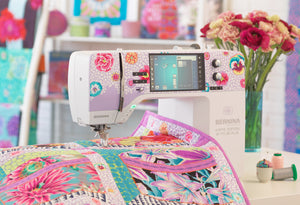

We Love Our Quilting Community
At High Country Quilts we care deeply about community. With our experiences in retail, we know that a store is not only a place to shop but also a place for the community to gather and share. During this busy...


Every quilt tells a story, a tale woven from fabric, thread, and countless hours of care. But without a label, that story can be lost to time. A quilt label is more than just a signature; it's a permanent record of the maker's love, the occasion it celebrates, and the history embedded in its stitches. It transforms a beautiful blanket into a priceless heirloom. Finding the perfect wording is the final, crucial step in preserving your work’s legacy.
This guide provides a detailed roundup of quilt label sayings to help you document your creation. We move beyond simple "Made by" tags to explore eight essential types of labels that capture the full story of your project. Whether you're commemorating a birth, celebrating a wedding, or simply documenting your creative process, the right words make all the difference.
Inside, you will find over 100 specific examples, categorized for every purpose:
We will also cover practical advice on personalizing your message, choosing the best placement on your quilt, and different methods for creating and applying your label. This article is your resource for ensuring every quilt you make carries its story forward for generations to see, read, and cherish.
The most fundamental and historically significant quilt label is the one that simply states the facts: who made it, where, and when. More than just a signature, this traditional approach transforms your quilt from a beautiful object into a documented piece of history. It’s the foundational method for quilt documentation, highly valued by family historians, antique collectors, and museums. Think of it as the quilt's birth certificate, ensuring its story and provenance are never lost.

This method prioritizes clarity and longevity over elaborate quilt label sayings. Its purpose is to create a permanent record. For family heirlooms, this label allows future generations to know exactly who to thank for the treasured blanket that has kept them warm. For quilts entered into shows or sold, it provides essential provenance, a key factor in a quilt's perceived value and authenticity. It’s a simple act of foresight that gives your work a lasting place in your family’s or community’s history.
Creating an effective maker's label is straightforward. The goal is permanence and legibility.
Pro Tip: For an extra layer of context, consider adding the quilt’s name if it has one (e.g., "Starry Night Over Denver") or the recipient's name for a gift ("Made for Jane Smith"). This small addition adds significant personal value.
While a maker's label documents a quilt's creation, a gift and dedication label celebrates its purpose: the connection between the maker and the recipient. These personalized quilt label sayings transform a quilt from a beautiful gift into a cherished keepsake by explicitly stating the love, occasion, or memory it represents. This approach is perfect for quilts made to honor life's most significant milestones, such as weddings, births, graduations, or memorials.
This type of label focuses on the relationship and the event, making the quilt a tangible piece of a shared story. For a wedding quilt, it becomes a permanent wish for the couple's happiness. For a baby quilt, it’s a loving welcome to a new life. Memorial quilts, especially, gain profound meaning with a dedication label, serving as a comforting tribute to a loved one. The words you choose become an integral part of the quilt's comfort, reminding the user of the special bond or moment being honored.
Creating a heartfelt dedication label requires a balance of concise wording and meaningful sentiment. The goal is to capture the emotion of the moment.
Pro Tip: Keep the message sincere and to the point. A few well-chosen words often have more impact than a lengthy paragraph. For example: "For Sarah & Tom, Celebrating your union, May 20, 2025. With all our love," is both clear and deeply personal.
Moving beyond a simple signature, a story and history label transforms your quilt into a documented piece of art. This narrative-driven approach chronicles the quilt's complete journey: the inspiration behind the design, the origins of the fabrics, the techniques used, and even personal reflections during its creation. It’s like a built-in diary, providing a rich, detailed context that elevates the quilt from a beautiful textile to a historical artifact with deep personal and cultural significance. This is the method favored by art quilters, historians, and anyone looking to preserve the full legacy of their work.

This method ensures that the "why" and "how" behind your quilt are never separated from the finished piece. For a family heirloom, it explains why certain fabrics were chosen, connecting future generations to the people and memories represented in the stitches. For art quilts intended for galleries or competitions, this detailed provenance offers jurors and collectors invaluable insight into the artist’s process and intent. By including these quilt label sayings, you're not just signing your name; you’re giving your quilt a voice to tell its own story for decades to come.
Creating a narrative label requires thoughtful composition and a method that can accommodate a larger amount of text.
Pro Tip: Draft your story in a notebook or on a computer before you begin writing on the fabric. This helps you organize your thoughts, check for spelling, and ensure you can fit everything into the designated space without feeling rushed or cramped.
In the collaborative world of modern quilting, giving credit where it's due is more than just good manners; it's a mark of integrity and respect. This type of quilt label moves beyond personal details to document the creative journey of the quilt itself. It acknowledges pattern designers, technique instructors, and sources of inspiration, functioning as both a professional citation and an educational tool for anyone who views your work.
This approach is highly valued in communities like the Modern Quilt Guild and by independent artists who rely on pattern sales. By crediting the designer, you not only honor their work but also help other quilters discover new patterns and artists. It turns your quilt's label into a resource, documenting the specific techniques and tools that brought your vision to life and preserving the context of your creative process for years to come.
Creating this label is an exercise in good record-keeping. The goal is to provide a clear and respectful account of the resources you used.
Pro Tip: Keep a "quilt journal" or a digital note for each project as you work. Jot down pattern names, designer websites, YouTube tutorials you watched, and any specific tools or threads you used. This makes writing the final label much easier and more accurate. For those looking to improve their documentation and content creation skills, taking a UGC course can provide valuable insights into crediting and collaboration.
For the quilter who is also a historian of textiles, a label detailing the source of fabrics and materials adds an incredible layer of depth. This type of label goes beyond personal sentiment to document the quilt’s very DNA. It's especially valued by art quilters, textile artists, and collectors who understand that the story of a quilt is woven directly into the materials used. This label acts as a material manifest, preserving the specific fabric lines, designers, and unique sourcing stories that make your quilt one-of-a-kind.

Documenting materials provides a rich context that can significantly increase a quilt’s historical and monetary value. Imagine a future quilt appraiser trying to identify the specific Kaffe Fassett prints from a limited run or the vintage 1970s feedsacks incorporated into the design. A detailed label removes all guesswork, connecting your work to broader trends in textile design and manufacturing. It's a professional touch that signals a deep respect for the craft and the materials that bring your artistic vision to life.
Creating this label requires meticulous record-keeping during the quilting process, but the result is a priceless resource.
Pro Tip: Keep a small project journal or use your phone to snap photos of fabric bolts and packaging as you purchase them. It's much easier to record the details in the moment than to try and remember them months later. Staff at your local quilt shop, like High Country Quilts, can often help identify fabrics from their inventory.
Beyond documenting the facts, a quilt label can capture the very spirit and intention behind its creation. An inspirational quote or personal philosophy label transforms your quilt into a messenger of encouragement, reflection, and values. It’s a way to stitch your personal beliefs and worldview directly into the fabric, offering the recipient a source of comfort and contemplation that goes deeper than the threads themselves. This approach is favored by makers who view quilting as a mindful practice or a form of storytelling.
These powerful quilt label sayings turn a beautiful craft object into a piece of art with a distinct voice. For a charity quilt, it might carry a message of hope; for a personal project, it might reflect a mantra that guided you through its creation. This type of label invites the user to connect with the quilt's deeper meaning, making it not just a blanket but a source of emotional warmth and personal resonance. It ensures the maker’s creative vision and intentions are felt for years to come.
Crafting a label that conveys a philosophy requires thoughtful selection and clear presentation. The goal is to inspire without overwhelming.
Pro Tip: If using a quote from a known author, poet, or public figure, always give proper attribution (e.g., "- Rumi"). This honors the original source and adds a layer of integrity to your work. Keep the text concise to ensure it remains a pleasant discovery rather than a chore to read.
For quilters who view their craft as a journey, a timeline and process documentation label offers a fascinating window into the creative act itself. This type of label moves beyond the who and when to detail the how long and how it happened. It chronicles the quilt's creation from the first cut to the final stitch, transforming the back of the quilt into a mini-memoir of the project. This approach is particularly meaningful for those who embrace the slow quilting movement, as it honors the time, patience, and dedication invested.
This method provides a unique form of storytelling, making the process as important as the finished product. It gives the recipient, whether a family member or a client, a deeper appreciation for the work involved. For the quilter, it serves as a personal record of growth, a reminder of challenges overcome, and a log of creative milestones. These detailed quilt label sayings add a layer of transparency and humanity, showing that a quilt is not just an object but the result of hours, months, or even years of focused effort and love.
Documenting your process requires a bit of record-keeping, but the result is a rich narrative. The key is to track significant moments in the quilt’s life cycle.
Pro Tip: Don't be afraid to be honest. Did you take a six-month break? Include it! Mentioning a pause can be a meaningful part of the quilt’s story, reflecting a busy period of life or a moment when you needed creative space. It adds an authentic touch that many will find relatable.
Beyond sentiment, a truly thoughtful quilt label provides for its future. This practical approach combines detailed care instructions with the maker's wishes for the quilt's legacy, ensuring it is not only cherished but also properly preserved. Popularized by museum conservators and heirloom quilt makers, this style of label acts as both a user manual and a heartfelt message, bridging the gap between practical maintenance and enduring affection. It safeguards your hard work against accidental damage and communicates its intended role as a multi-generational keepsake.
This method transforms a quilt label from a simple signature into a deed of stewardship. By clearly outlining how to wash, dry, and store the quilt, you empower its recipients to maintain its beauty and structural integrity for decades. Including a "legacy wish" elevates the instructions from a dry list of rules to a loving request, framing proper care as an act of honoring the maker's love and effort. It’s one of the most forward-thinking quilt label sayings, focused on longevity.
The goal is to provide clear, permanent instructions paired with a warm, personal wish.
Pro Tip: Be specific. Instead of "wash carefully," write "Hand wash in cool water with a pH-neutral soap." If the quilt has delicate embellishments like beads or appliqué, note that they require special handling. The more precise you are, the better you protect the quilt's future.
| Label Type | Implementation Complexity 🔄 | Resource Requirements ⚡ | Expected Outcomes 📊 | Ideal Use Cases ⭐ | Key Advantages & Tips 💡 |
|---|---|---|---|---|---|
| Maker's Name and Date Labels | Low — simple text or embroidery | Minimal — label fabric + pen or thread | Clear provenance and easy identification | Heirloom quilts, museum submissions, family gifts | Establishes authorship; use permanent ink or embroidery; include city/state |
| Gift and Dedication Labels | Low–Medium — needs thoughtful wording | Low — printable fabric or embroidered text; design time | Strong emotional value and personalization | Wedding, baby, memorial, auction quilts | Creates personal connection; keep wording concise and proofread |
| Story and History Labels | High — long-form narrative composition | High — larger label area, archival fabric and time | Museum-quality documentation and contextual value | Art quilts, exhibition pieces, legacy quilts | Preserve techniques and origins; photograph label for records |
| Stitching Technique & Pattern Credits | Medium — requires accurate attributions | Moderate — research and concise listing space | Educational value and professional recognition | Modern quilts, class projects, pattern-sharing communities | Credit designers/instructors and note modifications; track sources |
| Fabric & Materials Source Labels | Medium–High — detailed record-keeping | Moderate — swatches, packaging info, fabric names | Useful for collectors, appraisals, and sourcing | Art quilters, sustainability-focused projects, collectors | Note colorways, manufacturers, and limited editions; save swatches |
| Inspirational Quote & Philosophy Labels | Low — short curated text | Minimal — choice of quote and attribution | Emotional resonance and maker personality | Charity quilts, mindfulness or spiritual pieces, gifts | Choose authentic quotes, attribute sources, keep text readable |
| Timeline & Process Documentation Labels | Medium — requires timeline tracking | Low–Moderate — dates/hours logged during project | Shows dedication and creative journey; motivational | Process-oriented makers, slow quilting projects, class portfolios | Record start/finish and milestones; be honest about time invested |
| Care Instructions & Legacy Labels | Medium — needs fabric-specific research | Moderate — durable label fabric, clear wording | Improved preservation and longer quilt lifespan | Heirloom quilts, museum-quality work, family keepsakes | Include fiber content, washing/storage specifics, and legacy note |
As the final stitches are pulled tight and the binding is perfectly finished, your quilt transitions from a work in progress to a completed masterpiece. Now, only one crucial task remains: signing your work. A thoughtful quilt label is far more than a simple tag; it is the final chapter of your quilt's creation story and the first page of its long history. It provides context, personality, and a piece of your heart that ensures your creation will be understood and cherished for decades to come.
Throughout this guide, we've explored the diverse world of quilt label sayings, from the fundamental to the deeply personal. You now have a rich palette of options to choose from, allowing you to match the message perfectly to the quilt's purpose. Whether your project calls for a simple maker's mark or a detailed narrative, this final touch elevates it from a beautiful object to a treasured heirloom.
Reflecting on the journey of your quilt is the first step in choosing the words that best capture its spirit. Your label is the voice of your work, speaking to future generations long after the last stitch is set. To ensure your message endures, remember these essential points:
Now is the time to gather your materials and make your mark. As you select your fabrics, permanent ink pens, or embroidery threads for this last, vital step, consider the permanence of your method. The technique you choose to apply the label is just as important as the words themselves.
For a traditional and secure labeling method, a comprehensive guide on methods like using Sew In Labels For Clothing can provide expert advice on achieving a durable finish for your quilt labels. Hand-stitching the label's edges to the quilt backing creates a classic, integrated look that is built to last. For a quicker but still effective approach, a fusible backing can be ironed on before you stitch the edges down for added stability.
Ultimately, your label is a final, loving act of creation. It’s the period at the end of a long, beautiful sentence you’ve written with fabric and thread. It’s your signature, your story, and your gift to the future. Go forth and tell your quilt's story with confidence.
Ready to find the perfect fabric and tools for your next quilt label? Explore the curated selection at High Country Quilts, where you’ll find high-quality fabrics, permanent marking pens, and embroidery supplies to bring your quilt label sayings to life. Sign your masterpiece with the quality it deserves.
At High Country Quilts we care deeply about community. With our experiences in retail, we know that a store is not only a place to shop but also a place for the community to gather and share. During this busy...

Hi! We’re Adam and Renee Wheaton, the new owners of High Country Quilts! For more than 40 years, we’ve owned and operated vacuum and sewing businesses. Following in Renee’s father’s footsteps after he retired from All Discount Vacuum and Sewing in Colorado...


Leave a comment