
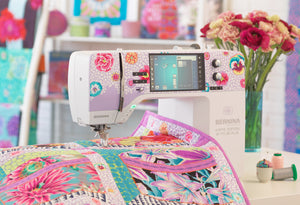

We Love Our Quilting Community
At High Country Quilts we care deeply about community. With our experiences in retail, we know that a store is not only a place to shop but also a place for the community to gather and share. During this busy...


You’re probably here because you want that unmistakable sweep. A skirt that hangs clean at the waist, opens into a full ring at the hem, and moves when you move. Then the practical questions hit fast. How do you draft it? How much fabric do you need? Will 45-inch fabric ruin the plan for a maxi skirt?
That’s where most circle skirt tutorials stop being useful. They give you the formula, but not the practical sewing-room decisions.
At Famcut in Atlanta, this is the part I spend the most time correcting in class. The math is simple. The fabric layout is where projects go right or wrong. A good pattern for full circle skirt work starts with accurate measurements, but it finishes with smart choices about width, drape, seams, and hem handling.
You see it the moment someone turns. The waist stays clean, the hem lifts and swings, and the whole skirt reads as fuller and more polished than many styles that take twice the drafting work.
That combination of drama and usefulness is why the full circle skirt has stayed relevant for so long. Mid-century fashion helped cement its popularity after wartime rationing eased and wide, sweeping silhouettes returned to ready-to-wear and home sewing. The style still holds up because it can shift from everyday cotton to formalwear and costume builds without changing the core pattern.
At Famcut in Atlanta, I see students light up when they realize that one skirt shape can cover very different goals. A knee-length skirt for daily wear, a crisp petticoat layer for vintage styling, and a floor-length cosplay or formal skirt all start from the same foundation. The key difference is fabric width, drape, and how many seams you are willing to manage.
The appeal is practical, not just visual.
A full circle skirt looks ambitious on the hanger because there is so much fabric in the hem. The pattern itself is straightforward. The trouble usually starts after the draft, when sewists choose fabric without checking the width or assume a maxi length will fit on the same layout as a shorter skirt.
That is the part many generic tutorials skip. Fabric width changes the whole plan. A 45-inch fabric can force extra seams or piecing for longer lengths. A 60-inch fabric gives you better odds for cleaner layouts, especially if you want a dramatic hem for cosplay or formalwear.
One watch-out matters more than beginners expect. Bias edges drop. If the skirt hangs before hemming, the hemline can be trued and finished evenly instead of turning wavy after the first wear.
The full circle skirt earns its reputation because it looks dramatic and remains buildable. With the right layout decisions, it is one of the most satisfying skirts to sew.
A full circle skirt usually goes wrong in one of two places. The waist opening is drafted a little too large, or the skirt length is chosen before anyone checks whether that length will fit on 45-inch or 60-inch fabric. The math itself is simple. Using it correctly is what saves fabric and fitting time.

Use this formula:
Waist radius = waist circumference ÷ 6.28
That radius is the distance from the center point of your pattern to the waist curve. A circle skirt drafting tutorial demonstrates the same method in a visual way in this circle skirt drafting reference.
Three numbers control the draft:
The formula gives you only the waist opening. It does not tell you whether a tea-length skirt will fit on one width of fabric or whether a floor-length version will need seams, panels, or piecing. That practical part matters a lot for cosplay and formalwear, where the hem sweep gets large fast.
A 28-inch waist gives a radius of about 4.46 inches.
That number is small, which surprises a lot of beginners. The large sweep comes from the outer circle, not the waist opening. Once you add the skirt length to that radius, the pattern grows quickly, and that is why fabric width becomes part of the planning instead of an afterthought.
If you add ease, add it to the waist measurement before dividing. Keep it modest. Too much ease on a woven full circle skirt can leave the waistband loose and the closure looking strained in the wrong place.
Measure the body that will wear the skirt, not an old garment. Ready-made skirts often stretch, sit at a different point on the torso, or have already dropped out of shape.
Use the waistline you plan to sew:
I tell students to mark that waistline with elastic before measuring if placement is unclear. It keeps the number honest.
The right amount of ease depends on how the skirt goes on.
One common mistake is adding extra ease because the skirt looks dramatic. Fullness at the hem does not forgive a loose waist. A circle skirt with too much room at the top can twist, dip, or sit unevenly before you ever hem it.
The formula is straightforward. The costly errors happen in setup.
Watch for these:
For a short skirt, a small math error may only make the waist feel off. For a maxi skirt, that same error can throw off the whole layout and yardage plan. That is why accurate radius math and fabric-width planning belong together in any useful pattern for full circle skirt guide.
A paper draft catches mistakes while they are still cheap to fix. That matters even more with a full circle skirt, because a small drafting error can turn into wasted yardage once you start planning around 45-inch or 60-inch fabric.

Start with tools that help you draw a true arc and keep the corner square. Fancy supplies are optional. Accuracy is not.
Keep these on hand:
While drafting from scratch is a core skill, ready-made physical and digital patterns, like those from Famcut.com, offer a practical route when you want to move straight to cutting.
For home sewing, I teach the quarter pattern first because it is easier to verify. You can check the waist curve, label every edge clearly, and decide later whether you will cut four quarters or place the pattern on the fold for a two-piece version.
Use this sequence:
That gives you one accurate quarter of the skirt.
Freehand curves cause trouble fast. A full circle skirt can look fine on paper and still hang unevenly if the waist arc or hem arc wobbles.
Use one center point and swing the tape measure around it. Mark several points, then connect them. I tell students to make more marks than they think they need, especially on maxi lengths. The longer the skirt, the easier it is for a curve to drift off by enough to show at the hem.
For cosplay and formalwear, this step deserves extra patience. Floor-length skirts use more fabric, and any inaccuracy gets harder to hide once panels are joined.
A clean circle starts from a fixed center. If that point shifts, the hem usually tells on you.
Do not stop at the net shape. Add the sewing allowances before fabric hits the table, or you risk changing the fit while cutting.
A reliable starting point is:
Adjust the hem allowance to the fabric and the finish. Lightweight fabric can use a narrower hem. Heavy cotton, brocade, or costume satin often benefits from more allowance because you may need extra room to control the edge cleanly.
A good pattern piece carries instructions, not just outlines. If you set the project aside for two days, those notes save time and prevent cutting mistakes.
Mark these items on the paper:
I also like to note the intended fabric width right on the pattern for longer skirts. A quick note such as “check on 45-inch layout” or “planned for 60-inch fabric” helps you avoid drafting one version and cutting another.
A quick visual can help if you prefer to watch the rhythm of the process before drawing your own.
First, measure the finished waist seamline on the paper. Do not assume the curve is correct because the formula was correct. Paper can shift, corners can open, and pencil lines can wander.
Second, recheck skirt length at several points around the outer arc. This matters on short skirts, but it matters much more on maxi lengths where layout choices depend on every inch. If you are trying to get a floor-length circle skirt onto 45-inch fabric, a sloppy outer arc can send you back to the cutting plan with the wrong yardage.
The paper draft does not need to look polished. It needs to be accurate enough to survive real fabric, real seams, and the width limits of the goods you can buy.
You can draft a perfect circle on paper and still end up with the wrong skirt if the fabric width cannot support the layout. I see this happen all the time in class. Someone wants a floor-length circle for cosplay or formalwear, buys 45-inch fabric because the print is right, then learns the width will not give them the sweep they expected without extra seams.

A full circle skirt puts grain, crossgrain, and bias all into the same garment. Fabric choice shows immediately in the finished hang.
Good beginner choices include:
Some fabrics ask for more skill than the pattern suggests. Slippery cloth shifts. Heavy cloth can drag at the waist and lengthen on the bias. Very soft fabric can collapse if you wanted a skirt with structure.
For teaching, I usually recommend matching the fabric to the job. A vintage-inspired day skirt and a formal maxi do not need the same cloth, even if the math started from the same waist radius.
Generic circle-skirt tutorials tend to focus on the formula. In real sewing, width is the first checkpoint after the waist measurement.
45-inch fabric is the width that causes the most planning problems. It can work well for shorter skirts, but it runs out of room fast as the hem gets longer. Knee length may be possible depending on waist size and seam placement. A true maxi usually needs paneling, gores, or a design adjustment.
54-inch fabric gives you more options for day dresses and classic full skirts. Many knee-length versions fit with a practical layout, but longer lengths still need careful checking before you buy yardage. This width is often the line between an easy cut and a puzzle.
60-inch fabric gives the most flexibility. If you want a smoother front, fewer seams, or a fuller formalwear look, this is usually the friendliest width. It is also the width I prefer to check first for cosplay skirts that need floor length without obvious piecing through the center front.
That is the primary trade-off. Narrower fabric can cost less per yard or offer better print choices, but wider fabric often saves labor, seam finishing, and layout frustration.
Most full circle skirts fall into one of three practical cutting plans.
| Layout option | Best use | Trade-off |
|---|---|---|
| Two pieces on fold | Clean look with fewer seams | Requires wider fabric and careful placement |
| Four quarter pieces | Balanced construction and easier fitting of long curves | Adds seams and more pressing work |
| Multi-panel version | Best answer for narrow fabric or floor-length skirts | More pattern pieces, more seam matching, more hemming time |
At Famcut, I tell students to stop treating paneling like a mistake. Paneling is often the correct fix, especially for maxi skirts on 45-inch goods. If the width will not support the radius and length cleanly, adding panels is better than forcing a bad cut and hoping the hem evens out later.
These numbers are planning estimates for a full circle skirt, not a half circle or gathered skirt. They assume non-directional fabric, standard seam allowances, and no large print matching. Waistbands, pockets, nap, and directional motifs can increase yardage.
| Finished length | Approximate yardage |
|---|---|
| Mini, 18 to 20 inches | 3 to 3.5 yards |
| Knee, 24 to 26 inches | 4 to 5 yards |
| Midi, 30 to 34 inches | 5.5 to 6.5 yards, often with piecing or panels |
| Maxi, 40 to 42 inches | Usually 7+ yards and commonly panelled |
| Finished length | Approximate yardage |
|---|---|
| Mini, 18 to 20 inches | 2 to 2.5 yards |
| Knee, 24 to 26 inches | 3 to 4 yards |
| Midi, 30 to 34 inches | 4 to 5 yards |
| Maxi, 40 to 42 inches | 5.5 to 6.5 yards, depending on waist size and layout |
These tables are more useful than a vague promise that a skirt may need "extra planning." They also reflect what sewists run into at the cutting table. Width changes everything.
Maxi skirts for cosplay, bridal looks, and formalwear are where layout decisions matter most. A floor-length full circle uses a lot of fabric and a lot of curve. On 45-inch fabric, the cleanest answer is often a multi-panel skirt with balanced seam placement. On 60-inch fabric, you have a better chance of keeping the front or back less interrupted.
If the design includes a border print, nap, velvet pile, metallic brocade, or a directional motif, buy with even more caution. The fabric may be technically wide enough, but the print direction can remove layout options.
Ask this instead: Can this width handle my waist radius and finished length in a layout I am willing to sew?
That question saves money. It also saves disappointment, especially on long skirts where width, not math, is the part that decides whether the project stays simple or turns into a panelled build.
Cutting is where the project becomes real, and it’s also where impatience shows up. Circle skirts include bias areas, long curves, and pieces that can shift while you work. Slow handling matters.
Lay the fabric flat and let it relax. If the cloth is fighting you, the cut won’t improve once the shears come out.
Check these points first:
If you’re using multiple panels, label every piece before moving it. Once curved sections get separated, they start to look deceptively alike.
A full circle skirt contains bias sections by design. That’s part of why it moves so beautifully, and part of why it can betray careless handling.
What helps:
For most versions, construction goes more smoothly when you build the skirt body before dealing with the waistband or hem.
A clean order looks like this:
That sequence gives you a stable shape to work with.
Sew the vertical seams first. The circle has to become a skirt before it can become a finished garment.
Your seam finish depends on fabric and use.
A few reliable options:
For cosplay or formalwear, durability matters. Many of these skirts get worn over petticoats, packed for travel, or handled repeatedly during fittings.
Press every seam after sewing it. Then press it again in the direction it needs to lie.
Circle skirt construction looks homemade fastest when seam allowances twist inside the garment. Pressing prevents that and makes the waistband step much easier later.
The skirt is together, the shape looks right, and this is the point where rushed choices start to show. A waistband that twists, a zipper that ripples, or a hem that waves in the wrong places will pull attention fast, especially on a full circle with a lot of movement.

A straight waistband is still the workhorse choice for most woven full circle skirts. It drafts fast, takes interfacing well, and gives you a clean edge to match to the skirt opening. For class projects at Famcut, this is usually the option that gets beginners to a good result without extra fitting drama.
A contoured waistband sits closer to the body and often looks smoother on a fitted waist. It also asks for cleaner drafting and more accurate sewing. If the waist measurement or seam allowance is off, the mismatch shows up immediately.
| Waistband type | Strength | Watch out for |
|---|---|---|
| Straight waistband | Simple to draft and sew | Can feel stiff on some body shapes |
| Contoured waistband | Smoother, shaped fit | Errors show up fast at the waist edge |
| Elastic option | Quick and comfortable | Changes the look of a classic circle skirt |
Elastic has its place for casual skirts or quick costume builds. For formalwear, vintage styles, or cosplay that needs a defined waist, a structured waistband usually looks better and supports the weight of the skirt more reliably.
Both closures can work well. Fabric tells you which one will behave.
A lapped zipper is easier to control on cottons, linens, twills, and other fabrics with some body. It also suits skirts that get frequent wear, because the zipper area has a little more protection.
An invisible zipper gives a cleaner outside finish, which is why many sewists choose it for satin, suiting, and dressier versions. It also punishes sloppy prep. If the waistband seam does not meet cleanly or the fabric shifts while stitching, the top edge looks uneven right away.
Use a lapped zipper when reliability matters most. Use an invisible zipper when the fabric is cooperative and the look matters enough to justify the extra care.
Full circle hems behave differently across the sweep because the grain changes all the way around. One part turns easily. Another stretches. Another wants to ripple if you force it into a deep fold.
These finishes hold up well:
Horsehair braid is especially useful on cosplay and formal skirts with a wide hemline. It adds shape without the stiffness of a heavy facing, which helps when you are building floor-length looks from paneled layouts on 45-inch fabric or taking advantage of the broader sweep possible on 60-inch fabric. If you like studying costume structure beyond basic sewing patterns, many sewists also browse DIY costume guides for finish ideas and silhouette support.
A standard full circle does not always give enough drama for character costuming. If the skirt has to sit over layers or match an exaggerated reference design, extra fullness at the waist can make sense.
One approach is to increase the waist measurement before calculating the radius. In the method shown in this gathered circle skirt drafting guide, factors such as 1.5 or 2 create a gathered circle effect for a fuller silhouette.
That same source warns that the radius math has to use 6.28 for the 2π division. If that number is handled incorrectly, the waistband circumference can end up noticeably off, which is the kind of error you discover the minute you try to attach the band.
Extra volume only works if the waist still goes together cleanly.
Good finishing usually stays in the background, but it is what keeps a skirt wearable after fittings, travel, and a full day in costume.
Use the details that match the project:
These are small choices. They make a big difference in how the skirt sits, closes, and holds its shape over time.
You finish the draft, lay it on the fabric, and then the critical questions start. Will the skirt fit on 45-inch goods. Can you get floor length without awkward seams. Will pockets pull the side seams down once the costume is on for a full day. Those are the problems that show up at the cutting table, not in the radius formula.
Yes, but plan it as a paneled skirt from the beginning.
Narrow fabric limits how much length you can cut in a quarter or half section before you run out of width. For a floor-length skirt, especially for cosplay or formalwear, 45-inch fabric usually means extra seams, and that is not a mistake. It is the correct solution. I tell students to decide seam placement before they buy yardage, because a well-planned four-panel or eight-panel circle hangs better than a last-minute patch job.
Sixty-inch fabric gives you more options. You may be able to cut larger sections, reduce seam count, and keep the hem smoother. That difference matters for satin, velvet, and printed costume fabric where every extra seam shows. Fabric width changes the whole cutting strategy, so treat it as part of the pattern, not an afterthought.
Yes, if the side seam can support them.
Pockets behave well in stable woven fabrics such as quilting cotton, poplin, twill, and light suiting. They are less reliable in rayon challis, charmeuse, or other soft fabrics that drop under their own weight. On a full circle, pocket bags can also show through if the skirt fabric is light or shiny.
For costume work, ask one practical question first. Do you need the storage more than you need a clean silhouette? If the answer is yes, keep the pocket opening short and anchor the top edge into the waistband seam.
A lining helps with comfort, reduces cling, and protects the outer layer from sweat and friction during wear. It also adds bulk at the waist and often changes how the skirt hangs.
That trade-off matters most on formal skirts and cosplay builds with petticoats, heavy trims, or scratchy fashion fabric. For casual cotton skirts, I often skip a full lining and use a clean waist finish instead. For brocade, satin, or glitter fabric, lining usually makes the skirt easier to wear and easier to get on and off.
You can. Expect a different result.
A knit circle skirt usually works best with an elastic waist or a knit waistband rather than a structured band and zipper. The hem can drop after hanging, and the waist edge can stretch while you sew. Stabilizing the waist before assembly helps a lot.
If you want a crisp vintage shape, choose a woven. If you want movement and comfort, knit can work well.
Start with the silhouette the character needs, then build the skirt to support it. Costume skirts often need more than a standard everyday circle. They may need extra length, support at the hem, room over a petticoat, or seam placement that hides under an overskirt or apron.
Useful changes include:
For broader build planning, POPvault’s DIY costume guides show how makers handle proportion, volume, and character accuracy across the whole outfit.
For most sewists, the best upgrade is better layout planning.
A clean circle skirt depends on fabric width, grain direction, seam placement, and hem control. Get those right and even a simple skirt looks polished. Ignore them and expensive fabric will still fight you. That is why a good pattern for full circle skirt project starts with the cutting layout as much as the math.
If you’re ready to turn measurements into a skirt you will wear, browse Famcut.com for sewing resources, classes, and circle skirt pattern options that fit cosplay, quilting, and garment sewing projects.
At High Country Quilts we care deeply about community. With our experiences in retail, we know that a store is not only a place to shop but also a place for the community to gather and share. During this busy...

Hi! We’re Adam and Renee Wheaton, the new owners of High Country Quilts! For more than 40 years, we’ve owned and operated vacuum and sewing businesses. Following in Renee’s father’s footsteps after he retired from All Discount Vacuum and Sewing in Colorado...


Leave a comment