

We Love Our Quilting Community
At High Country Quilts we care deeply about community. With our experiences in retail, we know that a store is not only a place to shop but also a place for the community to gather and share. During this busy...


You’re standing in front of a shelf of fabric rolls, and one of them stops you cold. The colors work together beautifully. The prints already look like a quilt waiting to happen. Then the questions start. Is this enough fabric? Will the strips sew accurately? What if the roll has repeats I didn’t notice until I get home?
That’s where Moda fabric precuts Jelly Rolls shine. They give you a coordinated bundle of quilting fabric that saves cutting time and helps you start sewing sooner. They also raise practical questions that many beginner guides skip.
At High Country Quilts, we talk with quilters who want more than a definition. They want to know how to choose a good roll, how to avoid the common frustrations, and how to match the roll to the right project. That’s the fun part, because once you understand how a Jelly Roll works, it stops feeling like a mystery bundle and starts feeling like a smart, creative tool.
A Moda Jelly Roll is one of those quilting supplies that looks simple on the outside and turns out to be much more useful once you know what you’re holding. It’s not just a bundle of strips tied together for display. It’s a shortcut for piecing, a built-in color plan, and often the nudge that helps a stalled project finally begin.
Many quilters first notice Jelly Rolls because they’re inviting. You can see the whole collection at a glance. Instead of pulling bolts and wondering if the prints will cooperate, you’re holding a set that was designed to live together. That makes it easier to start, especially if choosing fabrics feels harder than sewing them.
There’s also a practical side. Cutting your own strips can be relaxing when you’re in the mood for it, but it can also eat up a lot of table space, rotary blade life, and patience. A Jelly Roll removes that hurdle.
A good precut doesn’t replace your creativity. It frees it up, because you spend less time preparing fabric and more time arranging, sewing, and deciding what you want the quilt to become.
Quilters also get tripped up by a few predictable points of confusion:
If you’ve ever picked one up and thought, “I love this, but I’m not sure what I’d do with it,” you’re in the right place. The key is to understand the parts, the quality checks, and the project fit before you sew the first seam.
A Moda Jelly Roll has a few defining parts, and knowing them helps you plan with more confidence. Instead of treating the roll as one mysterious bundle, it helps to see what is standard, what can vary, and what deserves a quick quality check before you sew.
Moda Jelly Rolls are made of factory-cut strips measuring 2.5 inches by about 44 inches, and they typically contain 40 strips according to this Moda precut explanation. That consistency matters because strip piecing magnifies small differences. A strip that is even slightly off can show up several seams later.

Factory cutting gives many quilters a more reliable starting point than cutting every strip at home. That is part of the appeal for beginners, but experienced quilters appreciate it just as much when accuracy and speed both matter.
One detail often surprises shoppers. A roll may include repeated fabrics from the same collection rather than 40 completely different prints. That is not automatically a flaw. It is part of how some collections are packaged. The question is whether those repeats suit your pattern. A rail fence quilt can welcome repeats. A design that depends on every strip reading differently may need a closer look before you commit.
The zigzag edge on a Jelly Roll strip is called pinking. New quilters sometimes wonder whether the strip was cut incorrectly. It was not.
That sawtooth edge behaves a bit like tiny stops along the fabric edge, so loose threads do not travel as quickly across the cut. During sorting, pressing, and chain piecing, that can keep the strips tidier than a plain straight cut would.
Practical rule: Measure from the points of the pinked edge before sewing, not from the valleys. That keeps your strip width consistent.
This is also where project planning gets more precise. Pinked edges can make a strip look slightly irregular when it is still rolled up, even when the usable cut width is correct. If a quilter judges the strip by eye alone, the roll can seem less consistent than it really is. A quick measurement clears up the confusion.
A Jelly Roll usually represents a fabric collection, which means the prints were designed to coordinate in color, scale, and mood. That built-in harmony is one reason these precuts are so enjoyable to use. You are starting with fabrics that already belong together.
Pattern repeat matters too. Some collections include small prints that blend into a scrappy whole. Others include large florals, bold geometrics, or signature prints that show up again in the roll. You can picture pattern repeat like wallpaper in a room. A tiny repeat reads as texture from across the space. A large repeat announces itself and asks for more visual room.
That affects how your finished quilt will read. If a pattern chops strips into short units, large-scale prints may lose their character. If a pattern uses long strip runs, repeated fabrics and strong motifs become much more noticeable. Understanding those parts of the roll helps you choose a project that lets the fabric do its best work.
The prettiest roll on the shelf isn’t always the right one for your project. Quilters often buy a Jelly Roll because the collection is appealing, then discover later that the print scale, repeats, or color spread don’t suit the pattern they had in mind.
That’s avoidable. A little inspection goes a long way.

Before you study the roll itself, decide what kind of finish you want.
A scrappy look welcomes variety. You can enjoy a broad mix of lights, mediums, darks, florals, geometrics, and novelty prints. A controlled look asks for more discipline. You may want repeated background tones, fewer high-contrast prints, and a calmer color story.
That choice affects everything that follows. The same fabric mix that makes a lively tote bag could make a striped quilt feel too busy.
One commonly overlooked issue is unexpected fabric repeats and inconsistent pinked edges. Quilters often don’t hear about this until they’ve had a disappointing project experience. This discussion of Moda Jelly Rolls highlights that learning to inspect a roll for fabric diversity and edge consistency is a key quality check.
Think of pattern repeat like a song chorus. A little repetition creates structure. Too much, when you weren’t expecting it, can crowd out the variety you wanted.
Use this quick in-store or at-home checklist:
If your project needs strong contrast, don’t judge the roll by color alone. Squint at it from a distance. That helps you see value changes more clearly than print details.
Large prints can be gorgeous in a Jelly Roll and still be wrong for some strip-heavy patterns. If a motif needs room to shine, slicing it into many small units may hide its personality. On the other hand, small and medium prints often blend well in braid quilts, log cabin variations, and strip sets.
A simple way to think about it:
| Pattern style | Fabric traits that usually work well |
|---|---|
| Fast strip piecing | Small to medium prints, clear value changes |
| Bold modern layouts | Strong contrast, fewer muddy midtones |
| Soft romantic quilts | Florals, tonal prints, gentler value shifts |
| Accessories like bags | Variety is welcome, especially if sections are larger |
If you’re drawn to both modern and traditional looks, compare a few collections side by side in the Moda precut and Jelly Roll selection. It’s easier to spot the right fit when you can scan several palettes together.
Once the roll is on your cutting table, the next question is usually whether to wash it. Most quilters discover quickly that precuts don’t behave like yardage in the sink or washer. Narrow strips can tangle, fray, and distort more easily than uncut fabric.
For that reason, many quilters choose to use Jelly Rolls unwashed. If you prefer pre-washing for personal reasons, it helps to remember that you’re trading convenience for extra handling. You’ll want a method that protects the shape of the strips and keeps the edges from turning into a thread nest.
The easiest path is often a tidy prep session before sewing begins.
That small bit of planning prevents the common mid-project moment when everything is technically fine, but the color order feels off.
A light application of starch or sizing can give long narrow strips more body. That added crispness can make them easier to align, easier to subcut, and less likely to stretch while you sew.
You don’t need to turn the fabric stiff as cardboard. You just want enough support that the strips feel cooperative instead of floppy.
Crisp strips are easier to trust. If the fabric shifts less under your fingers, your piecing decisions get simpler.
If you’re gathering supplies before you start, you can look through pressing tools and sewing notions for quilting prep and choose the items that match your routine.
A Jelly Roll can do far more than one race quilt. That’s one of the most useful mindset shifts for beginners. When quilters stop asking, “What’s the standard thing to make?” and start asking, “What does this collection want to become?” the options open up.
Moda’s own precut guidance notes that a single roll can create diverse projects, from wall hangings to large tote bags, and that the collection theme and color diversity should help guide the choice of project in Moda’s precut resource.
Some Jelly Rolls feel soft and airy. Others feel graphic, moody, cheerful, or seasonal. That personality should shape the project.
A vintage floral collection may feel right for a table runner, baby quilt, or gentle braid design. A bold geometric roll may shine in tote panels, modern blocks, or strong striped layouts. If the roll has a lot of novelty prints, small accessories can let each print have a moment.

Here are several approachable directions for one roll.
Some fabric collections are better at decorating a room than covering a bed. A wall hanging lets the prints speak at full volume.
| Project Idea | Approx. Finished Size | Jelly Rolls Needed | Skill Level |
|---|---|---|---|
| Quilted table runner | Table runner size varies by pattern | 1 | Beginner |
| Patchwork tote bag | Tote bag size varies by pattern | 1 | Beginner to intermediate |
| Cozy baby quilt | Baby quilt size varies by pattern | 1 | Beginner |
| Wall hanging | Wall hanging size varies by pattern | 1 | Beginner to intermediate |
If your pattern needs contrast or breathing room, pair your strips with background and basics fabrics for quilting projects. A calm background often helps a busy Jelly Roll look intentional rather than crowded.
Long strips reward steady sewing. They also expose every wobble in your seam allowance. If your seam drifts even a little, strip sets can bow, blocks can shrink unpredictably, and intersections can stop matching.
That’s why the humble quarter-inch seam matters so much here.

When sewing strip sets, consistency beats speed. A seam that stays the same from beginning to end matters more than rushing through a stack of strips.
A few habits help:
Pressing also matters. Some quilters press seams to one side for nesting. Others press open in patterns that need less bulk. The best choice is usually the one that helps your units lie flat and match cleanly.
Narrow strips can stretch if they dangle off the table or drag as you sew. Try to keep the fabric supported so the machine isn’t fighting gravity and fabric weight at the same time.
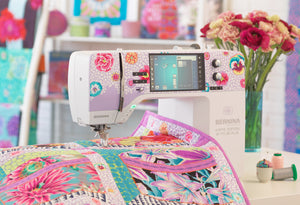
That’s one place machine features can help. Quilters who sew a lot of strip sets often like machines with strong fabric feeding systems. At High Country Quilts, one option quilters can compare is the BERNINA sewing machine lineup, including models known for features such as Dual Feed that help move layered fabric smoothly.
Here’s a useful visual lesson on precision piecing and strip sewing techniques:
Pressing isn’t an afterthought with Jelly Roll projects. It’s part of construction. A twisted seam or half-pressed join can throw off a whole strip set by the time you subcut it.
Sew a few seams, then pause and press. Small corrections are easy early and annoying later.
If you’ve ever wondered why one quilter’s strip quilt looks crisp and another looks slightly wavy, the difference is often this combination: seam consistency, supported feeding, and thoughtful pressing.
You are standing in front of two Jelly Rolls that both look right at first glance. One has soft florals, one has sharper contrast, and you already know those choices will change the whole quilt once the strips are sewn side by side. That is the point where shopping in person can save you from a project mismatch later.
At High Country Quilts, many quilters like to compare rolls with their own eyes before they commit. A fabric line can read one way on a screen and another way in your hands. Small prints may blend into a calm wash of color. Larger prints can act more like bold punctuation marks across the quilt top. If you have ever wondered why a finished Jelly Roll quilt looked busier or quieter than expected, print scale is often the reason.
An in-store visit also gives you room to ask the practical questions that matter with precuts. Does this roll have enough contrast for the pattern you chose? Will repeated fabrics look balanced in that layout, or too obvious? Are the pinked edges likely to affect your cutting plan? Pinked edges work like tiny zigzags cut into the fabric edge. They help reduce fraying, but they can make the strip look a little wider or narrower until you line it up carefully on your ruler. That is normal, and it helps to check a roll with your project in mind rather than buying by color alone.
Online shopping still works well for quilters who already know their style and preferred collections. The smart approach is to pause before checkout and plan the whole quilt, not just the roll. Match the collection to the pattern, then consider whether you want a quiet background, a stronger binding, or extra yardage for borders. A Jelly Roll is a little like a box of coordinated crayons. It gives you a ready-made palette, but the final picture still depends on how you use light, dark, and repeated color.
Named collections can also make planning easier. If you are comparing options such as All Star, Gypsy Soul, Blossoms and Blooms, Modern BG Even More, or Wild Honey, the collection name helps you track the mood you want while you compare pattern requirements. That matters more than many quilters expect. A strip race quilt, a log cabin variation, and a braided layout can all use the same roll, but each one shows off repeats, contrast, and large-scale prints in a different way.
If you want a little extra reassurance before you buy, partner resources with frequently asked questions can help answer broader shopping concerns. Then you can choose your Jelly Roll with a clearer plan, whether you visit High Country Quilts in person or shop from home.
Some quilting questions come up right at the end, after you’ve chosen a roll and started picturing the project. For broader shop and quilting help, Pinwheel Crafts has a handy page of frequently asked questions that covers common customer concerns in a simple format.
| Question | Answer |
|---|---|
| Can I mix Jelly Rolls from different designers? | Yes, if the colors and print scale work together. The safest mix comes from checking value contrast and overall mood rather than relying only on brand names. |
| What should I do with leftover strips? | Save them for binding accents, pieced borders, small zipper pouches, mug rugs, or scrappy blocks. Jelly Roll leftovers are unusually useful because the strips are already uniform. |
| Is Jelly Roll a generic term? | Quilters often use it casually, but Jelly Roll is associated with Moda. Other companies may use different names for similar 2.5-inch strip packs. |
| Do I need a special pattern made for Jelly Rolls? | Not always. Many strip-friendly patterns work well, and some basic blocks adapt nicely to 2.5-inch strips. It helps to read the cutting directions first so you know whether the pattern expects full-width strips or additional subcutting. |
| Are repeated fabrics always a problem? | No. Repeats can be helpful in controlled layouts. They only become frustrating when you expected more variety than the roll provides. |
If you’re ready to start your next quilt, browse High Country Quilts for Moda Jelly Rolls, coordinating fabrics, and quilting tools that help turn a beautiful roll into a finished project you’ll love using.
At High Country Quilts we care deeply about community. With our experiences in retail, we know that a store is not only a place to shop but also a place for the community to gather and share. During this busy...

Hi! We’re Adam and Renee Wheaton, the new owners of High Country Quilts! For more than 40 years, we’ve owned and operated vacuum and sewing businesses. Following in Renee’s father’s footsteps after he retired from All Discount Vacuum and Sewing in Colorado...


Leave a comment