
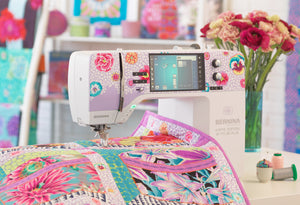

We Love Our Quilting Community
At High Country Quilts we care deeply about community. With our experiences in retail, we know that a store is not only a place to shop but also a place for the community to gather and share. During this busy...


You've got the top half of the quilt done, the backing is waiting, and the layers are starting to feel bigger than your patience. Hand quilting can turn a project you loved into a project you keep avoiding, especially when you want smooth finishes, even stitches, and a look that feels polished instead of puffy in the wrong places.
Longarm quilting classes change that rhythm. They break the machine, the frame, and the finishing process into steps you can readily follow, so the work stops feeling like guesswork and starts feeling repeatable. For many quilters, that kind of instruction matters because machine quilting has become the preferred finish for a large share of dedicated makers, and many of them do not belong to a guild or group, which makes structured learning a practical way to build skill and connection (APQS reference).
A good class does more than show you how to move fabric. It helps you build a core skill set, what I'd call Longarm Quilting Mastery, where setup, tension, motion, and design choices start to feel connected instead of random. For Colorado Springs quilters, that matters because local hands-on learning can shorten the gap between wanting to finish a quilt and knowing how to finish it well.
That local angle matters on the business side too. If you are booking a class at a place like High Country Quilts, you are often choosing between different class times, skill levels, and machine access options, and those details affect whether the class fits your schedule and your goals. Hobby quilters often focus on the technique first, then realize later that the right booking choice can save time, reduce stress, and make the whole experience easier to stick with.
Practical rule: if you can load a quilt smoothly, control tension, and keep the carriage moving without jerking, you are already ahead of most beginner frustration.
A quilt top can look finished right up until the final stage begins. Then the size, the layers, and the machine setup become the main challenge. A lap quilt may still feel manageable on a domestic machine, but a larger top can make every pass feel awkward, slow, and full of second-guessing.
Longarm quilting classes give you a clear way through that stage. They teach the finishing process step by step, the same way a good sewing teacher explains seam allowance before asking you to tackle a harder project. The goal is not to memorize machine parts. The goal is to help you finish quilts cleanly, with less stress, whether you are learning for your own projects or thinking about a side business.
That kind of instruction matters because the finish changes how the whole quilt comes together. A class helps you build the habits behind Longarm Quilting Mastery, including setup, tension, motion, and design decisions that start to work together instead of feeling like separate tasks. For Colorado Springs quilters, local hands-on learning can close the gap between wanting to finish a quilt and knowing how to finish it well.
The booking side matters too. If you are choosing a class at a place like High Country Quilts, you are usually comparing class times, skill levels, and machine access options. Those choices affect whether the class fits your schedule, your budget, and the pace you need as a learner. Hobby quilters often focus on the stitching first, then realize that the right booking decision also saves time and reduces stress.
The first challenge is usually not creativity. It is handling quilt bulk, choosing the right setup, and understanding why a longarm behaves differently from a regular sewing machine. Once those basics make sense, the process starts to feel more predictable.
Feedback is the second challenge. A class gives you a place to ask the questions that are hard to solve on your own, like why stitches wobble, why the top shifts, or why a dense motif looks simpler on video than under your hands. That direct support turns one lesson into practical skill.
If you want to compare class dates, formats, and machine details, take a look at the High Country Quilts longarm class calendar. It makes it easier to match a session to your own sewing pace.
The first thing most classes teach is that the machine itself sets the boundaries. Common longarm throat openings range from 15 to 18 inches, with larger systems reaching up to 26 inches, and that opening changes how much quilt bulk you can manage before you need to advance the quilt (BERNINA brochure). In plain language, throat space is like the workspace in front of your machine, the bigger it is, the less often you have to fight the quilt sandwich.
That's why a strong class starts with loading, not fancy motifs. Students usually practice threading, tension balancing, and straight-line stitching before moving to decorative work. If the machine isn't set up well, even a graceful feather pattern can look clumsy.
A well-paced lesson usually moves from simple motion to more complex planning, similar to learning to drive in a parking lot before you merge onto a highway. You don't start with dense micro-quilting, you start with consistent carriage control and a clean, steady line.
Useful habit: run tension checks on scrap before you touch the quilt you care about most.
After setup, many classes introduce paper pantograph practice, then continuous curves, and finally more decorative fills. Pantographs help you learn repetition and flow, while free-motion work trains your hands to move smoothly without fighting the machine. Once that becomes comfortable, feathers and denser motifs stop feeling like guesswork.
This is also where your machine choice matters more than beginners expect. A larger throat gives you more room to stitch motifs with fewer advances, and that helps reduce fabric drag when you're working on bigger tops or king-size quilts. If you're shopping for setup tools, rulers, and throat-space aids, the High Country Quilts machine setup product page is a practical place to compare what supports your classwork.
If you learn better by watching movement than reading about it, the following demo can help the machine-to-carriage relationship make more sense.

A student who is learning the frame for the first time needs a very different class from someone who already understands stitch regulation and wants help refining design choices. A class that matches your stage saves frustration, because longarm quilting is a little like learning a new instrument, the basics come first, then your hands can start focusing on rhythm and style.
A beginner class usually starts with machine operation, loading, tension, and safe handling. If you are still getting used to how the frame moves and how the quilt sandwich shifts across it, this level gives you the steady foundation you need.
An intermediate class often adds more free-motion control, ruler work, or guided motif practice. Those skills help your stitching look deliberate instead of tentative, the way practice scales eventually turn into music you can play without stopping to think about every note.
An advanced class usually goes deeper into layout, computer-guided quilting, or project-specific troubleshooting. Looking at past schedules from institutions like Longarm University, which often hold sessions in months like July, September, and November, shows that structured longarm instruction keeps drawing repeat enrollments rather than one-time curiosity.
A shorter workshop works well if you want a quick skill boost, a machine demo, or a focused topic. It gives you a concentrated block of practice, like a lesson that hones one stroke instead of trying to paint the whole picture at once. Multi-day classes give you more time to practice, make mistakes, and come back with better questions.
A private session can be a better fit when you want the teacher to correct posture, carriage motion, and setup habits in real time. A group class can work better when you learn by watching other people make the same mistakes you are making, because that can clarify a problem faster than struggling alone.
Good fit test: choose the format that matches your attention span, not the one that sounds the most ambitious.
If you want a more personal pace, explore the private longarm tutoring page. If you would rather learn alongside other makers, the right group workshop can give you shared practice and the chance to compare notes during class.

A student who arrives prepared spends class time learning the machine instead of sorting through missing supplies. That matters in longarm quilting, where the frame, carriage, and stitching path all respond to small adjustments. If you already quilt, you may have more of the needed items than you expect. If you are new to the format, borrow what you can and bring the tools that help you practice cleanly.
A beginner class listed by APQS beginner class includes thread, needles, batting, backing fabric, loading, machine operation and safety, tension balancing, paper pantographs, machine care, and business tips. That list shows how practical the starting point can be. If a supply helps you test stitches, manage fabric, or remember settings, bring it.
Set aside a small practice area at home if you can. You do not need a full studio, just enough room to test thread, write notes, and review what you learned without unpacking everything again. If you are renting or borrowing a machine, ask what is included so you do not buy the same item twice.
Check the class details before you leave home, especially if the class is tied to local booking options in Colorado Springs. A clear setup helps you spend your time on quilting choices instead of wondering whether you brought the right thread, the right fabric, or the right tools. If you plan to learn at High Country Quilts, the store can also help you line up machines, fabrics, and accessories in one place, which keeps the preparation part simple.
A class is easier to commit to when the cost is plain from the start. That matters for longarm learners because the first session often decides whether the frame feels inviting or intimidating. Clear pricing works like a pattern note on your quilt top, it keeps your attention on stitching instead of guessing what each hour will cost.
| Class Type | Duration | Price |
|---|---|---|
| Intro longarm session | First 2 hours | Free |
| Machine rental and guided practice | Per hour after that | $15 per hour |
That kind of structure is familiar in hands-on longarm instruction, including the pricing model used by Quilter's Haven. For Colorado Springs quilters, it gives a simple way to compare practice time, machine access, and how long you want to stay at the frame in one visit.
Start with the calendar, then match the class level to where you are now. If you are new to longarm work, a guided session gives you room to learn the rhythm before you pay for extra machine time. That matters because loading, tension, and carriage movement all make more sense once you have seen them once on the machine.
A class schedule from Longarm University class schedule notes that some attendees are still figuring out what machine to use and what features fit their goals. The same kind of decision comes up in Colorado Springs, especially if you are weighing whether to learn on a rented frame now or wait until you buy your own setup. That choice affects not only your comfort level, but also the way you budget for practice and future classes.
For booking in Colorado Springs, use the High Country Quilts booking page to check openings and hold your spot. If you like to plan ahead, that is the simplest way to match your schedule with the class time you want.

A new longarm student may walk in wanting one thing, then realize another goal matters more. One quilter may only want a cleaner finish on personal projects. Another may be testing whether quilting for friends, guild members, or paying customers makes sense. The right class depends on which result you want first, because the frame time, the teaching focus, and even the follow-up work are different.
If your goal is creative satisfaction, choose a class that centers on motion control, texture, and design confidence. Those lessons usually feel a lot like learning to drive in an empty parking lot before joining traffic, because the point is to get comfortable with the machine without a lot of pressure. Classes built around hobby use are a good fit if you want smoother, more polished quilts and you want the process to stay fun.
There is a tradeoff. Hobby-focused classes often leave out the parts that matter if you later decide to quilt for others, such as pricing and client communication. That is fine if you are only trying to improve your own work and do not need a service model.
If you want to quilt for others, the business side belongs in the class from the start. Pricing, customer communication, and workflow decisions affect your schedule just as much as stitch quality does. A class can teach you to move the machine, but a service-minded class also helps you understand what happens before the quilt ever reaches the frame and after it leaves it.
The Longarm University daily schedule shows that some classes include “Pricing Cost Analysis,” “What It REALLY costs to put a quilt on a quilting machine,” “Finding Customers,” and “The Un-Happy Customer - What to Do??” Those topics point to a practical truth, the hardest part is not always stitching well, it is deciding whether you are learning for personal projects or for a business workflow.
Decision rule: choose a class that names pricing, customers, and workflow if your goal is to earn money from longarming.
For Colorado Springs quilters who want to compare class styles, machine practice, and the business side of longarm work, An infographic comparing the benefits and drawbacks of hobbyist versus professional creative class learning paths. is a useful guide. If you are still deciding, choose the class that teaches both the machine and the workflow, then let your next quilt show you what to study next.
Do you need your own machine? Not always. Some longarm students attend before they buy, and that can be a smart move if you want to test the feel of the frame and the workflow first. A class can help you understand what type of machine fits your goals instead of guessing from online listings.
What if you live outside Colorado Springs? You can still use the same decision process. Look for classes that give you clear prep lists, a defined skill level, and enough practice time to make the trip worthwhile. The best class for a traveling student is the one that leaves you with repeatable skills, not just a notebook full of notes.
How much computer guidance is included? That depends on the class level. Some classes stay with hand-guided basics, while others move into software, design areas, repeats, and troubleshooting. If you want automation help, make sure the class description names those topics before you enroll.
What should you do next? Pick the class that matches your current quilt, your current machine, and your current confidence level. Then book a seat before you talk yourself out of it. The sooner you get real time on the frame, the sooner longarm quilting stops feeling like a special skill and starts feeling like your skill.
High Country Quilts offers longarm quilting classes, fabric, machines, and in-store guidance for Colorado Springs quilters who want to finish projects with more confidence. If you're ready to build real frame-time skills and choose a class that fits your goals, visit High Country Quilts and reserve your spot.
At High Country Quilts we care deeply about community. With our experiences in retail, we know that a store is not only a place to shop but also a place for the community to gather and share. During this busy...

Hi! We’re Adam and Renee Wheaton, the new owners of High Country Quilts! For more than 40 years, we’ve owned and operated vacuum and sewing businesses. Following in Renee’s father’s footsteps after he retired from All Discount Vacuum and Sewing in Colorado...


Leave a comment