

We Love Our Quilting Community
At High Country Quilts we care deeply about community. With our experiences in retail, we know that a store is not only a place to shop but also a place for the community to gather and share. During this busy...


You sit down to quilt, the patchwork is lined up, and the first few seams look good. Then the machine starts skipping stitches on the thick spots. A knot forms under the fabric. The sound changes from a steady hum to something rough and wrong.
That moment is frustrating because sewing machine problems rarely announce themselves clearly. One issue can look like five different issues. A bent needle can mimic a timing problem. Lint in the bobbin area can look like bad tension. Incorrect threading can make a perfectly healthy machine seem broken.
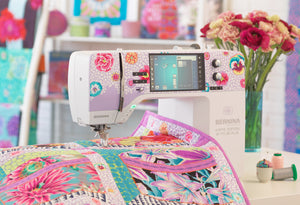
Good local sewing machine repair starts before the machine ever reaches the shop. If you know what to check at home, you avoid unnecessary service calls. If you know where DIY stops, you also avoid turning a small fix into a larger repair. For quilters, especially those using BERNINA or other precision machines, that line matters.
A common quilting failure starts innocently. You switch from piecing cotton blocks to quilting through a sandwich with batting, and the machine suddenly protests. The stitches shorten. The top thread snaps. You hear a thump every time the needle drops into a bulky seam.
That does not always mean the machine needs bench work. It means the machine is reacting to something, and your job is to notice what changed.

Some symptoms usually come from user setup, not a damaged machine.
Other symptoms suggest the machine itself may need attention.
If the sound changed, pay attention. Quilters often notice noise before they notice the fault.
A machine problem is easier to identify when you connect it to a condition.
Ask yourself:
Those details matter at the repair counter. “It skips on bulky intersections with a fresh 90/14 needle” is far more useful than “it’s acting weird.”
Local sewing machine repair is fastest when the symptom is specific. The more clearly you describe what the machine does, the easier it is to separate operator error from a true mechanical or electrical problem.
Most machines that come in with “bad tension” do not have a failed tension unit. They have lint, threading errors, a worn needle, or a bobbin issue. That is why a short home triage routine saves money and time.
Forums and Reddit threads reveal a significant number of posts in the last year asking whether owners can clean a Bernina themselves before repair, and Google Trends shows a 25% spike in searches for “sewing machine tension fix DIY” since 2025, which tells you many quilters are looking for pre-service guidance before booking repair (PAL’s Sewing and Vacuum service page).

Lint collects where quilters work the hardest. The bobbin race, feed dogs, needle plate opening, and hook area all catch tiny fibers. Quilting cotton, batting, and thread dust build up faster than many people expect.
A small wad of lint can change how the thread moves. It can also interfere with feeding and make the machine sound rough.
Use the cleaning tools approved for your machine. Remove what is easy to access. Brush out visible debris carefully. If your model allows bobbin area access, clean there too. Stay gentle. This is not the place for improvising with sharp tools.
Needles are cheap. Troubleshooting time is not.
A damaged, dull, or wrong-size needle can cause skipped stitches, shredded thread, puckering, and that maddening feeling that the machine has “gone out of adjustment.” On quilting projects, the problem often appears right when the project gets bulky.
If you have been trying fix after fix with the same needle, stop and install a fresh one correctly. Make sure it is fully inserted and oriented the way your machine requires.
Do not “touch up” the threading. Remove it all and start over.
Raise the presser foot before threading so the thread can seat correctly in the tension discs. Follow every guide. Reinsert the bobbin carefully and make sure it is wound evenly. An uneven or poorly seated bobbin can create inconsistent stitch formation that looks far more serious than it is.
A lot of machines sent in for local sewing machine repair recover after nothing more glamorous than a full rethread and a clean bobbin setup.
Tension changes should be small and deliberate. Test on scrap fabric that matches the layers you are sewing. If you are free-motion quilting through a quilt sandwich, test on a sandwich. If you are piecing two cotton layers, test on that.
Look for balanced stitch formation rather than chasing a perfect dial number. The right setting is the one that works on your materials.
If each adjustment makes the stitches worse, return to a neutral setting and check threading again before turning more knobs.
Stop troubleshooting at home if:
That is the point where local sewing machine repair becomes the cheaper choice, even if it does not feel that way at first.
Picking a repair shop is not just about who is closest. It is about who understands the machine sitting on your sewing table.
A general appliance repair background can help with motors and switches, but quilting machines bring their own issues. Hook timing, feed behavior, specialty feet, stitch regulation systems, and computerized menus are not side topics. They are the work.
When you call a shop, listen less for confidence and more for specificity.
Ask:
A true sewing machine technician tends to ask fabric-specific questions. They want to know whether the issue appears during piecing, quilting, or buttonholes. They ask about needle type, thread weight, and whether the problem happens with one stitch or all stitches.
A general repair counter often stays broad. “Bring it in and we’ll look at it” is not wrong, but it tells you less about their day-to-day experience with sewing equipment.
Here is a quick comparison:
| Repair option | Better for | Potential limitation |
|---|---|---|
| Dedicated sewing machine technician | Stitch quality, feed issues, tension, timing, quilting use | May have a waitlist |
| Authorized brand service | Brand-specific diagnostics, firmware, proprietary procedures | May be more selective about unsupported modifications |
| General appliance repair | Basic electrical faults on simpler machines | Less likely to focus on sewing-specific calibration |
A shop can show up well online and still not be the right bench for your machine. Businesses that excel at local SEO are easier to find, but visibility is only the first filter. After that, ask the practical questions above and judge the answers.
The best repair conversation usually sounds calm, specific, and slightly boring. That is a compliment. Precision work should not feel vague.
A good local sewing machine repair service does not rush you into a drop-off. They help you decide whether the problem sounds simple, urgent, or brand-specific.
A BERNINA usually gives you plenty of warning before it quits outright. The machine starts sounding slightly different. Satin stitches lose their clean edge. Free-motion work feels less predictable even though your setup has not changed.
That is the point where many quilters try one more cleaning, one more needle change, and one more tutorial. Sometimes that is enough. Sometimes it turns a correctable issue into a longer bench job.

On older, simpler machines, experienced technicians can often make mechanical corrections with fewer brand-specific steps. BERNINA machines, especially newer models, demand tighter setup and closer attention to factory procedure. Hook relationship, needle position, sensor behavior, and stitch formation all have to agree with each other.
That matters with timing complaints. A machine can appear better after a small adjustment and still remain slightly out of specification. Quilters usually notice that quickly on piecing, buttonholes, or decorative stitches.
I see this pattern often. Someone follows a video, gets the machine sewing on a scrap, then the skipped stitches come back once the project changes or the speed goes up.
Authorized service matters even more on computerized models. The repair is not only about oil, lint, and moving parts. It can also involve calibration routines, electronic diagnostics, firmware, and model-specific service information that a general repair bench may not have.
That does not mean every independent shop is unqualified. Plenty of good technicians handle routine service well. The trade-off is access. On a brand-specific problem, an authorized technician is more likely to have the correct procedures, the right test setup, and familiarity with failure patterns on that exact line of machines.
For a BERNINA owner, authorization usually affects the repair in practical ways:
If your machine needs basic cleaning or a simple mechanical correction, a skilled local technician may be enough. If the issue involves timing, electronics, inconsistent stitch behavior, or a newer BERNINA that has already resisted DIY fixes, authorized service is often the safer and less expensive path in the long run.
In Colorado Springs, High Country Quilts is one local option for BERNINA service and support, along with repair work on other brands.
Dropping off a machine feels simpler when you know what the counter needs. Most repair delays start with missing accessories or missing information.
Bring the machine in the condition that best helps the technician reproduce the problem. That usually means bringing the essentials, not your entire sewing room.
Use this checklist before heading out.
| Item | Why It's Needed |
|---|---|
| Power cord | The technician needs to confirm the machine powers correctly with its own setup. |
| Foot control | Speed or start-stop complaints can come from the controller, not the machine body. |
| Bobbin case or related bobbin parts | Stitch issues often trace back to the exact parts you use every day. |
| Needle plate or specialty part involved in the issue | Helpful if the problem appears only with a specific configuration. |
| A sample of the fabric or quilt sandwich | Reproducing the problem on the same material can speed diagnosis. |
| Thread used when the issue happened | Some problems show up only with a certain thread weight or finish. |
| A short written description of the symptom | Clear notes prevent details from getting lost at intake. |
Leave extra presser feet, manuals, and accessories at home unless the shop asks for them.
A good intake is part conversation, part observation. The person receiving the machine should ask what the machine is doing, when it started, and whether the issue is constant or intermittent.
Be specific. “Birdnesting underneath during free-motion quilting on batting” is useful. “Bad tension” is less useful.
Some shops can give a likely direction right away. Others inspect first and call with an estimate after they verify the fault. That is normal.
This is a large working trade, not a tiny niche. The global sewing machine repair market is valued at about $2 billion annually, and typical repair costs vary by machine type. Mechanical models average $75, computerized models $100, and long-arm machines around $80, depending on labor rates and parts availability (sewing machine repair cost overview).
Those figures are useful for expectations, not for quoting your exact machine. Final cost depends on what the technician finds, whether parts are needed, and how specialized the repair is.
Bring the symptom, the accessories tied to that symptom, and one clear explanation. That combination helps more than bringing a stack of guesses.
When you pick up the machine, ask what was corrected and what you should watch next. If the shop tested it on fabric, ask what fabric behavior they observed. If a part is wearing, ask whether it needs monitoring.
A strong local sewing machine repair shop sends you home with more than a fixed machine. You should also leave with a clearer idea of how to avoid the same issue on the next project.
The easiest repair bill to handle is the one you never create. Most quilting machines benefit from a routine that is simple enough to repeat and specific enough to matter.

A realistic care routine usually works better than an ambitious one you abandon after a week.
Try this approach:
These habits reduce false alarms. They also make true problems easier to spot because you are not troubleshooting through old lint and a tired needle.
Mechanical machines often forgive small user errors. Computerized and connected machines are less forgiving in different ways. They may require both physical maintenance and occasional digital attention.
That matters because machine technology is changing faster than many care routines are. As noted earlier, smart sewing machine shipments are rising, and remote diagnostics may shorten the service cycle for some issues. If your machine has connected features, treat software prompts and update guidance as part of maintenance, not as an afterthought.
For a visual refresher on basic upkeep, this video is a useful companion to a regular cleaning routine.
The biggest maintenance mistake is often overconfidence. Quilters who are comfortable changing needles and cleaning lint sometimes assume they should also adjust internal settings, gears, or hook relationships. That is where a simple tune-up becomes a repair job.
Do the maintenance your manual supports. Stop before internal calibration work starts. That line protects both the machine and your sewing time.
Clean regularly. Change needles sooner than you think. Escalate sooner than you want to when metal, motors, or electronics seem involved.
Local sewing machine repair works best when it is part of a larger care routine, not the only plan you have once something fails.
If your machine has reached the point where cleaning and rethreading are no longer changing the result, it may be time for a professional evaluation. High Country Quilts offers local support for quilters in Colorado Springs who need sewing machine service, brand-specific guidance, or help deciding whether a machine needs repair at all.
At High Country Quilts we care deeply about community. With our experiences in retail, we know that a store is not only a place to shop but also a place for the community to gather and share. During this busy...

Hi! We’re Adam and Renee Wheaton, the new owners of High Country Quilts! For more than 40 years, we’ve owned and operated vacuum and sewing businesses. Following in Renee’s father’s footsteps after he retired from All Discount Vacuum and Sewing in Colorado...


Leave a comment