
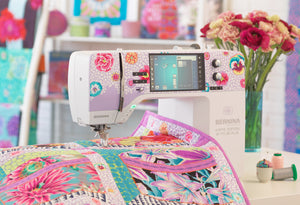

We Love Our Quilting Community
At High Country Quilts we care deeply about community. With our experiences in retail, we know that a store is not only a place to shop but also a place for the community to gather and share. During this busy...


You’ve probably had this moment already. You finish a quilt top, press a seam flat, admire those tidy points, and think, “I can sew. So why does making a dress feel like a different language?”
That feeling is normal.
Garment sewing asks for a different kind of attention than quilting. In quilting, your fabric behaves. Your blocks are flat. Accuracy matters, but your body isn’t part of the equation. A dress changes all that. Suddenly you’re thinking about drape, movement, fit, facings, and whether the neckline will sit smoothly instead of waving around like it has its own opinion.
A lot of first-time garment sewers in Atlanta walk into a shop carrying great quilting skills and one big worry. They don’t want to cut into good fabric and ruin it. They don’t want to buy a pattern and get lost before they even thread the machine. They want one project that makes sense from start to finish.
That’s exactly what this guide is for. If you’ve never made clothing before, or if you’ve sewn quilts, bags, or home decor and want to branch out, you can absolutely learn how to sew a dress for beginners without turning it into a frustrating marathon. The key is choosing a forgiving pattern, using stable fabric, and following a construction order that keeps everything manageable.
You do not need couture skills. You need a simple pattern, a little patience, and a willingness to use the seam ripper when needed. That’s not failure. That’s sewing.
A first dress doesn’t need to be fancy to feel like a milestone.
One of the most satisfying projects for a beginner is a simple woven dress that slips over your head, has only a few pattern pieces, and teaches the core skills you’ll use again and again. You sew shoulder seams. You sew side seams. You finish a neckline. You hem. That’s the foundation of a huge amount of garment sewing.
If you’re coming from quilting, you already have a real advantage. You know how to cut carefully. You understand seam allowances. You probably press more neatly than many brand-new garment sewers. Those skills transfer beautifully.
The blind spots show up in different places. Quilters often trust fabric too much because quilting cotton stays put. Garment fabric can shift, stretch, and hang in ways patchwork never does. Quilters also tend to focus on flat accuracy, while garments depend on shaping and body measurements.
Practical rule: Your first dress should teach skills, not test your patience.
That’s why I usually point beginners toward a shift dress, tunic dress, or another relaxed woven design with clean lines and no complicated closures. You’ll still learn plenty, but you won’t be wrestling with zipper insertion, fitted sleeves, or tricky knit recovery on day one.
There’s history behind why home dressmaking feels so approachable now. The home sewing boom traces back to the 1850s, when Isaac Singer’s continuous-feed sewing machine helped reduce the time to sew a dress from days to mere hours, changing garment construction for home sewers in a lasting way, as noted by Sussex Seamstress in its sewing history overview.
A handmade dress also changes how you shop and how you see clothes. You stop asking only, “Do I like this?” You start asking, “How was this put together?” That’s when sewing becomes more than a hobby.
You bring a real advantage into garment sewing if you already quilt or make other fabric crafts. You probably own more tools than you think you need, and that is good news. The goal now is not to buy every gadget on the notions wall at an Atlanta fabric shop. The goal is to gather the small set of tools that keeps your first dress clear, accurate, and pleasantly boring.

A first dress usually goes sideways for ordinary reasons. The scissors drag. The pattern is too advanced. The markings never get transferred, so two pieces that looked obvious on the table stop making sense at the machine. Good prep prevents a lot of that.
Start with tools that solve a specific problem.
If you already own a rotary cutter and mat, keep them nearby. They can be useful on stable woven fabric. For a first garment, though, many beginners feel more in control with shears because curves, corners, and seam shapes are easier to follow by eye.
The best first dress pattern is the one that teaches garment order without adding extra drama.
Look for these features:
According to Craftsy’s guide to sewing a dress, beginner dress patterns usually have fewer pattern pieces and are easier to assemble than advanced designs with many fitted sections and construction steps. That matches what I see when helping first-time garment sewists. If the pattern asks you to learn facings, seam order, and hemming all at once, that is plenty for a first round.
Styled pattern photos can be misleading. The line drawing is more honest. It shows the structure of the dress, where the seams sit, whether there is shaping, and how much construction work hides behind the pretty fabric choice.
If the technical drawing looks calm and the instruction sheet feels readable, you are probably choosing well.
Pattern envelopes and PDF listings cram a lot into a small space. New garment sewists often look at the photo first and miss the details that determine whether the project will feel manageable.
Check these five things before you commit:
For quilters, one blind spot shows up here. Quilt patterns often assume a block-by-block workflow, where you can see the design build in a flat layout. Garment patterns ask you to trust the process more. A curved facing may look strange on the table and make perfect sense later. That is normal.
Pattern prep is not glamorous, but it deserves your attention. A poorly printed or badly assembled PDF can create problems that look like sewing mistakes later, even when your stitching is fine.
Common trouble spots include:
A lot of first-project frustration starts right here, before fabric ever hits the table. Since you may want a quick visual refresher before assembling your first PDF pattern, this short video helps show the process:
Use a steady order and the pages become much less annoying.
If a PDF pattern makes you grumble, that does not mean garment sewing is not for you. It means pattern prep is a separate skill, and like accurate cutting or careful pressing, it gets easier fast with repetition.
Before you cut anything, gather:
That is enough to start with confidence. In a good beginner project, your tools should fade into the background so you can focus on learning how a dress comes together.
Fabric choice decides how cooperative your first dress will feel.
If your pattern is simple but your fabric is slippery, stretchy, or limp, the project suddenly gets much harder. If your pattern is simple and your fabric is stable, you can focus on learning construction instead of chasing shifting edges across the table.
For first garments, I steer beginners toward woven cottons, cotton poplin, chambray, and linen blends. Quilters often ask about quilting cotton, and the honest answer is yes, you can use it. It won’t drape like a floaty rayon dress, but it’s stable, easy to cut, and easy to sew. For a shift dress or tunic, that can be a very good trade.
Woven fabric usually stays flatter on the cutting table and behaves more predictably under the presser foot. That matters when you’re learning garment order, seam matching, and neckline finishing for the first time.
Fabric prep matters just as much as fabric choice. Seamwork’s first-garment tutorial notes that you can achieve 90% first-garment success by prioritizing fabric prep. The same guidance says pre-washing fabric can prevent up to 50% of post-sewing fit failures caused by shrinkage, and pressing fabric flat before cutting can eliminate 65% of side-seam mismatch issues.
That’s why I say pre-washing and pressing are not “nice if you have time” steps. They are part of sewing.
Fabric that shrinks after the dress is finished doesn’t care how carefully you stitched it.
| Fabric Type | Ease of Sewing | Best For | Notes |
|---|---|---|---|
| Cotton poplin | Easy | Shift dresses, tunics, simple everyday dresses | Crisp, stable, and beginner-friendly |
| Quilting cotton | Easy | Structured casual dresses | Very manageable, though it can feel firmer and less fluid |
| Chambray | Easy to moderate | Relaxed dresses with soft shape | Usually easy to handle and comfortable to wear |
| Linen blend | Moderate | Simple dresses with a more relaxed look | Press well before cutting because wrinkles can distort layout |
| Rayon or viscose woven | More difficult for beginners | Later projects once you want more drape | Can slide, shift, and stretch during cutting and sewing |
Garment sizes aren’t the same as ready-to-wear store sizes. That catches a lot of first-time dressmakers off guard.
Take your measurements in the undergarments you plan to wear with the dress, and stand normally. Don’t suck in your waist. Don’t pull the tape tight enough to leave marks. You want honest numbers so the dress can fit a real body on a real day.
Focus on:
Then compare those measurements to the pattern size chart, not to what size you buy in a store. If your measurements fall across different sizes, don’t panic. That’s common in garment sewing.
Here’s the order I teach in class:
For quilters, habits can both help and hurt. Your pressing skills are useful. Your instinct to “make it fit” on the fabric can be risky. Garment pieces need proper grainline placement even if that uses more yardage than you’d prefer.
Use this quick decision guide when you’re at the store or shopping your stash:
A calm first project teaches more than a dramatic struggle.
At some point, the fabric stops being fabric and starts becoming clothing. That shift happens one seam at a time.
If you’ve quilted before, this part will feel familiar and unfamiliar all at once. You know how to sew accurately. What’s new is that every piece has direction, shape, and a job. The front bodice has to become a front bodice. The neckline has to sit smoothly. The side seams have to agree with the rest of the garment.

The grainline arrow on each pattern piece is not decoration. It tells you how that piece should sit on the fabric so the finished dress hangs correctly.
If you ignore grainline, you can end up with side seams that twist around your body, a hem that swings unevenly, or a dress that looks fine on the table and strange once worn.
For your first dress:
Accurate cutting saves a lot of confusion later.
Cut smoothly around curves rather than making jagged little snips. If you need a break, stop. Rushing curved armholes or necklines leads to uneven seam allowances, and those show up later when you try to finish edges neatly.
Transfer these markings before moving on:
Chalk, a washable marker, or tailor’s tacks can all work. The method matters less than making sure the marks are visible and understandable.
The best time to mark a dart is before the fabric pieces get mixed up and start looking like identical puzzle parts.
A beginner-friendly dress usually comes together in a calm sequence. Don’t jump around because one step looks more exciting than another.
A common order looks like this:
That order keeps the garment stable while you work and lets you make simple fit checks before the final finish.
Quilters often dislike darts at first because they feel fussy and unfamiliar. But darts are folds stitched into fabric to shape a flat piece around a curved body.
To sew a dart:
Press darts as your pattern directs. Usually that means pressing them toward the center or downward, depending on location.
If a dart looks lumpy, it usually means the stitching ended too abruptly near the point or the fold shifted while sewing.
Once darts are done, the dress starts taking form fast.
Match shoulder seams carefully and sew with the seam allowance your pattern specifies. Most commercial patterns use a 5/8-inch seam allowance, but always follow your actual pattern markings rather than memory.
Backstitch at the start and end of seams so they don’t pop open with wear. Then press those seams right after sewing. Not later. Right then.
For side seams, match notches and underarm points before sewing. If one side seems longer than the other by a noticeable amount, stop and check whether a piece got cut inaccurately or stretched during handling.
A first dress often looks “homemade” or “handmade” based on the neckline alone. A smooth neckline signals control.
If your pattern uses a facing, treat that facing as part of the dress, not as an annoying extra. Interface it if instructed. Sew the facing pieces together neatly. Press them. Clip curves when needed after stitching so the neckline can turn cleanly.
Two terms matter here:
These aren’t decorative extras. They solve common beginner problems before they happen.
If your pattern has a V-neck, curved neck, or any neckline that wants to grow while you handle it, staystitch early. Then don’t keep picking up the piece and letting it dangle from the edge.
Many beginners think sewing is what happens at the machine. In truth, half the clean finish comes from pressing.
Press after cutting if the fabric wrinkled again. Press after darts. Press shoulder seams. Press the facing before and after attaching it. Press side seams.
Use an up-and-down motion with the iron rather than sliding it around and stretching the fabric. Quilters usually understand pressing better than garment beginners, which is a real advantage here.
Try the dress on before hemming. This is when you check:
If something looks odd, don’t assume you failed. Garment sewing is a conversation between pattern, fabric, and body. The fitting stage is where you listen.
When people first learned to sew dresses at home on early machines, the big breakthrough wasn’t just speed. It was access. Home sewing made it possible for ordinary people to construct wearable garments in practical time. You’re part of that same line of makers every time you turn flat cloth into a finished dress.
A dress can be technically complete and still not look finished.
That’s the moment when many beginners get impatient. They’ve sewn the main seams. They can put the dress on. They want to call it done. Resist that urge. The final details are what make the dress look intentional.

A hem isn’t just the end of the dress. It’s the line your eye follows around the whole garment.
For a first dress, a simple double-fold hem is usually the cleanest choice. Press up the raw edge once, press again to enclose it, then stitch close to the folded edge. Take your time around curves. A tiny bit of patience there pays off every time you wear the dress.
If the hem ripples, one of three things usually happened:
Slow down and re-press before blaming yourself.
People often use “homemade” to mean “not pressed enough.”
That sounds blunt, but it’s true. Pressing sharpens edges, settles stitches, shapes seams, and helps the whole dress hang better. A garment straight from the machine usually looks rumpled. The same garment after careful pressing looks considered.
A well-pressed simple dress almost always looks better than a complicated dress with rushed finishing.
Beginners sometimes think fitting means major alteration work. For a first dress, the most useful fixes are often very small.
Take in the side seams gradually. Start with a modest adjustment and sew one side, then the other, checking that both sides stay balanced. Try the dress on again before trimming or finishing anything permanently.
A neckline can gape for several reasons, including stretching during handling or a shape mismatch between pattern and body. Sometimes a better press and proper understitching help. In other cases, taking a tiny bit from the shoulder or center neckline area can improve the way it sits.
Check whether the seam allowance was clipped and pressed correctly, and whether the facing or edge finish is pulling. Don’t assume the problem is your body. Sometimes the fabric needs to be turned, clipped, and pressed more carefully.
The phrase “handmade” should signal care, not apology.
A first dress won’t look factory-produced, and that’s fine. You’re not chasing factory sameness. You’re learning how fabric, fit, and finish work together. The point of these finishing steps isn’t perfection. It’s clarity. The hem looks cleaner. The neckline behaves better. The seams sit flatter. The dress lasts longer.
For quilters especially, this is a mindset shift. In quilting, the front often carries the visual story. In garments, people notice movement, drape, and edge finish first. A neat inside facing and a flat hem may matter more than a dramatic print.
That’s why the last stretch of the project deserves your best attention.
You finish a seam, turn the dress right side out, and something looks off. The stitches are looping underneath. One side hangs a little longer. The neckline twists even though you followed the pattern. That moment can rattle a first-time garment sewer, especially if you come from quilting, where flat pieces behave more predictably.
Garment sewing asks different questions. Instead of asking, “Did these edges match?” you also have to ask, “How is this fabric hanging on a moving body?” That shift takes practice.

Start by checking the last thing you changed. If the machine stitched well yesterday and acted up today, the problem is often threading, needle condition, or fabric handling rather than the whole project falling apart.
The best next project is usually not a harder pattern. It is a second project that repeats one or two of the same skills with less pressure.
Good choices include:
That third option teaches a lot, especially for quilters. Sewing the same basic dress in quilting cotton and then in a softer woven is like using the same quilt block in two different fabrics. The pieces may be cut the same, but the finished result behaves differently. You start to see what drape really means, not just what the word says on a fabric tag.
A local sewing circle, class, or open studio can save you hours of second-guessing. Sometimes all you need is another set of eyes to say, “That bodice is twisted,” or “Your back piece is upside down.” Anyone who has sewn long enough has made both mistakes, usually more than once.
That matters in Atlanta, where you can find plenty of makers who quilt, sew bags, and are just starting garments too. The Famcut.com community has that mix. You are not walking in as the only beginner. You are joining people who already understand fabric, tools, and patience, and are now learning fit, drape, and construction right alongside you.
Your first dress is your starting point. Keep notes, save your pattern, and mark what you would change next time. That is how confident garment sewing begins.
At High Country Quilts we care deeply about community. With our experiences in retail, we know that a store is not only a place to shop but also a place for the community to gather and share. During this busy...

Hi! We’re Adam and Renee Wheaton, the new owners of High Country Quilts! For more than 40 years, we’ve owned and operated vacuum and sewing businesses. Following in Renee’s father’s footsteps after he retired from All Discount Vacuum and Sewing in Colorado...


Leave a comment