
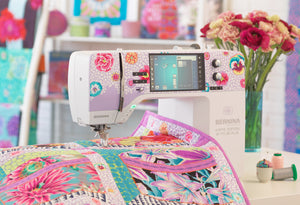

We Love Our Quilting Community
At High Country Quilts we care deeply about community. With our experiences in retail, we know that a store is not only a place to shop but also a place for the community to gather and share. During this busy...


Diving into corset making is an incredible experience that marries technical precision with pure artistry. It's about more than just sewing; you're engineering a supportive garment, piece by piece. With the right guidance and a bit of patience, you can absolutely create a stunning, custom-fitted corset that you'll be proud of.
Welcome to the world of corset making! It might seem intimidating from the outside, but I promise it's a skill anyone can learn. Forget the idea that this is some impossibly complex craft. We're going to break it down into simple, manageable stages so you always know exactly what comes next.
At its heart, corsetry is a specialized form of the art of bespoke tailoring, where the ultimate goal is a perfect, personalized fit. That's what we're aiming for here.
Think of this guide as your personal roadmap to creating a piece that’s both beautiful and a real testament to your skills. Whether you’re a cosplayer chasing historical accuracy or a dedicated sewer looking for a new challenge, modern materials have made this craft more accessible than ever. The secret is just to have a solid plan.
Before you start, here's a quick look at the path ahead. This is the general flow we'll follow:
Early corsets, dating back to around 1750, were entirely hand-sewn, a painstaking process that took countless hours. The invention of the sewing machine in 1846 changed everything, cutting production time by as much as 90%. As a modern maker, you get the best of both worlds—blending historical structure with today's efficiency. You can dive deeper into these historical methods with some great insights from historical corset making on Lucy's Corsetry.
To give you a bird's-eye view of your project, here’s a quick summary of what you'll be undertaking.
| Stage | Key Objective | Essential Supplies |
|---|---|---|
| 1. Pattern & Fit | Create a mock-up to ensure a perfect, custom fit before final construction. | Pattern, measuring tape, mock-up fabric (e.g., muslin or cotton duck). |
| 2. Materials & Cutting | Select and prepare all components, ensuring strength and structure. | Coutil (strength layer), fashion fabric, steel boning, busk, waist tape. |
| 3. Assembly | Stitch panels, create boning channels, and insert structural elements. | Sewing machine, strong thread, scissors, pins. |
| 4. Finishing | Install hardware and complete the edges for a professional, durable garment. | Grommet setter, lacing, binding fabric, awl. |
This table maps out the main phases, but don't worry—I'll be walking you through each one, step-by-step. You’ll feel confident from the very first stitch to the final triumphant fitting. Let’s get started.
A corset isn't just sewn; it's engineered. The materials you choose are what separate a truly supportive, beautiful garment from a lumpy, uncomfortable costume piece. Getting this part right from the start will save you a world of frustration and set you on the path to a professional-quality corset you'll be incredibly proud of.
Think of it this way: every single item on your shopping list has a critical job. The fabric is the foundation, the boning provides the structure, and the hardware is what holds it all together under serious tension. Let’s walk through what you’ll need to gather your supplies with confidence.

At a minimum, your corset needs two layers: a tough inner "strength" layer and a comfortable lining. Many corsets also feature a third, decorative "fashion" layer on the outside. If you're just starting, my advice is to nail the strength layer first—it’s the most important part.
The absolute gold standard here is coutil. It’s a specialty fabric woven specifically for corsetry, usually in a dense herringbone or twill weave that prevents it from stretching in any direction. It’s built to take the strain of tight-lacing, and it’s worth every penny.
If you can't find coutil, a high-quality, non-stretch cotton canvas or duck cloth is a decent substitute. Just make sure it has zero give. If you're adding a beautiful silk or brocade, you'll need to flatline it—meaning, you'll mount it directly onto your coutil panels before you sew them together. This lets the pretty fabric look good without having to do any of the structural heavy lifting.
The "bones" are what give a corset its iconic shape and support. If you want any real waist reduction or significant shaping, you have to use steel. Don't even consider the plastic boning sold at craft stores; it will warp, bend, and buckle under pressure, ruining your hard work.
You'll actually want two different kinds of steel boning:
A huge mistake I see beginners make is using only flat steel bones. This creates a stiff, cage-like garment that's incredibly uncomfortable. The secret to a great corset is a smart combination of flat and spiral steel, giving you that perfect blend of firm support where you need it and flexible comfort everywhere else.
Now for the components that handle all the tension. These are non-negotiable for a functional corset.
First up is the busk, which is the two-part steel closure that runs down the front. It has a "knob" side and a "loop" side, and it's what allows you to put on and take off your corset without having to unlace it completely every single time.
Next are your grommets. These are the metal eyelets you'll set in the back panels for your lacing cord to run through. You absolutely must use two-part metal grommets. The one-part eyelets you find in craft kits will pull right out of the fabric under lacing tension. You'll also need a grommet setting tool to install them properly.
Finally, and this is a big one, you need a waist tape. This is simply a strip of sturdy, non-stretch twill tape that you sew into the waistline on the inside of the corset. This is the single most important piece for creating that hourglass cinch. It prevents the waist from stretching out over time and reinforces the area that takes the most strain.
To pull it all together, make sure you have a strong polyester thread, a heavy-duty sewing machine needle (a 90/14 or 100/16 is a good bet), and a pair of very sharp fabric shears. Working with these materials requires tools that are up to the task.
If there's one piece of advice I can give any aspiring corset maker, it's this: never, ever skip the mock-up. It might feel like an extra step, but I promise you it's the most critical part of the entire process. This is where you avoid heartbreak, wasted fabric, and a final corset that just doesn't fit right.
Think of it this way: a commercial pattern is just a great starting point. It’s built for a "standard" body, but let's be real—nobody actually has one. Your mock-up, or toile as it's known in couture, is how you translate that standard pattern to fit your own unique curves.
First things first, we need to get your measurements. A proper corset requires a bit more detail than your typical dress pattern, so grab a measuring tape.
With your measurements in hand, you can choose your pattern size. My rule of thumb? If your numbers fall between sizes, pick the one that matches your waist measurement or go a size up. It's always easier to take a corset in than to try and magically add fabric that isn't there.
Now, trace your size onto pattern paper. Don't cut into the original! You might need to reference it again. This is also the perfect time for any "flat pattern" adjustments you know you'll need. For instance, if you often need a full bust adjustment (FBA), do it on the paper pattern now before you even think about fabric.
Your mock-up doesn't have to be pretty—its job is to be functional. I always use a cheap, sturdy fabric with no stretch, like cotton duck, canvas, or even an old bedsheet I have lying around.
Cut your pieces from this test fabric. Make sure you transfer every single marking from the pattern—grainlines, waistlines, and seam lines are your roadmap here. A good fabric marker or tailor's chalk is your best friend.
Sew the panels together using a long stitch length. This makes it a breeze to rip seams and make changes. You only need a single layer for this; no need for lining or your final fashion fabric yet.
My Most Important Tip: You absolutely must put temporary boning and lacing in your mock-up. Without them, the fabric will just wrinkle and collapse, and you'll learn nothing about the fit. Cheap plastic zip ties work perfectly for temporary bones. For lacing, you can just punch some rough holes. The goal is to simulate the tension and structure of the finished garment.
Get a friend to help you lace up the mock-up. You're aiming for a consistent 2-3 inch gap down the back. Now, it's time to play detective.
Grab a pen and draw your adjustments directly onto the mock-up. Don't be shy! Mark every pinch, pull, and smooth spot. Once you're happy with the changes, carefully take the mock-up apart. These marked-up, adjusted pieces have just become your new, completely custom corset pattern. Press them flat, and you’re ready to cut into your real fabric with total confidence.
With all your pieces cut and ready to go, we've arrived at the best part—the assembly. This is where you'll see your hard work pay off as flat fabric panels slowly transform into a beautiful, structured corset. Let's walk through it, focusing on the techniques that make a corset not just pretty, but strong.
First things first, let’s join the main body panels. Take your time here. The goal is perfectly straight, even seams. Every single one of these seams will be under a lot of tension when the corset is laced, so any wobbly stitching will really stand out and could even compromise the garment's strength.
I recommend sewing with a 5/8 inch seam allowance. This gives you plenty of fabric to work with later when we create the internal channels for the boning. I find it easiest to assemble one half of the corset at a time, starting from the center front panel and working my way toward the back. As you complete each seam, press it open with a hot iron. Don't skip this! It’s the secret to a crisp, professional finish and makes the next steps so much easier.
Once your panels are all stitched together, it’s time to build the corset's skeleton: the boning channels. These channels are what will hold the steel bones in place, providing the structure and support. It's crucial that they are straight, parallel, and sized just right for your boning.
You can create these channels a couple of different ways. A classic method is to simply press the seam allowances to one side and topstitch them down, creating a channel directly over the seam. Another great option, especially if you’re using a separate lining, is to buy pre-made boning channel tape and stitch it right on top of your seam lines.
Whichever method you land on, a couple of tips will save you a headache later:
Here's a pro tip I learned the hard way: never make your boning channels too wide. If there's too much wiggle room, the bones can twist and torque inside the channel. This not only feels lumpy and uncomfortable but can also permanently warp the shape of your corset.
The waist tape is the single most important structural element in a corset. It's a simple strip of non-stretch twill tape that you sew into the waistline on the inside of the corset. Its entire job is to take the strain from tight-lacing, preventing the waist from stretching out over time and giving you that classic hourglass cinch. Seriously, don't skip this.
After your panels are joined but before you insert any bones, mark the waistline on the wrong side of your fabric. Pin the waist tape carefully along this line, making sure it lies completely flat with zero puckers. Stitch it down along both the top and bottom edges, being careful not to stretch the corset fabric as you sew.
The busk—that two-part steel closure at the front—often looks intimidating, but it’s more straightforward than you'd think. One side has loops, the other has knobs.
I always start with the loop side. You’ll create a fabric pocket for it on one of the center-front edges, slide the busk piece in, and stitch very close to the metal to lock it in place. Now, lay this completed side over the opposite front panel and use it as a template to mark where the knobs need to go. An awl is perfect for making the small holes for the knobs to poke through before you sew that side down.
With the busk in, it's time to add the bones. The initial steps—from the mock-up to cutting—are the foundation for a smooth assembly process, as the infographic shows.

Before sliding the bones in, make sure you tip them with plastic caps or a liquid coating to prevent them from eventually tearing through your fabric. Slide each bone into its channel, leaving about a half-inch of empty space at the top and bottom. This gives you room to add the binding later.
Now, you’ll need to choose between your flat and spiral steel bones. Not all steel is the same, and using the right type in the right place is key to a comfortable, functional corset.
This table breaks down which type of steel boning to use where, and why it matters for your corset's final shape and comfort.
| Boning Type | Best Use Case | Flexibility | Support Level |
|---|---|---|---|
| Flat Steel | Placed at the center back (next to grommets) and alongside the busk for rigid vertical support. | Low (bends forward/back only) | High |
| Spiral Steel | Used for all curved seams over the bust and hips to allow for comfortable movement and shaping. | High (bends in all directions) | Medium-High |
Think of it this way: flat steel creates the rigid frame, especially at the front opening and back lacing area. Spiral steel goes everywhere else, especially over curves like your bust and hips, because it can bend in multiple directions, conforming to your body without digging in.
Once all your bones are securely in their channels, your corset will really start to feel like a corset! All that's left are the finishing touches.
You've done the heavy lifting—the body is assembled, the busk is in, and you can finally see your corset taking shape. Now comes the fun part: the finishing touches that elevate your project from a series of panels and bones into a truly polished, professional garment. Don't rush this stage; these details are just as critical as the core construction.
Let's begin with one of the most recognizable features of any corset: the grommets. These metal eyelets are the workhorses that hold your lacing, so they need to be incredibly strong to handle a lot of tension. Getting this right is a hallmark of learning how to sew a corset that lasts. Poorly set grommets can absolutely ruin all your hard work.
Proper grommet placement is where function and beauty meet. You’re aiming for even spacing to distribute the lacing pressure and create that classic, parallel lacing gap at the back. A good rule of thumb is to space them 1 to 1.5 inches apart.
Make sure you're using a two-part metal grommet kit. The flimsy, single-piece eyelets from a general craft store simply won't hold up and will pull right out of the fabric.
To get started, here's how to prep the back edge of your corset:
Here's a tip I learned the hard way: always reinforce the area behind the grommets. Those back panels are under immense strain. I add an extra strip of coutil or canvas just inside the back edge, sandwiched between the fashion fabric and lining, before setting my grommets. It gives them the extra support they need to prevent tearing out over time.
Now that your grommets are in, your corset is so close to being wearable! We just need to tidy up the raw top and bottom edges.

Binding the top and bottom edges provides a clean, durable, and professional finish. This crucial step covers all the raw fabric edges and the ends of your boning channels. The best and most common method is using bias binding.
You can buy pre-made bias tape, but making your own from a matching or contrasting fabric is a wonderful way to add a custom touch. The process is simple: stitch the binding along the outside edge, wrap it neatly around to the inside, and then hand-stitch it down for a beautiful, invisible finish.
This is the moment of truth! Lacing up your corset for the very first time is always exciting. You’ll need a long, sturdy cord—I highly recommend specialty corset laces. As a guideline, a lace that is about 5-7 yards long is usually sufficient.
When you first put on your new creation, resist the urge to tighten it all the way. Both your body and the corset need a "break-in" period, something we call "seasoning" the corset.
For the first few days, wear it loosely for an hour or two at a time. With each session, you can gradually pull the laces a little tighter. This process allows the fabric, bones, and stitching to gently mold to your unique shape and settle into their final form.
During these initial fittings, you might notice small issues, like a bit of gaping here or a slight pinch there. Because you made a mock-up, these should be minimal. Often, minor gaps at the bust or hips can be fixed by simply adjusting the lacing tension in that specific area. If you feel a persistent pressure point, you might consider swapping a flat steel bone for a spiral one in that channel to allow for more flexibility. Don't be afraid to make these little adjustments—it’s all part of the journey to creating your perfect, custom-fit garment.
Every corset maker, no matter how experienced, has that moment of panic when something just doesn't look right. But don't worry—hitting a snag isn't failure. It's just part of the process, and every problem has a solution. Let's tackle some of the most common issues you might run into.
Probably the most universal frustration is fabric wrinkling or puckering, especially right along your seam lines. More often than not, this is your sewing machine's way of telling you the thread tension is off.
It can also happen if your fabric layers shifted while you were sewing, or if the material itself stretched out of shape. This is a frequent culprit if you're working with anything other than a rock-solid, non-stretch coutil.
When you see those dreaded wrinkles, take a moment to play detective. Are they running horizontally across the corset? That’s a classic sign that the corset is a bit too tight right there, causing the fabric to buckle under the strain.
If the wrinkles are vertical, it usually means the opposite—that section is too loose, or the panel is a touch too long for your body's curve in that spot.
Here’s how you can fight back against puckers and wrinkles:
Structural issues tend to pop up later in the game, like when you're inserting the busk or boning. These can feel more intimidating, but they are almost always fixable.
A common headache is wavy or crooked boning channels. This is what happens when the channels are sewn without a good guide, forcing the bones to sit awkwardly and create strange lumps. The easy fix here is to use a zipper foot or an edge-stitching foot, which will help you sew perfectly straight and parallel lines every time.
But what if your busk isn’t lying flat against your body?
A busk that gapes or twists is almost always caused by a tiny misalignment during installation. If one side was stitched just a fraction of an inch higher than the other, it throws the whole front off-kilter. Always, always double-check your alignment marks before a single stitch goes into securing that busk.
Another gut-wrenching moment is when you see grommets pulling away from the fabric. This is a critical problem, and it means the fabric simply isn't strong enough to take the tension from the laces. To prevent this, you must reinforce the area behind the grommets with an extra layer of something strong, like canvas or another piece of coutil.
It’s only natural to have a few questions swirling around before you dive into a project as exciting as a corset. I’ve heard them all over the years, so let's tackle some of the most common ones I get from new sewists.
For your very first project, I always recommend sticking with a traditional, non-stretch corset fabric called coutil. It’s specifically milled for this purpose.
If you can’t get your hands on coutil, a great alternative is to use two layers of a tightly woven cotton canvas or duck cloth. These fabrics are wonderfully stable and strong, which makes them incredibly forgiving as you're learning the ropes.
I get this question a lot, and while you can technically use plastic boning, it really won’t give you the results you’re looking for in a true corset. Plastic, like the common rigilene, just doesn't have the strength to provide real support and will likely warp or even snap under the tension of lacing.
Think of it this way: for a genuine corset that's meant to shape your figure and offer support, flat and spiral steel boning are non-negotiable. Save the plastic bones for decorative bodices or costumes that don't need any waist reduction.
Yes, a thousand times, yes! I cannot stress this enough: making a mock-up (also called a "toile") out of cheap fabric is the single most critical step to getting a beautiful fit.
A corset has to hug your body perfectly, and a mock-up is your chance to tweak the pattern to your unique shape before you ever touch your beautiful, expensive fashion fabric. Trust me on this—it will save you a world of frustration and give you a much better final garment.
Feeling ready to get started? At Famcut, we have the high-quality supplies I use in my own work, plus classes to guide you. Come explore our corset-making materials and see what you can create at https://famcut.com.
At High Country Quilts we care deeply about community. With our experiences in retail, we know that a store is not only a place to shop but also a place for the community to gather and share. During this busy...

Hi! We’re Adam and Renee Wheaton, the new owners of High Country Quilts! For more than 40 years, we’ve owned and operated vacuum and sewing businesses. Following in Renee’s father’s footsteps after he retired from All Discount Vacuum and Sewing in Colorado...


Leave a comment