
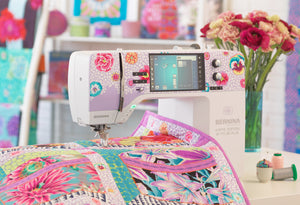

We Love Our Quilting Community
At High Country Quilts we care deeply about community. With our experiences in retail, we know that a store is not only a place to shop but also a place for the community to gather and share. During this busy...


So, you're eyeing that perfect little square of fabric and wondering, "How much should a fat quarter actually cost?" It's a great question, and the answer has a little more to it than just the sticker price.
Generally, you can expect a single fat quarter to cost anywhere from $2.50 to $4.50. For those special designer collections or premium fabrics like lawn or silk, that price can climb closer to $7.00 a piece.

When you buy a fat quarter, you're not just buying a scrap of fabric—you're buying potential. This is a special precut piece, usually measuring 18" x 21", that gives quilters a more usable, block-like shape than a standard quarter-yard cut (which is a long, skinny 9" x 42" strip). That wider shape is a game-changer for cutting larger pieces for your patterns.
Think of it as the fabric equivalent of a "sampler platter." It lets you bring a splash of a unique print or color into your project without having to invest in a whole yard. That convenience and curated variety is what you're really paying for.
As one of the most beloved precuts, the price of a fat quarter reflects its popularity. When sold in coordinated bundles, the cost often averages out to around $4.01 per fat quarter. Since it takes four fat quarters to make one yard of fabric, you're looking at an equivalent price of $16.04 per yard.
You'll notice this is often a bit more than you'd pay for that same fabric off the bolt. We dig deeper into how quilting fabric costs are calculated across different cuts if you want to see the full breakdown.
A fat quarter is priced for its utility and variety, not for bulk savings. You're paying a small premium for a perfectly sized, project-ready piece that helps you build a diverse fabric stash without breaking the bank.
Here’s a simple table to help you visualize how the cost of a fat quarter stacks up against buying fabric by the yard, based on typical 2026 prices.
| Fabric Cut | Typical Price Range (Per Piece) | Equivalent Price Per Yard |
|---|---|---|
| Fat Quarter (18" x 21") | $2.50 – $4.50 | $10.00 – $18.00 |
| Fabric by the Yard (42" width) | $10.00 – $16.00 | $10.00 – $16.00 |
As you can see, the per-yard cost of buying four individual fat quarters is almost always higher than just buying a single yard. The trade-off is clear: you pay a little more for the convenience and variety that fat quarters offer.
You’ve probably seen it yourself. You’re browsing the shop, and you spot two fat quarters that look about the same size. One is $3.00, but the one right next to it is $5.00. What gives?
That price difference isn't random. It’s a story about the fabric's quality, the artist behind it, and the journey it took to get to the shelf. Once you understand what goes into that final price, you become a much savvier shopper, able to spot true value and decide when it’s worth it to splurge.
First and foremost, the price is tied directly to what the fabric is made of. Your standard, all-purpose quilting cotton is the benchmark. It’s sturdy, easy to work with, and generally the most affordable. But the moment you venture into different fabric bases, the costs start to shift.
A fat quarter of designer cotton lawn can easily cost 40-60% more than a standard quilting cotton fat quarter. This premium reflects the higher thread count, more complex printing process, and luxurious feel of the material.
Just like in the world of fashion or art, the name on the selvage matters. A fat quarter from a celebrated designer like Tula Pink or a premium brand like Art Gallery Fabrics will almost always have a higher price tag than a generic "house" brand.
But you're not just paying for a name. Designer collections often feature incredibly intricate prints with many layers of color and unique palettes that are the artist's signature. You're investing in that artist's unique vision and the brand's commitment to high-quality printing and finishing. For a truly special quilt, that artistry is often worth every penny.
Walk into any quilt shop, and you’ll be greeted by a rainbow of neatly stacked fabric bundles. These are precuts, and fat quarters are just one member of this incredibly convenient family.
Precuts are a quilter’s best friend for a reason: they save a ton of time on cutting and offer perfectly coordinated collections right out of the package. But how do you know which one is the right value for your project? Think of it like grocery shopping. Sometimes you need a whole bolt of fabric (like a bag of apples for a big pie), but other times, a curated bundle is exactly what you need for a specific recipe.
Jelly Rolls, with their 2.5" strips, are fantastic for sashing and binding. Layer Cakes, those lovely 10" squares, give you a great head start on larger quilt blocks. The fat quarter, however, with its generous rectangular shape, offers the most flexibility for a huge range of patterns.
Of course, the price for any of these precuts is shaped by a few key factors.

As you can see, the type of fabric (most quilting fabric is cotton), the designer or brand, and the overall quality of the print and material are what really drive the cost.
To really understand the value of a precut, you have to do a little "quilt math" and figure out the equivalent price per yard. It’s the only way to make a true apples-to-apples comparison. You might be surprised to see how much the price can jump for the convenience of smaller cuts.
For example, a tiny 2.5-inch square pack can work out to a staggering $32.27 per yard equivalent, while fat eighths often land around $17.28 per yard. Compare that to a standard yard of quality quilting cotton, which averages around $11.71, and you can see you're paying a premium for the convenience. You can dig deeper into industry numbers with fabric mill research on MarketResearch.com.
The truth is, quilters don't buy precuts to save money on the raw material. We buy them for the curated collections, the time saved, and the pure joy of having a beautiful, ready-to-sew bundle of inspiration.
So, how do the most common precuts stack up against each other?
Here’s a quick breakdown of what you can expect to pay for the most popular precuts and how that translates to a per-yard cost. This helps put the value of a fat quarter into perspective.
| Precut Type | Common Size | Typical Price Range Per Unit | Average Equivalent Cost Per Yard |
|---|---|---|---|
| Fat Quarter | 18" x 21" | $3.00 - $4.50 | $12.00 - $18.00 |
| Jelly Roll (40 strips) | 2.5" x 42" | $40.00 - $55.00 | $14.40 - $19.80 |
| Layer Cake (42 squares) | 10" x 10" | $40.00 - $55.00 | $13.71 - $18.86 |
| Charm Pack (42 squares) | 5" x 5" | $10.00 - $15.00 | $15.24 - $22.86 |
As the table shows, while fat quarters carry a premium over straight yardage, they often provide a better per-yard value than other, smaller precuts, making them a fantastic sweet spot between convenience and cost.
Picking up a single fat quarter is perfect when you need that one specific print for a project. But if you want to get the most bang for your buck, the real magic happens when you start looking at bundles and clubs.
Buying a coordinated bundle is almost always cheaper per piece than buying the same fabrics individually. The biggest win, though? It saves you a ton of time. Instead of spending hours in the shop (or scrolling online) trying to match colors and prints, you get a collection that a designer has already perfectly coordinated for you.
These bundles are usually built around a designer's latest fabric line or a fun theme, like "seaside cottage" or "autumn harvest." It's an instant recipe for a beautiful, cohesive quilt.
For those of us who are serious about building our fabric stash, subscription clubs are a game-changer. Imagine a curated package of gorgeous new fabrics showing up at your door every month or quarter. It's the best kind of mail day, and it keeps your creative options fresh and exciting.
Clubs often give you first dibs on new collections or even exclusive prints you can't find anywhere else. They're more than just fabric, too. Many clubs throw in extra goodies, like a unique pattern designed to work with the fabrics in your bundle.
Take the Fat Quarter Shop's January 2026 Art Gallery Fabrics Quarterly Club as an example. For $56.98, you get 16 fat quarters plus a bonus quilt pattern. It's a fantastic way to discover new fabrics while getting a complete project starter kit.
The Takeaway: When you buy a bundle or join a club, you’re not just paying for fabric. You’re investing in expert curation, saving yourself precious time, and getting a steady stream of inspiration delivered right to your sewing room.

Alright, so you know what a fat quarter should cost. Now for the fun part: where do you actually go to buy them? You’ve got a few solid options, and each has its own vibe—local quilt shops, big-box craft stores, and the endless aisles of the internet.
Your big-box stores are perfect when you need basics and have a 40% off coupon burning a hole in your pocket. Online shops, on the other hand, offer a dizzying amount of choice, but you can’t see or touch the fabric first. That can be a real gamble, especially when you need the color to be just right.
While big stores and websites have their place, I'll always argue that nothing compares to visiting a dedicated local quilt shop. Walking into a place like High Country Quilts is a totally different experience. You’re surrounded by thoughtfully chosen, high-quality fabrics you just won't find anywhere else.
Here’s why your local shop is so special:
Honestly, a trip to your local quilt shop is about so much more than just buying fabric. You leave with inspiration, new ideas, and the confidence that you’ve bought exactly what you need.
No matter where you prefer to shop, a little strategy goes a long way. To get the absolute best price on a fat quarter of fabric, you need to think like a seasoned bargain hunter.
Always keep an eye out for end-of-bolt sales. This is when shops offer major discounts to clear out the last bits of a roll. Holiday sales are another goldmine—think National Quilting Day or Black Friday.
And maybe the easiest trick in the book? Sign up for newsletters from your favorite shops. It’s the fastest way to get a heads-up on sales and often comes with subscriber-only coupon codes. You'll be the first to know when a great deal drops.
Once you start collecting fat quarters, a few practical questions always pop up. Let's tackle some of the most common ones so you can buy and use your fabric with total confidence.
Think of this as the friendly advice you'd get leaning over the counter at your favorite local quilt shop.
Ah, the million-dollar question! The honest answer is: it depends entirely on your pattern. A sweet little baby quilt might only call for 12 to 16 fat quarters, while a big, beautiful queen-sized quilt could easily need 40 or more.
There’s no need to guess, though. Your pattern is your best friend here. It will tell you exactly what you need, so you can avoid that dreaded mid-project fabric run.
If we're talking strictly price-per-inch, buying fabric by the yard will almost always be the more economical choice. Fat quarters have a small premium baked in to cover the time it takes for the shop to cut, fold, and bundle them.
You don't buy fat quarters to get a bulk discount. You buy them for the incredible variety and the convenience of having perfectly curated, ready-to-use pieces for your project.
You’re paying for a colorful, pre-sorted fabric buffet, not a warehouse price. It’s perfect for scrappy quilts or when you need just a little bit of a lot of different prints.
This is one of the great debates in the quilting world, but I'm firmly in the "yes" camp. Pre-washing does two critical things: it pre-shrinks the fabric (so your finished quilt doesn't pucker) and it gets any excess dye out before it has a chance to bleed onto lighter colors.
Worried about turning your beautiful fat quarters into a tangled, frayed mess? Don't be. Just follow these simple tips for a stress-free wash:
Ready to dive into a world of beautiful, high-quality fabrics? Visit High Country Quilts online or in-store to find the perfect fat quarters for your next masterpiece. Start shopping now!
At High Country Quilts we care deeply about community. With our experiences in retail, we know that a store is not only a place to shop but also a place for the community to gather and share. During this busy...

Hi! We’re Adam and Renee Wheaton, the new owners of High Country Quilts! For more than 40 years, we’ve owned and operated vacuum and sewing businesses. Following in Renee’s father’s footsteps after he retired from All Discount Vacuum and Sewing in Colorado...


Leave a comment