
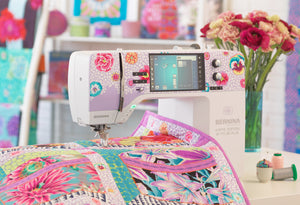

We Love Our Quilting Community
At High Country Quilts we care deeply about community. With our experiences in retail, we know that a store is not only a place to shop but also a place for the community to gather and share. During this busy...


You're standing at the cutting counter with three flannel bolts spread in front of you. One feels light and smooth enough for a baby quilt, another has the comforting weight of a winter shirt, and the third looks perfect for a throw but seems likely to overwhelm your machine. You've come for flannel fabric by the yard, yet the first question isn't which plaid or print you like best. It's which fabric will still behave after washing, cutting, pressing, and stitching.
That question matters because flannel is soft, useful, and wonderfully varied, but it isn't automatically stable. The right choice depends on fiber content, weave, brushed surface, weight, width, shrinkage, and project purpose. A yard can become part of a quilt top, a pair of pajamas, a pillowcase, or a warm shirt, but each project asks something different from the fabric.
A quilter once ran her hand across three bolts at my cutting table while planning a baby quilt. She liked the color of the lightest bolt, the warmth of the heaviest one, and the tidy weave of the middle option. Her real concern was simple: “Which one will still look good after the baby uses it?”
That's where flannel earns its place. The brushed surface feels gentle against skin, adds warmth to quilts and clothing, and becomes softer with thoughtful washing. It also has a little forgiveness under the rotary cutter. A beginner who is still learning to keep every cut perfectly aligned can often find flannel more approachable than a crisp, slippery fabric.
The same bolt can serve very different creative lives:
Flannel's history helps explain its practical reputation. Textile workers in 17th-century Wales made it from leftover wool for a warmer, moisture-wicking fabric suited to damp conditions, and industrial production expanded after a carding mill opened at Dolorbran, Wales, in 1789. By the nineteenth century, flannel was associated with durability and utility, and it was used for soldiers' undershirts and workwear during the U.S. Civil War era, as described in this history of flannel.
Autumn often sends makers toward the bolt rack, but flannel doesn't belong only to cold-weather sewing. A coordinated yard can anchor a fabric stash, add texture beside quilting cotton, or give a practical project a softer finish. Buying by the yard also lets you purchase enough for a defined project without committing to a full bolt.
Shop-floor rule: Choose the fabric for the finished project first, then choose the color and pattern.
The rest of your decision comes down to understanding what “flannel” means technically, how weight changes behavior, and how much fabric you'll need after washing.
You are at the cutting counter with a plaid bolt in one hand and a solid in the other. Both feel soft, yet one folds loosely while the other holds its shape. The label says “flannel,” but that word describes more than a seasonal print.
Flannel is a brushed woven fabric. The base cloth is commonly cotton, though wool and synthetic blends are also used. During finishing, the fabric is brushed on one or both sides, lifting fibers from the yarn. Those raised fibers form the fuzzy nap, soften the hand, catch light, and help the cloth hold warmth.

Run your palm across smooth cotton, then across brushed flannel. Smooth cotton gives you a clear woven surface. Flannel feels more like a light layer of fibers sitting over that structure. That nap affects warmth, drape, cutting, and how the fabric behaves under a presser foot.
Cotton flannel commonly begins with a plain weave or twill weave, then receives brushing to raise the nap, according to this technical cotton flannel guide.
A plain weave crosses threads in a simple over-and-under pattern. Brushed, it often feels evenly fuzzy and fairly flat. Twill follows a diagonal structure, which can give the cloth a firmer hand and more visible surface texture. At the shop counter, place two bolts together and bend them gently. The print may look similar, but the folds and recovery can reveal a meaningful difference.
Construction also affects sewing. A looser cloth may shift during cutting and stitching, then shrink more after washing. That is why two bolts labeled “flannel” can need different seam handling and yardage planning.
100% cotton flannel suits quilting and everyday sewing, but plan for shrinkage before cutting. Wool flannel has a different hand and care routine. Synthetic blends may react differently to heat and moisture. Read the bolt label or product listing before calculating how much fabric to buy.
“Flannel” describes a brushed finish and fabric character, not a particular fiber, print, or project. Solids, plaids, florals, and novelty designs can all be flannel. Once that distinction is clear, the bolt's weight becomes a useful comparison point.
At the cutting counter, two bolts can both say “flannel” yet feel entirely different when folded. Weight gives you a useful first comparison, especially when you are shopping online and cannot test the fabric by hand. It describes how much fabric is packed into a given area, while fiber, weave, brushing, and finishing shape the final hand.
Common industry references place cotton flannel around 140 to 160 gsm for shirting and 180 to 200 gsm for bedding and pajamas. Higher-quality cotton flannel is often above 5 oz per square yard, with premium examples above 6.5 oz per square yard. Fabrics below 5 oz per square yard may feel less stable at seams and require more care during quilting or garment construction. Use those figures as orientation, not as a guarantee, because construction can make two fabrics with similar weights behave differently.
The categories below are practical shopping guides rather than rigid rules.
| Weight Category | oz per sq yd | gsm | Hand at the Bolt | Best Uses |
|---|---|---|---|---|
| Light quilting flannel | 4 to 6 oz | roughly 135 to 200 gsm | Thin, pliable, easy to fold | Patchwork, baby quilts, quilt backs |
| Mid-weight flannel | 6 to 8 oz | varies by construction | Noticeable body with comfortable drape | Shirts, pajamas, pillowcases |
| Heavyweight flannel | above 8 oz | varies by construction | Dense, warm, and substantial | Blankets, robes, structured outerwear |
Light flannel is often easier to cut into small patchwork pieces. It can give a baby quilt a soft hand without adding excessive bulk to every seam. Before buying a full amount, I place a few folded pieces on the counter and stack them. If the layers already feel difficult to handle, pressing and joining a whole quilt may become frustrating.
Mid-weight fabric offers a practical balance for a button-down shirt or pajama set. It has enough body to hold a shape, while still folding comfortably against the body. For these projects, check the bolt description alongside the pattern requirements instead of choosing by softness alone.
Heavyweight flannel feels warm and substantial, but that density can crowd a quilting seam and make several layers harder to press flat. I often guide first-time quilters toward light or moderate weights for piecing, saving dense flannel for blankets, robes, coat details, or pet bedding.
Weight also changes the way yardage behaves on the table. Dense cloth forms thicker folds at seams, while lighter cloth may shift or distort during cutting. Before ordering flannel fabric by the yard, compare the listed weight, fiber content, and width with the project's pattern requirements.
A single yard of flannel doesn't behave the same way in every project. For a quilt, you may cut many small pieces and join them repeatedly. For a shirt, you need clean drape and stable button bands. For bedding, width can matter more than the softness you feel at the counter.
A light or mid-weight flannel can work well for baby quilts, lap throws, and flannel-backed table runners. The fabric adds softness and a little body without making every seam excessively bulky. For a first quilt, I like to place a few cut pieces on the table before buying the full amount. Fold them, stack them, and see whether the layers still feel manageable.
A single yard may provide part of a small patchwork design, but a complete quilt requires yardage based on the finished dimensions, seam allowances, borders, backing, and pattern layout. Treat the estimate in the table as a planning aid, not a substitute for the pattern's cutting chart.
| Project Type | Weight Range (oz/yd²) | Yardage Estimate | Best Flannel Type |
|---|---|---|---|
| Baby quilt | 4 to 6 oz | Use the pattern's cut list, with extra for shrinkage | Soft cotton flannel |
| Lap throw | 4 to 6 oz | Calculate top and backing separately | Light or mid-weight flannel |
| Pajama set | 6 to 8 oz | Follow the garment pattern and size chart | Mid-weight cotton flannel |
| Button-down shirt | 6 to 8 oz | Follow the pattern, allowing for matching | Stable twill or plain-weave flannel |
| Pillowcases | 6 to 8 oz | Measure the pillow and add construction allowance | Mid-weight, stable flannel |
| Duvet cover | 6 to 8 oz | Measure the insert and account for panel width | Wider bedding flannel |
Lightweight flannel feels pleasant against the skin in pajamas or a relaxed shirt. Mid-weight flannel gives a button-down more structure and can support a lined jacket where you want warmth without using the fabric as the entire outer shell. Check the nap direction before cutting. The surface may look lighter or darker depending on how the brushed fibers lie.
Bedding projects benefit from wide, stable goods because fewer seams make the finished piece easier to align. If you're also comparing household textiles, this guide to low-chemical bedding options offers a useful reference for thinking about fiber choices and bedroom comfort.
Very heavy flannel can overwhelm quilting seams. It's usually more comfortable in blankets, robes, outerwear, or pet bedding than in a densely pieced quilt top.
At the cutting counter, I use a simple sequence: identify the project dimensions, confirm the bolt width, calculate the longest continuous cuts, and then budget for shrinkage. That process prevents the common mistake of buying enough fabric by length but not enough usable fabric after washing.
Quilting flannel commonly comes in widths of 42 to 44 inches, while wider apparel and bedding goods may measure 54 to 60 inches, according to the provided purchasing guidance. Always check the actual bolt or product listing because width changes how efficiently your pieces fit.
Cotton flannel commonly shrinks around 3 to 5% on the first wash, while well-finished or sanforized fabric may remain closer to 3 to 4% lengthwise and 2 to 3% crosswise, according to this flannel shrinkage guide. A 3-yard cut can lose roughly 3.2 to 5.4 inches per yard-equivalent if you don't prewash, which can affect quilt blocks and seam alignment. Shrinkage of 6% or more is generally a warning sign of weak pre-shrinking or an unstable weave, as the same reference explains.

Write this on your notepad: Project measurement, usable width, longest cut, shrinkage allowance, matching allowance, final yardage.
Measure along the grain, keep nap direction consistent, and ask whether coordinating fabric comes from the same dye lot. Those small notes protect the project long before the first cut.
Flannel care starts before the fabric reaches your cutting mat. A prewash removes sizing, reveals how the fabric responds to water and heat, and lets you make decisions based on the fabric you'll sew.
Wash cotton flannel in cool water with a gentle detergent. Tumble dry on medium to release sizing and stabilize the fibers, then press the fabric while it's slightly damp with a steam iron on the cotton setting. Smooth it without stretching the grain. If you pull hard while pressing, you can create a distortion that no amount of careful piecing will fully correct.

Store uncut yardage rolled or flat. Avoid hanging a soft, loosely woven length from a narrow hanger because its own weight can pull the grain out of alignment.
For finished quilts, shirts, and bedding, use cool water and a mild detergent. Avoid bleach and fabric softeners, which can flatten or alter the brushed fibers. Tumble dry on low or line dry, and remove the project before it becomes excessively creased.
Pilling happens when fibers become entangled through wear and washing, a concern that matters especially for brushed fabrics. Test a small swatch before cutting into expensive yardage. Rub and wash it using the care routine you expect to follow, then inspect the surface for loose fiber balls, fuzz loss, or distortion. This technical discussion of flannel fabric performance highlights why pilling, brushing, fiber length, and weave deserve more attention than seasonal style alone.
Clean dryer lint promptly, since brushed fabrics can shed loose fibers during early washes. Fold stored quilts with clean, smooth folds and refold them periodically so one crease doesn't become permanent.
Online photographs can show color, but they can't show how a nap changes under your hand. At a specialty fabric store, you can turn a bolt, stroke the surface in both directions, and compare two weights side by side before you commit to a cut.
That hands-on check is especially valuable for beginners. A flannel that looks ideal on a screen may have a loose weave, uneven brushing, or more seam bulk than your pattern can comfortably handle. You can inspect the selvage, look for weaving irregularities, and ask whether a coordinating print comes from the same dye lot.
A knowledgeable staff member can help match a fabric to a baby quilt, pajama set, shirt, or bedding project. They can also discuss a suitable thread, batting pairing, needle, or cutting approach. High Country Quilts carries quilting fabrics, sewing supplies, and flannel sold by the yard, including listed examples such as BE Wool Tweed Flannel Chestnut, Northcott Plaid White MultiFlannel, and WD Baby Bear Pale Yellow Flannel, according to the product information provided for this topic.

Local shops also create opportunities that an online cart can't provide, including sit-and-sew afternoons, fabric-specific classes, and conversations with makers working on similar projects. Buying locally supports the shop that provides those services and can reduce the packaging and shipping involved in an online order.
Before you cut, ask to see the fabric beside a ruler, your pattern, or a coordinating bolt.
That brief conversation can turn uncertainty into a clear plan.
Take this checklist with you when you shop for flannel fabric by the yard. You don't need to memorize every technical detail. You need a repeatable way to make a sound choice.
If you're new to fabric shopping, bring your pattern, finished measurements, and a quick sketch to the store. A staff member can help you compare bolts without making the choice for you, which is the fastest way to build your own eye for stable, useful flannel.
You can shop flannel fabric by the yard, browse quilting bundles, view upcoming flannel classes, read beginner sewing guides, and sign up for the monthly newsletter when you're ready to turn your fabric plan into a finished project.
High Country Quilts offers flannel by the yard, quilting fabrics, sewing tools, classes, and hands-on guidance for makers at every stage. Bring your measurements and project notes to High Country Quilts, and let's choose a flannel that will behave beautifully from the first cut through years of use.
At High Country Quilts we care deeply about community. With our experiences in retail, we know that a store is not only a place to shop but also a place for the community to gather and share. During this busy...

Hi! We’re Adam and Renee Wheaton, the new owners of High Country Quilts! For more than 40 years, we’ve owned and operated vacuum and sewing businesses. Following in Renee’s father’s footsteps after he retired from All Discount Vacuum and Sewing in Colorado...


Leave a comment