
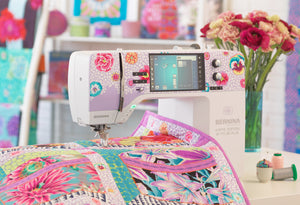

We Love Our Quilting Community
At High Country Quilts we care deeply about community. With our experiences in retail, we know that a store is not only a place to shop but also a place for the community to gather and share. During this busy...


Welcome to the vibrant world of fat quarter sewing. If you're a sewing enthusiast, you understand the irresistible allure of a neatly folded stack of fat quarters-those perfect 18x22 inch cuts of fabric brimming with potential. They offer more creative flexibility than a narrow quarter-yard strip, making them ideal for a vast array of projects without the commitment of buying a full yard. This guide is your ultimate resource for transforming those beloved fabric squares into beautiful, functional items.
We’ll explore seven diverse fat quarter sewing projects, each with a detailed breakdown of materials, skill level, and actionable tips to ensure your success. Whether you're a seasoned quilter looking for a quick, satisfying make or a beginner eager to build new skills, these projects are designed to inspire you. You will learn to create everything from quilted potholders and zipper pouches to stylish tote bags and baby burp cloths, all using these versatile fabric cuts.
Our goal is to provide a clear, practical roadmap for each creation. Get ready to dive into your fabric stash and start creating today. Let's unfold the possibilities together and turn that fabric collection into handcrafted treasures you can use, gift, and admire.
A quilted potholder is a quintessential and highly practical item, making it one of the best fat quarter sewing projects for beginners and experienced sewists alike. This project involves layering fabric with insulating batting, quilting the layers together with decorative stitching, and finishing the edges with a binding. The process not only creates a functional kitchen accessory to protect your hands but also serves as an excellent mini-quilt for practicing fundamental techniques.
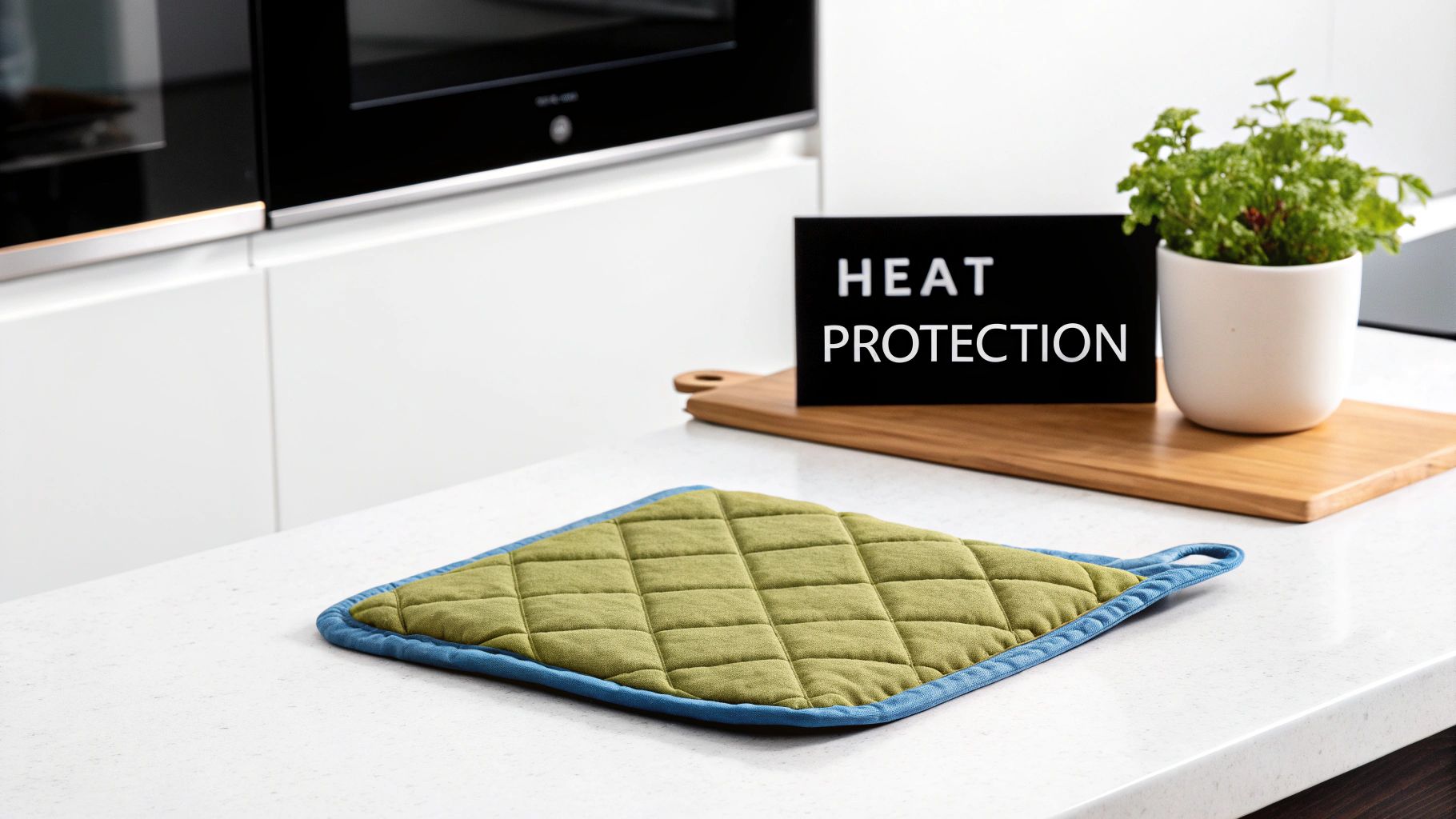
The quilting itself is a key feature; the stitches create pockets that trap air, significantly improving the potholder's heat insulation. This simple yet effective design is a staple in quilting communities, popularized by accessible tutorials like those from the Missouri Star Quilt Company, and has deep roots in traditional Amish crafting where utility and beauty merge seamlessly.
Fat quarters provide just enough fabric to create a beautiful, pieced top for a standard-sized potholder, often with enough left over for the backing or binding. You can create a simple whole-cloth version with one vibrant fat quarter or practice piecing techniques like the classic log cabin block on a small, manageable scale. The limited size makes it a low-commitment way to test out new color combinations or quilting patterns before tackling a larger project.
A set of fabric coasters is a fantastic and highly satisfying project that turns small fabric scraps or a single fat quarter into a collection of beautiful, functional items. This project involves layering fabric with a stabilizer like batting or fusible fleece, stitching them together, and finishing the edges to create small, protective mats for beverages. Not only do they protect furniture surfaces, but they also serve as a perfect canvas for practicing intricate piecing, appliqué, or quilting on a miniature scale.
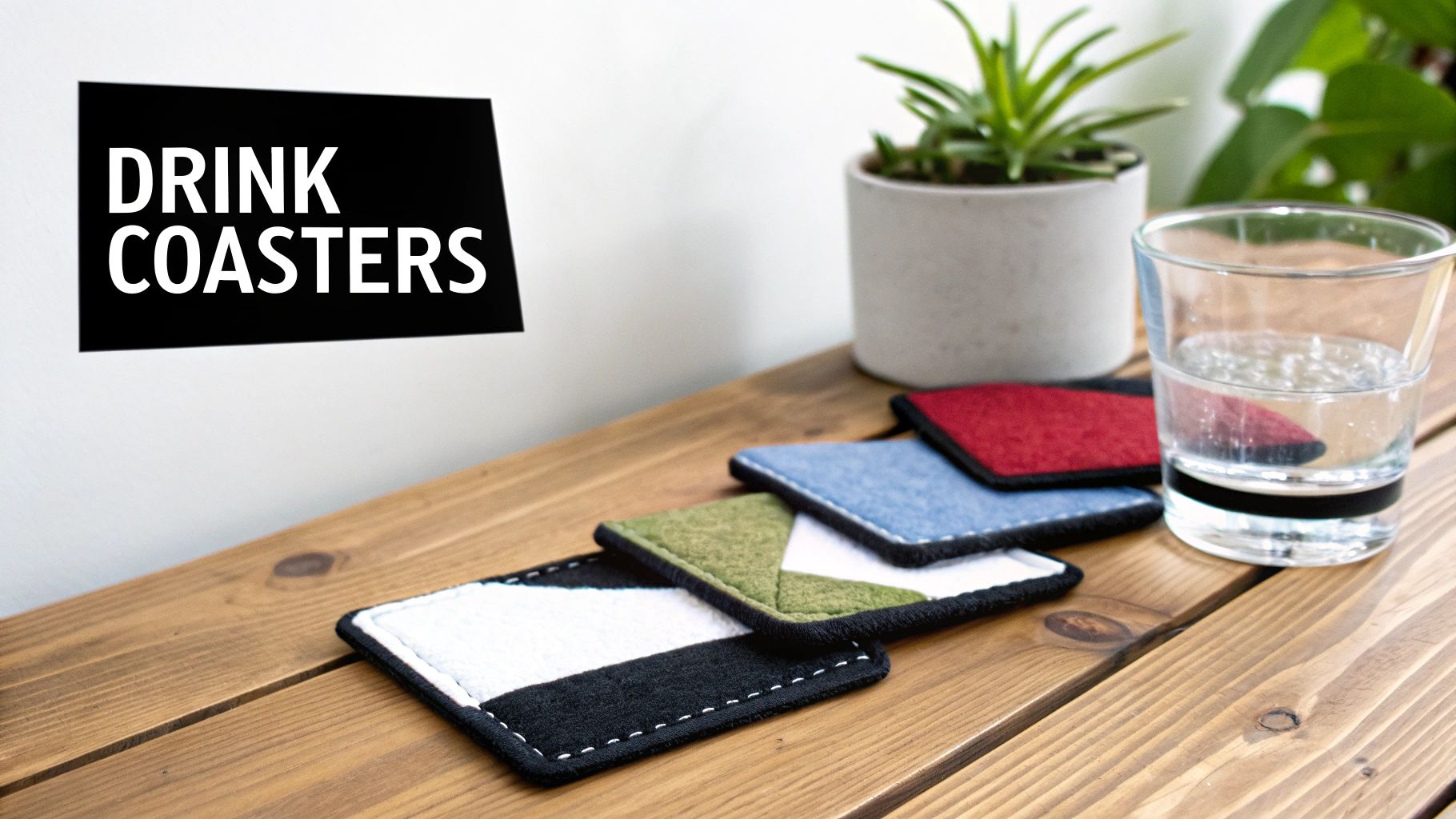
These small yet mighty projects are incredibly popular within the modern quilting community and are often featured in tutorials by creators like the Fat Quarter Shop. They are perfect for exploring techniques that might seem intimidating on a larger quilt, such as Dresden plates or English paper piecing. A coordinating set of four or six coasters makes for a thoughtful and handmade gift for housewarmings, holidays, or any special occasion.
A single fat quarter provides more than enough material to create a matching set of 4-6 coasters, including the tops, backs, and even binding if you choose that finishing method. This makes it an exceptionally efficient use of fabric. The small size is ideal for using up precious scraps from other projects or showcasing a favorite large-scale print without cutting it into tiny, unrecognizable pieces. This is one of the quickest fat quarter sewing projects, often completed in under an hour.
A zipper pouch is one of the most versatile and satisfying fat quarter sewing projects you can make. This functional fabric container features a zipper closure and can be customized in endless ways, making it perfect for organizing cosmetics, pencils, electronic cords, or travel essentials. The project is an excellent skill-builder, teaching fundamental techniques like installing a zipper, creating boxed corners for a three-dimensional shape, and working with lining and interfacing.
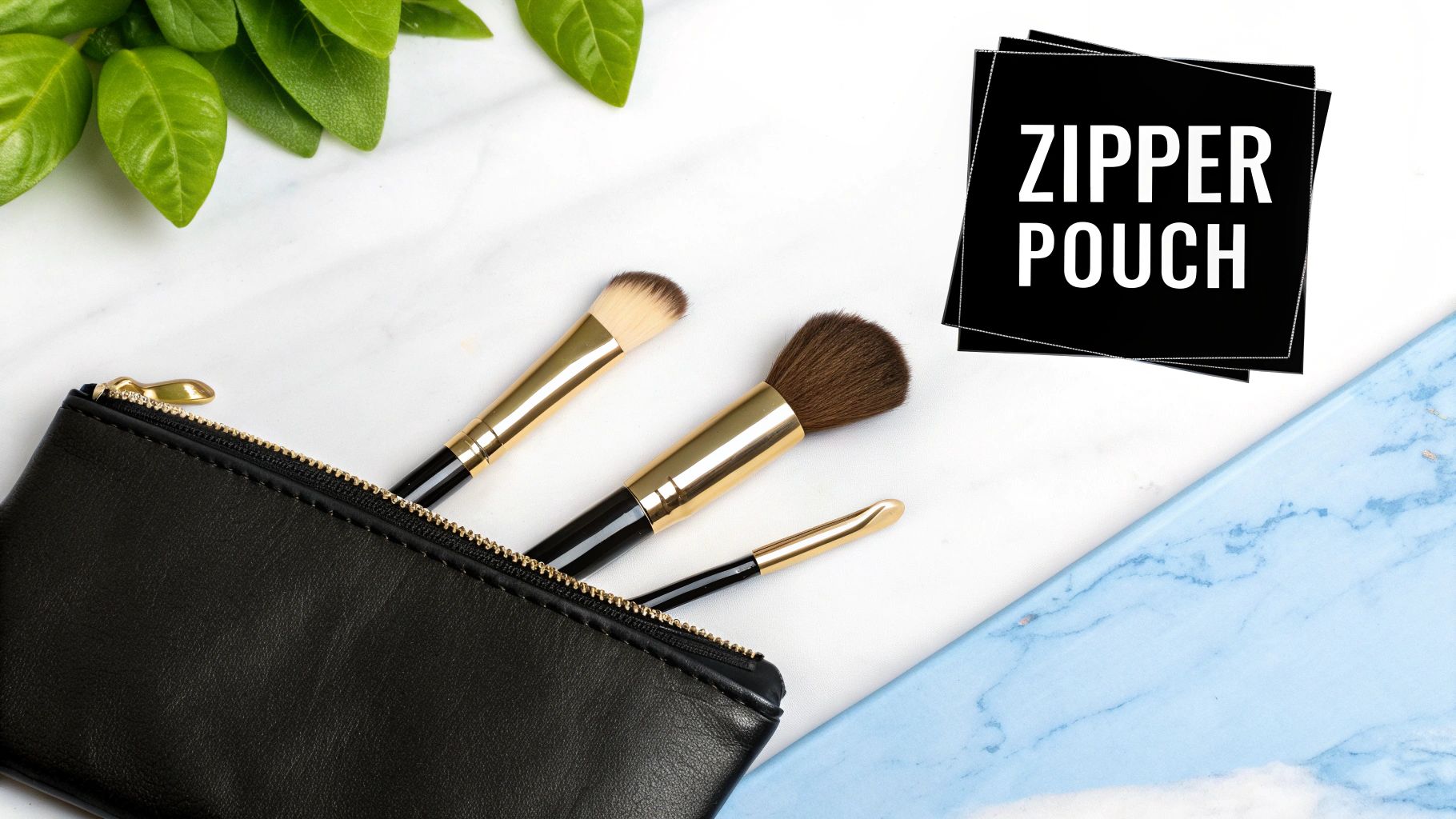
This project has become a staple in the modern sewing world, largely popularized by designers like Anna Graham of Noodlehead, whose patterns make bag-making accessible and stylish. The simplicity of the design allows the fabric to be the star, and the finished product is a highly giftable item suitable for any occasion, from back-to-school pencil cases to elegant cosmetic bags.
A single fat quarter is the ideal size for the outer fabric of a small-to-medium pouch, while a second can be used for the lining. This makes it an incredibly efficient project for using up single fat quarters from your stash that you love but aren't sure how to use. Because the project is small, it's a low-risk way to tackle the potentially intimidating skill of inserting a zipper. You can create a whole collection of pouches, each with a unique fabric combination, without a large investment in materials.
A table runner is a decorative fabric strip that instantly adds color, personality, and style to any dining table. This project involves piecing together fabric, often with batting in the middle, to create a long, narrow accent piece. It’s an ideal fat quarter sewing project because it allows for immense creativity through patchwork, quilting, and appliqué, transforming a simple table setting into a thoughtfully curated space.
The art of creating decorative table linens has a long history, but modern quilting has elevated the table runner into a showcase for intricate block designs and seasonal themes. Influential publications like American Patchwork & Quilting and various YouTube quilting channels have popularized runners as a perfect canvas for trying out new patterns, from a quick "jelly roll race" style design to a more complex flying geese arrangement.
Fat quarters are perfectly suited for creating the pieced tops of table runners. A curated bundle of fat quarters provides a coordinated color palette, making it easy to design a visually cohesive runner without buying large cuts of many different fabrics. You can arrange the pieces into repeating quilt blocks, create a modern improvisational design, or use simple strips to achieve a stunning result. This project is larger than a potholder but smaller than a full quilt, offering a satisfying and manageable challenge.
Baby burp cloths are an incredibly practical and thoughtful handmade gift, making them one of the most popular fat quarter sewing projects for expecting parents. This project involves pairing a decorative cotton print with a highly absorbent backing material, like terry cloth or flannel, to create a durable and stylish accessory for feeding time. The simple rectangular or contoured shape makes them exceptionally fast to sew, allowing you to create a whole stack in just one afternoon.
The combination of form and function has made these a staple in the world of handmade baby gifts, popularized by mommy blogger tutorials and modern baby quilting pattern companies. By using a vibrant fat quarter for the top layer, a purely utilitarian item is transformed into a charming and personalized baby essential that new parents will appreciate and use daily.
A single fat quarter is perfectly sized to create the decorative top for one or even two generously sized burp cloths, depending on the pattern you use. This makes it an incredibly efficient and scrap-friendly project. It’s an ideal way to use up those adorable novelty prints you've been saving, transforming them into a finished product that is both cute and immensely useful. The repetitive nature of making a set also provides excellent practice for straight-line sewing and topstitching.
Fabric bookmarks are a delightful and incredibly quick fat quarter sewing project, perfect for using up even the smallest fabric scraps. These charming accessories combine functionality with a personal touch, turning a simple page marker into a small piece of art. The project involves creating a decorative marker from fabric, often stiffened with interfacing and embellished with ribbons, tassels, or decorative stitching.
This simple craft has been widely popularized through teacher appreciation tutorials, book club craft activities, and library programs as an accessible entry point into sewing. They serve as a practical way to enjoy beautiful fabric designs daily, making them thoughtful and inexpensive gifts for readers of all ages. Variations like corner bookmarks that slip over the page or laminated versions add to their creative potential.
A single fat quarter provides more than enough material to create a whole collection of bookmarks, making this one of the most cost-effective and scrap-friendly fat quarter sewing projects available. You can fussy-cut specific motifs from the fabric to feature on each bookmark, ensuring no two are exactly alike. The small scale makes them an ideal project for teaching children to sew or for practicing precision topstitching and edge finishing on a low-stakes item.
A fabric tote or shopping bag is a highly practical and customizable project that showcases the beauty of fat quarters while promoting sustainability. This project involves constructing a simple bag with handles, offering a blank canvas for creative piecing or showcasing a single, bold print. The resulting item is a durable, reusable bag perfect for carrying groceries, books, or daily essentials, making it one of the most useful fat quarter sewing projects you can tackle.
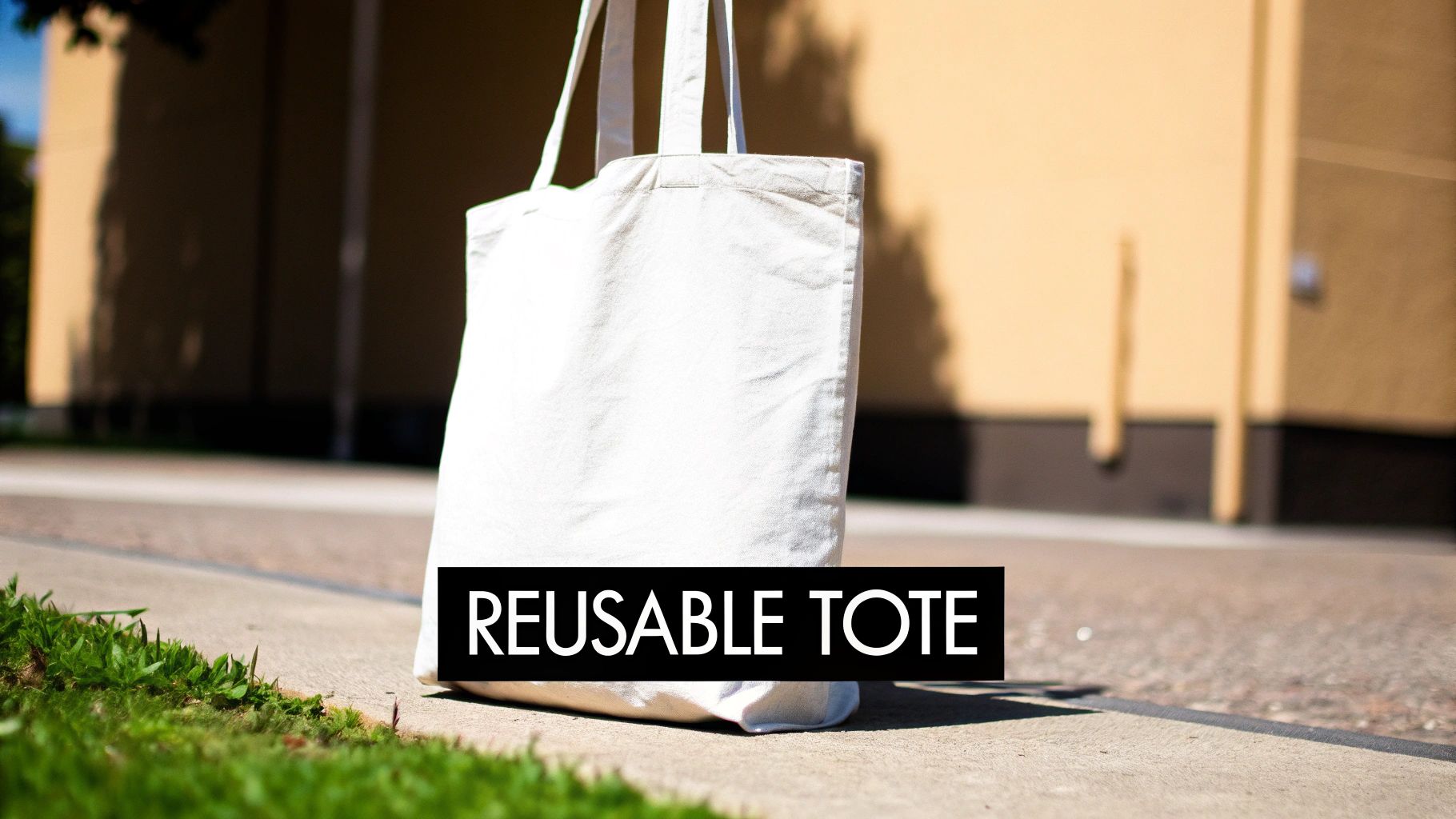
The popularity of handmade tote bags has surged alongside environmental awareness movements and the zero-waste lifestyle, championed by independent pattern designers like Noodlehead. These bags are not just functional; they are a form of self-expression. They can be simple market totes, library bags sized for books, or even beach bags if lined with water-resistant fabric.
Two fat quarters are often the perfect amount of fabric to create the exterior and lining of a small-to-medium-sized tote bag. You can use one fat quarter for the outer bag and another coordinating one for the lining and handles. This project is ideal for practicing construction techniques like boxing corners to create depth and attaching handles securely. The manageable size makes it a quick and satisfying sew, resulting in a professional-looking and functional item.
| Item | Implementation Complexity 🔄 | Resource Requirements ⚡ | Expected Outcomes 📊 | Ideal Use Cases 💡 | Key Advantages ⭐ |
|---|---|---|---|---|---|
| Quilted Potholder | Low to Moderate (Beginner to Intermediate) | Minimal fabric, heat-resistant batting required | Reliable heat protection and decorative kitchen accent | Everyday kitchen use, beginner quilting practice | Quick project, practical, low cost |
| Fabric Coasters Set | Low (Beginner) | Small fabric scraps, interfacing or batting | Functional surface protection, decorative sets | Quick gifts, small fabric usage | Very fast to make, minimal waste |
| Zipper Pouch/Cosmetic Bag | Moderate (Intermediate) | Fabric, zipper, lining, optional pockets | Versatile storage with secure closure | Organizing cosmetics, travel, gift giving | Teaches zipper skills, customizable |
| Table Runner | Moderate to High (Intermediate) | Multiple fat quarters, quilting supplies | Decorative table accent with significant visual impact | Seasonal decor, showcasing fabric | Large impact, quilting practice |
| Baby Burp Cloths | Low (Beginner) | Absorbent fabric plus decorative cotton | Practical baby care, washable and durable cloth | Baby showers, practical baby item | Quick, practical, great gift option |
| Fabric Bookmarks | Very Low (Beginner) | Minimal fabric, interfacing, small embellishments | Lightweight, decorative reading aid | Gifts for readers, scrap fabric use | Fast, minimal materials, gift friendly |
| Tote Bag/Shopping Bag | Moderate (Beginner to Intermediate) | More fabric, handles, optional interfacing | Durable reusable bag for everyday carrying | Eco-friendly shopping, casual use | Practical, eco-conscious, versatile |
From the humble quilted potholder to the indispensable zippered pouch and the ever-stylish tote bag, the journey through these seven fat quarter sewing projects showcases the remarkable potential held within a single 18x22 inch piece of fabric. We have covered a diverse range of items, demonstrating that you don't need a massive fabric stash or complicated patterns to create something both beautiful and functional. Each project serves as a perfect canvas for your creativity, whether you're a beginner building foundational skills or an expert looking for a quick and satisfying make.
The core takeaway is versatility. The same pattern for a set of fabric coasters can feel rustic and cozy with flannel or modern and chic with bold geometric prints. A simple baby burp cloth becomes a cherished, personalized gift with the right novelty fabric. This adaptability is the magic of working with fat quarters; it encourages experimentation and allows you to infuse your personal style into every stitch.
The next step is to choose a project that excites you the most. Don't feel pressured to start with the "easiest" one; passion is the best motivator. Gather your supplies, press your fat quarters, and allow yourself the grace to learn as you go. Remember that every seam ripped is a lesson learned, and every finished project, no matter how small, is a victory. Building a creative habit starts with a single, manageable step.
As you consider your next sewing masterpiece, you might also find inspiration in planning and organizing your creative space for the year ahead. A tidy and well-thought-out sewing room can make the entire process more enjoyable and efficient. For excellent tips on decluttering your craft supplies and setting up for a productive year, check out this guide: Craft a Cozy 2025: Your Ultimate Guide to Organizing.
Ultimately, these fat quarter sewing projects are more than just a way to pass the time; they are an invitation to create, to learn, and to share your talents with the world. So, dive into your fabric stash, let your imagination lead the way, and see what incredible things you can bring to life.
Ready to find the perfect fabrics and tools for your next project? Visit High Country Quilts in Colorado Springs or browse our extensive online selection of premium quilting fabrics, precuts, and BERNINA sewing machines. Our passionate team is here to help you succeed, from choosing the right materials to offering expert advice.
At High Country Quilts we care deeply about community. With our experiences in retail, we know that a store is not only a place to shop but also a place for the community to gather and share. During this busy...

Hi! We’re Adam and Renee Wheaton, the new owners of High Country Quilts! For more than 40 years, we’ve owned and operated vacuum and sewing businesses. Following in Renee’s father’s footsteps after he retired from All Discount Vacuum and Sewing in Colorado...


Leave a comment