

We Love Our Quilting Community
At High Country Quilts we care deeply about community. With our experiences in retail, we know that a store is not only a place to shop but also a place for the community to gather and share. During this busy...


That colorful stack of fat quarters sitting in your sewing room holds endless potential. More than just small cuts of fabric, these versatile 18x22-inch pieces are the perfect building blocks for countless creative endeavors, allowing you to sample beautiful fabric lines without a huge commitment. This guide is designed to transform that potential into tangible, beautiful items. We have curated a diverse list of fat quarter sewing projects to inspire both beginners and seasoned sewists looking for their next make.
We will move beyond basic concepts, offering actionable tips and fresh ideas to help you turn your fabric stash into functional art. You will discover how to create everything from practical kitchen accessories and stylish home decor to thoughtful, handmade gifts. This article provides a clear roadmap for projects like quilted potholders, modern table runners, and charming fabric baskets.
Each project idea is broken down to highlight the skills you'll use and the beautiful results you can achieve. At High Country Quilts, we see the magic in every piece of fabric, and we're excited to help you find the perfect project to bring your creative vision to life with our curated selection of fat quarter bundles and expert guidance.
Quilted potholders and trivets are classic, functional fat quarter sewing projects that add a handmade touch to any kitchen. These essential items protect your hands and surfaces from hot cookware by sandwiching heat-resistant insulated batting between two layers of decorative fabric. Their small size, typically around 8x8 inches, makes them an ideal project for using up a single fat quarter for the front, back, and binding.
This project is a fantastic entry point for beginners learning to quilt and a quick, satisfying make for experienced sewists. The beauty of potholders lies in their versatility; you can create a simple, elegant design with a single fabric or practice more intricate piecing and quilting techniques on a small, manageable scale.
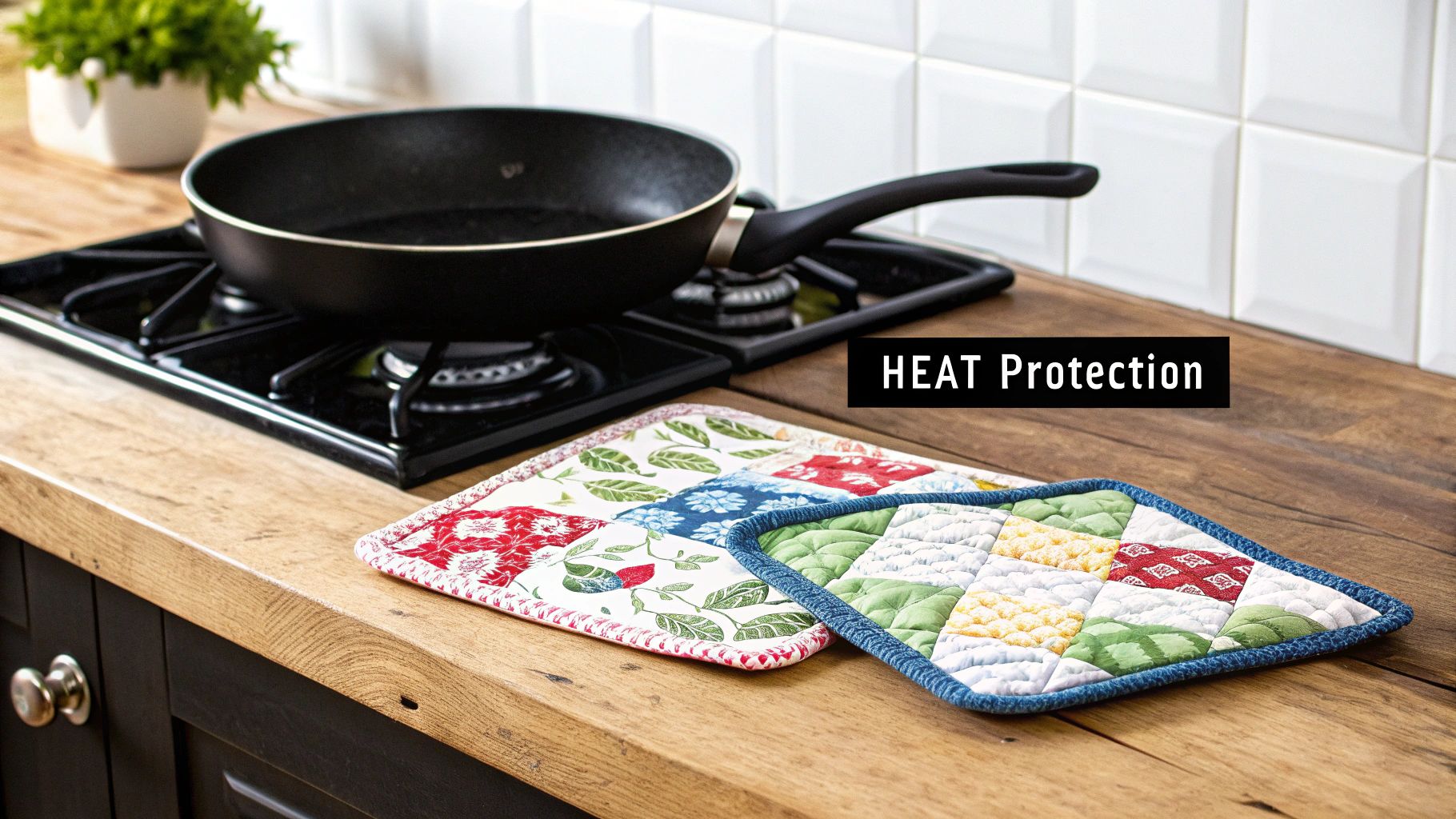
Potholders and trivets are excellent for fat quarters because the fabric cuts required are minimal, allowing you to showcase a favorite print without needing a full yard. This makes them highly cost-effective and a perfect way to experiment with color combinations and quilting patterns. Their functional nature also means your finished work will see daily use, making it a rewarding project that's both beautiful and practical. You can easily create a matching set of potholders, trivets, and oven mitts from just a few coordinated fat quarters.
To ensure your potholders are both safe and durable, follow these key guidelines:
Modern table runners are stylish and sophisticated fat quarter sewing projects that elevate your home decor with contemporary flair. These projects often feature clean lines, bold geometric patterns, and minimalist color palettes, moving beyond traditional designs. By utilizing techniques like simple strip piecing, half-square triangles, or color blocking, you can transform a curated fat quarter bundle into a stunning centerpiece for your dining table, sideboard, or coffee table.
This type of project is perfect for sewists looking to explore modern quilting aesthetics on a focused, achievable scale. It allows for creative expression through fabric selection and layout, resulting in a piece that is both a functional home accessory and a work of art. The long, narrow shape is ideal for showcasing a series of coordinated prints from a fat quarter collection.
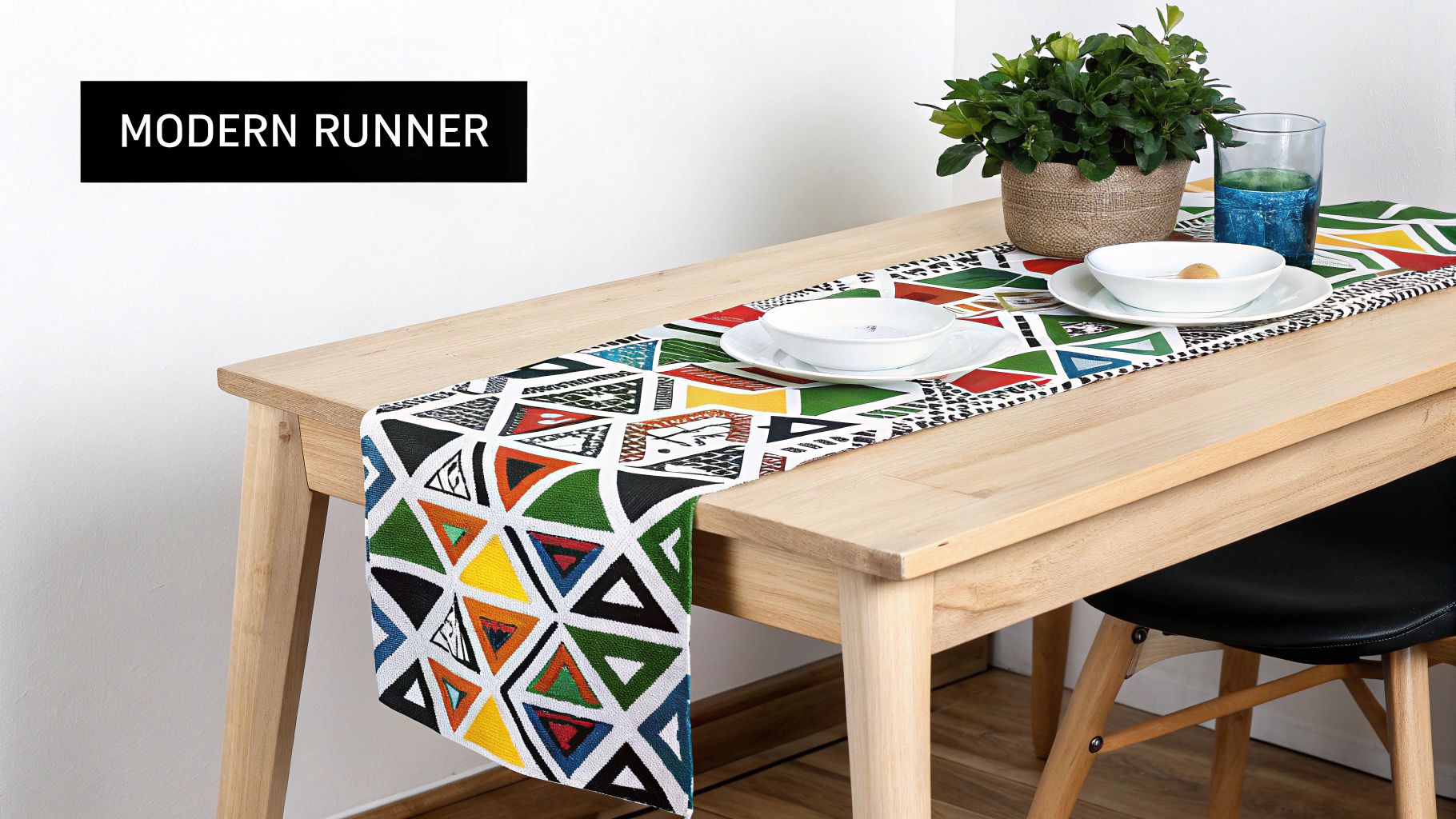
Table runners are an exceptional use of fat quarters because they allow you to display a full range of coordinated fabrics without the commitment of a large quilt. A typical fat quarter bundle provides more than enough variety to create a dynamic and visually interesting design. This makes it a cost-effective way to experiment with designer fabric collections and modern quilting techniques. You can easily create a runner for every season or holiday, making it a versatile and rewarding project that quickly changes the look of a room.
To achieve a polished and professional-looking modern table runner, consider these essential tips:
Zippered pouches are incredibly versatile fat quarter sewing projects perfect for creating practical, stylish accessories. These handy bags can be used to organize anything from makeup and toiletries to art supplies and travel essentials. The project is an excellent way for sewists to master fundamental skills, especially installing a zipper, while producing a professional-looking finished item.
A single fat quarter often provides enough material for the exterior of a small pouch, with another used for a fun, contrasting lining. This makes them a fantastic way to pair bold prints with coordinating solids or patterns. With countless tutorials available, from simple boxy pouches to more structured designs like Noodlehead's popular Open Wide Zippered Pouch, there is a style to suit every need and skill level.
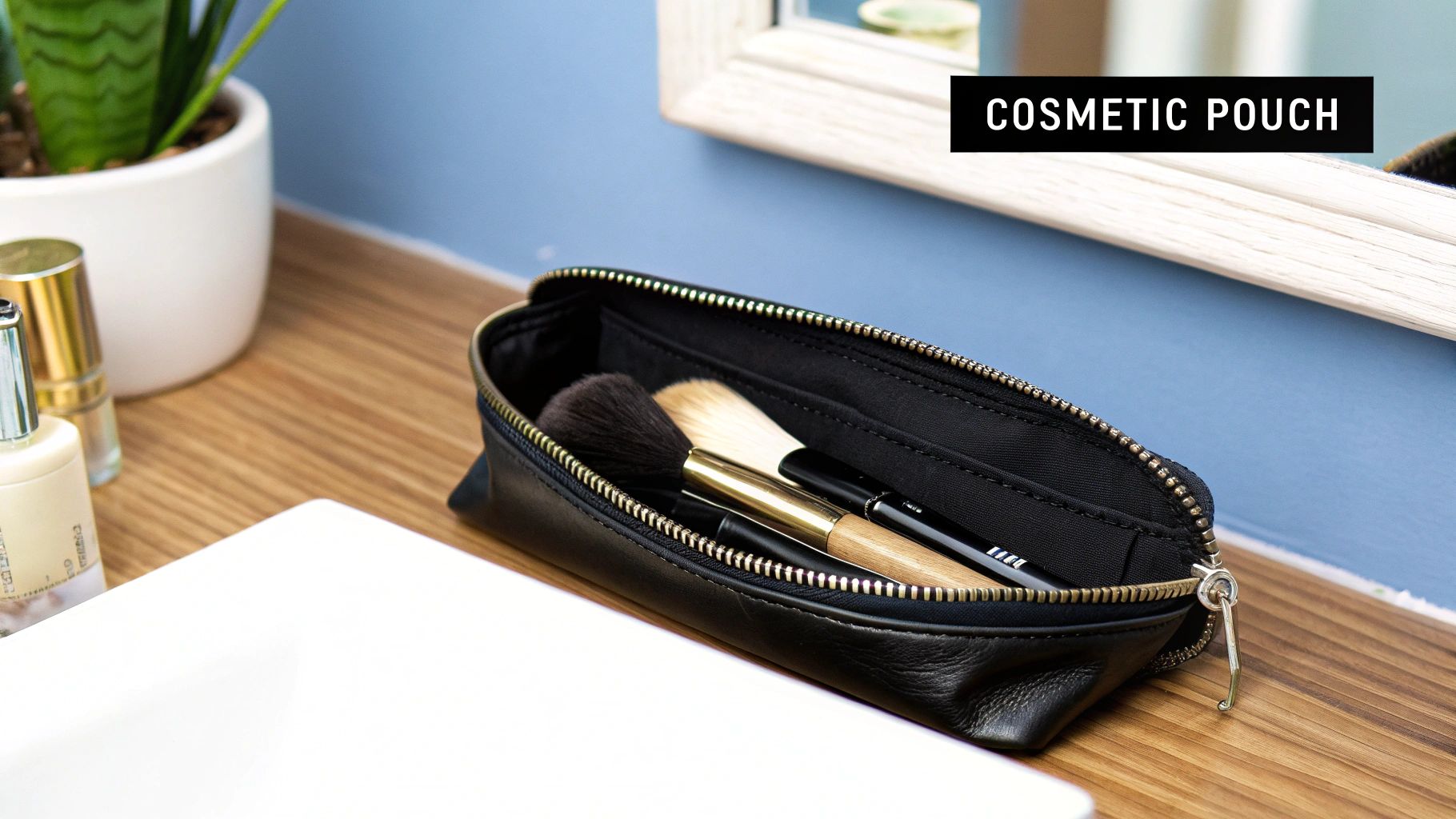
Zippered pouches are an ideal fat quarter project because they require small cuts of fabric, allowing you to turn precious prints into functional art. You can make several coordinating pouches from a small bundle of fat quarters, creating a beautiful set for personal use or as a thoughtful, handmade gift. The small scale is perfect for practicing techniques like boxing corners and topstitching without committing to a larger, more fabric-intensive project. Their undeniable usefulness ensures that your creation will be cherished and used regularly.
Achieving a clean, professional finish on your zippered pouch is easier with the right techniques. Follow these tips for a beautiful result:
A Dresden Plate is a traditional quilt block featuring "petals" or "blades" arranged in a circle, reminiscent of a vintage china plate. This classic design makes for stunning fat quarter sewing projects, as each blade can be cut from a different coordinating fabric, creating a beautiful, scrappy effect. Scaled down, these intricate blocks are perfect for creating decorative trivets, mini quilts, or eye-catching wall hangings.
This project introduces sewists to precision piecing and appliqué techniques on a small, manageable scale. The process involves sewing wedge-shaped blades together to form a circle, which is then often appliquéd onto a background fabric. The center of the plate is covered with a small fabric circle, offering another opportunity for a pop of color or a fussy-cut motif.
Dresden Plates are an ideal fat quarter project because they are inherently scrappy. A fat quarter bundle provides an instant, coordinated palette to cut the various blades from, ensuring a harmonious yet varied design without needing large amounts of any single fabric. You can easily get all the blades for one or more small Dresden plates from a single fat quarter, making it an economical way to create a visually complex and impressive piece. Their decorative nature makes them wonderful gifts or home decor accents that showcase your quilting skills.
Creating a beautiful Dresden Plate requires attention to detail. Follow these tips for a polished finish:
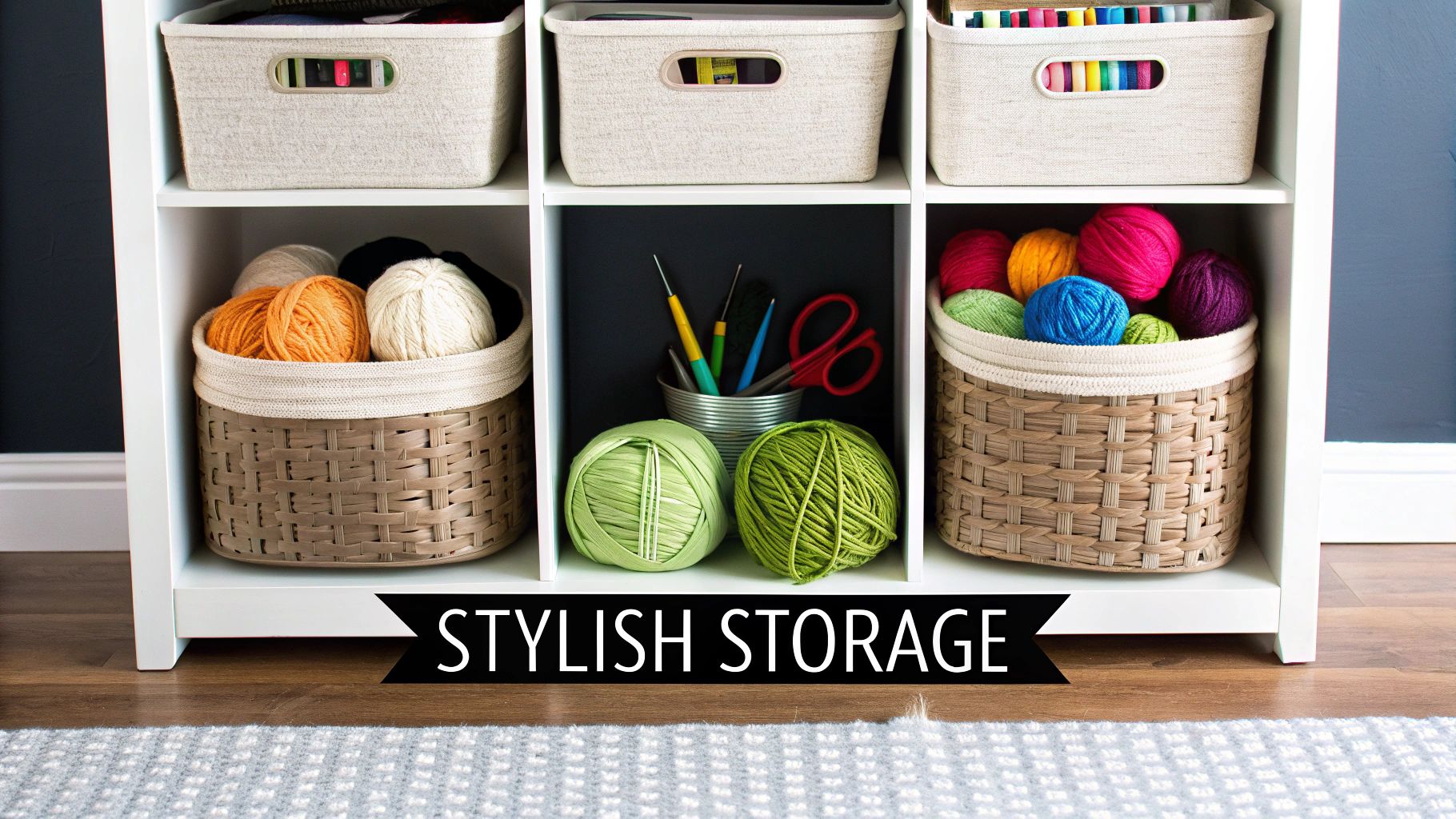
Fabric baskets and organizers are versatile and practical fat quarter sewing projects that help declutter any space with a touch of handmade style. These structured containers use firm interfacing or foam stabilizers to transform simple fat quarters into standalone storage solutions. From small catch-all trays for your sewing table to larger bins for toys or craft supplies, these projects are endlessly customizable and highly functional.
This project is perfect for an adventurous beginner ready to work with different materials like stabilizers, and it remains a favorite for experienced sewists looking for a quick and useful make. The basic construction involves creating an exterior and a lining, sandwiching a stabilizer between them to give the basket its shape and sturdiness. They can be made in any size, making them an ideal way to use single fat quarters or coordinated bundles.
Fabric baskets are an excellent use of fat quarters because one 18x22-inch piece is often the perfect size for the exterior or lining of a small-to-medium basket. This allows you to showcase a bold, beautiful print without committing to a large quilt. You can easily mix and match fat quarters from a bundle to create a set of coordinating organizers, adding a cohesive, decorative element to your home decor. Their three-dimensional nature also makes them a satisfying and impressive-looking gift.
To create sturdy, professional-looking fabric baskets, pay close attention to your materials and finishing techniques:
Creating a baby quilt or receiving blanket is one of the most heartwarming fat quarter sewing projects, offering a wonderful introduction to quilting. These smaller, manageable quilts serve as cherished gifts and practical items for a newborn. Using a fat quarter bundle allows you to create a beautifully coordinated design with minimal fabric waste, perfect for simple patterns like nine-patch, rail fence, or basic charm square layouts that showcase the fabric collection.
This project is ideal for new quilters looking to tackle their first large-scale make without feeling overwhelmed. The finished item, whether a crib quilt, a tummy-time play mat, or a cozy receiving blanket, becomes a functional and sentimental keepsake. Crafting receiving blankets is especially rewarding; it's helpful to know more about what a receiving blanket is used for to ensure your handmade item is as practical as it is beautiful.
Baby quilts are perfectly suited for fat quarter bundles because they provide enough variety and yardage to complete the entire quilt top. This eliminates the guesswork of coordinating fabrics and ensures a professional-looking result. Since baby quilts are smaller than bed-sized quilts, the piecing, quilting, and binding processes are much quicker and less physically demanding, offering a satisfying finish for sewers of all levels. They provide an excellent canvas to practice piecing and free-motion quilting techniques on a smaller, lower-stakes project.
To create a safe, durable, and cozy baby quilt, consider these essential tips:
Patchwork tote bags are stylish, sturdy, and highly personalized fat quarter sewing projects that brilliantly showcase your fabric collection. This project combines fundamental quilting techniques with bag construction, allowing you to create a unique accessory by stitching together various fat quarter pieces into a beautiful patchwork panel. The design can range from simple squares and strip piecing to more complex quilt blocks, making it adaptable for any skill level.
These totes are more than just a bag; they are a walking quilt, blending artistry with everyday function. By creating patchwork panels for the exterior, you can design a one-of-a-kind piece that reflects your personal style. Designers like Amy Butler and Anna Graham of Noodlehead have popularized these quilted bags, demonstrating how modern fabrics and classic techniques can produce stunning, professional-quality results.
A tote bag is the perfect canvas for fat quarters because it allows you to combine multiple prints and colors in a cohesive design without needing large yardage of any single fabric. You can "fussy cut" specific motifs from your fat quarters to feature in the patchwork, making every bag truly unique. This project also serves as an excellent introduction to bag-making, teaching essential skills like installing interfacing, boxing corners, and attaching handles on a manageable scale. A bundle of coordinated fat quarters is often all you need for the entire exterior, lining, and pockets.
To construct a durable and professional-looking patchwork tote, focus on structure and finishing details:
| Item | Implementation Complexity 🔄 | Resource Requirements ⚡ | Expected Outcomes 📊 | Ideal Use Cases 💡 | Key Advantages ⭐ |
|---|---|---|---|---|---|
| Quilted Potholders and Trivets | Low (Beginner to Intermediate) | Minimal fabric and insulated batting | Functional heat protection, quick use | Beginners, gifts, quick kitchen essentials | Practical, beginner-friendly, fast |
| Modern Table Runners | Medium (Intermediate) | Coordinated fat quarters, quilting tools | Stylish, modern décor centerpiece | Seasonal decorating, showcasing fabrics | Visually striking, skill building |
| Zippered Pouches and Cosmetic Bags | Medium (Intermediate) | Zippers, interfacing, fabric | Practical storage accessories | Organizing toiletries, gifts, travel | Customizable, practical, skill-building |
| Dresden Plate Trivets and Wall Hangings | High (Intermediate to Advanced) | Templates, precise cutting, batting | Decorative, vintage-style accents | Decorative trivets, wall art, heirlooms | Elegant, teaches curved piecing |
| Fabric Baskets and Organizers | Medium (Intermediate) | Heavy interfacing, possible presser feet | Functional storage with structure | Home organization, storage solutions | Highly functional, customizable |
| Baby Quilts and Receiving Blankets | Medium (Beginner to Intermediate) | Fat quarter bundles, soft batting | Cozy quilts, meaningful gifts | Beginners, new parents, baby gifts | Beginner-friendly, meaningful, portable |
| Patchwork Tote Bags | High (Intermediate to Advanced) | Interfacing, hardware, multiple fabrics | Durable, personalized everyday bags | Everyday use, personalized accessories | Combines skills, practical, unique |
Your fat quarter stash is more than just a collection of fabric; it's a treasure trove of potential, a vibrant palette waiting for your creative touch. As we've explored, these perfectly portioned pieces are the ideal starting point for an incredible range of fat quarter sewing projects, each offering a unique opportunity to hone your skills and produce something beautiful and functional.
From the practical charm of quilted potholders to the sophisticated geometry of a modern table runner, the projects detailed in this guide demonstrate the sheer versatility packed into an 18x22-inch piece of fabric. You've seen how simple squares can be transformed into sturdy fabric baskets for stylish organization or pieced together to create a cherished baby quilt. The journey from a single fat quarter to a finished zippered pouch or an intricate patchwork tote bag is a rewarding one, filled with moments of learning and accomplishment.
The most important takeaway is that you don't need a massive yardage of fabric to create something impactful. The beauty of working with fat quarters lies in their accessibility and their ability to encourage experimentation with color, pattern, and technique without a significant commitment.
Here are a few core principles to carry forward:
Feeling inspired? The best way to channel that creative energy is to take immediate action. Don't let these ideas just sit on a to-do list; turn them into tangible creations.
The journey from a stack of colorful fabric to a finished piece is one of the most satisfying experiences a sewist can have. Each stitch is a step forward, and every completed project is a testament to your skill and creativity. Now is the perfect time to clear your cutting mat, fire up your sewing machine, and bring your next masterpiece to life.
Ready to find the perfect fabrics for your next creation or upgrade your machine? Visit High Country Quilts in Colorado Springs, your local partner for everything quilting and sewing. Explore our vast selection of premium fabrics, get expert advice on BERNINA machines, and join our community of passionate creators.
At High Country Quilts we care deeply about community. With our experiences in retail, we know that a store is not only a place to shop but also a place for the community to gather and share. During this busy...

Hi! We’re Adam and Renee Wheaton, the new owners of High Country Quilts! For more than 40 years, we’ve owned and operated vacuum and sewing businesses. Following in Renee’s father’s footsteps after he retired from All Discount Vacuum and Sewing in Colorado...


Leave a comment