
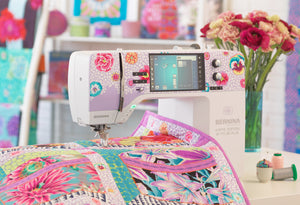

We Love Our Quilting Community
At High Country Quilts we care deeply about community. With our experiences in retail, we know that a store is not only a place to shop but also a place for the community to gather and share. During this busy...


Welcome to the wonderful world of cotton! If you've ever walked into a fabric store and felt a little lost staring at bolts that all look like cotton but feel completely different, you're in good company. What makes one cotton crisp and another soft and drapey?
It all comes down to three key things: the weave, the weight, and the finish. Understanding these basics is like learning the secret language of fabric. Once you know what you're looking for, you can confidently choose the perfect cotton for every quilting project you dream up.
Here at High Country Quilts, we want you to feel empowered every time you shop. Think of us as your friendly guide, here to help you move from guessing to knowing. Let's start with the fundamentals that define every piece of cotton you'll ever work with.
The weave is simply how a fabric's threads are put together. Imagine it as the architectural blueprint for the cloth. The way the lengthwise threads (the warp) and crosswise threads (the weft) interlace determines the fabric’s texture, stability, and even how it hangs.
Plain Weave: This is the most straightforward, over-one-under-one pattern. It creates a stable, balanced fabric, which is why it’s the go-to for standard quilting cotton. It’s reliable and easy to work with.
Twill Weave: You’ll recognize this one by its distinct diagonal lines. This structure makes for a stronger, more durable fabric. Think denim, chambray, or a sturdy canvas.
Satin Weave: This technique floats several threads over one another, creating that signature smooth, glossy surface we all love. It has a gorgeous drape but can be a bit more delicate and prone to snagging.
Fabric weight is measured in ounces per square yard (oz/yd²) or grams per square meter (GSM). This number tells you exactly how heavy or light the fabric is, which is a huge clue for its best use. A feather-light voile is a dream for delicate appliqué, while a hefty canvas is what you need for a bag that will last.
But weight isn't just about thickness. It’s what gives a fabric its personality—its body and movement. Lighter fabrics create flow and softness, while heavier ones provide structure and strength. Matching the weight to your project is one of the biggest keys to success.
This map helps visualize how these core ideas fit together.

These concepts apply to more than just cotton, of course. If you’re curious about textiles for other projects around the house, this guide to curtain cloth types is a fantastic resource that explores different materials and their properties.
Finally, there’s thread count. This is the number of threads woven into one square inch of fabric. While high-end sheets might boast about huge numbers, for quilting, more isn't always better. An extremely high thread count can make fabric stiff and difficult to needle by hand or machine.
For most quilting projects, a thread count of 60 to 75 threads per inch is the sweet spot. This gives you a fabric that’s soft and durable yet still breathable and easy to sew. It's the perfect balance for creating beautiful, long-lasting quilts.
Now that we have the basics down, let's explore some of the most popular cottons you'll find on our shelves. To get started, here's a quick cheat sheet.
This table gives you a quick rundown of the cottons we see quilters use most often, so you can get a feel for their main traits at a glance.
| Fabric Type | Primary Feel | Common Weight | Best For |
|---|---|---|---|
| Quilter's Cotton | Crisp, smooth, stable | Light to Medium | Piecing, patchwork, binding, general quilt making |
| Muslin | Soft, slightly coarse | Light | Quilt backs, test blocks (muslins), historical quilts |
| Cotton Lawn/Voile | Silky, airy, lightweight | Very Light | Delicate appliqué, lightweight quilts, apparel |
| Flannel | Fuzzy, soft, warm | Medium to Heavy | Cozy rag quilts, baby quilts, winter projects |
| Chambray | Soft, lightweight denim | Light to Medium | "Modern" style quilts, structured apparel, accents |
| Canvas/Duck | Sturdy, stiff, durable | Heavy to Very Heavy | Tote bags, home decor, durable utility projects |
This is just the beginning, of course. Each of these fabrics has its own unique personality, and we'll dive deeper into what makes each one special in the sections ahead.
When you dive into the world of cotton, you quickly discover it’s not just one fabric, but a whole family with distinct personalities. Let's get to know the lighter members of the family—the ones known for their delicate feel, airy quality, and beautiful drape.
I’ve always found it helpful to think of these lightweight champions—Muslin, Cotton Lawn, and Voile—like different kinds of paper. It’s a simple analogy that really clarifies their best uses in your sewing room.
Muslin is your trusty sketchpad, perfect for drafting ideas and providing sturdy support. Cotton Lawn is like high-end stationery, smooth and crisp for your most detailed work. And Voile? That’s your translucent vellum, adding a sheer, almost ethereal layer to a special project.

Muslin is the unsung hero of just about every sewing room I’ve ever been in. It’s a simple, plain-weave cotton, usually unbleached or white, with a texture that's soft but has a slightly rustic feel. Its looser weave makes it affordable and incredibly forgiving, which is why it's the absolute go-to for creating test blocks.
Before you cut into your prized fabrics, you can stitch up a quick "muslin" to check your pattern’s fit and seam accuracy. It's a cheap insurance policy for your quilt! Muslin has been a staple for centuries, and even within the massive $35.2 billion global cotton market, its role as a foundational fabric is as important as ever. If you're curious, you can explore the latest findings on the cotton market.
But don’t just relegate it to practice pieces. A good quality muslin makes a fantastic quilt backing, adding breathability and softness without extra weight. Plus, its drape can help reduce puckering by up to 40% during free-motion quilting, making it a surprisingly technical-savvy choice.
If muslin is your sketchpad, then cotton lawn is your fine, silky stationery. It’s also a plain-weave cotton, but the secret to its luxurious feel is the use of very fine, high-count combed cotton threads. This process results in a fabric that's unbelievably smooth, crisp, and almost silky to the touch.
Cotton lawn has a much higher thread count than muslin, giving it more substance and opacity while still feeling wonderfully light. Its perfectly smooth surface is a dream for showing off intricate piecing or dense, detailed quilting stitches.
Why Choose Cotton Lawn? Reach for cotton lawn when your project calls for a touch of elegance. The silky hand-feel is a joy to work with, and its inherent stability helps you achieve incredibly precise seams and sharp points. This makes it a star performer for miniature quilts or blocks with tricky geometry.
It's also my secret weapon for heirloom quilts or as a blender fabric where I want a smooth, subtle texture to play against standard quilting cottons. Its drape also makes it a beautiful choice for summer-weight quilts or quilted apparel.
Finally, let's talk about cotton voile (pronounced "vwahl"), the most delicate and sheer fabric in this trio. The name comes from the French word for "veil," and that’s the perfect description for its see-through quality. Voile is crafted from tightly twisted, fine yarns, creating a fabric that’s light as a feather with a soft, flowing drape.
While its thread count is lower than lawn's, it has a signature crispness that sets it apart from other soft fabrics. This sheerness opens up some really creative possibilities in quilting that other cottons just can't offer.
A quick tip when working with any of these lighter fabrics: switch to a finer needle, like a 70/10 or 75/11, and shorten your stitch length. This will help prevent the fabric from puckering. Press gently to avoid stretching them out of shape, and don't be afraid to use a starch alternative to give them a little extra body before you start cutting.
Alright, we've talked about the lighter, more delicate cottons. Now, let's get into the real workhorses of the quilting world. These are the fabrics you’ll find yourself reaching for over and over—the trusty, foundational materials that are behind so many incredible quilts.
Think of it this way: if lightweight fabrics are like fine drawing paper, these are your high-quality cardstocks. They have the strength and reliability you need for all the cutting, piecing, and handling a quilt goes through. This core group includes Quilting Cotton, Poplin, and Chambray, and each one brings something special to the cutting table.

When you walk into High Country Quilts and see those glorious walls of fabric, you're looking at quilting cotton. It’s not just any old cotton. This is a medium-weight, plain-weave fabric designed specifically for what we do. The thread count, usually around 60-75 threads per inch, hits the sweet spot.
What that means for you is a fabric that's stable enough to hold a crisp press—a must-have for accurate piecing. It has very little stretch, so your blocks won't get all wonky and distorted as you sew. While cottons for clothing are made to drape softly, quilting cotton is all about structure and durability. It’s hands-down the most dependable choice for patchwork.
Next in line is cotton poplin. A lot of people mix it up with quilting cotton, but it definitely has its own personality. Poplin is also a plain-weave fabric, but it’s woven with very fine warp threads and slightly thicker weft threads. That small difference is what gives it that signature crisp, silky-smooth surface and a subtle sheen.
If you’ve ever felt a brand-new, high-end dress shirt, you know what poplin feels like. It’s typically a bit lighter than quilting cotton, but it’s surprisingly strong. While you can absolutely use it in quilts, that smooth hand and nice drape make it a go-to for sewing clothes, too.
When to Choose Poplin Over Quilting Cotton I reach for poplin when I want an exceptionally smooth, crisp finish. It’s wonderful for modern quilts that feature big blocks of solid color because its clean surface really makes the quilting stitches pop. Its toughness also makes it a great choice for quilts that will get a lot of love and washing, like a kid's bed quilt.
If you want to add a bit of casual texture and a modern feel, you have to try chambray. At first glance, you might think it's a lightweight denim, but it's so much softer and easier to work with. Chambray is a plain-weave fabric, but the magic is in the threads: it uses a colored warp thread (often blue) and a white weft thread.
That simple trick in the weaving process creates its classic "heathered" look. You get all the visual interest of denim without any of the bulk or stiffness, making it a joy to sew. I love mixing it in with standard quilting cottons; it adds a beautiful, subtle dimension that breaks up the solid look of prints.
To get the most out of these dependable fabrics, a little bit of prep makes all the difference. Pre-washing is always a smart move to take care of any initial shrinkage and to check for colorfastness, especially with those deeply saturated prints or bold colors.
My Go-To Prep Routine:
Once you get a feel for the unique qualities of quilting cotton, poplin, and chambray, you can start making more purposeful choices for your projects. You’ll be able to build a stash that isn't just a collection of pretty fabrics, but a versatile toolkit ready for your next quilting adventure.

While your standard quilting cottons are the workhorses of our craft, sometimes a project calls for something more. You want your quilt to have a bit of personality, a tactile dimension that invites you to reach out and touch it. This is where fabrics with wonderful, unique textures come into play.
Flannel, Seersucker, and Batiks are three of my favorite ways to introduce that extra something into a quilt. They aren't just visually distinct; they feel different, sew differently, and can completely change the character of your work. Understanding what makes each one special is the key to using them with confidence.
Nothing says "cozy" quite like flannel. This medium to heavy-weight fabric is what we all reach for when we want pure softness and warmth. It’s the obvious choice for snuggly baby quilts, lap throws, and anything meant to keep you warm through the winter. But what gives it that signature fuzzy feel?
The secret is a process called napping. After the fabric is woven (usually with a simple plain or twill weave), it's brushed with fine metal combs. This step gently pulls tiny fibers loose from the yarn, creating that downy surface that traps air for incredible insulation.
Flannel's true gift to a quilt is its warmth and weight. It creates a quilt with substantial, comforting heft, turning a simple patchwork design into a cherished heirloom perfect for chilly Colorado nights. Think of it as adding a built-in hug to every block.
Of course, this wonderful fabric has a few quirks. That soft, napped surface that we love so much is also prone to fraying more than standard cotton. Flannel is also famous for shrinking, so pre-washing is a must.
On the other end of the spectrum is seersucker, a fabric that just screams summer. Its most defining feature is that charming, puckered texture, which you’ll usually see in stripes. That crinkle isn’t an afterthought—it’s ingeniously created during the weaving process.
Seersucker is made by holding some threads at a looser tension than others. When the fabric is washed and finished, those loose threads bunch up, creating a permanent pucker. This built-in texture is exactly why it’s such a low-maintenance dream. It’s supposed to look beautifully rumpled, so you can put that iron away!
In a quilt, seersucker brings a light, airy quality and a lovely hint of vintage charm. It’s perfect for summer throws or as a textured accent block alongside smoother cottons.
Finally, we have batiks, which are less about a specific weave and all about pure artistry. Every single bolt of batik is a one-of-a-kind piece, born from an ancient wax-resist dyeing method. Artists meticulously apply hot wax to the fabric, which resists the dye that comes next. The process of dyeing and removing wax is repeated, often many times, to build up intricate, layered patterns.
This handmade process gives batiks some very specific traits:
That dense weave can be a little tough for hand-quilting, but it behaves perfectly with a sewing machine. Your stitches will look incredibly defined, making your quilting patterns pop.
Working with these fabrics is easy once you know what to expect. A few small adjustments will ensure you get beautiful results every time.
| Fabric | Pre-Washing | Needle Choice | Other Considerations |
|---|---|---|---|
| Flannel | Absolutely essential. Wash and dry on the same settings you'll use for the finished quilt to manage shrinkage. | A slightly larger 90/14 helps get through the thicker layers. | Use a walking foot to prevent layers from shifting. Increase your seam allowance slightly to account for fraying. |
| Seersucker | Recommended. Pre-washing will relax the fabric and ensure the puckers are fully set before you cut. | A standard 80/12 universal needle works great. | Don't over-press, or you risk temporarily flattening the texture. Let it be crinkly! |
| Batik | Highly recommended. Pre-wash with a few color catchers to remove any excess dye from the hand-dyeing process. | A sharp, fine 70/10 Microtex needle is ideal for piercing the dense weave cleanly. | Try to pin within the seam allowance, as pinholes can be more noticeable in the tight weave. |
By welcoming these textural fabrics into your projects, you open up a whole new world of creative expression. Mixing a soft flannel, a crinkly seersucker, or a vibrant batik with your quilting cottons can take your work from beautiful to truly unforgettable. Stop by High Country Quilts to feel these for yourself—we’d love to help you find the perfect texture for your next quilt
When your project needs to be tough, it's time to bring in the heavyweights of the cotton world. While fabrics like voile and lawn give you beautiful drape, these sturdy weaves offer structure, resilience, and a whole lot of longevity. These are the workhorses you’ll reach for when making something that needs to stand up to real life, from a durable tote bag to rugged home decor.
We're going to dive into the big three: Canvas, Duck, and the iconic twill weave, Denim. Once you get a feel for what makes each one unique, you'll be able to tackle those more demanding projects with confidence.
At first glance, you might think canvas and duck are the same thing. They’re both heavy, plain-weave cotton fabrics famous for their strength. Think of them as the Clydesdales of the fabric world—powerful, dependable, and built to last. The real distinction between them actually comes down to how tightly they’re woven.
Duck cloth, or simply "duck," is made with two yarns woven together for the warp (the lengthwise threads) and a single yarn for the weft (the crosswise threads). This creates an exceptionally tight, dense fabric. A standard canvas, on the other hand, might have a simpler one-by-one weave. This extra density is what makes duck cloth feel smoother and even shed water a bit better than a basic canvas of the same weight.
Key Takeaway: All duck is a type of canvas, but not all canvas is duck. Duck refers to a specific, high-density plain weave, making it one of the most durable different cotton fabric types available for sewers.
These fabrics are the go-to choices for projects that need to hold their shape, like structured tote bags, floor cushions, upholstery, and even "outdoor" quilts for picnics and camping. Their inherent stiffness gives your work a professional and robust finish.
Sewing with these dense materials takes a little more muscle from your machine. A few simple adjustments to your setup will make the whole process go much smoother and save you a lot of frustration.
While canvas and duck get their strength from a super-dense plain weave, denim owes its legendary toughness to a twill weave. You can see this for yourself just by looking closely at a pair of jeans—notice those distinct diagonal lines running across the fabric? That's twill.
Denim is traditionally made with a colored warp thread (usually indigo) and a white weft thread. In the weaving process, the warp thread floats over two or more weft threads before going under one. This creates that diagonal pattern and also means more of the colored (and more durable) warp threads show on the face of the fabric. It’s this structure that makes denim so incredibly strong and resistant to tearing.
In the wider world of cotton textiles, heavy-duty fabrics play a huge role. A high-quality canvas duck, which can weigh between 10-16 oz. per square yard, offers two to three times the tear strength of lighter cottons. For those of us making things, its tight weave also cuts down on fraying in high-stress seams by over 30%, making it a truly reliable choice for projects built to last. You can learn more about the cotton market's global overview to see the bigger picture.
Don't think you have to limit these fabrics to purely utilitarian projects! They can bring fantastic texture and personal meaning to your quilting. Imagine a memory quilt made from squares of old, well-loved blue jeans; the mix of different washes and levels of wear would create a piece overflowing with history and character. For a more modern look, a sturdy canvas makes a fantastic border for a wall hanging or serves as a solid base for a quilted bag.
Wandering through a quilt shop can feel a bit like a treasure hunt, but knowing how to spot true quality is the secret map. With just a few simple tricks up your sleeve, you can learn to pick out fabrics that will not only make your quilts beautiful but also ensure they last for generations. Let's step away from the theory and get practical, learning how to judge fabric like a seasoned pro.
Your first clue is printed right there on the end of the bolt. Look for the label—it tells you the manufacturer, the designer, and often the collection name. Sticking with reputable brands is a great starting point. They've built their names on producing high-quality quilting cotton with stable weaves and dyes that won't run on you.
But the label only tells part of the story. Your hands are your most important tool.
Don't be shy—get your hands on the fabric! A top-notch quilting cotton should feel smooth and have some body to it. It shouldn't feel rough, papery, or stiff like cardboard. Go ahead and unroll a small section and let it drape over your hand. Does it hang gracefully, or is it rigid and unyielding?
Good fabric has a soft, supple feel but is still stable and strong. Hold a single layer up to a bright light. If you can see a lot of light coming through or noticeable gaps between the threads, it’s probably a lower-quality fabric. That loose weave means it will likely fray more during sewing and won't stand up to repeated washing.
Next, give it a quick "crinkle test." Grab a corner, squeeze it tightly in your fist for a few seconds, and then let it go. All 100% cotton will wrinkle, that’s just its nature. But a quality fabric will spring back a bit, and the wrinkles will soften out. If it stays balled up in a tight, crinkled mess, you're likely looking at a looser weave or inferior cotton fibers.
Precuts—those tempting fat quarter bundles, charm packs, and jelly rolls—are wonderful time-savers. But how do you check their quality? If the packaging isn't sealed tight, try to feel the fabric inside. The same rules apply: you're looking for that smooth, substantial feel, not something coarse.
Take a close look at the edges. Are they cleanly cut, either with pinking shears or a rotary blade? Messy, frayed, or unraveling edges are a red flag. It often suggests the fabric itself is prone to fraying and wasn't handled with care during manufacturing. With precuts, trusting the brand is often your best bet since you can't unroll the fabric for a full inspection.
As you choose your materials, you might also want to think about their journey to the shelf. Organic cotton is a wonderful choice here. It's grown without the use of synthetic pesticides or fertilizers, which makes it a healthier option for the planet and especially for projects meant for sensitive skin, like a baby quilt. The production process often results in a final fabric that feels softer and is even more durable.
If you’re diving deep into high-quality, sensitive-skin-friendly fabrics, comparing information from a guide like this Organic Cotton vs Bamboo The Ultimate Baby Fabric Guide can help you understand the unique benefits of different sustainable materials.
By combining what you see on the bolt, what you feel with your hands, and your growing knowledge of fabric brands, you can make fantastic choices. Your next trip to High Country Quilts will be an empowered one, knowing you can confidently select the perfect materials for a gorgeous, long-lasting project.
When you're surrounded by beautiful bolts of cotton, it's only natural to have a few questions pop up. Here at High Country Quilts, we've spent years helping quilters find the perfect fabrics, and we've gathered answers to some of the questions we hear most often. Let's clear these up so you can get back to your machine with total confidence.
Ah, the great pre-washing debate! In our experience, it's almost always a good idea. Giving your fabric a quick wash does two crucial things: it pre-shrinks the material and rinses out any leftover dyes or factory finishes. This little step can save you from puckered seams and bleeding colors down the road, especially if you’re mixing darks and lights.
That said, many quilters adore the crisp, stable feel of unwashed fabric—it can make cutting and piecing feel incredibly precise. If you choose to skip the wash, the most important rule is to be consistent. Never mix washed and unwashed fabrics in the same quilt top, or you'll get uneven shrinkage and a quilt that won't lie flat.
You absolutely can, and you should! Blending different cottons—like a smooth quilting cotton with a soft flannel or a textured chambray—is a wonderful way to create a quilt that’s rich in texture and character.
When mixing fabrics of different weights, a little extra care goes a long way. Consider using a lightweight stabilizer on thinner fabrics like lawn or voile to give them more body. A walking foot is also a non-negotiable tool in this scenario; it grips all the layers and feeds them through your machine evenly, preventing any shifting or stretching. Just remember they might shrink and wear differently over time, so stitching up a small test block is always time well spent.
This is a case where more isn't necessarily better. While we look for high thread counts in luxury bedsheets, the sweet spot for a high-quality quilting cotton is usually around 60-75 threads per square inch.
This specific thread count creates a fabric that’s the perfect Goldilocks weight—it's sturdy enough to last for generations but still allows a needle to pass through it smoothly. It also holds a crisp press beautifully, which is essential for accurate patchwork. Fabrics with a much higher thread count, like some batiks or sateens, can be dense and a bit tougher to hand-quilt or piece with precision.
Ready to explore these fabrics for yourself? Stop by High Country Quilts to feel the difference and get expert advice for your next project. Check out our amazing fabric selection at https://hcquilts.com.
At High Country Quilts we care deeply about community. With our experiences in retail, we know that a store is not only a place to shop but also a place for the community to gather and share. During this busy...

Hi! We’re Adam and Renee Wheaton, the new owners of High Country Quilts! For more than 40 years, we’ve owned and operated vacuum and sewing businesses. Following in Renee’s father’s footsteps after he retired from All Discount Vacuum and Sewing in Colorado...


Leave a comment