
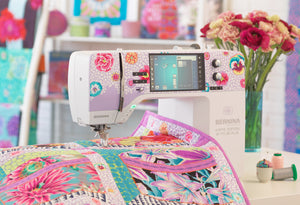

We Love Our Quilting Community
At High Country Quilts we care deeply about community. With our experiences in retail, we know that a store is not only a place to shop but also a place for the community to gather and share. During this busy...


If you're a quilter or a sewer, you know that keeping your iron's soleplate clean is non-negotiable. This isn't just about appearances—it's about protecting every project you pour your heart into. A dirty iron can snag fabric, leave a mysterious brown smudge on a pristine quilt block, or completely ruin delicate materials. It’s a simple chore that’s absolutely essential for quality work.
A clean iron is truly the unsung hero of the sewing room. When that soleplate is smooth and flawless, it glides over fabric like a dream. You get the crisp, flat seams that are the very foundation of anything that looks professionally made. But the moment residue starts building up, the game changes.
That sticky gunk from fusible interfacing or that bit of scorched-on starch creates drag, making you feel like you're fighting the iron with every single pass. This friction can easily snag or pucker delicate fabrics like silk or lawn, creating pulls that are simply impossible to fix.
We’ve all been there. You spend hours piecing a perfect quilt top, only to press the final seams and find a brown streak right across your beautiful work. That's the real-world consequence of a dirty soleplate. Residue doesn't just transfer stains; it also messes with your iron's heat distribution.
When the surface isn't uniformly hot, you get wildly inconsistent results. Some spots might not get hot enough to properly set a seam or adhere to a fusible, while others can turn into hotspots that risk scorching your fabric.
A dirty soleplate doesn't just make ironing harder—it actively works against you. It compromises the integrity and beauty of your handcrafted items, turning a tool meant for precision into a source of frustration and potential ruin.
Before you grab any cleaner, the first and most important step is figuring out what your soleplate is made of. The cleaning approach for each type is very different, and using the wrong one can cause permanent damage.
The global household steam iron market shows just how common these materials are. Stainless steel soleplates, for example, account for about 52% of market demand. Their popularity comes from that ideal mix of durability and ease of cleaning, which is a huge factor for those of us who use our irons constantly. You can explore more data on iron market trends to see why this material remains a top choice.
Taking a moment to check your iron's manual or the manufacturer's website to identify your soleplate type is time well spent. It ensures you pick a safe cleaning method that will keep your iron performing beautifully for years to come.
Before you can get that soleplate sparkling again, you need to gather the right supplies. I find that keeping a small, dedicated cleaning kit right in my sewing room makes all the difference. It turns a frustrating chore into a quick, simple maintenance task. The best part? You probably have everything you need already.
Most of the time, gentle household items are all it takes to handle everyday grime and buildup. These are the things you’ll reach for again and again.
Let's start with the basics. You absolutely need a stack of soft, clean cloths. I always keep a few 100% cotton rags or microfiber towels handy. If you're unsure what to use, understanding the best cloths for cleaning is a great first step to avoid accidentally scratching your soleplate.
Here’s what else I always have in my kit:
A clean iron isn't just about looks; it directly affects how well it performs. A dirty soleplate can snag delicate fabrics, create drag that makes pressing a workout, and distribute heat unevenly.

Ultimately, a gunked-up iron can ruin your hard work, which is the last thing any of us want.
Just as important as knowing what to use is knowing what to leave on the shelf. The wrong product can cause irreversible damage, stripping coatings and creating deep scratches that will catch on your fabric forever.
My number one rule for iron cleaning is simple: if it feels remotely scratchy, it’s too harsh for your soleplate. This is especially true for delicate ceramic and non-stick coatings.
That means steel wool, scouring pads, and abrasive cleaning powders are completely off-limits. Also, never, ever reach for harsh chemicals like oven cleaner. When heated, they can release toxic fumes and will absolutely destroy your iron’s surface.
If you’re dealing with a major disaster, like a big patch of melted fusible web, your safest bet is a commercial iron cleaner specifically designed for the job. These are formulated to work on a hot soleplate without causing damage or fumes.

Alright, with your supplies gathered, let's talk about the actual cleaning. The most critical thing to know is what your iron's soleplate is made of. What works like a charm on tough stainless steel could spell disaster for a non-stick coating.
My rule of thumb is to always start with the gentlest method first. Unless a specific trick requires heat, make sure your iron is unplugged and totally cool before you even think about touching it. A little patience now will keep your iron gliding smoothly for years to come.
Stainless steel is the workhorse in the sewing room, and for good reason. It’s durable, distributes heat like a dream, and can handle a bit more aggressive cleaning than other materials. For day-to-day cleaning or that brownish film that inevitably builds up, a simple baking soda paste is my secret weapon.
It’s easy to whip up and use:
This is my go-to for removing light starch residue and general funk, bringing back that slick surface you need for crisp seams.
We all love ceramic soleplates for that effortless, super-smooth glide. But remember, that beautiful surface is a coating, which makes it far more delicate than solid steel. Abrasives are your worst enemy here; they can chip or scratch the coating and create snags that will ruin your fabric.
For most light cleaning, a little dish soap on a microfiber cloth does the trick. If you've got a stubborn spot, like a tiny bit of melted fusible web you caught right away, non-gel white toothpaste can be a lifesaver.
When cleaning a ceramic soleplate, the goal is to be gentle. Think of it as polishing, not scrubbing. You want the cleaning agent to do the heavy lifting for you.
Just put a tiny dab of toothpaste on the spot (on a cool iron!) and work it in with a soft cloth until the gunk lifts. Wipe it clean with a fresh, damp cloth, and you’re good to go.
Non-stick soleplates are the most fragile of the bunch. The coating is fantastic at preventing buildup, but when something does stick, you have to be extra careful not to damage the surface. Never, ever use anything abrasive—not even the gentle baking soda paste.
Here’s a trick that sounds strange but works wonders on light residue: a dryer sheet. Turn your iron on its lowest setting and let it warm up slightly. Then, just bunch up a new dryer sheet and rub it over the warm soleplate. The combination of gentle heat and the softeners in the sheet helps lift off sticky stuff without a scratch.
This is perfect for tackling that tacky feeling left by some stabilizers or spray adhesives. Once you’re done, let the iron cool completely and give it a final wipe with a damp cloth to remove any film from the dryer sheet. It’s a low-risk way to keep that non-stick surface in prime condition.
It’s no wonder manufacturers are investing so much in these surfaces; the electric iron market is projected to reach USD 2,336.0 million by 2030, largely driven by innovations that prevent buildup in the first place. You can actually read more about trends in the electric iron market to see how the technology is evolving.

We’ve all been there. You’re in the zone, pressing a seam or applying interfacing, and you hear that dreaded sizzle. A quick glance reveals the worst: a sticky, melted mess of fusible web or synthetic fabric has coated your hot soleplate.
It feels like a disaster, but it doesn't have to be a death sentence for your iron. Dealing with this kind of gunk goes beyond a simple wipe-down, but with the right approach, you can rescue your iron from even the stickiest situations. Think of this as your emergency guide for those "oh no" moments in the sewing room.
When you're facing a serious meltdown of plastic, fusible interfacing, or stabilizer, you need a technique with a bit more oomph. This is where the old-school salt and paper trick really shines. It's surprisingly effective at scrubbing off that burnt, sticky gunk without damaging your iron.
You'll need to work while the iron is still hot for this one. First, protect your ironing board with an old towel, then lay a sheet of parchment paper or a plain brown paper bag on top.
Sprinkle a generous layer of regular table salt or coarse sea salt over the paper. Just make sure it’s plain salt—no fancy herbs or seasonings!
Now, crank your iron to a high heat setting, but double-check that the steam is turned completely off. Carefully run the hot iron over the salt. The heat keeps the residue soft while the abrasive salt crystals work to scrub it right off the soleplate and onto the paper. Keep at it until the gunk is gone, then let the iron cool completely and wipe it down with a damp cloth to get rid of any stray salt.
Sometimes the problem isn't one big accident, but a slow, creeping buildup. Over time, scorched spray starch or residue from fusible stabilizers can create a tacky, brownish film that threatens to transfer onto your beautiful fabrics.
For this kind of grime, a gentle acidic solution is your best friend. A little bit of warm, distilled white vinegar works wonders here. You can warm it for a few seconds in the microwave or in a small pan on the stove—just warm, not boiling.
When dealing with stubborn scorch marks, the trick is to dissolve the residue, not just scrape at it. Let a warm, vinegar-soaked cloth sit on the cool soleplate for about 5-10 minutes. This gives the acetic acid time to break down the grime, making it much easier to wipe away.
After letting it soak, a gentle rub with a clean cloth should lift the loosened gunk right off. This method is much safer for all soleplate types—especially delicate non-stick and ceramic coatings—than trying to scrub it off with something abrasive.
Even a sparkling-clean soleplate won’t perform well if its steam vents are clogged. Mineral deposits from hard water are the usual culprit, blocking the vents and causing your iron to spit brown water all over your project.
Getting your steam flowing freely again is pretty straightforward.
If the vents are really blocked, you can try a deeper clean. Fill the iron's water reservoir with that same vinegar-and-water solution. Let it sit for a while, then heat the iron and blast the steam out over a sink or an old towel to flush the system. Always follow this by flushing it again with plain distilled water to clear out any leftover vinegar.
Honestly, the best way to clean your iron is to not have to clean it in the first place. By building a few simple habits into your sewing or quilting workflow, you can almost eliminate those frustrating moments spent scraping gunk off a dirty soleplate. It really boils down to prevention.
The single biggest game-changer? Using a pressing cloth. Think of it as a mandatory shield between your hot iron and your project. This is especially true for anyone working with materials that have a tendency to melt or leave behind a sticky residue.
A pressing cloth is your iron's best friend. It’s an absolute must-have when you're applying fusible interfacing, using fusible web, or pressing synthetic fabrics like polyester or nylon that can melt in a heartbeat. You don't need anything fancy—a scrap of 100% cotton muslin or even an old pillowcase will do the trick perfectly.
This simple barrier does double duty. It keeps sticky adhesives off your soleplate while also protecting your delicate fabrics from developing that dreaded shine or getting scorched. It’s a win-win that adds maybe two seconds to your process.
The number one reason I see gunked-up soleplates is direct contact with fusibles and synthetics. A pressing cloth can prevent over 90% of these messes, keeping your iron pristine and your projects looking professional.
Another crucial habit is to just get into the rhythm of checking your iron's temperature setting before it touches anything. It's so easy to finish pressing a cotton seam on high heat and then move straight to a delicate fabric. That quick glance at the dial can save you from a melted, sticky disaster that ruins both your iron and your hard work.
What you do after you’ve finished ironing for the day is just as important as what you do during. A simple two-step shutdown routine will save you a world of trouble later on.
Empty the Water Reservoir: This is non-negotiable. Leaving water inside is a recipe for mineral buildup and rust. Eventually, that limescale will clog your steam vents and cause the iron to spit gross, rusty water all over your beautiful fabric. Always dump it out.
Wipe it Down: Once the iron has cooled down completely, just give the soleplate a quick wipe with a soft, dry cloth. This little step removes any stray fibers or dust before they get a chance to get baked on the next time you turn it on.
These small, consistent habits are what separate a smoothly gliding iron from a frustrating, sticky one. They ensure your most-used tool is always ready for action, so you can focus on creating instead of cleaning.
Even after you've mastered the basics, a few tricky situations always seem to pop up. Let's tackle some of the most common questions I hear from fellow sewers and quilters about keeping an iron in prime condition.
A quick wipe-down with a damp, soft cloth after you finish sewing for the day is a fantastic habit to get into. For a deeper clean, a good rule of thumb is to give the soleplate some attention every month or two. Of course, if you feel it start to drag or see gunk building up, it's time for a cleaning, no matter how recent the last one was. If you work with fusible interfacing or spray starch a lot, you'll definitely be on a more frequent cleaning schedule to keep that sticky residue at bay.
Clogged steam vents can be a real pain. The key is to work gently. First, make sure your iron is completely unplugged and cool to the touch.
Mix up a solution of 50/50 distilled water and plain white vinegar. Dip a cotton swab into the mix and carefully work it around the inside of each steam vent. This will help break down any gunk or mineral deposits that have built up over time.
To flush the whole system, you can pour that same vinegar solution into the water reservoir and let it sit for about 30 minutes. Then, holding the iron over a sink, press the steam button until it's empty. Always run a full cycle with plain distilled water afterward to rinse out any leftover vinegar before you touch the iron to your fabric.
A quick but important warning: please don't use a magic eraser on your iron! Those sponges are secretly micro-abrasive and will scratch or even strip the coating right off your non-stick or ceramic soleplate. The damage is permanent. For a stubborn spot on a tough stainless steel plate, a simple baking soda paste is a much safer bet.
There’s nothing worse than that sinking feeling when you lift your iron and see a new, ugly brown stain on your project. This is almost always caused by one of two culprits. Either you have residue on the soleplate itself—like scorched starch or melted fusible web—that transferred onto the fabric, or the iron spit out rusty-colored water from mineral buildup.
Luckily, preventing this is straightforward:
Sticking to these two habits is the best way to ensure your steam is clean and your fabrics stay pristine.
Here at Famcut.com, we understand that the right tools make all the difference in your craft. From dedicated cosplayers to passionate quilters, you can find all the high-quality supplies and project inspiration you need by visiting us at https://famcut.com.
At High Country Quilts we care deeply about community. With our experiences in retail, we know that a store is not only a place to shop but also a place for the community to gather and share. During this busy...

Hi! We’re Adam and Renee Wheaton, the new owners of High Country Quilts! For more than 40 years, we’ve owned and operated vacuum and sewing businesses. Following in Renee’s father’s footsteps after he retired from All Discount Vacuum and Sewing in Colorado...


Leave a comment