
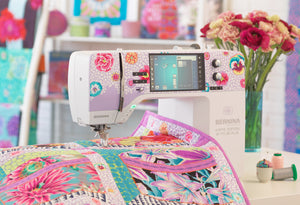

We Love Our Quilting Community
At High Country Quilts we care deeply about community. With our experiences in retail, we know that a store is not only a place to shop but also a place for the community to gather and share. During this busy...


Embarking on your quilting journey is an exciting creative endeavor, but the sheer volume of patterns and techniques can feel overwhelming. Where do you even begin? The key is to start with projects that build foundational skills without causing frustration. This guide is designed to be your trusted companion, showcasing 10 carefully selected beginners quilting projects that are not only manageable but also incredibly rewarding.
We will move beyond generic advice and dive into specific, actionable steps for each project. You’ll learn how to tackle everything from the classic charm of a simple patchwork to the modern magic of a disappearing nine-patch. This curated roundup will provide clear direction, helping you select a first project that aligns with your creative goals and current skill level.
Whether you're aiming to create a cozy baby quilt, a stylish table runner, or your very first bed-sized masterpiece, you'll find a project here that sparks your imagination. Inside this listicle, you will find:
We break down the estimated time commitment and offer practical tips to avoid common mistakes that can trip up new quilters. Get ready to transform that fabric stash into a beautiful, functional work of art. Let's start quilting
The simple square patchwork quilt is the quintessential starting point for anyone new to quilting. Its beauty lies in its simplicity: you cut fabric into uniform squares and sew them together in rows to form a grid. This method is one of the best beginners quilting projects because it directly teaches the foundational skills of accurate cutting, consistent seam allowances, and basic quilt top construction without the pressure of complex patterns or points to match.

This project is your training ground for the core mechanics of quilting. By focusing only on straight lines and simple shapes, you build muscle memory and confidence. It's an excellent way to turn a pile of scrap fabric into a beautiful and functional item or to feature a specific fabric collection you love.
To ensure your first patchwork project is a triumph, concentrate on precision from the very start. Small inaccuracies can compound as you build your quilt top.
Key Takeaway: The secret to a great square patchwork quilt is consistency. A precise quarter-inch seam allowance and accurate initial cuts are more important than fancy fabric. A quarter-inch presser foot for your sewing machine is a valuable tool for this.
Strip piecing is a highly efficient technique where you sew long fabric strips together first, then cut the resulting "strip set" into smaller segments to create quilt blocks. This method is one of the most satisfying beginners quilting projects because it minimizes tedious individual cutting and maximizes sewing time. It’s the perfect next step after mastering simple squares, introducing dynamic patterns without a huge leap in complexity.

This approach teaches you how to manage long pieces of fabric and introduces the concept of creating complex-looking blocks from simple components. By sewing the strips together into a larger panel before cutting, you ensure that the pieces within your final blocks are perfectly aligned. It’s a fast and impressive way to assemble a quilt top, popularized by pre-cut fabric bundles like Jelly Rolls.
The key to successful strip piecing is maintaining straight seams and accurate cuts after your strips are joined. Warped or bowed strip sets can throw off your entire project.
Key Takeaway: Precision in strip piecing comes from how you handle the fabric. Use plenty of pins to prevent shifting as you sew long seams, and invest in a good quality stripology or long acrylic ruler to ensure your sub-cuts are straight and consistent.
A charm pack quilt takes the simple patchwork concept and makes it even more accessible for beginners. Charm packs are bundles of pre-cut 5-inch squares, curated by fabric manufacturers like Moda Fabrics from a single, coordinated collection. This approach is one of the most effective beginners quilting projects because it removes the initial hurdle of precise cutting, allowing you to dive straight into the fun of arranging your design and sewing.

Using pre-cuts guarantees that your project will have a professional, cohesive look without the stress of choosing and coordinating fabrics yourself. It’s an ideal way to practice piecing and quilting on a small scale, resulting in a beautiful lap quilt, baby blanket, or wall hanging. Many free patterns are designed specifically for the dimensions and quantity of squares found in a standard charm pack.
A charm pack project is your opportunity to focus on sewing accuracy and design layout. Planning your arrangement is just as important as sewing a straight line.
Key Takeaway: The power of a charm pack quilt is in its pre-selected coordination. Trust the designer's choices and focus your energy on perfecting your seam allowance and enjoying the sewing process. A 1/4-inch presser foot remains your most valuable tool.
The nine-patch block is a classic pattern that takes the skills from simple patchwork one step further. It involves sewing nine smaller squares into a 3x3 grid to form one larger block, which is then used to build the quilt top. This project introduces the concept of block construction, a fundamental element in most quilting patterns. As one of the most versatile beginners quilting projects, it teaches precision piecing on a small, manageable scale and opens the door to countless design possibilities.
By mastering the nine-patch, you learn how to arrange colors for visual impact and how to nest seams perfectly for crisp points. This block is a cornerstone of quilting history but remains incredibly popular in modern designs, proving its timeless appeal. It's an ideal way to play with fabric scraps or plan a more structured, high-contrast design.
Accuracy in your nine-patch blocks will make assembling the final quilt top a much smoother process. The key is consistent cutting and careful pressing.
Key Takeaway: The nine-patch block is all about nesting seams. Pressing adjacent rows in opposite directions is the single most important technique for getting the corners of your squares to line up perfectly.
The Half-Square Triangle (HST) is a cornerstone block in quilting, opening the door to countless classic and modern designs. This project introduces beginners to working with triangles and diagonal seams, a crucial next step after mastering squares. By sewing two squares of fabric together, marking a diagonal line, and sewing on either side of it, you create two identical HST units at once. This method is one of the most versatile beginners quilting projects because it teaches precision piecing and unlocks an incredible variety of patterns from one simple block.
Learning to make HSTs moves you beyond basic grids into the world of dynamic patterns like pinwheels, chevrons, and flying geese. The process requires careful handling of bias edges (the diagonal cut of the fabric, which can stretch) but rewards the quilter with stunning visual complexity from a straightforward technique.
Accuracy is your best friend when creating Half-Square Triangles, as even small variations can affect how your final points match up.
Key Takeaway: The secret to perfect HSTs is squaring them up. Trimming each block to a consistent size before sewing them together ensures that all your points will align beautifully, creating sharp and impressive geometric patterns. Specialty HST rulers can make this process faster and more accurate.
The Disappearing Nine-Patch Quilt offers a touch of magic for those ready to move beyond basic squares. The process starts simply by creating a standard nine-patch block, but then you slice that block into four equal quarters. By rotating and rearranging these new smaller blocks, you create a far more complex and intricate design that looks like it took hours of advanced work. This technique is one of the most rewarding beginners quilting projects because it introduces the concept of deconstruction and reconstruction in a controlled, easy-to-follow way.
This project builds directly on the skills learned from simple patchwork but adds an exciting layer of creative decision-making. Seeing a simple block transform into an elaborate pattern is a huge confidence booster and opens the door to modern quilt design. Popularized by figures like Jenny Doan of Missouri Star Quilt Company, it has become a staple for creating stunning quilts with minimal fuss.
The key to a successful Disappearing Nine-Patch is precision during the cutting phase. A clean, accurate slice through your finished nine-patch block is what makes the magic happen.
Key Takeaway: The "disappearing" illusion depends entirely on how you slice and rearrange the initial block. Mark the center of your nine-patch block before cutting to ensure your slices are perfectly centered, which will guarantee your final blocks are uniform in size and shape.
A fat quarter bundle quilt is a fantastic choice for beginners who want to work with a curated collection of fabrics without the commitment of buying large yardage. Fat quarters, which are 18x22 inch cuts of fabric, provide enough material for a variety of block sizes while offering a beautiful, coordinated palette. This makes them one of the most accessible beginners quilting projects for creating a visually cohesive quilt right from the start.
This project teaches you how to manage and cut from larger, non-standard pieces of fabric, a crucial skill as you move beyond pre-cut squares. The variety within a single bundle, popularized by fabric companies like Moda and designers who collaborate with them, allows you to experiment with color and pattern placement, building your confidence in quilt design. Many quilting brands and designers release new fabric lines, and you can learn more about how they partner with influencers to promote these collections.
Working with fat quarters is all about efficient planning and cutting. A thoughtful approach before you make the first cut will save fabric and prevent headaches later.
Key Takeaway: The power of a fat quarter quilt is its built-in coordination. Trust the fabric designer's choices and focus on how you cut and arrange the pieces to create a unique design. Planning your cutting layout is the most critical step for success.
Appliqué opens up a world of creative possibilities beyond piecing blocks together. In this technique, you apply fabric shapes onto a larger background fabric, stitching them down by hand or machine. A simple appliqué design is one of the most artistic beginners quilting projects because it teaches precision, decorative stitching, and how to create images with fabric, all on a small, manageable scale.
This project allows you to "draw" with fabric, adding personality and custom details to quilts, wall hangings, or pillows. By starting with basic shapes like circles, flowers, or leaves, you can master the process without feeling overwhelmed by intricate curves or sharp points, building a strong foundation for more complex pictorial quilts later on.
The key to clean, pucker-free appliqué is preparation. Securing your shapes properly before you start sewing makes all the difference in achieving a professional finish.
Key Takeaway: Fusible webbing (like Heat'n Bond or Wonder-Under) is the secret weapon for perfect appliqué. It eliminates the need for pins and ensures your fabric shapes don’t shift or fray at the edges while you sew, guaranteeing a crisp and clean result.
The string quilt is a fantastic way to turn a chaotic pile of fabric scraps into a stunning, organized masterpiece. This technique involves sewing long, thin strips (“strings”) of fabric onto a foundation material, like lightweight paper or muslin. It’s one of the most rewarding beginners quilting projects because it introduces the concept of foundation piecing in a forgiving, creative way while also tackling the ever-growing scrap bin.
This project liberates you from the need for perfect, uniform pieces. Instead, it encourages improvisation and teaches you how to manage and combine various colors, textures, and fabric widths. The result is a dynamic, visually interesting quilt block with a unique, modern feel that looks far more complex than it actually is to create.
Success with string quilting comes from a little bit of preparation and embracing the "perfectly imperfect" nature of the technique. The foundation provides the structure, so you can focus on creative expression.
Key Takeaway: A string quilt’s magic is in its thrifty and artistic nature. Use a "stitch-and-flip" method: place a strip right-sides-together on your first strip, sew along the edge, then flip it open and press. Repeat this process until your entire foundation is covered.
Foundation paper piecing (FPP) might sound advanced, but it is an incredibly clever technique that makes intricate, precise designs accessible to newcomers. The process involves sewing fabric pieces directly onto a printed paper pattern. This paper guide removes the guesswork of cutting complex angles and matching sharp points, making it one of the most rewarding beginners quilting projects for those who crave accuracy.
With FPP, you can create stunningly detailed blocks, like stars or geometric animals, that would be daunting with traditional piecing. The paper stabilizes the fabric and guides your seams, ensuring every point lines up perfectly. Once the block is complete, you simply tear the paper away, leaving a flawless design.
Your first FPP experience will be much smoother by starting small and focusing on the unique process of sewing to paper.
Key Takeaway: In foundation paper piecing, you work in reverse on the back of the paper. Always place your fabric pieces with more overlap than you think you need, as it's better to trim away excess than to find your piece is too small after sewing.
| Project | Implementation Complexity 🔄 | Resource & Time ⚡ | Expected Outcomes ⭐📊 | Ideal Use Cases 💡 | Key Advantages ⭐ |
|---|---|---|---|---|---|
| Simple Square Patchwork Quilt | Low — straight seams, basic piecing | Minimal tools; small fabric stash; 2–4 weeks | Solid foundation skills; clean grid aesthetic | Beginner practice projects, scrap quilts | Forgiving, quick to complete |
| Strip Piecing Quilt | Low–Medium — strip management & sub-cutting | Requires strip ruler/cutter; faster assembly than squares | Professional-looking blocks quickly | Jelly roll projects, efficient baby/throw quilts | Fast construction; great with pre-cuts |
| Charm Pack Quilt | Very Low — no cutting required | Buy pre-cut 5" packs; very quick assembly | Coordinated, ready-to-sew layouts; beginner confidence | Absolute beginners, gift quilts, classes | No cutting skills needed; curated colorways |
| Nine-Patch Block Quilt | Low–Medium — block alignment & seam matching | Basic tools; time scales with block count | Strong visual impact from simple blocks | Traditional quilts, learning block construction | Versatile, classic pattern with great results |
| Half-Square Triangle (HST) Quilt | Medium — diagonal seams, bias handling | HST rulers helpful; moderate precision/time | High-impact geometric patterns; scalable | Learning triangle techniques, pinwheels/stars | Efficient unit production; highly versatile |
| Disappearing Nine-Patch Quilt | Medium — extra cutting & rearrangement | Careful cutting and layout time; moderate tools | Complex modern-looking designs from simple blocks | Creative redesigns of nine-patch, modern quilts | Produces intricate visuals with basic blocks |
| Fat Quarter Bundle Quilt | Low–Medium — planning and multiple fabrics | Purchase fat quarters; more cutting than charm packs | Cohesive multi-fabric quilts with variety | Multi-fabric coordination practice, sampler quilts | Variety without overwhelming choices; economical |
| Simple Appliqué Quilt | Medium — new hand/machine techniques | Needs fusible/stabilizer; more stitching time | Personalized decorative motifs; stitch control | Decorative projects, seasonal motifs, personalized gifts | High visual interest; forgiving of minor flaws |
| String Quilt with Scrap Fabrics | Low–Medium — foundation piecing learning curve | Minimal fabric cost; foundation paper time | Eclectic, sustainable quilts; good scrap use | Using leftovers, eco-focused projects, improv quilts | Low-cost, creative use of remnants |
| Beginner-Friendly Foundation Paper Piecing (FPP) Quilt | Medium–High — numbered sequence & paper handling | Requires printed foundations; paper removal time | Extremely accurate complex blocks; precise results | Intricate geometric designs, accurate points | Enables complex patterns with high precision |
You've just explored ten distinct and accessible beginners quilting projects, each a gateway into the rich and rewarding world of quilting. From the straightforward geometry of a Simple Square Patchwork Quilt to the satisfying precision of a beginner Foundation Paper Piecing (FPP) project, you now have a clear roadmap. The path from a curious beginner to a confident quilter is paved with these foundational projects, each designed to build your skills methodically.
The most important takeaway from this guide is that quilting is a journey, not a race. Every project, whether it's the quick satisfaction of a Charm Pack Quilt or the slightly more complex design of a Disappearing Nine-Patch, teaches you something new. You've learned about the importance of an accurate quarter-inch seam, the magic of nesting seams for perfect points, and the creative freedom that comes from working with different pre-cuts like fat quarters and charm packs. These aren't just isolated skills; they are the building blocks for every quilt you will ever make.
The key to moving forward is to choose one project and begin. Don't get stuck in analysis paralysis, wondering which is the "perfect" first choice. The best project is the one that sparks your excitement and makes you eager to start cutting fabric. Consider what you want to achieve:
Remember the practical advice shared for each project, such as chain piecing to save time and thread, pressing your seams open or to the side depending on the pattern, and the value of a good rotary cutter and mat. These details make a significant difference in the quality of your finished work and your enjoyment of the process.
Key Insight: Perfection is not the goal for your first few projects. The real objective is to learn, practice, and build muscle memory. Every "mistake" is an opportunity to learn how to fix it or how to embrace the unique, handmade character of your quilt.
The skills you gain from these beginners quilting projects extend far beyond simply making blankets. You are learning patience, precision, and problem-solving. You're discovering how color and texture interact, and you're creating something tangible and beautiful with your own hands. This craft connects you to a long tradition of artisans while providing a modern outlet for creativity and mindfulness.
Your next step is simple: gather your materials. Head to your local quilt shop, explore online fabric stores, or dive into that stash you've been collecting. Lay out your tools, reread the steps for your chosen project, and make that first cut. The satisfaction of seeing your first completed quilt top, followed by the pride of finishing the quilting and binding, is an experience you won't forget. You have the knowledge and the inspiration; all that's left is to take that first stitch.
Ready to get the high-quality fabric and essential tools you need for your first masterpiece? Visit Famcut.com, your Atlanta-based source for premium quilting cottons, specialty fabrics, and expert advice to support your creative journey. Find everything you need to bring these beginners quilting projects to life at Famcut.com.
At High Country Quilts we care deeply about community. With our experiences in retail, we know that a store is not only a place to shop but also a place for the community to gather and share. During this busy...

Hi! We’re Adam and Renee Wheaton, the new owners of High Country Quilts! For more than 40 years, we’ve owned and operated vacuum and sewing businesses. Following in Renee’s father’s footsteps after he retired from All Discount Vacuum and Sewing in Colorado...


Leave a comment