
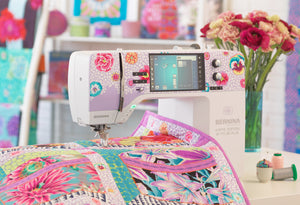

We Love Our Quilting Community
At High Country Quilts we care deeply about community. With our experiences in retail, we know that a store is not only a place to shop but also a place for the community to gather and share. During this busy...


Choosing a first quilt can feel harder than sewing one. Patterns differ in cutting demands, precision, fabric requirements, tutorial support, and the amount of time you can realistically give them. The best beginner quilt patterns aren't always the ones with the fewest shapes. They're the ones that teach a useful skill, show visible progress, and give you a clear path to a finished quilt.
This roundup compares seven patterns by construction method, skill level, likely time commitment, supplies, fabric strategy, common pitfalls, variations, and tutorial support. Each entry includes a representative visual, a concise pattern snapshot, practical setup notes, step highlights, and a clearly separated takeaway. Together, they form a beginner quilting education pillar, from precut strip piecing to half-square triangles, star construction, bias-edge handling, and complete start-to-finish instruction.
High Country Quilts in Colorado Springs supports that learning process with quilting fabrics, precuts, sewing machines, accessories, BERNINA training, classes, and community support. The store also offers beginner-oriented quilt patterns and kits, including options designed for makers with no prior quilting experience. Choose the skill you want to learn, then choose the project that lets you practice it without making the finish line feel distant. Confirm body font size, header font size, mobile header adjustments, body line spacing, and header line spacing in your publishing style system rather than treating them as pattern-selection decisions.
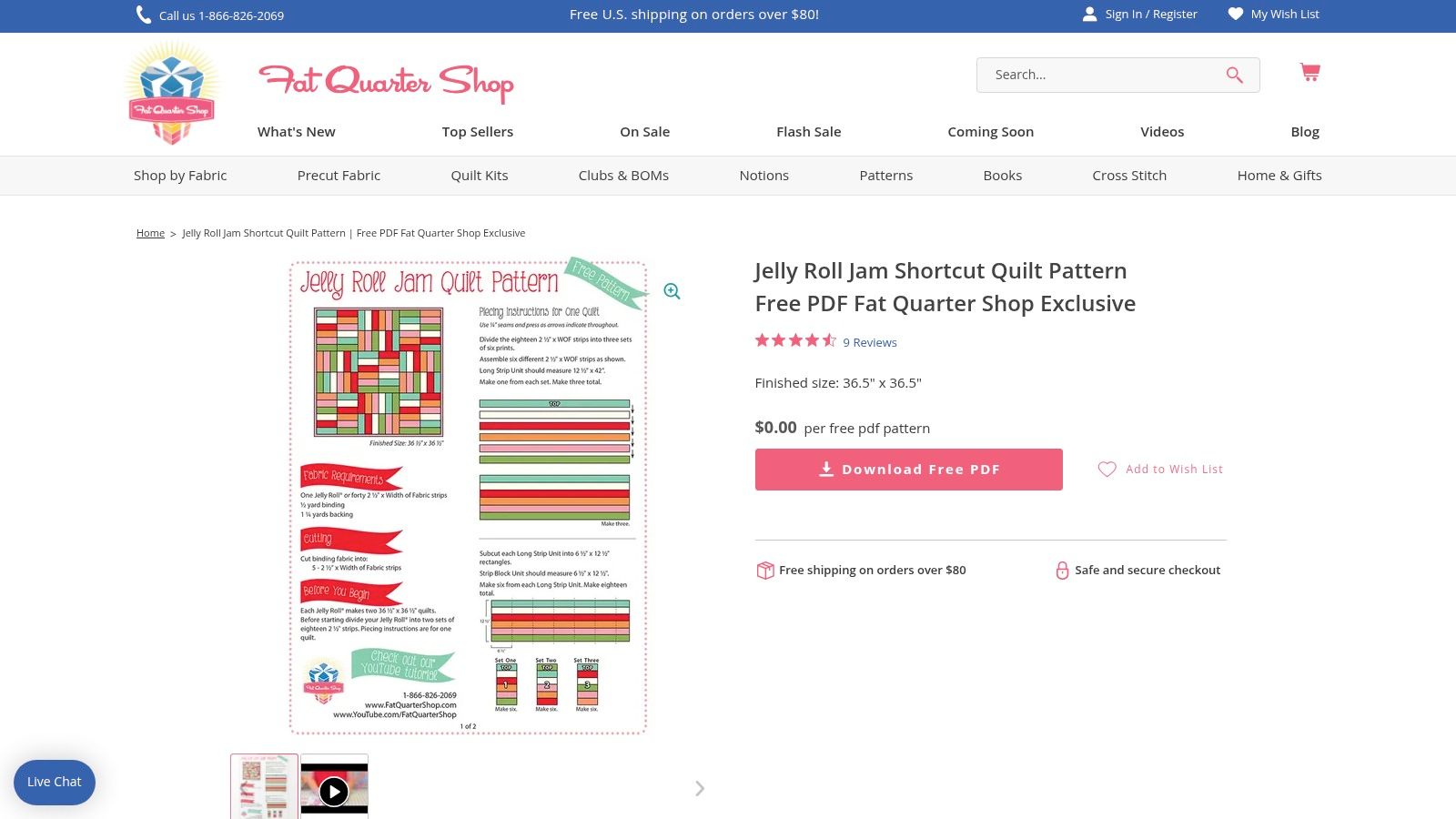
You have your fabric ready, but the thought of cutting a large stack of individual squares feels like too much for a first quilt. Fat Quarter Shop's Jelly Roll Jam pattern offers a shorter route into piecing. It uses one jelly roll, a bundle of 2.5-inch precut strips, and its free PDF provides multiple size options. Since the strips are already cut, you can concentrate on sewing accurately, pressing carefully, and arranging the finished units.
The skill focus is precut strip piecing. You'll sew strips into sets, press those sets, and use them to assemble the quilt top. The process works like building with long fabric panels: consistent seams create dependable units, while careful pressing keeps those units flat and usable. The companion step-by-step video tutorial provides visual guidance when written instructions leave you unsure about the next seam.
Check your rotary blade before starting. Replace it only if the current blade is struggling, and keep a ruler nearby for checking strip ends and trimming. A quarter-inch foot on a BERNINA sewing machine can support consistent seams, but test the setting on scrap fabric first. Fabric thickness, thread, and machine adjustments can all affect the finished measurement.
Pressing deserves attention. Lift and place the iron rather than dragging it across a strip set, then check that the seams have not pushed the unit out of square. If a set begins to bow, correct the pressing or seam technique immediately. Later rows rarely conceal a distorted foundation.
Practical rule: Fast piecing still needs checkpoints. Square strip sets make assembly easier than rushing through the first seam.
The repeated structure keeps the project approachable, although quilters seeking intricate block variety may find the design restrained. That simplicity suits a first finish because it lets you practice the method without managing many different block types. For help selecting a jelly roll, thread, ruler, or machine setup, explore High Country Quilts for fabrics, precuts, tools, BERNINA support, and local guidance. If you document your first quilts online, this influencer outreach service may also be useful for that separate publishing task.
Takeaway: Choose Jelly Roll Jam for a clear, approachable introduction to strip piecing with precut fabric.
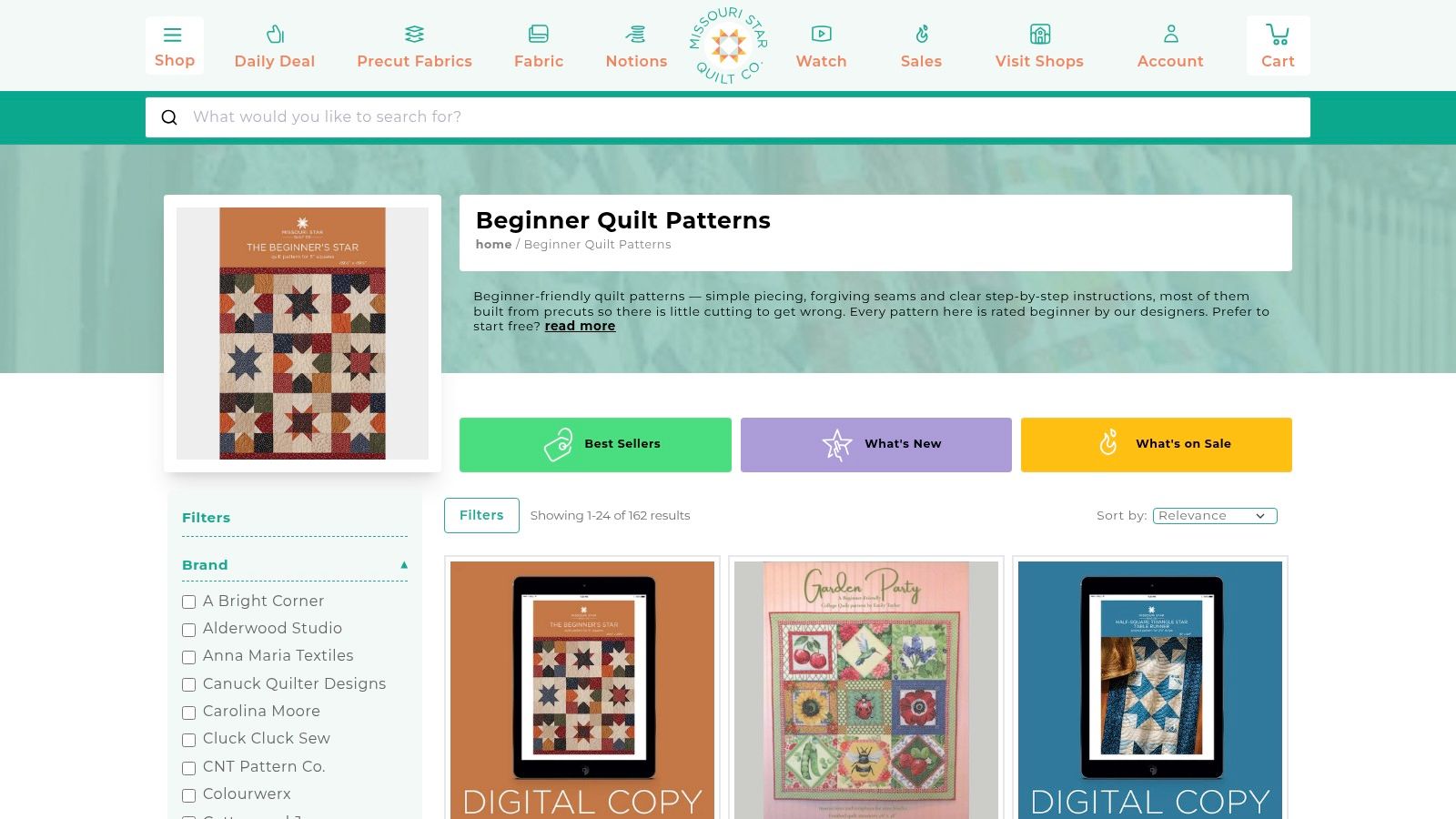
A star quilt looks advanced because the design has a strong focal point, but Missouri Star Quilt Co.’s beginner pattern collection uses familiar squares and triangles to make the construction approachable. Beginner's Star is a useful next step after a strip-based quilt because it introduces block organization and accurate quarter-inch seams without requiring a complicated foundation-piecing method.
The skill focus is basic star construction. You'll work with repeatable units, align seams, and learn how small inaccuracies can affect the points of a block. The pattern is supported by a video tutorial ecosystem, so you can watch the construction before attempting it and pause when you need to compare your unit to the example.
Start with a test unit. Sew two fabric pieces together, press the seam as directed, and measure the result before cutting into the rest of your fabric. If the unit is too small or too large, adjust the machine seam position before continuing. A quarter-inch foot helps, but it doesn't replace testing because fabric thickness, thread, and machine settings can affect the finished measurement.
Use pins when matching triangle edges, particularly if the fabric shifts as you approach the needle. Keep the needle down when stopping to reposition, and avoid stretching the bias edge of a triangle. The points don't need to be perfect on the first attempt, but consistent units will make the final block easier to assemble.
A star pattern teaches more than appearance. It teaches you to measure, compare, and correct before small errors multiply.
The trade-off is that this pattern asks for more precision than Jelly Roll Jam. Its paid format may not suit someone seeking only free resources, but the combination of written guidance and video can reduce guesswork. Before buying fabric, decide whether you want a high-contrast star or a softer design in which the points blend into the background.
For machine setup, visit High Country Quilts to ask about BERNINA guidance, quarter-inch piecing, classes, and suitable quilting tools. If you're exploring creator resources alongside your sewing education, this influencer gifting application form is another distinct option.
Takeaway: Choose Beginner's Star when you want to practice quarter-inch accuracy and repeatable star blocks with strong video support.
Cluck Cluck Sew's No Point Stars pattern teaches star construction with a forgiving design choice. The star points are trimmed, so the finished block still reads clearly without requiring every tip to meet perfectly. Those trimmed edges work like guardrails for a beginner, allowing you to practise accurate cutting, consistent seams, and block assembly without making point matching the first major hurdle.
The free PDF includes cutting and assembly instructions and offers baby through throw sizes. A smaller version keeps the number of units and the amount of quilting manageable while you learn the sequence. Each block still contains several components, so the pattern builds real piecing skills rather than removing all the work. Its main trade-off is practical: you gain tolerance at the star points, but you still need to track orientation and assemble the units in the correct order.
A missed point can make a new quilter question the entire block. No Point Stars separates the skills, so you can judge your cutting, pressing, and seam consistency without treating one imperfect tip as a failed project. The pattern is a useful bridge between simpler strip piecing and sharper star designs.
Arrange finished units on a design wall or clean floor before joining full rows. Check that each piece faces the intended direction, then label rows or photograph the layout before stacking them. If you want a finished size outside the listed options, simple quilt math will help you adjust the number of blocks or plan borders.
For help choosing fabric, rulers, or BERNINA machine settings, High Country Quilts can provide practical sewing guidance. Creator-focused support is also available through this influencer gifting application form.
Takeaway: Choose No Point Stars to practise star construction, unit assembly, and controlled precision without the pressure of matching sharp points.
Some beginners struggle less with sewing than with choosing fabrics. Kitchen Table Quilting's Plaid-ish collection addresses that challenge through simple rectangles arranged by value. The free Plaid-ish tutorial creates a plaid effect without asking you to construct complex blocks, while the paid Mini Plaid-ish pattern adds multiple size options.
The skill focus is value placement, which means learning how light, medium, and dark fabrics interact. A fabric's value often matters more than its exact color. Two blue prints can read very differently if one is pale and the other is deep, while fabrics from different color families can work together when their values are clearly separated.
Spread your scraps, strips, or fat quarters in good light. Group them into light, medium, and dark piles, then take a phone photo in grayscale if you're unsure whether two fabrics have enough contrast. The goal isn't to create a rigid formula. It's to make the plaid structure visible through intentional variation.
Plaid-ish is particularly useful for makers with a mixed stash because the project can accept scraps, strips, or fat-quarter-friendly cuts. Busy prints may work, but they need enough value contrast to keep the layout from becoming muddy. A coordinated fabric collection can simplify the first attempt, while a scrappy version gives you more practice making design decisions.
Value is the quiet organizer of this quilt. Color attracts attention, but value determines whether the pattern can be read.
The original free version provides one layout, so makers who want additional sizes may prefer the paid Mini Plaid-ish option. Fabric preparation also takes longer than the cutting alone suggests because sorting and arranging are part of the design work. That extra time is worthwhile if fabric selection is the skill you most want to develop.
For help comparing solids, prints, seasonal fabrics, and precut options, shop High Country Quilts for materials and local guidance. The store's classes and community events can also give you a place to discuss value before you sew the full top.
Takeaway: Choose Plaid-ish when you want to learn light, medium, and dark placement while using scraps or a flexible fabric collection.
Quilty Love's Scrappy Hearts pattern turns a small set of fundamental units into a design that looks more complicated than it is. The quilt uses squares and half-square triangles, or HSTs, to create modern heart blocks. It works with coordinated fabrics or a scrappy selection, and the downloadable paid PDF includes multiple size options and clear diagrams.
The skill focus is half-square triangles. To make one, you mark or use a suitable method to sew two fabric pieces across a diagonal, then cut, press, and trim the resulting units. The trimming step matters because HSTs can vary slightly even when the stitching is consistent. A square-up ruler makes it easier to bring the units to the same finished measurement.
Handle triangle edges gently. They contain bias edges, which can stretch if you pull the fabric while pressing or moving it to the machine. Press with the iron lifting and lowering rather than sweeping aggressively across the unit, then trim only after the seam has cooled and the fabric lies flat.
Make one test HST before cutting the full batch. Check the finished size, the direction of the diagonal, and the placement of the heart colors. Once the method feels predictable, chain-piece the remaining units and keep them organized in labeled groups.
The extra trimming adds a step compared with rectangle-based patterns, but it teaches a technique that appears in many traditional and modern quilts. The result feels special without requiring advanced construction. If you want to compare rulers, rotary cutters, or BERNINA machine settings for HST piecing, explore High Country Quilts. Their team can also help you choose between a scrappy pull and a coordinated bundle. For a separate creator-platform resource, see these UGC creator platforms.
Takeaway: Choose Scrappy Hearts when you want to learn half-square triangles and trimming through a recognizable, giftable design.
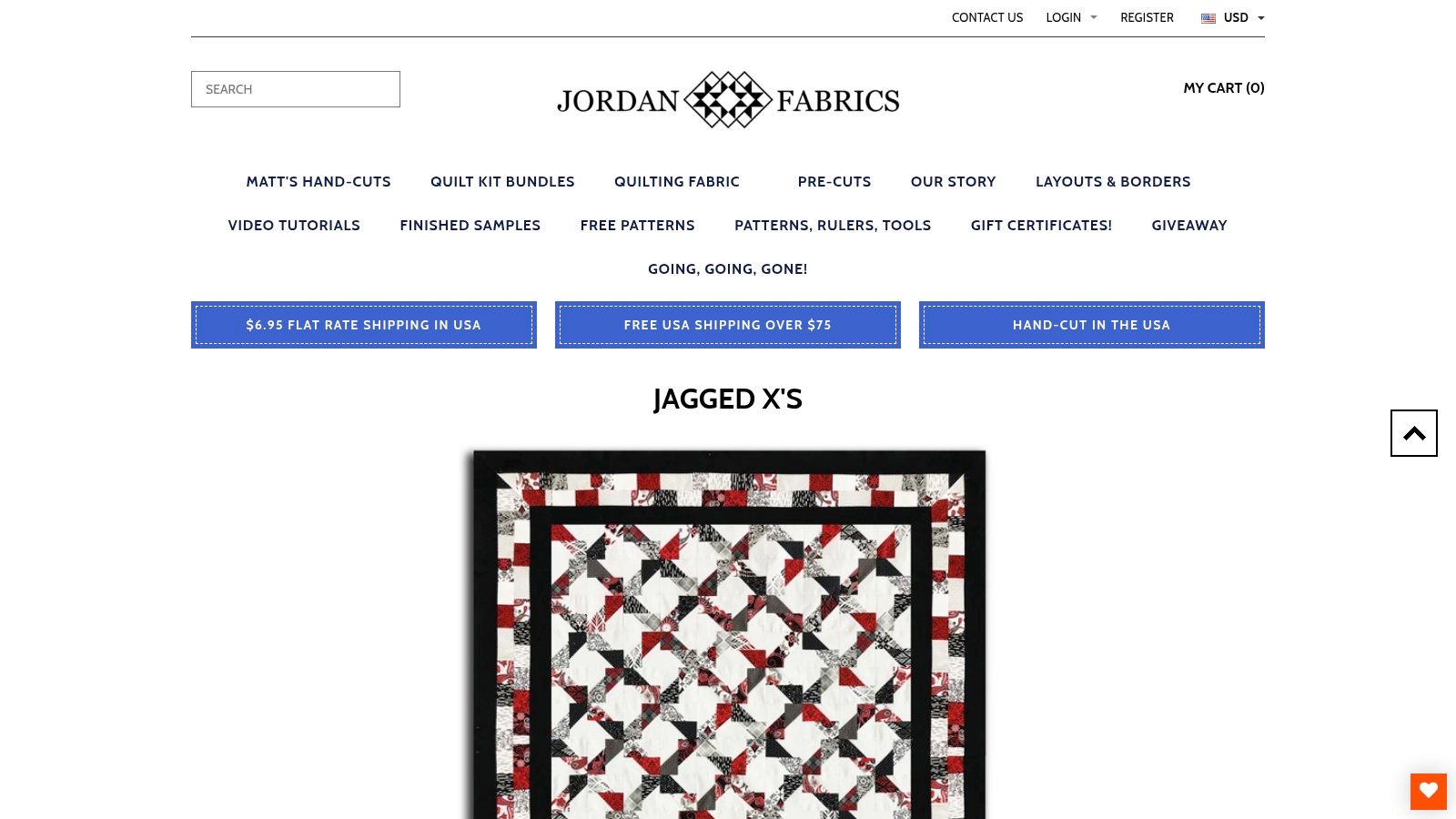
Jordan Fabrics' Jagged X's pattern gives beginners a bold, modern design while keeping the cutting and assembly approachable. The free project includes a downloadable pattern and an in-depth YouTube tutorial. It uses layer cakes or fat quarters, so you can work from precuts or select a controlled fabric group without building every unit from small pieces.
The skill focus is bias-edge handling. Some units have edges cut on the bias, and those edges can stretch or distort if you pull them, overhandle them, or press with too much movement. This is a practical lesson because bias appears in many quilt patterns, even when the pattern looks simple.
Starch can help some quilters manage bias edges, though it isn't a substitute for careful handling. Test your preferred pressing and starch routine on scraps first, especially if the fabric will be washed later. Move cut pieces by supporting the whole unit, and avoid lifting them by one corner.
A BERNINA machine with a consistent quarter-inch setup can make the assembly more predictable. Test the seam with the same fabric layers you'll use in the quilt, then measure the unit before sewing the complete set. If the video moves faster than you prefer, pause after each construction stage and lay the units out in the same orientation shown on screen.
Bias edges aren't fragile forever. They simply need support until the seams stabilize them.
Jagged X's is a good match for makers who want a strong graphic result without committing to intricate stars or numerous tiny pieces. Its main limitation is that the download link is provided on the project page, so you'll need to go to the Jagged X's section rather than expecting a separate pattern page. If you'd like help selecting layer cakes, fat quarters, starch, or a presser foot, connect with High Country Quilts. You can also review these influencer gifting platforms as an unrelated creator resource.
Takeaway: Choose Jagged X's when you want a modern precut quilt that teaches you to control and stabilize bias edges.
The Ultimate Beginner Quilt series from Fat Quarter Shop is the most complete learning pathway in this group. Instead of teaching one repeated block, the free pattern series guides you through simple sampler blocks and the full process of cutting, piecing, pressing, quilting, and binding. It suits an absolute beginner who wants to understand how a quilt becomes a finished object rather than stopping at the quilt top.
The skill focus is start-to-finish quilting. You'll practice several construction approaches, compare how different blocks behave, and learn that finishing is part of the project from the beginning. Free block patterns and videos cover the stages that often create uncertainty, including how to prepare the quilt for quilting and how to attach binding.
A sampler takes longer than a single-block repeat quilt because each block introduces a different task. That longer path can be useful if you have regular sewing time and want a structured sequence, but it may feel too broad if your immediate goal is a quick baby quilt or wall quilt.
Keep a project notebook with the block name, fabric placement, seam test, pressing direction, and any measurement you want to repeat. This turns mistakes into information. You can also make one block at a time and pause between sessions, which makes the project easier to fit around work, family, or other commitments.
The sampler's traditional visual style won't appeal to everyone, but its educational value is broad. It teaches the sequence that makes later patterns easier to read, from fabric preparation through final binding. For guided classes, machine support, tools, and community learning in Colorado Springs, visit High Country Quilts. If you want another course-oriented creator resource, explore this creator course.
Takeaway: Choose The Ultimate Beginner Quilt when you want a complete quilting curriculum, not only a straightforward quilt top.
| Pattern | 🔄 Implementation complexity | ⚡ Resource requirements | 📊 Expected outcomes | 💡 Ideal use cases | ⭐ Key advantages |
|---|---|---|---|---|---|
| Fat Quarter Shop, Jelly Roll Jam | Low, strip‑pieced; forgiving assembly | One jelly roll (2.5") or equivalent precuts; basic tools; minimal cutting; video support | Quick, consistent stripe‑style quilt; multiple sizes | First quilt, fast gifts, jelly‑roll stash projects | Fast finish; excellent instructions; minimal cutting |
| Missouri Star Quilt Co., Beginner's Star | Low–Moderate, squares & triangles; requires accurate 1/4" seams | Basic yardage or scraps; modest paid pattern; strong video tutorials | Classic star blocks that develop piecing accuracy | Skill‑building for seam accuracy; block practice | Strong tutorial ecosystem; teaches fundamental piecing |
| Cluck Cluck Sew, No Point Stars | Low, point‑trimming method avoids exact point matching | Free PDF; standard yardage; time for multiple units and chain‑piecing | Star appearance with reduced fuss over sharp points; scalable sizes | First star quilt for makers who want less fussy points | Eliminates hardest star tasks; clear concise instructions |
| Kitchen Table Quilting, Plaid‑ish | Low, simple rectangles and value placement | Scrap/fat‑quarters or yardage; free tutorial (paid for extra sizes); time for value sorting | Plaid effect that teaches color/value; visually appealing results | Learning color/value, scrap‑busting, community projects | Teaches value placement; large maker gallery for reference |
| Quilty Love, Scrappy Hearts | Moderate, squares + HSTs; trimming/squaring required | Paid PDF; assorted scraps or coordinated fabrics; square‑up ruler helpful | Bold heart quilt with modern look using basic units | Practicing HSTs; scrappy or coordinated modern projects | Well‑written diagrams; impressive result from fundamentals |
| Jordan Fabrics, Jagged X's | Low–Moderate, straightforward cutting; some bias edges need care | Free pattern + in‑depth YouTube tutorial; layer cakes/fat quarters preferred; starch recommended | Striking modern quilt achievable with simple piecing | Precut‑friendly projects; learners who prefer video guidance | PDF + video reduce guesswork; bold design with simple techniques |
| Fat Quarter Shop, The Ultimate Beginner Quilt (Free Pattern Series) | Low–Moderate overall, structured curriculum; longer time commitment | Multiple free block patterns and videos; basic precuts/yardage; time for sampler | Comprehensive skill development across cutting, piecing, pressing, quilting, binding | Absolute beginners seeking a step‑by‑step curriculum | Structured series covering end‑to‑end skills; strong community support |
The right first quilt depends on the skill you want to practice and the kind of support that keeps you moving. Choose Jelly Roll Jam for the quickest precut strip project. Choose Beginner's Star or No Point Stars if star construction motivates you, with Beginner's Star offering more direct practice with accurate points and No Point Stars reducing the pressure around point matching.
Choose Plaid-ish when fabric value and scrap organization are the main lessons. Choose Scrappy Hearts when you want to learn half-square triangles and trimming. Choose Jagged X's for a bold precut design that introduces bias-edge handling. Choose The Ultimate Beginner Quilt when you want a full learning pathway that includes piecing, quilting, and binding rather than focusing only on the quilt top.
Quilting remains a substantial and established hobby in the United States and Canada. A 2024 quilting-industry survey included more than 37,000 respondents and estimated 9–11 million active quilting participants in those countries, while beginner quilters represented 11% of the total quilting population in that survey. The same research found that the average respondent began a first quilt at age 39 and quilted regularly at age 48, a useful reminder that many new quilters arrive with sewing experience but still need clear quilting-specific instruction.
The audience is also changing. The 2025 Quilter's Survey recorded more than 30,000 responses and reported that 18% of respondents identified as new to quilting, up from 11% in the prior year. It also reported that the average quilter starts 11 projects and finishes 9 annually, which supports choosing a pattern with clear milestones and a realistic completion plan rather than selecting only by visual complexity.
Fabric choice deserves its own decision. New quilting cotton offers predictable handling, but reclaimed textiles can be useful when prepared carefully. Textile waste remains substantial, with approximately 80% of discarded clothing going to landfill or incineration in 2024, while 12% was reused and less than 1% was recycled into new textile fibers, according to BCG's textile-waste analysis. For a first quilt, stable woven cotton is the safer starting point. Stretchy garments need stabilization, fragile fabrics belong in lower-stress decorative projects, and mixed textiles should be prewashed and tested in a sample block before you commit to a full quilt.
Finishing can be the part that turns an enjoyable quilt top into an abandoned project. A 2024 survey of 104 quilters found that about 40% reported difficulty completing projects, roughly 40% struggled with fabric selection, and 84% learned techniques online, according to Rope and Anchor Trading Co.’s community survey. Those findings support a practical approach: divide the project into cutting, piecing, pressing, quilting, and binding sessions, and consider making a small version first.
BERNINA-friendly habits help at every stage. Test the quarter-inch seam on scrap fabric, use consistent pressing, support bias edges, and ask for machine guidance before a small setting problem affects the whole quilt. High Country Quilts is an authorized BERNINA dealer in Colorado Springs and offers machine support, classes, sewing tools, fabrics, precuts, and community events for makers at different experience levels.
A readable online guide also needs a readable layout. The U.S. Web Design System typography guidance gives concrete defaults, including a minimum body font size of 16px, approximately 18px as a common long-form reading size, a readable line length of 45–90 characters, and body line spacing of at least 1.5 times the font size. It places heading line-height between 1 and 1.35. Confirm the final implementation in your publishing style system, including mobile header adjustments, rather than relying on a pattern page's visual appearance.
Start with the pattern that makes you want to sit down at the machine. Gather only the tools that pattern requires, make one test unit, and define what “finished” means before you begin. A completed simple quilt will teach you more than an ambitious project left in a basket.
High Country Quilts offers quilting fabrics, precuts, sewing machines, accessories, BERNINA support, classes, and community events for beginners starting their first quilt. Visit High Country Quilts to choose a suitable beginner pattern, gather supplies, and find practical help for the skills you want to learn.
At High Country Quilts we care deeply about community. With our experiences in retail, we know that a store is not only a place to shop but also a place for the community to gather and share. During this busy...

Hi! We’re Adam and Renee Wheaton, the new owners of High Country Quilts! For more than 40 years, we’ve owned and operated vacuum and sewing businesses. Following in Renee’s father’s footsteps after he retired from All Discount Vacuum and Sewing in Colorado...


Leave a comment