
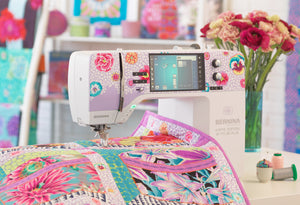

We Love Our Quilting Community
At High Country Quilts we care deeply about community. With our experiences in retail, we know that a store is not only a place to shop but also a place for the community to gather and share. During this busy...


So, you're ready to make your own custom 5-panel hat. That's fantastic. A good template is the absolute best place to start, whether you're making a classic camp cap, a unique piece for a cosplay, or a thoughtful handmade gift. This guide will walk you through everything, turning that flat pattern into a hat you'll be proud to wear.
Before you get anywhere near your fabric, we need to talk about the pattern itself. Getting your template printed and sized correctly is the foundation for the entire project. I’ve seen countless makers get frustrated later on simply because they rushed this first step. Let's make sure that doesn't happen to you.
The 5-panel has exploded in popularity, and it's easy to see why. For sewists and cosplayers, its construction is far less fiddly than a traditional 6-panel baseball cap. The clean front panel is a blank slate just begging for customization. It’s no surprise the global hat market was valued at a whopping USD 11.04 billion back in 2025 and continues to grow into 2026. This trend is driven by people wanting unique accessories, with cotton—a perfect choice for a sturdy, breathable hat—holding a dominant 41.20% market share of materials.
Alright, first things first: you need your head circumference. Grab a soft, flexible measuring tape.
Wrap it around the widest part of your head, which is typically about an inch above your eyebrows and ears.
With your measurement in hand, you can confidently choose the right size from the downloadable template.
Before we dive in, it helps to know what you're working with. Below is a quick guide to help you pick your size and figure out how much fabric you'll need.
Use this table to find your correct size based on head circumference and to estimate the required fabric for your project.
| Hat Size | Fits Head Circumference (inches/cm) | Recommended Fabric Yardage (44" wide) | Ideal For |
|---|---|---|---|
| Small | 21.5" / 54.6 cm | 1/2 yard | Teens & Adults |
| Medium | 22.5" / 57.2 cm | 1/2 yard | Adults |
| Large | 23.5" / 59.7 cm | 1/2 yard | Adults |
| X-Large | 24.5" / 62.2 cm | 1/2 yard | Adults |
A half-yard of fabric is generally plenty for any size, leaving you extra for mistakes or for making a matching accessory.
The name says it all—the crown is built from five main pieces, plus the brim. Getting familiar with how they all work together is key. If you need some inspiration, check out the huge variety of various 5 panel hat styles out there to see how these simple shapes create such different looks.
Key Takeaway: The front panel is the star of the show. It's a single, flat piece without a center seam, making it the perfect canvas for patches, embroidery, or showcasing a bold fabric print. This is what distinguishes the 5-panel "camp cap" style.
The other pieces you'll be cutting are:
Your downloadable pattern is designed to print on standard US Letter or A4 paper. Here's the most important tip I can give you: when you print, make sure your printer setting is at 100% scale or "actual size." If you use "fit to page" or any other setting, it will shrink the pattern, and your hat simply won't fit.
Look for a test square on one of the printed pages, which is usually 1" x 1" or 2cm x 2cm. Measure it with a ruler. If it matches, you’re good to go. If not, go back and check your print settings. Once you've confirmed the scale, carefully cut along the page borders and tape the pieces together, matching up the alignment marks. Now you've got a complete, accurate 5-panel hat template ready for your fabric.

Alright, this is where the real fun begins. Your 5 panel hat template is the roadmap, but the fabrics and supplies you choose give your hat its actual personality and feel. Getting these choices right is what separates a homemade-looking hat from one that looks sharp and professional.
For a classic 5-panel, the best place to start is with mid-weight woven fabrics. You're looking for something with enough structure to hold the iconic cap shape but not so heavy that it's a nightmare to sew through multiple layers. It's all about finding that perfect balance between sturdiness and comfort.
You can’t go wrong with these workhorse fabrics for a durable, everyday hat. I’ve used them all countless times, and each one brings something a little different to the final product.
A Pro Tip From My Sewing Room: Don't feel locked into using just one fabric! Some of my favorite hats have come from mixing materials. I once made a killer hat with canvas for the sides, a corduroy front panel, and a wild floral cotton on the underside of the brim. It’s a perfect way to use up scraps and make something totally unique.
When you’re trying to nail a specific character's look for cosplay, or you just want a hat that screams "look at me," standard cottons might not cut it. This is when you head to the specialty fabric section. They can be a bit trickier to work with, but the payoff is huge.
Building a futuristic soldier cosplay? Water-resistant nylon or a ripstop fabric will give you that authentic, tactical feel. Or maybe you're creating a hat for a rugged adventurer character? Faux leather or suede can provide a premium, tough look. Just do yourself a favor and use a fresh, sharp needle designed for these heavier materials to avoid a headache of skipped stitches.
Okay, you've picked your main fabric. Now for the crucial supporting elements that really pull the whole thing together. Having these ready before you start sewing makes the entire process so much smoother—think of it as setting up your mise en place before you start cooking.
Interfacing for the Front Panel The secret to a crisp front panel that doesn't flop over is a good piece of interfacing. A light to mid-weight fusible interfacing is perfect. Simply iron it onto the wrong side of your front panel fabric piece before you start sewing. It adds just enough body for the panel to stand up straight, creating an ideal canvas for a patch or embroidery.
Thread and Needles For most projects, a standard all-purpose polyester thread is your best bet. It’s strong and has a tiny bit of give, which is great for seams that will be under a little bit of stress. If you're working with heavy-duty fabrics like canvas or denim, definitely swap out your universal needle for a "jeans" or "denim" needle (a 90/14 or 100/16 size) to power through those thick layers without breaking.
Brim Stiffener and Closures That brim needs a solid core to keep its shape. You can easily find pre-made plastic brim inserts online. For a DIY or budget-friendly option, I've had great success carefully cutting a stiffener from the lid of a sturdy plastic food container.
As for the closure, you’ve got options depending on the style you want:
Alright, you've got your materials sorted. Now we get to the fun part: taking that basic 5 panel hat template and really making it your own. The standard pattern is a fantastic starting point, but the real creative magic happens when you start tweaking it to match the vision in your head.
This is where you graduate from simply following instructions to being a true designer. Don't let the idea of altering a pattern intimidate you. You'd be surprised how even small, simple changes can have a huge impact on the final look and feel of your hat.
One of the easiest yet most effective customizations is playing with the crown height. The default template gives you a classic, mid-depth fit, but what if that’s not your style?
Just remember to add or subtract the exact same amount from all four crown pieces. This keeps everything symmetrical and ensures your hat doesn't end up lopsided. The only piece you'll leave alone for this adjustment is the brim.
My Favorite Pro Tip: Before you ever touch your good fabric, test these changes on the paper pattern first. You can even tape the modified paper pieces together to see a rough 3D preview of the new shape. This one little step has saved me from so many "it looked better in my head" moments.
The brim's shape can completely change a hat's personality. Our template comes with a standard flat brim, but you've got plenty of other options.
Looking for that classic curved brim you see on a baseball cap? That's an easy one. After you’ve built the hat but before attaching the brim, you can gently bend the plastic insert. A trick I've used for years is wrapping the brim around a large coffee can and securing it with rubber bands overnight. It sets the curve perfectly.
For a more custom look, you can redraw the brim pattern piece entirely. Want a shorter, skate-style brim? Just trace the original and trim the front edge. Need more sun protection? Extend it. The only rule is to make sure the back edge—the part that sews onto the hat—remains the original length so it fits correctly.
This is a go-to technique for cosplayers and anyone who loves a bit of color-blocking. By splitting that single front panel into multiple sections, you open up a whole world of design possibilities. It’s the perfect way to recreate specific character headwear or just add a cool, dynamic element to your project.
Here's the process:
This simple trick allows you to mix and match fabrics and colors, giving your hat a completely custom look. The versatility of a 5-panel hat for these kinds of projects is exactly why it's so popular. If you're thinking about adding custom graphics, you can even explore how to put photos on clothing to print your own unique fabric.
This potential for customization is what makes the 5-panel a staple for both cosplay and modern quilting projects. The global headwear market even hit USD 37.01 billion in 2026, with caps making up a massive 37.87% of that revenue. The 5-panel’s seamless front is ideal for precise layering and appliqué, while the growing use of polyester (a 6.65% CAGR in North America and Europe) makes it perfect for durable cosplay gear. You can see the full headwear market analysis on grandviewresearch.com to dig deeper into the trend.
Alright, your fabric is cut, your pattern is ready, and now the real fun begins. This is that magical moment where a few flat pieces of fabric start to become a real, three-dimensional hat you can actually wear. Don't be intimidated by all the pieces—we're going to tackle this one seam at a time.
Think of me as being right there in your sewing room with you. I'll walk you through each step and share the little tricks I've picked up over years of making these hats—the kind of tips that save you from the dreaded seam ripper. Let's get started with the most visible part of the hat: the front panel.
The front panel is the star of your 5-panel hat template. It’s what everyone sees first, so we want to give it some structure. This is where interfacing comes in.
First, lay your front panel piece on your ironing board with the wrong side facing up. Place your fusible interfacing piece on top, making sure the bumpy, glue-side is down against the fabric.
Cover it all with a press cloth. Now, here's the key: press, don't iron. Use a hot iron and hold it down firmly for about 10-15 seconds in one spot. Then, lift the iron completely and move to the next section, overlapping a little. Sliding the iron around can stretch the fabric or cause the interfacing to shift and bubble.
Once you’re done, just let it be. Let the piece cool completely right there on the board. If you move it while it's still warm, you risk weakening the bond you just created. This simple step is what gives your front panel that crisp, professional look and prevents it from flopping over.
Now it's time to build the main body of the hat. This part involves sewing curves, which can feel a little tricky at first. The secret is to go slow and gently guide the fabric—never pull or stretch it to fit.
Let's start by joining the two small top panels to your side panels. Take one top panel and place it on a side panel with the right sides of the fabric facing each other. Line up the curved edges and secure them with pins or clips. The top panel is smaller, so you’ll need to carefully ease the curve of the larger side panel to match it. Sew that seam, remembering to backstitch at the beginning and end. Do the same thing for the other side and top panel.
You should now have two separate pieces: a left side/top assembly and a right side/top assembly. Press the seam allowances open on both. This is a small but important step that reduces bulk and helps the final crown sit much more smoothly.
My Two Cents: When you're sewing curves, your best friends are pins and clips—and lots of them. I usually place a clip every half-inch or so. It might seem like overkill, but it stops the fabric from shifting and makes guiding that curve through the machine a thousand times easier.
With your two side assemblies prepped, it's time to attach them to the front panel you interfaced earlier. Pin one side/top piece to the front panel, right sides together, matching one of the long vertical seams. Sew it, then press that seam open. Now, repeat the process on the other side. Suddenly, you'll have something that looks like the front three-quarters of a hat crown!
Next up is the brim. Grab your two brim fabric pieces and put them right sides together. Sew along the long, outer curved edge, but leave the shorter, straight inner edge completely open.
Before you turn it, snip little notches into the seam allowance along the curve you just sewed, about every half-inch. This is non-negotiable! It releases the tension in the fabric so the brim will lay perfectly flat and smooth once it's turned. Now, turn the brim right-side out and give it a good press.
Time for the stiffener. Slide the plastic brim insert into the fabric pocket you just made. You might have to wiggle it a bit to get it perfectly snug against the seam. Pin along the open raw edge to trap the stiffener inside. For that classic, store-bought look, topstitch a few parallel lines along the brim's outer curve, sewing through all the layers.
The infographic below shows a few ways you can get creative with a basic 5-panel hat template, from color-blocking to changing the profile.

As you can see, simple tweaks like altering the pattern's height or splitting panels open up a world of custom design possibilities.
Now for a milestone moment: attaching the brim to the crown. Find the center of your brim and the center of your front panel (which is the seam). Match those two points up, placing the top of the brim against the right side of the crown. Pin the brim to the crown, working your way out from the center. I highly recommend basting it in place first using a long stitch length. This temporary stitch lets you double-check the placement before you commit with a permanent seam.
You're on the home stretch! All that's left is the back opening, which gives your hat its adjustability. You should have two small rectangular pieces left for the strap tabs.
Pin the raw edge of one strap tab to the right side of one of the back crown openings. Pin the other tab to the other side, making sure your closure is facing the right way before you sew them down.
The final piece of the puzzle is the sweatband. This strip of fabric will hide all the raw edges on the inside of the hat, giving you a clean finish and a comfortable fit. Pin the sweatband to the inside bottom edge of the hat, right sides together, so it sandwiches the brim and the back tabs you just attached. Stitch all the way around the hat's opening.
Fold the sweatband up into the hat and press it into place. To secure it, you can either "stitch in the ditch" from the outside (sewing right in the existing seam line) or simply topstitch it down from the inside. And with that final seam, your custom 5-panel hat is officially finished
So, you’ve put in the work and followed your 5 panel hat template, but the final result isn't quite what you envisioned. Maybe a seam is wavy, the brim feels a little flimsy, or the fit is just… off. Don’t get discouraged! Every little hiccup is just part of the process. Think of it as your first hat teaching you how to make your second one even better. Let's work through some common snags and then look at the pro details that take a hat from homemade to high-end.
It’s no surprise that making your own headwear is so rewarding. You’re part of a massive trend—the global headwear market hit USD 28.21 billion in 2025 and is expected to reach USD 29.73 billion in 2026. With caps and hats making up a huge 59.10% of that market, it's clear people are passionate about unique headwear. When you master these finishing skills, you’re creating something that stands out in a booming industry. For creators selling their work, this is especially true, with online sales projected to account for 20% of the market—a huge opportunity for makers like those in the Famcut community. You can dive deeper into the headwear market statistics on mordorintelligence.com to see just how big this space is.
Ever get to the end of a project and notice a few little things that just drive you crazy? Let's get them sorted. These are the most frequent frustrations I hear about, and luckily, the fixes are pretty straightforward.
Battling the Floppy Brim You’ve finished your hat, but the brim has all the structural integrity of a wet noodle. This is almost always a stiffener issue. A single layer of heavy interfacing or a thin piece of plastic just might not have enough oomph, especially for fabrics with more weight.
For your next project, look for a dedicated plastic brim insert online—they’re designed for this exact purpose. You could also try doubling up your interfacing or fusing a few layers of buckram together. If you want to salvage the hat you just made, you can carefully rip the seam of the sweatband, slide in another layer of stiffener, and stitch it all back up.
Taming Puckered Seams on Curves Are the seams where your crown panels join looking a little bumpy or gathered? This is a classic rookie mistake, and we've all been there. It means the fabric got stretched out of shape while you were sewing.
The key to sewing smooth curves is to let your machine’s feed dogs do the pulling. Your only job is to guide the fabric gently. Don't be afraid to use a ton of pins or clips, either. Placing one every half-inch or so might feel like overkill, but it’s the best way to keep your fabric layers from shifting and stretching.
My Go-To Trick: Your steam iron is a miracle worker for minor puckers. Hold the iron just above the seam (don't touch it!) and hit it with a good blast of steam. While it's still damp and warm, use your fingers to smooth and reshape the seam. Pressing directly down can set the pucker forever, so just let the steam do the work.
Once you've got the basic construction down, it's time to play with the details that really make a hat look polished and unique. These finishing touches don't just look good; they add durability and function, too.
A full lining is the secret to a truly comfortable hat. It hides all the raw seam allowances and gives the inside a completely clean look.
Just use your crown pattern pieces to cut and sew a second, identical hat from a lightweight fabric like cotton lawn. With wrong sides together, slip the lining inside the main hat, baste the bottom edges together, and then attach your sweatband as you normally would. Simple as that!
Metal eyelets give your hat an authentic, store-bought look and, more importantly, let your head breathe. All you need is a cheap and easy-to-find eyelet setting kit.
I always recommend doing a test run on a scrap of fabric first. It helps you get a feel for how hard you need to hit the setter to get a perfect, tight fit without crushing the metal.
This is where you can really make the hat your own. Want to add a logo or a cool graphic? Create a patch by painting or embroidering on a sturdy piece of canvas, finish the edges so they don't fray, and stitch it right onto the front panel.
For a really unique feature, try adding a small "stash pocket" inside. Just sew a little rectangle of fabric into the lining—it's the perfect hidden spot for a key, an emergency bill, or a folded note.
Once you start cutting into your fabric and using a 5 panel hat template, a few questions are bound to come up. That’s just part of the process! I've made dozens of these hats for myself and for cosplay commissions, and I've run into just about every little snag you can imagine.
So, let's walk through some of the most common questions I hear. Getting these little details right is what takes a homemade hat from "good enough" to something you're genuinely proud to wear.
If this is your first time making a hat, do yourself a favor and start with a simple, non-stretchy, mid-weight cotton. I’m talking about fabrics like canvas, twill, or even a heavy-duty quilting cotton.
There’s a reason for this recommendation:
After you've got a successful cotton hat under your belt, you'll feel much more prepared to tackle more challenging materials like corduroy, wool, or nylon.
Ah, the dreaded puckered crown seam. It's the most common frustration, but it’s definitely preventable. Puckering is almost always caused by one layer of fabric stretching out of shape as you sew around a curve.
The solution? Over-pinning. Use way more pins or sewing clips than you think you need. Seriously. I’ll often place a clip every half-inch or so along a curve. This locks the two layers together and stops them from shifting independently. When you get to your sewing machine, let the feed dogs do all the work. Your only job is to guide the fabric—don't push it or pull it.
My Go-To Quick Fix: If you still end up with a few minor puckers, grab your iron. Don't press down on the seam, but hover the hot iron just above it and blast it with steam. While the fabric is hot and damp, use your fingers to gently smooth and stretch the puckers out. This often relaxes the threads enough to fix the issue.
You could, but I really wouldn't. The interfacing is what gives a 5-panel hat its signature look. It's the secret ingredient that makes the front panel stand up straight and smooth.
Without interfacing, that front panel will be soft and floppy, collapsing in on itself. A simple piece of light to mid-weight fusible interfacing gives the panel the structure it needs. It creates that perfect, flat canvas for a cool print, a patch, or an embroidered logo. Trust me, it's a small step that makes a huge difference in the final product.
While your hat will certainly function without it, topstitching the brim is one of those professional details that really elevates your work. It separates a good project from a great one.
Those neat, parallel lines of stitching aren't just for looks. They add structure and rigidity to the brim and, more importantly, they keep the internal brim stiffener from shifting or bunching up over time. It makes the whole hat more durable. If your machine is groaning at the thickness, switch to a "jeans" or "denim" needle—a size 100/16 usually does the trick and can power through those layers like a champ.
At Famcut.com, we’re passionate about helping creators make amazing things. Based in Atlanta, we’re your home for everything from cosplay supplies to quilting tools. Come check out our community and find inspiration for your next project at https://famcut.com.
At High Country Quilts we care deeply about community. With our experiences in retail, we know that a store is not only a place to shop but also a place for the community to gather and share. During this busy...

Hi! We’re Adam and Renee Wheaton, the new owners of High Country Quilts! For more than 40 years, we’ve owned and operated vacuum and sewing businesses. Following in Renee’s father’s footsteps after he retired from All Discount Vacuum and Sewing in Colorado...


Leave a comment