
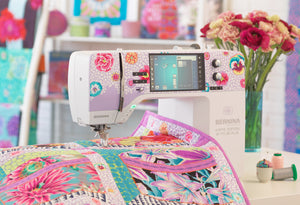

We Love Our Quilting Community
At High Country Quilts we care deeply about community. With our experiences in retail, we know that a store is not only a place to shop but also a place for the community to gather and share. During this busy...


You've searched “sewing supplies near me” because a project is finally calling your name. Maybe you've saved an easy quilt pattern, bought a beginner-friendly machine, or found a garment pattern that looks manageable. Then you arrive at a store, see rows of fabric, needles, rulers, thread, feet, and mysterious notions, and wonder what belongs in your basket.
A local sewing shop can turn that uncertainty into a clear plan. The right first purchase isn't the largest kit or the most advanced machine. It's a small, compatible group of supplies matched to the project you want to sew.
You enter a quilt shop with a saved pattern on your phone and only a rough plan for making a throw quilt. Fabric bolts cover the walls, precut squares fill baskets, and machines run near the back. A helpful staff member starts with questions: What are you making? Do you already own a machine? Which part feels unclear?
Those answers shape the shopping list. You can compare fabrics side by side, check how firmly they are woven, and explain your machine model or show the needle and thread you already own. The advice matches your project and equipment instead of sending you toward a generic product recommendation.

Online shopping is convenient, but a photograph cannot show precisely how fabric folds, how tightly it is woven, or how two colors appear together. In a local store, you can feel quilting cotton beside flannel, compare ordinary thread with a higher-quality option, and hold a ruler to see whether its size and grip suit you.
That hands-on check prevents a common beginner mistake: choosing fabric by print alone. A striking fabric may still work poorly if its weight, weave, or care requirements differ from the rest of the quilt. A shop associate can help you build a coordinated group before you pay for materials that need replacing.
The U.S. fabric, craft, and sewing supply store industry was estimated at $5.2 billion in 2026, with 31,349 businesses in the category. Revenue grew at a 1.3% CAGR from 2021 to 2026, while the same industry overview reports a 0.7% CAGR decline over the past five years, reflecting pressure from online retail, big-box chains, and changing purchasing habits. This sewing supplies industry overview puts the local advantage in context: as products become easier to order remotely, shops retain their value by providing guidance, hands-on comparison, and help suited to the customer.
Practical rule: Search for a mentor who sells supplies, not only a store that sells supplies.
A good shop remains useful when the project becomes difficult. Staff may help correct skipped stitches, select a better needle, or explain why thread appears on the wrong side of the fabric. Classes, sew-alongs, open sewing sessions, and troubleshooting support give beginners a place to ask questions before a small problem ruins a block.
That continuing help matters when you are choosing a machine, too. A local authorized dealer can let you test machines, discuss your sewing habits, and connect you with instruction after purchase. Search terms that describe the specific help you need can make the right shop easier to find. For a useful framework on optimizing local search with long tail phrases, consider phrases such as beginner quilting help or machine lessons instead of searching only for the closest retailer.
Start with the project, not the shopping cart. Quilting and general sewing use overlapping tools, but their first priorities differ. Buying for the correct path keeps your setup practical and leaves specialty equipment for later.
A sensible quilting starter kit includes:
Link your cutting tools to the product pages for a 45mm rotary cutter and a self-healing cutting mat, then ask the shop to confirm that the sizes work together.
General sewing needs a more flexible measuring and hand-finishing setup:
You can browse all-purpose sewing thread and fabric scissors as you build a general sewing kit. A shop associate can adjust the list if your first project is a skirt, cushion cover, tote, or repair.
Beginners often overbuy specialty presser feet, elaborate marking tools, or even a serger before they've learned basic stitches and seam control. Those tools may become valuable later, but they won't solve a project-selection problem or replace practice with a straight stitch.
Bring your pattern to the counter and buy what that pattern calls for first. A local associate can also help you postpone tools that don't yet serve your current work.

You find a beautiful fabric, bring it to the cutting table, and discover that it shifts under the ruler or frays at every seam. For a first quilt, predictable fabric matters more than a dramatic print. Weight and weave determine how comfortably fabric behaves under a needle, while color and pattern shape the finished look. One practical benchmark for quilting cotton is medium-weight woven fabric around 140 to 160 GSM. Broader references place quilting cotton around 150 to 220 GSM. This guide to fabric weight and thread count explains why GSM and weave density belong in the same conversation.
GSM means grams per square meter, describing fabric mass over a given area. Thread count describes yarn density. A moderate weight and tight weave usually make cutting more accurate, seams steadier, and patchwork easier to handle.
| Fabric Type | GSM Range | Weave Density | Best For Beginners |
|---|---|---|---|
| Quilting cotton | 140 to 160 GSM practical benchmark, broader references place it at 150 to 220 GSM | Tight woven structure is preferred | First quilts, patchwork blocks, simple bags |
| Flannel | Varies by fabric | Can be softer and less stable than quilting cotton | Small projects after basic piecing practice |
| Linen blends | Varies by blend | Texture and stability depend on fiber mix | Accent pieces and experienced beginner experiments |
| Precut quilting cotton | Depends on the collection | Usually selected as a coordinated quilting group | First projects when cutting yardage feels intimidating |
Treat these ranges as selection guides rather than promises. Read the bolt label, confirm the fiber content, and ask whether the fabric was designed for quilting. Care instructions deserve attention, especially for a quilt that will be washed regularly.
A crisp quilting cotton usually behaves predictably beside another crisp quilting cotton. Flannel, linen blends, and loosely woven fabrics can shift, stretch, or fray differently. Like building with blocks of different sizes, combining those behaviors can make seam matching harder and contribute to puckering.
Run the fabric through your fingers. Fold and unfold it, then inspect the cut edge. A loose weave or heavily shedding edge deserves a question before it becomes part of your first quilt top. Precut choices, including charm packs, layer cakes, and fat quarters, make selection easier because the pieces are coordinated and sized for a defined project. Ask a local shop associate to help match the fabric type to your pattern before buying yardage.
A sewing machine isn't just another supply. It becomes the tool you learn on, troubleshoot with, and depend on as your skills grow. That makes the seller's support part of the purchase.
An authorized local dealer, including a BERNINA-certified store, can help you compare machines by use rather than by a feature list. You can describe whether you want to piece quilts, sew garments, embroider, or work with heavier home-dec projects. The associate can then demonstrate settings and explain which features you'll use.
Online descriptions can tell you what a machine includes, but they can't tell you how its controls feel in your hands. In a showroom, you can test stitch quality, observe feed dog movement, try different presser feet, and notice whether the machine's presser-foot pressure suits the fabrics you expect to sew.
That hands-on comparison can prevent a frustrating mismatch. A machine that feels simple and comfortable may serve a beginner better than a technically advanced model that creates confusion at every setup.

Authorized dealers can provide machine orientation, maintenance guidance, and access to service pathways connected with the manufacturer. They can also explain warranty requirements and help you identify whether a problem comes from threading, needle choice, settings, or a mechanical issue.
That distinction saves time. A beginner who mistakes a tension problem for a broken machine may stop sewing altogether, while a quick in-person diagnosis can put the project back on the table.
A machine purchase should include a plan for learning, maintenance, and questions.
Online and big-box purchases can still be appropriate for some shoppers, particularly when the buyer already understands the model and can handle setup independently. For a first machine, though, the relationship with an authorized dealer often carries as much practical value as the machine's specification sheet.
The first few minutes may feel busy. You'll see fabric organized by collection, color, designer, or precut format. Nearby shelves may hold rotary cutters, rulers, pins, marking supplies, thread, needles, and other notions. A machine showroom may display floor models ready for demonstrations.
A welcoming associate will usually begin with questions rather than a sales pitch. You might be asked what you want to make, whether you have a pattern, what machine you own, and which supplies are already at home. Bring honest answers. “I don't know what I need yet” is a perfectly useful starting point.
Many local sewing stores maintain calendars for beginner quilting classes, machine-embroidery workshops, open sew nights, and block-of-the-month clubs. These gatherings give you structured practice and a way to ask about problems while the project is in front of you.
Ask whether the class requires a particular ruler, foot, thread, or machine. Buying the required items together prevents a second trip and helps you avoid supplies that don't fit the lesson.
You can also use a first visit to compare fabric families. Hold possible fabrics beside your pattern, examine the reverse side, and ask how the fabric should be washed and pressed. If you're choosing a machine, request a demonstration rather than trying to interpret every control on your own.
A short video can also help you become familiar with the kinds of supplies and techniques you may discuss in store.
You don't need to arrive as an experienced sewist. Local shops are creative hubs precisely because people come in with unfinished ideas, beginner questions, and projects that need rescuing.
Preparation keeps an exciting trip from becoming an expensive one. Bring a photo of your project, the pattern if you have it, a small fabric swatch for color matching, and a flexible measuring tape for checking bolts or comparing finished dimensions.
Ask focused questions:
Skip the temptation to buy an entire fabric collection when a fat-quarter bundle will cover your learning project. Don't purchase specialty presser feet before you understand the basic stitches, and don't replace a cutting mat with scissors when your project depends on accurate rotary cutting.
Set a firm spending limit and buy for one project. A local store may also offer a loyalty program, beginner discount, or class-related supply guidance, so ask before checkout. The best first trip leaves you with a clear next step, not a crowded drawer of tools you can't yet identify.
If you're in Colorado Springs, High Country Quilts gives you a local place to compare fabrics, sewing notions, and BERNINA machines in person. The shop operates as an authorized BERNINA dealer and offers machine support, training, quilting classes, and community activities alongside its product selection.
Call ahead to confirm current store hours, available machine demonstrations, and the best time for a project consultation. You can browse the online catalog, ask about an introductory quilting class, or walk in with a pattern and questions. You don't need to make a purchase before asking for help, and the staff can assemble a starter kit around quilting, garment sewing, or another first project.
The global sewing supplies market has been estimated at $5.52 billion in 2025 and projected to reach $7.84 billion by 2032, with a projected 5.13% CAGR over that period, according to this sewing supplies market estimate. That steady interest gives beginners plenty of room to find a lasting creative practice, especially when their first supplies fit the project and their support system.
Every experienced quilter began with a first cut, a first seam, and a few questions. The right local shop can help you turn those small beginnings into work you'll want to keep making.
Visit High Country Quilts to explore sewing supplies, quilting fabrics, BERNINA machine demonstrations, and beginner classes. Bring your project idea or call ahead for a personalized consultation, then let the team help you choose only the supplies you need to begin with confidence.
At High Country Quilts we care deeply about community. With our experiences in retail, we know that a store is not only a place to shop but also a place for the community to gather and share. During this busy...

Hi! We’re Adam and Renee Wheaton, the new owners of High Country Quilts! For more than 40 years, we’ve owned and operated vacuum and sewing businesses. Following in Renee’s father’s footsteps after he retired from All Discount Vacuum and Sewing in Colorado...


Leave a comment