

We Love Our Quilting Community
At High Country Quilts we care deeply about community. With our experiences in retail, we know that a store is not only a place to shop but also a place for the community to gather and share. During this busy...


You're halfway through a quilt block, the seams are lining up beautifully, and then your machine changes its tune. Maybe it starts making a rough whirring sound. Maybe the thread bunches underneath the fabric. Maybe the needle comes down and nothing catches at all.
That moment can make even experienced sewists feel stuck.
I've seen beginners assume they've ruined their machine, and I've seen longtime quilters put a project aside for weeks because one odd sound made the whole machine feel mysterious. The good news is that many machine problems become much less intimidating once you understand what the parts are doing and what signs to watch for. That's where sewing machine repair classes can make a real difference.
For hobbyists, the value isn't just learning to “fix broken things.” It's learning how to care for the machine you already love, how to spot a small issue before it turns into a larger one, and how to tell the difference between a simple maintenance problem and something that needs professional service. That matters even more if you sew on a modern computerized machine, because the learning gap between older all-mechanical models and today's technology is very real.
A lot of repair journeys start the same way. You're sewing along, the machine sounds normal, and then something shifts. The hum becomes a whirr. The stitches shorten. The fabric stops feeding smoothly. You rethread, change the needle, and try again, but the problem stays.
Most sewists react in one of two ways. They either keep sewing and hope the machine “works itself out,” or they stop touching it because they're afraid of making things worse. Both reactions are understandable. Neither one builds confidence.
That strange sound doesn't automatically mean your machine is seriously damaged. It often means the machine needs a methodical check. Thread may be caught where you can't see it. Lint may have built up around the hook area. The needle may be slightly bent, even if it looks fine at a glance. Tension may be off because another small problem happened first.
When you take a repair class, you learn to slow down and read symptoms in order. Instead of guessing, you check setup, movement, and stitch formation one step at a time.
Many machine problems feel dramatic before they feel understandable.
That shift matters. Once you know what normal sounds like, what normal stitch formation looks like, and where common trouble spots live, the machine stops feeling like a sealed box.
A good class replaces panic with process. You learn what to inspect first, what to leave alone, and when a problem is outside the scope of home maintenance. For hobbyists, that's often the biggest win. You get back to sewing faster, with less frustration and a lot more calm.
If you've ever stopped a project because your machine made one bad sound and you didn't know what to do next, you're exactly the kind of sewist who benefits from sewing machine repair classes.
A good repair class should make the inside of your machine feel familiar, not mysterious. At High Country Quilts, we see a common gap. Many courses still center on older mechanical machines only, while plenty of today's hobbyists sew on computerized models and want to understand what they can safely maintain at home and what belongs on a technician's bench.
That distinction matters.
If you own a modern machine, including a computerized BERNINA, the class should teach practical care in a way that fits how your machine operates. You do not need a course built only around vintage restoration if your real goal is keeping your own sewing machine running well for classes, gifts, quilt tops, and everyday sewing.
The best curriculum starts with the parts and habits that affect stitching every single day. In other words, students learn the checks that solve a large share of common problems before they ever reach for a screwdriver.
A beginner-friendly class usually covers:
That process is one of the biggest confidence-builders in the room.
Once students understand the daily maintenance side, the curriculum usually shifts into stitch formation. This is the point where names like hook, feed dogs, presser foot pressure, and needle bar stop sounding abstract and start acting like parts of one system.
Hook-and-needle timing is a classic example. The hook must pass the needle at the right moment to catch the thread loop and build a stitch. If that relationship slips, the machine may skip stitches, shred thread, or strike the needle. As noted in this sewing machine repairer training reference, timing is one of the adjustments that requires precise measurement and careful handling.
For many hobbyists, this is the moment repair work finally clicks. The machine starts to feel less like a sealed box and more like a coordinated set of moving parts, similar to watching a quilt block come together once you understand how each piece aligns.
A strong class does more than show a fix. It explains why the fix works.
That is especially helpful for owners of newer machines. Computerized models still rely on mechanical relationships for stitch formation, even when the controls feel digital on the outside.
A two-day introductory intensive might look something like this:
| Day | Morning Session (3 hours) | Afternoon Session (3 hours) |
|---|---|---|
| Day 1 | Machine anatomy, safe opening procedures, needle systems, thread path checks, bobbin setup | Cleaning, lint removal, oiling points, tension diagnosis, common causes of thread nests |
| Day 2 | Stitch formation, hook area inspection, timing concepts, identifying when parts are out of sync | Guided troubleshooting practice, test sewing, preventive care routine, limits of DIY repair |
That kind of schedule works well because it moves from visible, familiar problems into deeper mechanical understanding.
It also reflects how real hobbyists learn. You want enough technical knowledge to care for your machine wisely, enough hands-on practice to stay calm when something sounds wrong, and enough judgment to know when professional service is the smarter choice. Shops that support service businesses often focus on systems and workflow too. The same kind of practical thinking shows up in resources about optimizing operations for appliance repair firms, where clear process matters just as much as technical skill.
For local sewists, that balance is what makes the right class worthwhile. You leave with usable knowledge, not just a list of parts names.
Your machine starts making a strange whirring sound the night before a quilt class. The screen still lights up. The foot control still works. But every stitch comes with that little question in the back of your mind. Is this a simple cleaning issue, a setup mistake, or something that needs a technician?
That moment is exactly why many hobbyists take a repair class.
At High Country Quilts, we see this often with modern sewists who use computerized machines. Many classes still center on older, all-metal models, which are valuable for learning fundamentals. But if you sew on a machine with electronic menus, specialty stitch settings, and model-specific parts, you also need guidance that fits the machine you use at home.
A good repair class is often a strong fit if you sew regularly, depend on one primary machine, and want fewer interruptions in your projects. It also helps if you have ever avoided basic maintenance because opening the machine felt a little too close to "what if I make it worse?"
You'll likely get a lot from a class if these sound familiar:
Some students join for another reason too. They are tired of treating every skipped stitch or thread nest like a shop emergency.

Confidence is usually the first change.
You begin to separate normal upkeep from true repair work. That matters. Cleaning lint from the hook area, checking needle condition, or spotting a threading mistake belongs in the home-sewist category. Electrical faults, timing corrections, and deeper internal problems usually belong on a technician's bench.
That judgment saves time, money, and frustration. It also helps you sew more calmly, because you stop guessing. A sewing machine is a lot like a car in that way. You do not need to rebuild the engine to notice when the sound, motion, or response has changed.
Many hobbyists also become better operators after taking a class. They listen differently. They notice feeding changes sooner. They can tell when the problem is likely tension, thread path, needle choice, or maintenance rather than assuming the whole machine is failing.
For readers who are curious about the business side of service workflows, especially how repair shops organize intake, scheduling, and communication, this resource on optimizing operations for appliance repair firms offers a useful outside perspective.
If you want a sewing routine that feels steady and less stressful, a repair class can be one of the most practical skills classes you take, especially if you use a modern machine and want instruction that meets you where you sew now.
The best first class is the one you arrive ready to use. Not nervous. Not overloaded. Just prepared.
For most hobby-level sewing machine repair classes, you don't need a giant toolbox. You need the machine you sew on, a few basic hand tools, and a willingness to go slowly.

Most classes will ask you to bring your own machine and its essentials. A simple checklist looks like this:
If you tend to sew with specialty feet or accessories, bring those too. It's easier to learn when you're working with the setup you already know.
Repair work rewards patience. It doesn't reward rushing.
You don't need prior mechanical experience. You don't need to be “good with tools.” You do need to be willing to observe closely and change one thing at a time.
Bring curiosity, not pressure. Nobody becomes a master technician in one class.
It also helps to expect a few awkward moments. The first time you remove a cover plate or inspect a hook area closely, it may feel unfamiliar. That's normal. Familiarity grows quickly when an instructor can explain what you're looking at.
If you still need the basics for class day, gathering a starter kit from a shop's notions section can make preparation much easier. A collection of essential sewing notions and accessories is a practical place to begin.
You bring your machine to class because it has started making an odd whirring sound, skipping stitches, or flashing a message that makes no sense. Then the instructor spends the whole session talking about vintage straight-stitch machines that look nothing like the computerized BERNINA on your table. That mismatch is frustrating, and it is more common than many hobbyists expect.
The best class is the one that teaches the kind of machine you sew on at home.
Some repair courses are built around older all-mechanical models. Some are aimed at future service technicians. Some focus on restoration work. Hobbyists with modern computerized machines often get left in the middle, needing practical help with routine care, troubleshooting, and safe maintenance. A review of current options for sewing machine repair classes points to that same gap.
Start with one direct question. Which machines will students work on?
A class that only covers vintage mechanical machines can still be useful, but it may not answer the questions you have about sensors, error messages, stitch settings, or electronic features. Modern machines still rely on the same basic ideas of timing, tension, and clean moving parts. They add another layer, much like a familiar sewing pattern that now includes a few specialty techniques. You need instruction that explains both the foundation and the added complexity.
If you sew on a modern BERNINA or another computerized model, look for teaching that matches that reality. At High Country Quilts, we see this need often from local sewists who want confidence with the machines they use every week, not a class that treats newer technology like an afterthought.
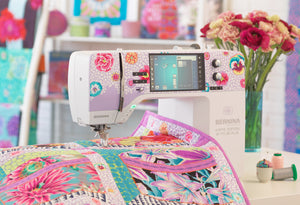
Here's one example of the kind of specialized machine feature that benefits from guided instruction:

A good local course usually shares a few traits.
Those details matter because repair skills build in layers. If the first layer is wrong for your machine, the rest of the class feels harder than it needs to.
Local instruction has practical advantages that online videos and far-away workshops cannot always match. You can ask follow-up questions, bring in the exact machine that is giving you trouble, and learn from someone who understands what local hobbyists are sewing on.
That is especially helpful in Colorado Springs, where many sewists use feature-rich machines for quilting, garment sewing, embroidery, or all three. For owners of advanced models, even a quick look at a machine like the BERNINA 770 QE PLUS shows why current training should go beyond vintage-only instruction. The right local course should help you care for the machine you rely on now, with guidance that feels practical, current, and close to home.
You hear a strange whirring sound, set your project aside, and start wondering whether help will cost more than the machine is worth. That is usually the moment pricing starts to feel confusing.
A better way to look at a repair class is to compare it to a good quilting ruler or a walking foot. You are paying for a tool you will keep using. In this case, the tool is your own understanding. For a hobbyist who sews often, that can mean fewer panicked guesses, fewer unnecessary service trips, and more confidence when a machine starts acting out.

Prices vary because classes serve different students. According to this overview of how to become a sewing machine repair person, programs range from $295 for a concise 2-day domestic lockstitch course to $3,200 for more extensive certification training, with a typical single-course investment around $1,000.
That spread is easier to understand once you ask what the class is built to do. A short workshop may focus on routine care, common stitch problems, and safe at-home adjustments. A longer program may train someone for bench work, broader machine coverage, or formal credentials.
For many modern hobbyists, especially those sewing on computerized models such as BERNINA machines, the question is not whether a class is cheap or expensive. It is whether the class matches the machine on your table. A lower-priced vintage-only course can still be useful, but it may leave gaps if your machine includes sensors, settings, or electronic features you rely on every week.
Good instruction saves money in a very practical way. It helps you sort out the problems you can handle yourself from the ones that need a technician.
That distinction matters.
If a class teaches you how to clean correctly, spot thread-path mistakes, recognize tension symptoms, and listen for changes in sound, you gain skills you will use again and again. If it teaches material that does not fit the machine you own, the lower price is less of a bargain.
Schedule matters too. Some sewists learn best in a weekend format where they can stay focused and practice several skills in a row. Others need spaced-out sessions so they can try a technique at home, come back with questions, and build confidence one layer at a time. From a local High Country Quilts perspective, that flexibility matters because Colorado Springs hobbyists are often fitting classes around work, family, and the actual projects waiting in their sewing rooms.
When you compare options, look at the calendar as carefully as the cost. A class that fits your life is much easier to finish and use well. When you're ready to compare options, dates, and class formats, it helps to start with an up-to-date class calendar.
You sit down to sew after dinner, turn on your machine, and pause. The screen lights up, the motor hums, but something feels off. Many Colorado Springs hobbyists reach this point and start asking the same practical questions. They want to know what they can learn on their own, what belongs in a class, and whether a vintage repair course will really help with the computerized machine they use every week.
Some skills do transfer. Some do not.
Cleaning lint, threading carefully, changing needles at the right time, and noticing stitch symptoms are useful on almost any machine. Those basics are like learning to read a recipe before you start cooking. They help everywhere.
A newer BERNINA adds another layer. Buttons, sensors, settings, and electronic systems change both the way problems appear and the way you approach them. As discussed in this conversation about learning to repair older sewing machines, sewists often wonder whether work on an older mechanical model prepares them for a current computerized machine. It helps with the foundation, but it does not fully prepare you for modern electronic features.
That gap matters to many of our customers at High Country Quilts. They are not restoring a machine for display. They are trying to keep their everyday sewing machine running well for quilting, garment sewing, and classes.
No.
A beginner repair class should meet you where you are. If you can follow steps in order, keep small parts organized, and notice changes in sound or stitch quality, you already have good learning tools.
Many sewists worry that repair knowledge belongs only to technicians. It does not. Learning machine care is much closer to learning fabric handling than learning engine rebuilding. You start with observation, routine habits, and a clear process. Then the machine becomes less mysterious.
Confidence is usually the first big change.
Instead of guessing, you start recognizing patterns. A thread nest stops being a random disaster and starts looking like a tension, threading, or needle issue. An unusual sound stops feeling alarming and starts sounding like a clue.
That shift is powerful. It saves time, lowers frustration, and helps you decide whether the fix belongs at your sewing table or at a service bench.
You are ready when you want clearer answers than trial and error can give.
That may be the moment your machine behaves differently on one project than the last. It may be the moment you realize your computerized model has features no vintage-only class explains well. It may be the moment you are tired of stopping mid-project to search for scattered advice online.
If that sounds familiar, starting local helps. At High Country Quilts, the goal is practical instruction for the machines people sew on now, including modern models that many hobbyists use every week.
If you're ready to build real confidence with your machine, explore classes, machines, and sewing support from High Country Quilts. It's a welcoming place for Colorado Springs sewists who want practical help, strong instruction, and better sewing days ahead.
At High Country Quilts we care deeply about community. With our experiences in retail, we know that a store is not only a place to shop but also a place for the community to gather and share. During this busy...

Hi! We’re Adam and Renee Wheaton, the new owners of High Country Quilts! For more than 40 years, we’ve owned and operated vacuum and sewing businesses. Following in Renee’s father’s footsteps after he retired from All Discount Vacuum and Sewing in Colorado...


Leave a comment