
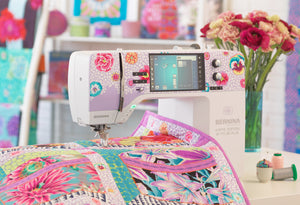

We Love Our Quilting Community
At High Country Quilts we care deeply about community. With our experiences in retail, we know that a store is not only a place to shop but also a place for the community to gather and share. During this busy...


So, you’ve typed “quilting classes near me” into the search bar. That simple search is the first stitch in a new creative adventure, one that turns simple fabric and thread into something you can be proud of. This guide is here to help you sort through the options and find the perfect local class to get you started.
Welcome to the wonderful, slightly addictive world of quilting. It’s so much more than a traditional craft; it’s become a way for people of all ages to unplug, get creative, and connect with a community of fellow makers. Think of this guide as a chat with a friend who’s been there, ready to help you find a class that fits you just right, whether you're a total beginner or have been quilting for years.
This isn’t just about sewing squares together; it's about learning an art form. Searching for the right class can feel a bit overwhelming at first, but it doesn't have to be. We’ll walk through what really makes a class great, from the instructor's personality to the vibe of the classroom itself. A good studio, like High Country Quilts, creates a warm, welcoming space where every student feels comfortable asking questions and confident enough to grow their skills.
It seems like everywhere you look, people are rediscovering the joy of making things by hand. This renewed love for handmade goods and personalized decor has sparked a huge quilting revival. It’s not just a local trend, either—it’s happening all over the world.
The global quilt market is on track to hit around $5 billion by 2025, and it's still growing. That boom is directly tied to more people seeing quilting as a true art form, which in turn has created a much higher demand for quality classes.
This surge in popularity is great news for you! It means there are more opportunities than ever to learn this rewarding skill. You’re jumping into a craft that's both timeless and totally current. If you're curious, you can dive into the numbers and see how crafting is evolving by checking out the latest quilt market research.
Our goal is simple: to make finding a class easy, get you excited for that first project, and show you why the right local instruction is the best way to start your quilting journey.
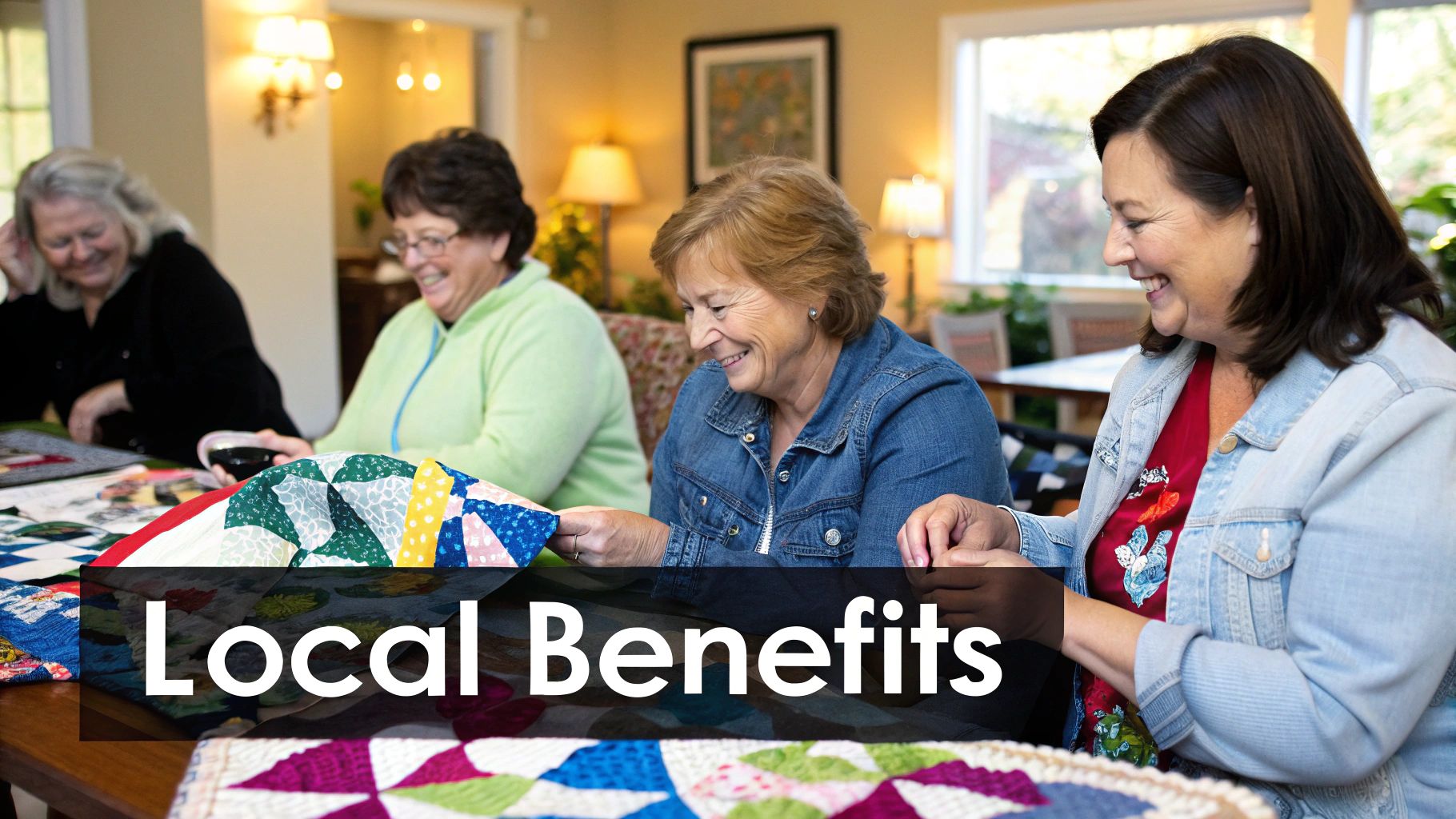
When you start that search for “quilting classes near me,” you’ll quickly discover a wide range of options. But here's the thing: not all classes are created equal. Investing your time and money into a class that doesn’t quite click can be really frustrating. So, what separates a fantastic learning experience from a just-okay one?
It all comes down to a few key ingredients. Think of it like finding a great personal trainer. You wouldn't just pick anyone; you’d want someone who is knowledgeable, patient, and genuinely invested in your goals. The same exact principle applies to quilting instructors.
A great teacher is the heart and soul of any quilting class. You want to find someone with a real, infectious passion for the craft, deep experience, and—most importantly—a patient and encouraging personality. The best instructors have a knack for breaking down complex techniques into simple, manageable steps.
They cultivate a supportive atmosphere where questions are always welcome, and mistakes are treated as learning opportunities, not failures. A good teacher knows how to adapt to different learning styles, whether you're a visual learner who needs to watch a demo first or someone who just needs to jump in and try it hands-on.
At High Country Quilts, our instructors are seasoned quilters who are also gifted teachers. They get that every student learns at their own pace and are totally committed to giving you the personalized guidance you need to succeed.
A solid curriculum is like a good roadmap—it guides you from point A to point B without getting you lost along the way. A quality quilting class should have a clear, logical structure that builds your skills progressively, one step at a time.
A true beginner class, for instance, should start with the absolute fundamentals:
This structured approach ensures you build a solid foundation, which makes tackling more advanced techniques so much easier down the road. Try to avoid classes with vague descriptions or ones that seem to jump around randomly. A well-planned curriculum is a sure sign of a thoughtful instructor.
A class that rushes through the basics is like building a house on a shaky foundation. Taking the time to master these fundamental skills is the single most important factor in becoming a confident and happy quilter.
The physical space itself plays a huge role in your experience. A cramped, poorly lit room can turn an exciting project into a stressful chore. A great quilting classroom should feel both inspiring and completely functional.
Look for a studio that offers:
Shops like High Country Quilts really prioritize creating this ideal learning environment. Our classrooms are spacious, brightly lit, and equipped with top-of-the-line BERNINA sewing machines, ensuring you have the best tools to bring your creative vision to life. We also keep our class sizes small, because that’s the only way to guarantee you’ll get the individual attention you deserve.
When you start searching for “quilting classes near me,” you’ll quickly discover it’s not a one-size-fits-all world. Think of it like cooking: some recipes are for a quick weeknight meal, while others are for a leisurely Sunday feast. Quilting classes are just the same, with each format designed to help you reach a specific goal.
Figuring out which one is right for you is the first step to making sure your time, money, and creative energy are well spent.
Some classes are like a quick shot of espresso—a single-day workshop focused on teaching one particular technique. Maybe you want to finally master free-motion quilting or learn how to use that fancy new ruler you bought. These are fantastic for quilters who already have some experience but want to add a new skill to their repertoire. They're also great for total beginners who want to test the waters without a big commitment.
Then you have multi-week courses, which are more like a full, home-cooked meal. These sessions walk you through an entire project, from the very first fabric cut to the final binding stitch. Over several weeks, they provide a structured, supportive environment where beginners can build a rock-solid foundation of skills.
Even within those formats, the goals can differ. A project-based class does exactly what it says on the tin: you’ll walk out with a finished (or almost finished) item, like a beautiful table runner or a sweet baby quilt. There’s nothing quite like that tangible sense of accomplishment to keep you motivated.
On the other hand, skill-building sessions are all about the process. Instead of a finished project, your big takeaway is pure technique. These are perfect for quilters who want to get their half-square triangles perfectly sharp or finally conquer a tricky Y-seam without the pressure of an entire quilt project hanging over their heads.
The best class for you isn't about which one is "better," but which one fits what you need right now. Are you aiming to create a specific gift, or are you trying to perfect a fundamental skill? Answering that one question will help you narrow down your choices in a heartbeat.
The image below breaks down what most quilters are looking for when they sign up for a class. You’ll see that while location and price matter, having a class that fits a busy life is often the top priority.
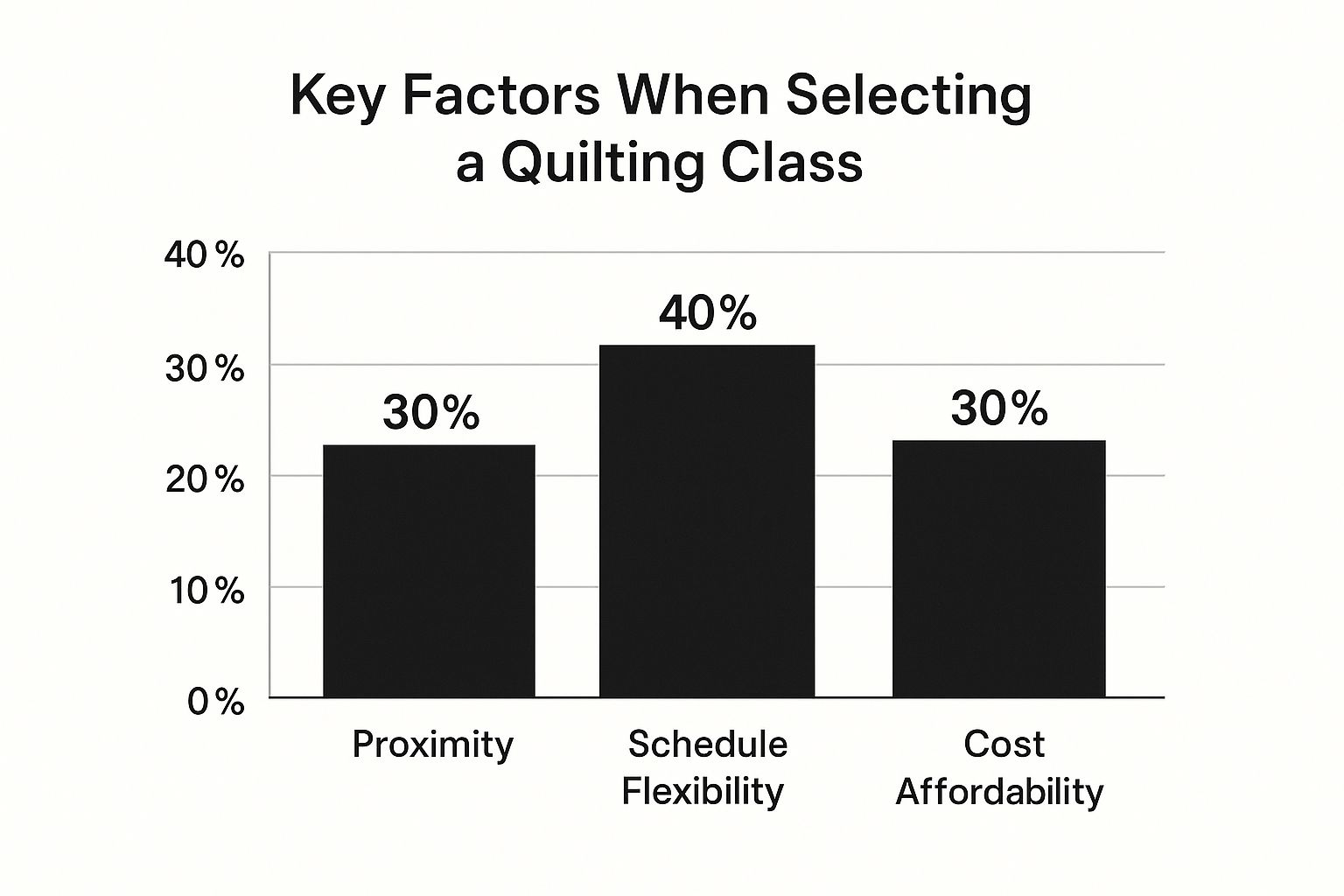
It's clear that finding time is the biggest hurdle. In fact, schedule flexibility is the #1 factor for 40% of quilters, which really highlights why having a variety of class formats is so important.
To make it even clearer, I've put together a simple table comparing the most common class types. Use this to get a quick snapshot of what each format offers so you can pick the one that aligns with your goals.
| Class Type | Best For | Typical Duration | Skill Level | Key Outcome |
|---|---|---|---|---|
| Workshop | Learning a specific, isolated skill. | 3-6 hours | All Levels | Mastery of one technique (e.g., binding). |
| Multi-Week Course | Beginners needing a structured foundation. | 4-8 weeks | Beginner | A completed quilt and core skills. |
| Project Class | Creating a specific item from start to finish. | 1-3 sessions | All Levels | A finished product (e.g., wall hanging). |
| Skill-Builder | Practicing a fundamental technique repeatedly. | 2-4 hours | Beginner/Intermediate | Confidence in a core skill (e.g., piecing). |
Ultimately, whether you choose a quick workshop or settle in for a multi-week course, the goal is to find an experience that inspires you and moves you forward on your quilting journey.
So, you're ready to start quilting, but what's it actually going to cost? Thinking about the budget for a new hobby can feel a bit like trying to figure out a new pattern—it helps to have a guide. The price you see on the class listing is just the starting point.
Let's break down what's usually included in that fee and what other things you'll need to account for.
The class fee itself is what gets you in the door. It covers the instructor's expertise—their time, their knowledge, and their personalized guidance. It also pays for the use of the classroom and, often, a top-notch sewing machine. This is a huge plus, as it lets you test-drive a quality machine before you even think about buying your own.
But what about the fun stuff—the fabric and tools? Those are typically separate. This is where you get to bring your own creative flair to the project, but it’s also an area where costs can creep up if you aren't prepared.
Once you sign up, you'll get a supply list. Don't let it overwhelm you! This list is your roadmap for the class, telling you exactly what you need to bring. A great shop like High Country Quilts makes sure these lists are crystal clear, so there’s no confusion.
Here’s what you can generally expect to see on that list:
Many shops, ours included, offer a nice discount on supplies for students, which really helps. If you're just starting out, ask about a beginner's kit. It’s often the smartest way to get all the core tools you need without accidentally buying things you won't use for a while.
It helps to think of these expenses not just as costs, but as an investment in a skill that will bring you joy for years to come. You're not just buying a pile of fabric; you're learning a craft that offers a wonderful creative outlet and a way to unwind.
And you’re not alone. This craft is part of a massive creative movement. The global quilt market was valued at an impressive $5.32 billion in 2024 and it’s still growing, thanks to a huge resurgence in appreciation for handmade, quality items. You can explore the full quilting market analysis to see just how big this community is.
By understanding the costs upfront, you can budget smartly and focus on what really matters: the simple pleasure of learning to create something beautiful with your own two hands.
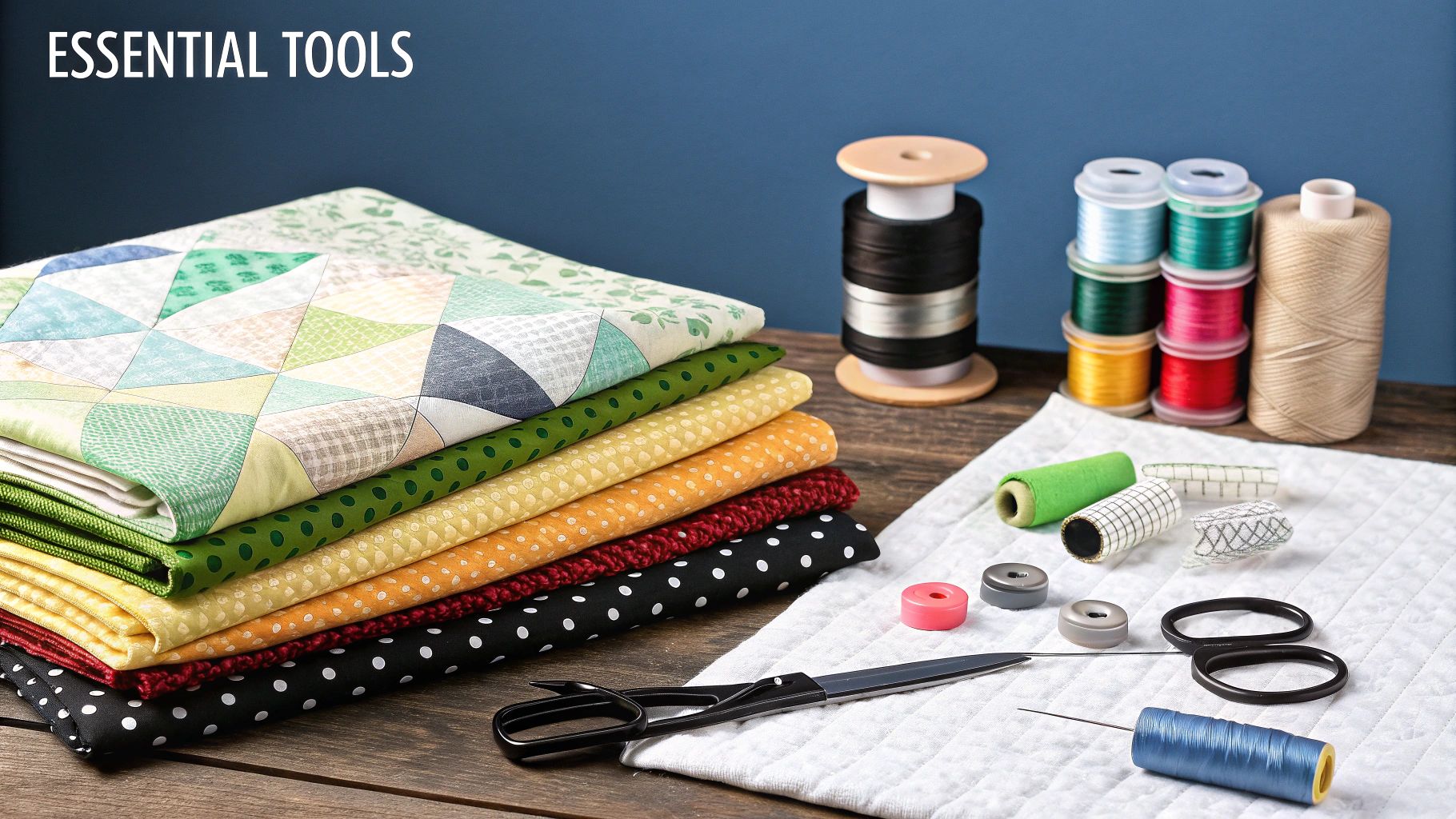
So, you’ve found the perfect class and signed up. The excitement is probably starting to bubble up! So, what’s next? A little bit of prep work can make all the difference, turning those first-day jitters into pure, focused creativity.
Getting organized beforehand means you can walk into that classroom feeling confident, relaxed, and ready to absorb everything your instructor has to share.
First things first, let's get the practicalities out of the way. When you enroll, whether it's online or over the phone, take a moment to look at the shop’s cancellation policy. Life happens, and knowing the cutoff for a refund or class credit is just smart planning. It protects your investment and gives you peace of mind.
Once that's sorted, you can get to the fun part: gathering your supplies and getting ready for the first day. A little planning now prevents that last-minute "Where did I put my rotary cutter?" panic later.
There's nothing quite like the feeling of being prepared. It’s the best way to calm any pre-class nerves. Running through a quick checklist ensures you have what you need, so you can focus on the project, not on what you forgot at home.
Here’s a simple rundown to get you started:
If you’re feeling a bit unsure about what to expect, that’s completely normal. Your instructor is your best resource. Don't ever hesitate to send a quick email or call the shop with questions beforehand. They’ve heard it all and are happy to help you feel at ease.
Walking into a new class can feel a little like the first day of school, but you’ll quickly find that quilting classrooms are some of the friendliest, most welcoming places on earth. The vibe is almost always relaxed, supportive, and humming with a shared passion for fabric and thread.
You’ll be in a room full of people who are just as excited (and maybe a little nervous!) as you are. That instant common ground is what makes the quilting community so special.
Be prepared to meet new people, ask plenty of questions, and enjoy the creative energy in the room. You’re not just learning a skill; you’re plugging into a vibrant community. This is where friendships are born, right alongside beautiful quilts.
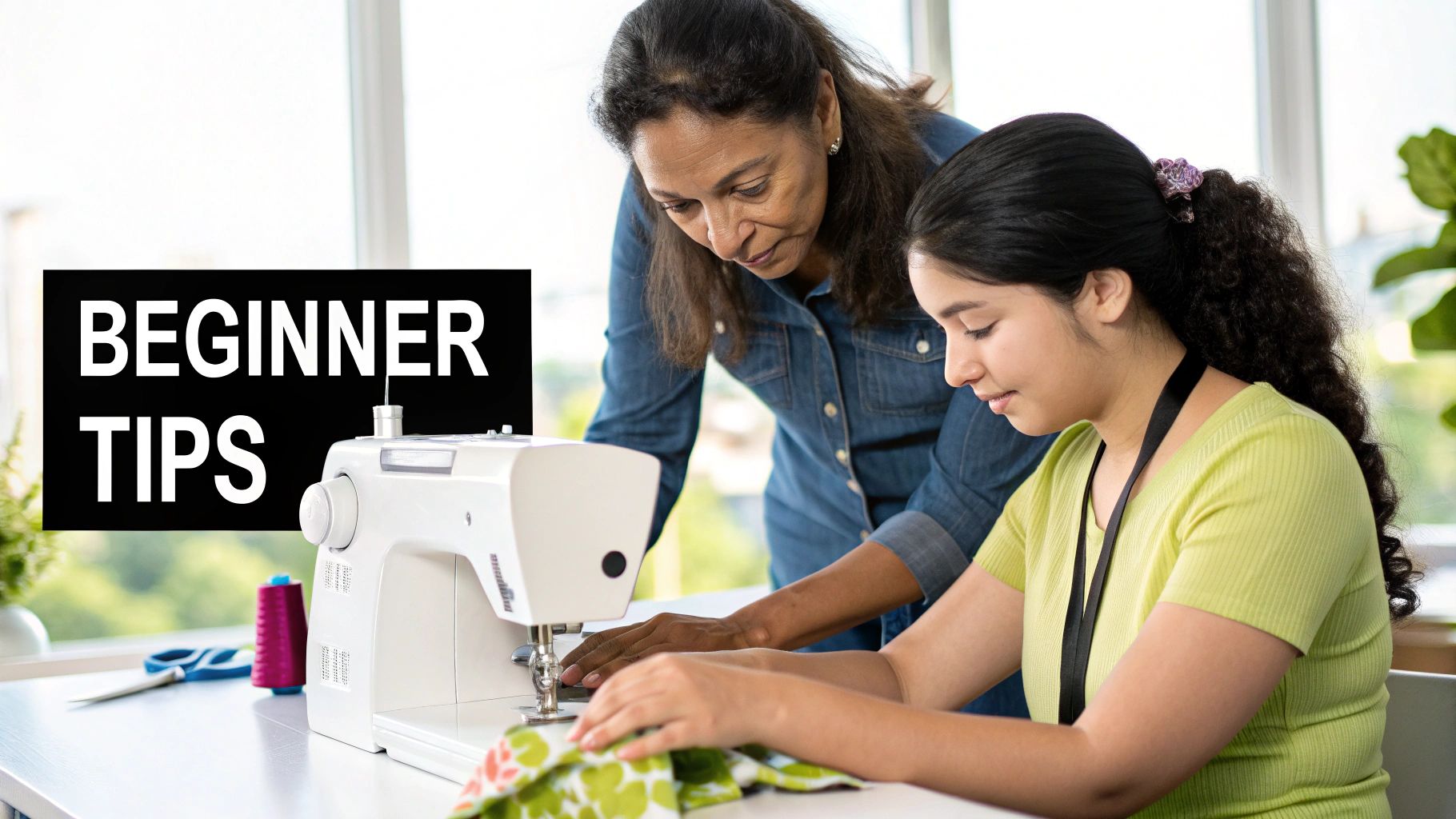
Learning to quilt is about so much more than just mastering a new skill. It's your ticket into a wonderfully warm and creative community. That first class is often the start of a whole new journey, one that’s packed with connection, shared passion, and a whole lot of creative fun.
The friendships you build and the passion you share in a quilting class can quickly become just as precious as the techniques you learn at the cutting mat.
This isn't just a small-town thing, either. The love for quilting is a global phenomenon. The Asia Pacific region, for example, holds a huge slice of the global quilt market and is projected to keep growing. You can dive deeper into these worldwide quilting trends in recent market analyses from Cognitive Market Research. When you join a local class, you're tapping into a universal appreciation for this beautiful craft.
Quilting comes with some incredible mental and emotional benefits. The steady rhythm of the needle, the focus needed to cut fabric just right, and the pure joy of pairing colors and patterns—it all combines into an experience that’s genuinely meditative. It’s a fantastic way to unplug and find a bit of calm in a chaotic world.
There's a special kind of satisfaction that comes from making something beautiful and useful with your own two hands. Every finished quilt is a tangible reminder of your patience, skill, and creativity. It’s a real confidence booster and gives you a lasting sense of pride.
That first class is just the beginning. It's the gateway to a whole world of quilters and connections that can stick with you for years to come.
When you search for "quilting classes near me," you’re not just looking for a lesson. You're looking for your creative home—a place to learn, to share, and to become part of a community that gets the simple joy found in every single stitch.
Stepping into the world of quilting is exciting, but it's natural to have a few questions before you dive in. Knowing the practical details ahead of time means you can walk into your first class feeling prepared, relaxed, and ready to soak it all in. Let’s tackle some of the most common things new quilters wonder about when looking for "quilting classes near me."
For most beginner classes, the answer is a resounding no! A great quilting shop that offers classes, like High Country Quilts, will have quality classroom machines ready and waiting for you. This is a huge perk, as it lets you get your feet wet without having to invest in your own machine right away.
Think of it as a no-pressure test drive. You get to learn on a great machine, see what features you like, and figure out what feels right. It’s the perfect way to "try before you buy." Just be sure to check the specific class description, but you’ll find that nearly all introductory courses are set up this way.
Honestly, the only real prerequisite for a beginner class is a healthy dose of curiosity and the desire to learn. That’s it! These classes are built from the ground up for people who have never touched a sewing machine or read a pattern before.
Don't let a "lack of experience" stop you. A beginner class is designed for you. It’s a judgment-free zone where everyone starts at the beginning, learning everything from threading a needle to making that first clean, straight cut.
While it’s not usually required, putting in even 1-2 hours a week of practice at home will make a world of difference. It’s a bit like learning to play the piano—that regular practice builds muscle memory and makes the skills you learn in class feel second nature.
For classes where you’re working on a specific quilt, your instructor might give you a little "homework," like cutting fabric squares or sewing a few simple blocks. This just helps ensure class time is spent on the new, tricky stuff. A little prep work goes a long way in making each session more fun and productive.
Life happens, and quilt shops understand that. If you need to miss a session in a multi-week series, most instructors are happy to help you catch up. They might provide handouts from the missed lesson or spend a few minutes with you before the next class starts.
That said, every shop’s policy is a little different. It’s always smart to ask about their make-up or cancellation policy before you sign up. A quick question upfront can save you a lot of stress and ensure you know exactly what to expect.
Ready to turn that curiosity into a beautiful quilt? We’ve got a class for every skill level in a friendly, supportive space. Come find the perfect fit for your creative journey by exploring our class schedule at High Country Quilts.
At High Country Quilts we care deeply about community. With our experiences in retail, we know that a store is not only a place to shop but also a place for the community to gather and share. During this busy...

Hi! We’re Adam and Renee Wheaton, the new owners of High Country Quilts! For more than 40 years, we’ve owned and operated vacuum and sewing businesses. Following in Renee’s father’s footsteps after he retired from All Discount Vacuum and Sewing in Colorado...


Leave a comment