

We Love Our Quilting Community
At High Country Quilts we care deeply about community. With our experiences in retail, we know that a store is not only a place to shop but also a place for the community to gather and share. During this busy...


You've got the pretty roll open on the table, and the first reaction is usually the same, a little excitement, a little panic. The strips look coordinated and ready to go, but the questions pile up fast, what exactly is this bundle, how do you know if it's accurate, and what can you make before you buy more fabric?
A jelly roll fabric bundle solves part of the beginner problem by removing the cutting step. It gives you coordinated strips in a format that's designed for strip piecing, but the value is bigger than convenience. Treated carefully, it's a precision product, and that mindset helps you avoid the most common beginner mistake, assuming every precut is ready to sew without checking the measurements first.
A jelly roll is easier to understand if you hold it in your mind like a stack of tidy ribbon-like strips instead of a loose pile of fabric. Each strip is usually 2.5 inches wide, cut to the width of fabric at about 42 to 45 inches, and bundled into a coordinated set that's ready for quilting (What are quilting jelly rolls?). Most bundles contain about 40 to 42 strips, which means you're often looking at roughly 3 yards of pre-cut material already matched by color and print (Everything jelly rolls).
That format matters because it cuts out one of the slowest parts of quilting, measuring and slicing yardage before you can even start piecing. A jelly roll gives you a collection of fabrics that already belong together, so you can focus on layout, seams, and pattern assembly instead of starting from scratch. If you're new to precuts, a practical how to guides resource can help you see how step-by-step instruction feels when every action is broken into a clear sequence.

The appeal is simple. Manufacturers can coordinate a whole fabric collection, cut it into one consistent strip width, and package it for quilters who want to start sewing right away. That's why you'll often see jelly rolls described as beginner-friendly and strip-piecing friendly at the same time, they're built to remove friction from the first hours of a project.
Moda is the brand most closely associated with the term, and many shoppers still treat Moda's naming as the reference point when they compare other precuts. You'll also see the phrase applied to similar rolls from other brands, so it helps to read the product description closely instead of assuming every roll is identical. If you want a simple next step, browse a curated jelly roll product page and look at how the colors are grouped before you buy.
A jelly roll is less like “extra fabric in a bundle” and more like “a planned set of strip components.” That's why it works so well for projects built from repeated units.
The 2.5-inch width isn't random. It lines up neatly with common rulers and rotary-cutter setups, which is why sources recommend a 45mm rotary cutter, a self-healing mat, and a 6-inch x 24-inch ruler for repeatable strip work (What are jelly rolls in quilting). That setup matters because strip piecing only stays clean when the cuts stay consistent.
A standard bundle is usually built from 40 strips of 2.5-inch-wide quilting cotton, and some collections ship with 42 strips instead of 40 (Moda jelly rolls FAQ). The strip length usually runs to the width of fabric, about 42 to 45 inches, which means the usable length is tied to the fabric roll and the selvages, not just the visible print area (What are quilting jelly rolls?).

The mistake is assuming “2.5-inch strip” always means exactly the same thing from every manufacturer. One quilting expert advises measuring precut pieces before sewing because small width differences can affect the 1/4-inch seam allowance and the finished block size (Pat Sloan top tips for working with a jelly roll). That's a precision issue, not a perfectionist issue.
Check three things before you cut or sew:
If you want the safest first purchase, choose a bundle from a trusted precut product page and inspect it as soon as you bring it home. That habit saves frustration later, especially on blocks that need to come out square the first time.
Practical rule: if the strip width is off, don't force the project. Measure first, sew second.
A jelly roll is the right choice when your project is built from strips, repeated seams, or coordinated prints. Fat quarters work better when you want more surface area per fabric for fussy cutting or scrappy variety. Yardage is the strongest choice when you need consistency, matching repeats, or enough of one fabric to plan borders, backings, or large motifs.
| Precut | Typical Size | Best For | Watch Out For |
|---|---|---|---|
| Jelly Roll | 2.5-inch strips cut to width of fabric, usually 40 to 42 strips (Moda jelly rolls FAQ) | Strip quilts, rails, log cabins, beginner speed sewing | Not ideal for large motifs or projects that need broad fabric pieces |
| Fat Quarter | Smaller cut with more usable surface per print | Fussy cutting, sampler quilts, decorative blocks | You'll still do more cutting and planning |
| Yardage | Continuous fabric sold by the yard | Backings, borders, matching repeats, custom layouts | More prep time, more cutting work |
Use a jelly roll when you want coordinated strips and don't want to spend your first evening at the cutting table. That makes it a strong fit for small-to-medium strip projects and for beginners who want to skip the most technical part of setup.
Choose fat quarters when the print itself matters more than the strip construction. A large flower, a scenic print, or a directional motif needs room to breathe, and a jelly roll can waste the design.
Choose yardage when the project depends on fabric continuity. If the quilt needs borders that match, backing that feels intentional, or a repeat you want to control, yardage gives you far more flexibility than any precut.
A lot of beginners expect a jelly roll to cover a whole quilt on its own. It can be enough for many projects, but it isn't a universal answer, and the project size has to fit the strip count and the design. If you're comparing options, a product collection page makes it easier to see whether you need strips, a larger cut, or coordinating solids instead.
The fastest way to use a jelly roll is to start with a project that respects the strip format. A strip runner, a rail-fence baby quilt, and a jelly roll race quilt all work because they let the fabric do the heavy lifting. Each one asks for a different level of confidence, but none of them require advanced drafting.
A runner or table topper is the gentlest entry point because it doesn't demand a full quilt layout. You can usually work with a small handful of strips, then add a backing and binding that complement the roll rather than compete with it.
A runner works well when you want to test your seam control, see how the colors interact, and practice pressing as you go. It's also a good option if you're still learning how much space a strip set needs on your table. For this kind of project, a coordinated jelly roll kit can save you from piecing together matching extras on your own.
A rail-fence baby quilt is the sweet spot for a first full project. The blocks are simple, the strip units repeat cleanly, and the pattern rewards accurate cutting without asking for complicated shapes. A jelly roll is often enough for the top, while you'll still need separate backing and binding fabric because those pieces usually aren't part of the strip bundle itself (Jelly-roll quilts).
This is also the project where seam allowance discipline starts to matter. If your strips are slightly uneven or your seams drift, the blocks show it quickly, which is why the earlier precision check matters so much.
A baby quilt is the first place many beginners learn that “coordinated fabric” and “finished quilt top” are not the same thing. The second still needs planning.
A jelly roll race quilt is the most dramatic of the three because the whole method leans into speed. You sew the strips end to end into one long piece, then work the long row into a quilt top. It uses the bundle format exactly the way it was meant to be used, fast strip construction with a bold visual payoff.
This option usually asks for more backing planning than the runner or baby quilt because the finished top is larger. It's a strong choice when you've already proven that your strips are accurate and your machine is stitching evenly. If you want a ready-to-use starting point, a locally curated strip quilt kit can make the supply list easier to manage.
A jelly roll's color story does more work than most beginners realize. The dominant color sets the mood, the secondary shades create movement, and the blender prints help the strips feel connected instead of random. If you pick the prettiest roll without thinking about thread and backing, the finished quilt can look busy in a way that feels accidental.

Start by naming the main color you see first. Then look for the quieter prints that repeat that tone in smaller doses. Those are the fabrics that usually make the quilt feel balanced once the strips are sewn together.
Thread choice should support that palette, not fight it. A neutral thread, such as gray or cream, blends into most strip sets and keeps the seams from drawing attention away from the fabric. For batting, a low-loft cotton option gives the quilt a softer, more traditional drape, which suits most beginner strip quilts.
Backing fabric deserves the same attention. A solid backing can calm a busy top, while a backing with a strong print can compete with the strips and make the quilt feel louder than intended. If you're building a supply list, a local notions page or thread page can help you match those pieces without guessing.
A coordinated thread and notions page is useful here because it turns guesswork into a short checklist. That's especially helpful if you're building your first supply list and don't yet know which pieces should match, contrast, or disappear.
A jelly roll sits on a shelf much longer than it sits under the presser foot, so buying and storing habits matter. Shop for coordinated collections that already make sense visually, and check the strip count before you pay. A bundle that looks pretty online can still be wrong for your project if the strip count or print scale doesn't fit the design.

Keep the bundle flat, cool, dry, and out of direct sunlight. That protects the prints from fading and helps the strips stay usable when you finally open them. If the roll stays wrapped for months, open it once in a while and make sure nothing inside has warped, been crushed, or picked up moisture.
Impulse buying creates the messiest stash. A bundle that doesn't fit your style becomes one more thing you have to store, sort, and eventually donate or ignore. A more careful approach is to buy from a curated collection, where the color story and strip count are already easier to understand.
A good precut doesn't need special treatment, it needs reasonable treatment. Keep it clean, flat, and away from light.
Reputable shops matter because not every precut is handled the same way. Some shops focus on seasonal releases, some on coordinated palettes, and some on beginner-friendly kits that already include matching pieces. If you want less uncertainty, a curated fabric bundle page is a practical place to start because it narrows the choices before you spend money.
Beginners usually don't need more fabric advice, they need a place where the whole project comes together. A class gives you structure, a prebuilt kit gives you the right pieces, and a knowledgeable shop keeps you from buying the wrong extras. That combination matters most when you're learning how a strip bundle turns into a finished quilt top.
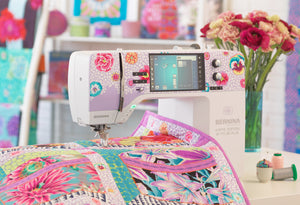
High Country Quilts in Colorado Springs carries precuts and can pair a jelly roll with coordinating backing and binding, which helps when you want one project package instead of a loose stack of separate purchases. As an authorized BERNINA dealer, the shop also gives beginners access to machine guidance and setup support, which is useful when stitch quality and seam accuracy start to matter on a strip quilt.
Bring your bundle to a class if you want someone to check the first seams with you. Ask for help matching backing fabric if you're unsure how much contrast the quilt needs. If your machine is giving you uneven stitches, a shop that knows BERNINA systems can help you adjust the setup before the project turns frustrating.
A local shop also helps when you're ready to repeat the process. The second quilt goes faster because you already know which strip counts fit your pattern, which colors you prefer, and which notions you used. That makes the next bundle a planning decision, not a gamble.
Visit High Country Quilts to browse current precuts, ask about beginner classes, and put together a first strip quilt with the backing and binding matched before you leave the shop.
At High Country Quilts we care deeply about community. With our experiences in retail, we know that a store is not only a place to shop but also a place for the community to gather and share. During this busy...

Hi! We’re Adam and Renee Wheaton, the new owners of High Country Quilts! For more than 40 years, we’ve owned and operated vacuum and sewing businesses. Following in Renee’s father’s footsteps after he retired from All Discount Vacuum and Sewing in Colorado...


Leave a comment