

We Love Our Quilting Community
At High Country Quilts we care deeply about community. With our experiences in retail, we know that a store is not only a place to shop but also a place for the community to gather and share. During this busy...


Whether you're a seasoned seamstress or just threading your first needle, the world of sewing offers a limitless canvas for creativity. Finding the right project can transform a simple hobby into a fulfilling passion, but knowing where to start is often the biggest challenge. This guide is designed to inspire you with a curated list of fun sewing projects that cater to a wide range of skill levels, from quick and satisfying home decor items to intricate cosplay masterpieces.
We will break down each project idea with practical details, providing a clear roadmap for your next creation. Expect specific insights on difficulty, estimated time commitment, and the essential materials needed to get started. This structured approach eliminates the guesswork, allowing you to choose a project that perfectly matches your current skills and creative goals.
As a hub for sewing enthusiasts, Famcut is dedicated to supporting your journey with expert guidance and premium supplies. Think of this list as your springboard into more ambitious and rewarding sewing adventures. Let's dive in and find the perfect project to get your sewing machine humming and bring your unique ideas to life.
Creating a custom cosplay costume is one of the most rewarding and fun sewing projects you can undertake, allowing you to bring your favorite characters from anime, games, and films to life. This advanced project merges traditional sewing with creative crafting, often involving pattern modification, intricate fabric choices, and even prop or armor construction. The goal is to achieve character accuracy, making it a true test of skill and dedication.
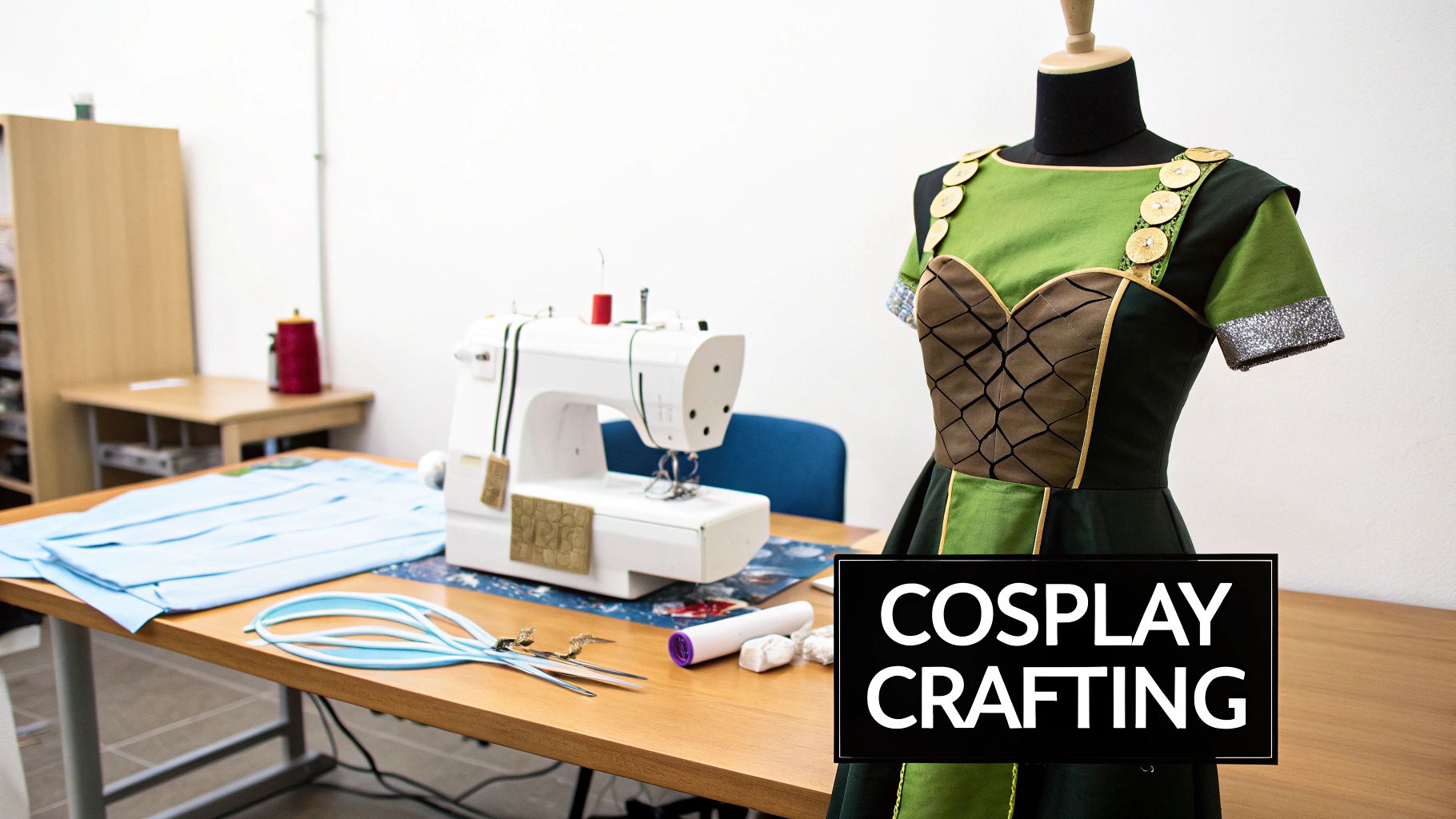
From the elaborate gowns seen at Katsucon's Masquerade to the detailed armor builds at Dragon Con, cosplay is a vibrant celebration of fandom and craftsmanship. Professional cosplayers like Yaya Han and Jessica Nigri have turned this hobby into an art form, showcasing the incredible potential of fabric and thread.
Success in cosplay starts with smart planning and attention to detail. Before you even cut your fabric, it's crucial to gather high-quality reference images and create a mockup.
Creating custom quilts and patchwork blankets is a deeply satisfying sewing project that turns fabric scraps into functional, artistic heirlooms. This traditional craft involves piecing together different fabrics to create intricate patterns, from simple blocks to complex geometric or pictorial designs. It’s a versatile hobby that allows for immense creativity, making it one of the most beloved fun sewing projects for all skill levels.
From the modern, minimalist designs showcased at QuiltCon to cherished baby quilts given as gifts, quilting is a celebrated art form. Quilters like Jen Kingwell and the duo Weeks Ringle and Bill Kerr have pushed the boundaries of traditional patchwork, inspiring a new generation to embrace the craft.
A successful quilt depends on precision and patience. Careful planning and the right tools will ensure your fabric pieces align perfectly, resulting in a beautifully finished product.
Creating custom tote bags and fabric carriers is one of the most versatile and fun sewing projects, offering endless opportunities for personalization and practicality. This beginner-friendly project allows you to craft everything from simple grocery bags to specialized project carriers with unique organizational features. The goal is to produce a durable, functional, and stylish item that serves a specific purpose, whether for daily use, travel, or gifting.
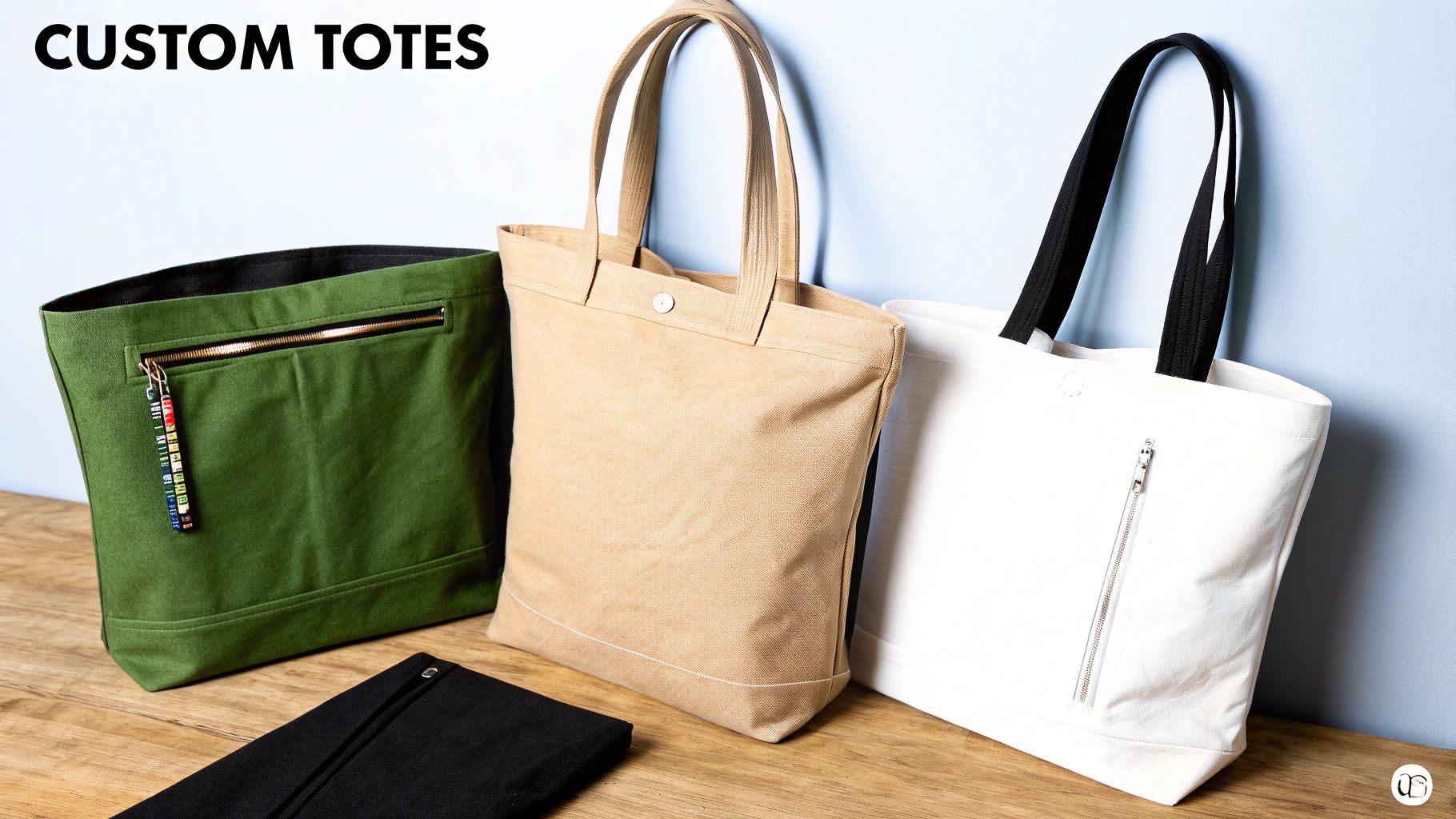
From branded totes for small businesses to personalized gift bags for the holidays, custom carriers are a staple for both hobbyists and professional makers. Influential creators like Sarah Kirsten and tutorial channels like Made Everyday have popularized unique designs, while Etsy sellers have built entire businesses around these practical items. This project is a fantastic entry point for selling your creations online.
Success with tote bags comes from choosing the right materials and using simple construction techniques to create a professional finish. Before sewing, consider the bag's intended use to guide your design choices.
Creating custom pillows and decorative home accents is one of the most accessible yet satisfying fun sewing projects, offering a quick way to refresh any living space. This beginner-friendly project allows you to experiment with fabrics, textures, and embellishments to create pieces that perfectly match your personal style. From simple square throw pillows to more complex lumbar cushions, this is a fantastic entry point into home décor sewing.
This trend has been widely popularized by interior design influencers on Instagram and Pinterest, along with major home décor brands like West Elm and Anthropologie. The appeal lies in the ability to create bespoke items, such as seasonal-themed cushions or personalized monogrammed pillows, that add a unique, handmade touch to a room’s aesthetic.
Success with decorative pillows comes from mastering foundational techniques and paying attention to finishing details. A well-made pillow cover is not just beautiful but also durable and functional.
Mastering clothing alterations and creating custom-fit garments is one of the most practical and fun sewing projects, transforming off-the-rack pieces into perfectly tailored treasures. This skill set ranges from simple hemming to complex tailoring, allowing you to breathe new life into thrifted finds or sew clothing from scratch that fits your unique body shape. It's a foundational skill that empowers you to build a sustainable, personalized wardrobe.
From historical costuming experts like Bernadette Banner to modern DIY creators like Withwendy, the art of fit is celebrated across the sewing community. This skill can even grow into a profitable business, with professional alteration specialists earning significant income by tailoring everything from daily wear to formal gowns.
Achieving a perfect fit is a game of precision and patience. The right tools and techniques are essential for turning a good garment into a great one.
Adding embroidery and other hand-decorations to clothing transforms ordinary garments into unique, personalized works of art. This highly creative sewing project involves embellishing apparel and accessories with hand embroidery, machine embroidery, or even fabric paint. The goal is to infuse personality and custom details into everything from sweatshirts to denim jackets, making it a fantastic way to upcycle old favorites or create one-of-a-kind gifts.
This craft has surged in popularity, driven by the vibrant Instagram community (#embroideryart) and artists like Sarah K. Benning who showcase modern, intricate designs. The appeal lies in its versatility; you can create anything from monogrammed children's clothing to custom patches for fandom merchandise. Talented makers have even turned this hobby into a business, selling beautiful hand-embroidered commission pieces on Etsy for $50 to over $300.
Success in garment embroidery comes from using the right tools and techniques to support your fabric. Proper stabilization and quality materials are key to achieving clean, professional-looking stitches that last.
Sewing clothes and accessories for children is one of the most delightful and fun sewing projects, offering a chance to work with vibrant fabrics and playful designs. This area of sewing focuses on creating durable, comfortable, and often whimsical garments like rompers, dresses, and coordinating outfits. The key is balancing practicality with creativity, ensuring the final pieces can withstand active play while looking adorable.
From the charming patterns of Oliver + S to the creative inspiration found on blogs like Handmade Charlotte, sewing for kids has become a massive trend. Talented Etsy sellers and pattern designers have built entire brands around creating unique, high-quality children's wear, proving that handmade items are cherished for their unique character and superior construction.
Creating successful children's clothing means prioritizing comfort, safety, and longevity. Thoughtful planning before you begin sewing will ensure your creations are both loved and long-lasting.
Creating fabric plushies and stuffed animals is a genuinely delightful and fun sewing project that lets you transform soft textiles into cuddly companions. This versatile craft ranges from simple, beginner-friendly shapes to complex, detailed characters, making it accessible for all skill levels. The process involves cutting fabric from a pattern, sewing the pieces together, and stuffing them to create a three-dimensional toy.
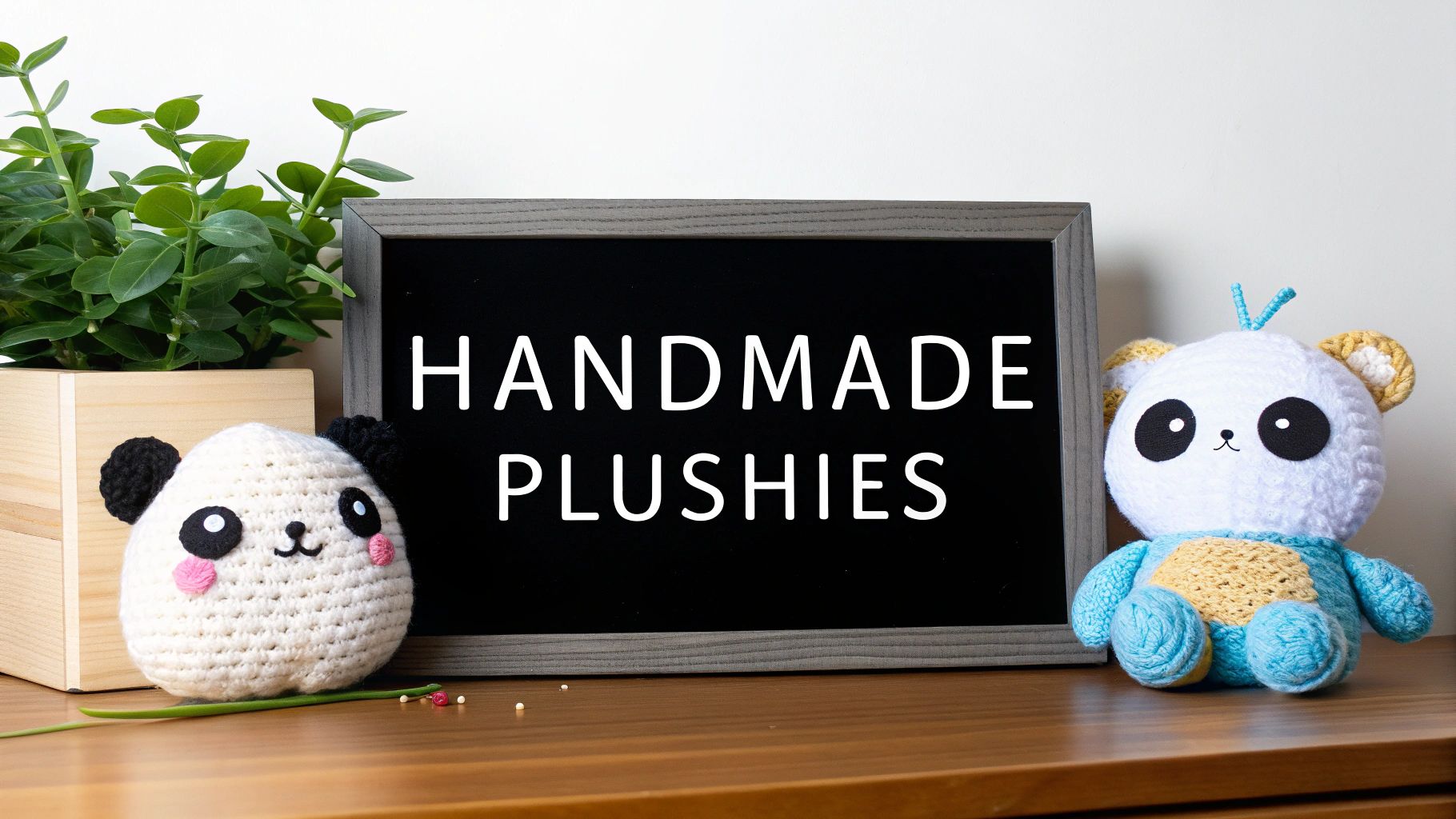
The popularity of plushies has surged thanks to brands like Squishmallows and Jellycat, along with viral trends on TikTok and a thriving community of Etsy artisans. This craft allows for immense creativity, from memory bears made from a loved one's clothing to custom plushies based on children's drawings or beloved anime characters.
Success in plushie-making comes from choosing the right materials and mastering a few key techniques for a professional-looking finish. Your fabric choice and stuffing method are crucial for creating a toy that is both soft and durable.
Transforming leftover fabric scraps into beautiful and functional items is one of the most sustainable and fun sewing projects for any crafter. This zero-waste approach, often called "scrap busting," encourages creativity by challenging you to piece together different colors, patterns, and textures. The goal is to give new life to materials that would otherwise be discarded, turning your fabric stash into everything from home decor to thoughtful gifts.
From intricate quilted pot holders to vibrant table runners, patchwork is celebrated by sustainability-focused quilters and eco-conscious creators. Social media accounts like Scrap Busting Quilts and various YouTube tutorials showcase the endless possibilities of scrap fabric, proving that small pieces can create a significant impact.
Success with fabric scraps begins with organization and a clear plan. By sorting your materials and using the right techniques, you can turn a chaotic pile of remnants into a cohesive masterpiece.
Expanding on costume creation, crafting cosplay props and accessories is a uniquely fun sewing project that blends fabric work with other artisan skills. This advanced pursuit involves making the wearable and handheld items that complete a character's look, such as armor, custom bags, headpieces, and safe, convention-approved weapon replicas. It's an opportunity to experiment with materials like EVA foam, thermoplastics, and 3D printing alongside traditional sewing.
This specialized field has been elevated by prop artisans like Evil Ted Smith and Kamui Cosplay, who share their techniques for creating everything from intricate armor to glowing magical artifacts. Events like Dragon Con and Anime Expo showcase breathtaking examples, proving that accessories are just as crucial as the main garment in bringing a character to life.
Success in prop and accessory making relies on mastering a diverse set of crafting techniques and materials. Before tackling your final piece, it is essential to experiment and understand how different components work together.
| Project | 🔄 Implementation complexity | ⚡ Resource requirements (time / cost) | ⭐ Expected quality / 📊 Impact | 📊 Ideal use cases | 💡 Key advantages |
|---|---|---|---|---|---|
| Custom Cosplay Costumes | High — pattern mods, armor, mixed media | High — specialty materials, tools, 50–200+ hrs | ⭐⭐⭐ Very high visual fidelity; contest-ready | Conventions, competitions, commission work | Highly creative, strong social/monetization potential |
| Custom Quilts & Patchwork Blankets | Medium — piecing/appliqué; skill scales with design | Moderate — yardage, batting, long make time | ⭐⭐⭐ Durable, heirloom-quality functional art | Gifts, exhibitions, charity quilts | Accessible skill path, therapeutic, strong market demand |
| Tote Bags & Fabric Carriers | Low — straightforward construction, repeatable | Low — minimal fabric, basic hardware, 4–8 hrs | ⭐⭐ Practical, high sellability at craft markets | Market goods, branded promos, gift items | Fast to produce, low waste, customizable |
| Pillows & Decorative Accents | Low — simple closures and embellishments | Low — small fabric requirements, quick (2–6 hrs) | ⭐⭐ Good profit margin; high home-decor appeal | Interior styling, upcycling, seasonal products | Quick projects, scrap-friendly, high margin |
| Clothing Alterations & Custom Fit Garments | Medium–High — precise measuring & fitting | Moderate — tools, patterns, fitting time | ⭐⭐⭐ High functional value; repeat business potential | Tailoring services, sustainable wardrobe repairs | Practical income stream; extends garment life |
| Embroidered & Hand-Decorated Garments | Medium — hand or machine techniques required | Moderate — threads, stabilizers; machine investment if scaling | ⭐⭐⭐ Strong personalization; premium pricing possible | Custom apparel, gifts, small-batch merchandise | Unique differentiation; scalable with equipment |
| Children's Clothing & Accessories | Medium — sizing, safety, and durability needed | Low — smaller fabrics, quicker makes | ⭐⭐ High demand; quick turnover but shorter wear life | Baby gifts, boutique kid collections, seasonal items | Smaller scale fabric use, emotional/premium appeal |
| Fabric Plushies & Stuffed Animals | Low — simple to medium patterns, hand finish | Low — soft fabrics, stuffing, safety testing | ⭐⭐ Good emotional/retail appeal; gift-friendly | Children's gifts, collectibles, custom commissions | Low barrier to entry, strong marketability |
| Fabric Scrap Patchwork Projects | Low — simple piecing, creative constraints | Very low — uses existing stash; 1–3 hrs | ⭐ Moderate eco-friendly impact; useful items | Zero-waste crafts, beginner practice, small gifts | Sustainable, cost-effective, reduces waste |
| Cosplay Props & Accessories | High — foam shaping, painting, mixed techniques | High — specialized tools, materials, 30–100+ hrs | ⭐⭐⭐ High perceived value; convention-ready props | Conventions, prop commissions, costume complementation | High commission value; integrates multiple skills |
The journey from a simple bolt of fabric to a finished piece is one of the most rewarding experiences a crafter can have. Throughout this guide, we've explored a diverse landscape of fun sewing projects that cater to every skill level, interest, and creative ambition. From the intricate world of cosplay costumes and custom quilts to the practical satisfaction of tote bags and perfectly altered clothing, the possibilities are truly as limitless as your imagination.
We've seen how simple techniques can transform into elaborate creations. A few basic stitches can create a charming fabric plushie or a stylish decorative pillow, while more advanced skills can bring a complex cosplay character or a heritage patchwork quilt to life. The common thread weaving through all these projects is the joy of creation and the pride that comes with making something unique with your own hands.
To make the most of your creative time, keep these core principles in mind:
Now is the time to move from inspiration to action. Look back over the list of fun sewing projects. Did the idea of upcycling fabric scraps into a one-of-a-kind patchwork item catch your eye? Or perhaps the thought of sewing custom children's clothing for a special little one sparked your interest?
Choose one project that resonates with you. Don't feel pressured to start with the most complex idea. Sometimes, a quick and satisfying project like a decorative pillow is the perfect way to build confidence and momentum for more ambitious undertakings later on. Gather your pattern, select your fabrics, and thread your machine. The adventure begins with that very first stitch, a small but powerful step toward bringing your vision to life. Remember that the sewing community is vast and supportive, a resource ready to help you every step of the way.
Ready to find the perfect fabric, patterns, and supplies for your next creation? Visit Famcut.com, your one-stop shop for high-quality materials and expert resources designed to support every sewing enthusiast. Explore our collection and get everything you need for your next fun sewing project delivered right to your door at Famcut.com.
At High Country Quilts we care deeply about community. With our experiences in retail, we know that a store is not only a place to shop but also a place for the community to gather and share. During this busy...

Hi! We’re Adam and Renee Wheaton, the new owners of High Country Quilts! For more than 40 years, we’ve owned and operated vacuum and sewing businesses. Following in Renee’s father’s footsteps after he retired from All Discount Vacuum and Sewing in Colorado...


Leave a comment