
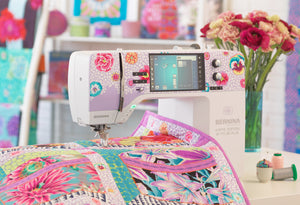

We Love Our Quilting Community
At High Country Quilts we care deeply about community. With our experiences in retail, we know that a store is not only a place to shop but also a place for the community to gather and share. During this busy...


Dreaming of a first quilt, but worried that one wrong cut will wreck the whole project? That's the gap most beginner guides miss. An easy quilting pattern isn't just pretty, it's forgiving, uses repeatable units, and lets you learn the basics without needing a studio full of specialty tools. In quilting history, that practical approach has deep roots in the patchwork tradition that grew especially strong in 19th-century North America, where quilters leaned on squares, half-square triangles, and strip sets to make construction repeatable, and modern pattern writing still follows that logic by breaking quilts into components and using yardage math based on a 40-inch width of fabric and even a 10-inch binding wiggle room (Meadow Mist Designs).
For a newcomer, that matters more than fancy design language. Beginner-friendly quilts are usually built to reduce cutting mistakes, use a 1/4-inch seam allowance, and keep assembly predictable, which is why you'll see patterns that rely on repeated blocks, pre-cuts, and straightforward layout rather than custom drafting (Prima quilting guide). If you're shopping at High Country Quilts, you can pair that kind of project with beginner classes, BERNINA support, and fabric choices that make the whole process feel manageable from the first cut to the last stitch.
If your goal is a quick win, Hoop Quilts for Beginners is one of the friendliest ways to start. It gives you 15 quick, hoop-framed wall hangings, so you're not committing to a full bed quilt before you've built confidence. The format is small on purpose, and that's the point: less fabric, less layout stress, and a finished piece you can hang up right away. You can explore the product page for Hoop Quilts for Beginners, and if you like guided learning, the matching UGC creator course is a natural companion for teaching or sharing your progress.
This book makes beginners feel successful fast because each project is narrow in scope. Instead of wrestling with a big quilt sandwich, you can practice piecing, applique-like framing, or decorative finishing in a format that's easy to manage on a small table. That kind of setup is especially helpful if your sewing space is limited, or if you're trying to learn during a community class at High Country Quilts.
The hoop format keeps the project portable, which matters when you're still learning how to move fabric through a machine without tugging. It also encourages repeat practice, since you can make one hoop, then try another with a different fabric pairing. If you're using a BERNINA machine, this is a nice place to test stitch control on a smaller surface before you take on a larger quilt top.
Practical rule: if a beginner project can be finished without clearing the dining room table for three days, it's probably the right kind of project to start with.
Best for: first-timers, gift makers, class students, and anyone who wants decorative results without a huge time commitment.
Tradeoff: it's not a full quilt pattern system, so if you're looking for a bed-size finish, you'll outgrow it quickly.
The Fat Quarter Shop is one of the easiest places to browse when you want a pattern that won't bury you in guesswork. Their library includes lots of beginner-friendly, precut-friendly projects, plus many free PDFs and video support that can take the fear out of your first quilt. That mix is especially useful if you want to start with a stash bundle instead of cutting yardage from scratch. Visit the site at Fat Quarter Shop, and if you're building a creator workflow around quilting projects, the UGC creator platform guide can help you think about how projects get shared and documented.
The appeal here is consistency. Many of their patterns are laid out with clear sizing and fabric requirements, which lines up with the way easy quilt patterns are often written, as repeatable units with straightforward arithmetic. For a beginner, that means less backtracking at the cutting mat and fewer surprises when it's time to assemble blocks.
A good example of the shop's style is the Fat Quarter Fizz throw pattern, which uses 20 fat quarters and a simple layout. That's the kind of project that teaches block organization without asking you to invent the math yourself, which is exactly what a newcomer needs.
The downside is that the design style leans traditional, so if you want a very modern look, you may need to browse a bit longer. Still, for a first quilt, clear instructions and accessible support usually matter more than style preferences.
If you want to learn by watching, Missouri Star Quilt Company is one of the most approachable pattern libraries online. Their patterns are built around squares, rectangles, and other simple units that work well with charm packs or layer cakes, so beginners don't have to wrestle with complicated cutting plans. Start with the main shop at Missouri Star Quilt Company, then use their pattern pages and tutorial links together so you can see how a quilt goes from bundle to block.
That video-plus-pattern structure matters. A written pattern gives you the map, but a tutorial shows you what the seams should look like as you go. For someone learning how to sew accurate 1/4-inch seams, match edges, and keep rows aligned, that extra visual guidance can make the difference between frustration and momentum.
The house style here is generally traditional, and that can be helpful for beginners. Traditional layouts usually rely on repeatable block construction, which means you get plenty of practice with the same steps instead of learning a dozen different techniques in one quilt.
The site is especially useful when you want a pattern that scales. A small baby quilt can teach the same construction logic as a bigger throw, so once you understand the block, you can keep growing into larger projects. If you're working in a High Country Quilts class, this kind of structure makes it easy to compare notes with other students because everyone is building from the same repeatable base.
You'll also find that many of the pattern pages are laid out with finished size and supplies right where you need them. That saves time and helps you decide whether you're ready for a quilt top, or whether you should start with a smaller piece first.
The easiest quilt isn't always the simplest-looking one. It's the one that keeps the same construction rhythm from the first block to the last.
For a first project, that rhythm is gold.
AllPeopleQuilt, the home of American Patchwork and Quilting content, feels like a library built by editors who understand that new quilters need both patterns and technique help. The site gathers Beginner Quilts and Quick & Easy collections in one place, then adds how-to articles on cutting, pressing, and binding. That makes it a strong choice if you want one source that teaches both the project and the process. Visit AllPeopleQuilt.
What makes this site stand out is editorial vetting. Instead of hunting through random blogs, you're working with a source that treats patterns as finished teaching tools. That matters for beginners because a clear pattern does more than tell you what to sew. It also shows you how to prepare your fabric, organize your pieces, and finish the quilt with fewer surprises.
The tradeoff is navigation. The site has a lot going on, so a brand-new quilter may need a few extra clicks to find the easiest path. Still, if you're willing to look around a little, you'll find a nice balance of free projects, magazine content, and skill-building articles.
The big advantage is that it does not separate project from technique. If you're unsure about pressing seams open versus nesting them, or if you want a reminder on binding basics, the site gives you support in the same place as the pattern. That is exactly what beginners need while they learn the rhythm of quilting, one step at a time.
A shop like High Country Quilts can make this even easier by pairing an AllPeopleQuilt project with in-store fabric selection and a class where someone can walk you through the first few seams. That local support matters. A beginner often needs one real person to confirm that the seams, edges, and block order are all making sense.
For a first or second quilt, this source is strong when you want more than a download. You want a teacher built into the reading experience.
If you like modern quilts but still want beginner-level clarity, Suzy Quilts is a great place to browse. The patterns have a clean, contemporary look, and the PDFs are known for diagrams, multiple sizes, and extra planning tools like coloring sheets. Start with Suzy Quilts, and if you're exploring how makers use guided collaborations and applications around projects, the gifted collaboration application page gives you another angle on how creative work gets shared.
This is one of the best sources for beginners who don't want their first quilt to look old-fashioned. The designs still tend to use repeatable construction, but the finished results feel current, which can make the whole learning process more exciting. The patterns are also helpful if you like to plan before you cut, because the coloring sheets let you test fabric placement in advance.
There's a catch, though. Some patterns are labeled moderate, so you can't rely on the modern look alone. You'll want to read the difficulty tag before you buy. That said, the detail level in the instructions usually helps lower the stress once you're in the sewing room.
Look for patterns that use larger pieces and a limited fabric count. That aligns with the beginner rule of fewer seams, fewer intersections, and fewer opportunities for drift at the machine. It also pairs well with learning on a BERNINA, since a stable stitch path and a reliable 1/4-inch seam can make these modern shapes come together cleanly.
A pattern can look advanced on the wall and still be very friendly at the cutting mat if it's built from repeated units.
That's the Suzy Quilts sweet spot. The designer-led instructions do a lot of the hand-holding for you, which is helpful when you're learning how to trust your measurements and your seams at the same time.
Riley Blake Designs is a smart stop when you want free patterns and fabric-driven inspiration in one place. The brand offers a searchable library of downloadable quilt patterns, and many are sized for familiar pre-cuts like 10" stackers, 5" stackers, and jelly rolls. For a beginner, that cuts down on planning stress because the fabric format and the pattern often line up from the start. Browse their library at Riley Blake Designs, and if you're curious about how fabric collections and sharing campaigns are handled in a broader creator ecosystem, the influencer outreach service page offers a related perspective.
The biggest advantage is accessibility. Many of the downloads are free, and the formatting is consistent enough that once you understand one Riley Blake PDF, the next one feels familiar. That consistency matters when you're still learning how to interpret cutting charts, assembly diagrams, and fabric placement.
These patterns also make good sense for simple patchwork or panel-based projects. If you're the kind of beginner who wants the top to come together without lots of tiny pieces, this library gives you options that stay approachable. The designs are often tied to fabric collections, so the visual examples are already built into the pattern pages.
Riley Blake patterns can assume that you already know some quilting language. They're free, but they're not always the most hand-holding of the bunch. If you're brand-new to rotary cutting, seam allowance, and block assembly, it helps to read the pattern once before you buy fabric so you know what skills it expects.
That said, the free access is a real advantage. You can try a few different looks without spending much, then choose the one that feels least intimidating. That's a smart way to shop if you're learning at your own pace and building confidence one quilt at a time.
For a first project, their precut-friendly layouts give you a clean path from fabric selection to finished top without a lot of complication.
Need a beginner pattern that feels like a class instead of a scavenger hunt? WeAllSew, BERNINA's official blog, is a strong place to begin. It offers free beginner patterns, printable PDFs, quilt-alongs, and lesson-style posts that walk you through the process one step at a time. Visit WeAllSew for those resources, especially if you want a source that feels organized from the start.
This site is especially helpful for quilters who sew on BERNINA machines, because the guidance speaks to the machine as well as the pattern. That matters when you are still sorting out stitch settings, piecing, and quilting setup. A pattern source that also explains how the machine should behave can save you a lot of confusion at the cutting mat and at the presser foot.
The Nona Quilt quilt-along shows that teaching style well. You get a printable pattern plus step-by-step posts, which gives a newcomer a clearer path than a lone PDF with no support. It is the kind of project that helps you build confidence in the same way a good sewing teacher does, one manageable step at a time.
Beginner quilters often focus on the fabric and the layout, then feel stuck once the machine comes into play. Machine guidance gives you a steadier start, because quilting on a domestic machine asks for a few adjustments that piecing alone does not. A beginner guide from Gathered recommends checking tension, choosing the right foot, adjusting stitch length for quilting rather than piecing, and using about 10 to 12 stitches per inch with the width of the machine foot or a quilting guide to keep lines evenly spaced. That is the kind of practical instruction that matches what WeAllSew does well.
For a newcomer, that advice is easier to use when it comes packaged with a pattern. You can read the steps, set up the machine, and then sew the quilt with fewer guesswork moments. It also helps to remember that quilting is a sequence of small decisions, like using the right fabric strip, setting the seam allowance, then checking your stitch length before you keep going.
The site's catalog is smaller than a large retailer's, and that can make it easier to learn from. You are not sorting through a crowded library of unrelated projects. You are following a curated path built around machine use and technique growth, which is a good fit for the High Country Quilts customer who wants a first quilt and a clearer understanding of how the machine should work.
| Item | Implementation Complexity 🔄 | Resource Requirements ⚡ | Expected Outcomes 📊 | Ideal Use Cases 💡 | Key Advantages ⭐ |
|---|---|---|---|---|---|
| Hoop Quilts for Beginners | Very low, step‑by‑step for novices 🔄 | Minimal (small fabric, hoops, basic tools) ⚡ | Small hoop‑framed wall hangings; quick finishes 📊 ⭐⭐⭐⭐ | New quilters, classes, portable gift projects 💡 | Fast, low‑commitment projects; beginner‑focused instructions ⭐⭐⭐⭐ |
| Fat Quarter Shop | Low–Medium, patterns with video support 🔄 | Moderate (fat quarters or precuts, standard tools) ⚡ | Throw/lap quilts and fast projects; predictable results 📊 ⭐⭐⭐⭐ | Beginners wanting precut‑friendly patterns and video help 💡 | Large free library, paired tutorials, precut filters ⭐⭐⭐⭐ |
| Missouri Star Quilt Company | Low, simple block patterns with direct videos 🔄 | Moderate (charm packs/layer cakes or precuts) ⚡ | Baby to throw quilts; easily scalable projects 📊 ⭐⭐⭐ | Beginners using precuts and visual learners 💡 | Video‑pattern pairing; precut‑optimized designs ⭐⭐⭐ |
| AllPeopleQuilt (American Patchwork & Quilting) | Low–Medium, curated, tested instructions 🔄 | Variable (free + magazine/exclusive content) ⚡ | Well‑tested projects and technique development 📊 ⭐⭐⭐⭐ | Learners seeking vetted techniques and variety 💡 | Editorially tested patterns; strong how‑tos and collections ⭐⭐⭐⭐ |
| Suzy Quilts | Low–Medium, very detailed PDFs and optional videos 🔄 | Moderate (paid patterns, fabric planning tools) ⚡ | Contemporary quilts in multiple sizes; polished outcomes 📊 ⭐⭐⭐⭐ | Beginners who prefer modern design and thorough guidance 💡 | Clear diagrams, coloring sheets, detailed instruction ⭐⭐⭐⭐ |
| Riley Blake Designs | Low, straightforward free patterns for precuts 🔄 | Minimal (free PDFs; precuts optional) ⚡ | Simple patchwork/panel quilts; fabric‑collection looks 📊 ⭐⭐⭐ | Budget‑focused beginners and precut users 💡 | Large free pattern library; consistent formatting ⭐⭐⭐ |
| WeAllSew (BERNINA) | Very low, sequenced quilt‑alongs and lessons 🔄 | Minimal–Moderate (machine tips, printable PDFs) ⚡ | Skill progression with machine‑friendly finished quilts 📊 ⭐⭐⭐⭐ | True beginners wanting structured lessons and machine guidance 💡 | Structured quilt‑alongs; machine‑specific technique tips ⭐⭐⭐⭐ |
You've got seven solid places to find an easy quilting pattern, and the best part is that each one solves a different beginner problem. Some sources help you start small with a hoop project, some give you free downloads, and others pair the pattern with video lessons or machine-specific guidance. That variety matters, because the easiest quilt for one person might be the most frustrating one for another if the fabric count is too high, the pieces are too tiny, or the finishing method is too ambitious.
If you're choosing your first project, keep the decision simple. Look for fewer, larger pieces, a limited fabric count, and clear instructions that tell you exactly how the blocks go together. Beginner quilt guidance consistently points toward repeatable units, simple arithmetic, and methods like chain piecing and 1/4-inch seams, because those choices reduce cutting errors and make the whole process feel more manageable (Meadow Mist Designs, YouTube beginner quilt tutorial, Prima quilting guide). If you're unsure, start smaller than you think you need. A baby quilt, wall hanging, or pre-cut project can teach you the same core skills without the pressure of a large finish.
I also recommend thinking about completion burden, not just pattern shape. A pattern that looks simple on the cover might still expect rotary cutting confidence, precise seam matching, or a specific finishing setup. A beginner-friendly choice tells you what you need to know before you cut, sew, and press, and it leaves room for normal first-project mistakes without making you start over.
At High Country Quilts, we love helping beginners find the right match between pattern, fabric, and machine. If you're in Colorado Springs, bring your idea, your questions, or even just your favorite fabric pull, and we'll help you turn it into a project that feels doable.
Start your first quilt with support that makes the process easier. Visit High Country Quilts in Colorado Springs for beginner-friendly fabrics, precuts, notions, BERNINA expertise, and classes that help you turn an easy quilting pattern into a finished project you'll be proud to show off.
At High Country Quilts we care deeply about community. With our experiences in retail, we know that a store is not only a place to shop but also a place for the community to gather and share. During this busy...

Hi! We’re Adam and Renee Wheaton, the new owners of High Country Quilts! For more than 40 years, we’ve owned and operated vacuum and sewing businesses. Following in Renee’s father’s footsteps after he retired from All Discount Vacuum and Sewing in Colorado...


Leave a comment