
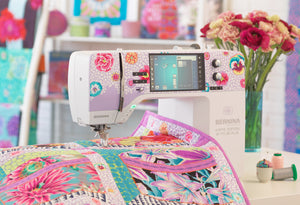

We Love Our Quilting Community
At High Country Quilts we care deeply about community. With our experiences in retail, we know that a store is not only a place to shop but also a place for the community to gather and share. During this busy...


Whether you're threading a needle for the first time or are a seasoned pro searching for your next challenge, the world of do it yourself sewing projects is rich with opportunity. This guide is your definitive resource for turning fabric into functional art, personalized fashion, and memorable gifts. We've curated ten distinct categories of projects, offering something for every skill level and interest.
You'll discover everything from intricate cosplay costumes designed to make an impact to beautiful patchwork quilts that add warmth and character to any home. Our list also covers custom apparel, unique bags and accessories, and even specialized projects for events or working with tricky fabrics like knits and minky.
Each project idea is presented with clear details on difficulty, estimated time, and the materials you'll need to get started. Our goal is to provide a practical roadmap that inspires you to create with confidence. Let’s explore these exciting sewing adventures and find the perfect project to bring your creative vision to life.
Creating your own cosplay costumes is one of the most rewarding do it yourself sewing projects you can undertake. This practice involves bringing characters from movies, anime, and video games to life through meticulously crafted outfits. It goes beyond simple sewing, often incorporating pattern drafting, complex construction, and even non-fabric elements like armor or detailed accessories. This is your chance to perfectly replicate a beloved character's look for conventions, photoshoots, or themed events.
Cosplay allows for immense creativity and skill development. You learn to work with diverse materials, from delicate silks for a Disney princess gown to sturdy canvas for a superhero's tactical gear. Each project is a unique puzzle, pushing you to master new techniques and problem-solve on the fly. Showcasing your work can also be a community-building experience, connecting you with fellow fans and creators. Many cosplayers even find opportunities on UGC creator platforms to partner with brands.
Quilting is a timeless craft that stands out among do it yourself sewing projects for its blend of artistry and precision. This traditional technique involves piecing together small cuts of fabric to form a larger design, known as the quilt top. This top layer is then sandwiched with batting and a backing fabric, and all three layers are stitched together in a decorative pattern, a process called quilting, to create durable and beautiful items like blankets, wall hangings, and home decor.
Quilting is incredibly versatile, offering projects for every skill level, from a simple baby quilt to an intricate, bed-sized masterpiece. It teaches essential sewing skills like precise cutting, accurate seam allowances, and pressing, which are foundational for all other sewing endeavors. The process is meditative and offers a wonderful way to play with color and pattern. It’s also an excellent way to use up fabric scraps, turning leftover material into a functional work of art.
Venturing into garment construction is a cornerstone of do it yourself sewing projects, allowing you to create custom-fit apparel from scratch. This area involves transforming flat fabric into wearable items like dresses, shirts, and trousers by following a pattern. It requires a solid understanding of fabric drape, precise seam construction, and professional finishing techniques. Building these core skills lets you move beyond simple crafts to produce high-quality clothing tailored perfectly to your measurements.
Creating your own clothes offers ultimate control over fit, fabric, and style, something that is often hard to find in retail stores. This process is deeply rewarding, as each finished garment is a tangible result of your skill and patience. As you progress from simple tops to complex tailored jackets, you build a versatile and practical skill set that can last a lifetime. Many creators who develop a unique style even find success promoting their work and teaching others through online courses.
Designing and creating your own bags and accessories is one of the most practical do it yourself sewing projects available. This area of sewing focuses on building functional items like tote bags, cosmetic pouches, wallets, and travel organizers. It involves skills beyond basic garment construction, such as creating structure with interfacing, installing hardware like zippers and clasps, and adding personalized embellishments. This is a chance to create durable, custom items perfectly suited to your needs.

Bag making is incredibly satisfying because it results in a tangible, useful product. These projects are an excellent way to master intermediate techniques like inserting gussets, topstitching, and working with heavy-duty materials like canvas or faux leather. Unlike clothing, bags do not require complex fitting, making them more forgiving for sewers building their confidence. The rise of indie makers on Etsy and dedicated pattern designers like Swoon Patterns has created a vibrant community and a wealth of resources for aspiring bag makers.
Customizing your living space is one of the most practical applications for do it yourself sewing projects. This category includes creating soft furnishings like pillows, curtains, and tablecloths that bring personality and comfort to any room. It allows you to produce high-quality, perfectly coordinated items that match your exact style, often for a fraction of the cost of store-bought goods. You can control everything from fabric choice to size and finishing details.

Home décor projects offer a satisfying blend of creativity and function, with finished items you can use and admire daily. These projects are fantastic for learning fundamental skills like sewing straight lines, installing zippers, and hemming, which are applicable to many other sewing endeavors. The ability to sew your own textiles also gives you total design freedom, which is why so many interior design influencers partner with brands through an influencer outreach service to showcase unique fabrics and patterns.
Adding intricate hand or machine embroidery is one of the most artistic do it yourself sewing projects available, allowing you to transform plain fabric into a personalized masterpiece. This technique involves using thread to create designs, lettering, and textures on clothing, accessories, and decor. Whether you're monogramming a towel, adding floral details to a denim jacket, or creating standalone hoop art, embroidery offers a quiet, mindful way to add a unique touch to any textile project.

Embroidery is incredibly versatile and can be as simple or complex as you desire. It serves as a fantastic introduction to needlework for beginners while also offering endless challenges for seasoned artists. This craft enhances other sewing projects, turning a basic handmade item into a thoughtful, customized gift. The process itself is often described as therapeutic, providing a calming activity that results in a beautiful, tangible piece of art you can display or wear with pride.
Breathing new life into old materials is one of the most sustainable and creative do it yourself sewing projects available. This approach involves transforming discarded clothing, fabric scraps, and household textiles into entirely new, functional items. It is a fantastic way to reduce waste and create unique pieces, such as turning a collection of old t-shirts into a memory quilt or repurposing worn-out jeans into a durable tote bag. This practice is both budget-friendly and environmentally conscious.
Upcycling challenges you to see the potential in items you might otherwise throw away, fostering ingenuity and resourcefulness. It's a wonderful way to preserve sentimental fabrics, like turning a parent's old shirts into a child's dress or a beloved blanket into a set of throw pillows. The sustainable fashion movement and creators on platforms like TikTok have popularized these projects, showcasing how ethical choices can be stylish and personal.
Crafting custom clothes and toys for little ones is one of the most heartwarming do it yourself sewing projects available. This area of sewing involves making everything from practical baby bibs and sleep sacks to whimsical toddler dresses and soft, huggable stuffed animals. It's a fantastic way to create unique, personalized gifts or even start a small business, offering handmade items that are both beautiful and safe for children.
Creating for children offers a special kind of fulfillment. You can select soft, high-quality, and child-safe fabrics, ensuring the final product is comfortable and durable. The projects are typically smaller, making them quicker to complete and perfect for using up fabric scraps. For those with an entrepreneurial spirit, handmade children's items are consistently popular, and many sellers find success working with influencer gifting platforms to promote their unique creations to a wider audience.
Tackling specialty fabrics like stretch knits, minky, and athletic materials is one of the most empowering do it yourself sewing projects a sewist can attempt. These fabrics behave differently than standard wovens, requiring special needles, stitches, and handling techniques to prevent puckering, stretching, or skipped stitches. Mastering these materials opens up a new world of garment creation, from cozy baby blankets and sweatshirts to high-performance leggings and swimwear.
Working with specialty fabrics significantly expands your sewing capabilities. You’ll learn how to manage stretch and recovery, which is essential for creating comfortable, well-fitting activewear and modern apparel. The skills gained from these projects, like using a ballpoint needle or a stretch stitch, are directly transferable to many other areas of sewing. Understanding different fabric weaves is also crucial; for instance, learning about unique patterned textiles like What is Jacquard fabric can inform your material choices for more complex projects.
Crafting wedding gowns, bridesmaids' dresses, or other formal attire is one of the most advanced and rewarding do it yourself sewing projects an experienced sewer can attempt. This venture requires precision tailoring, an understanding of luxury fabrics, and detailed embellishment work. From a custom wedding dress to a perfectly fitted mother-of-the-bride outfit, these projects demand the highest level of skill and attention to detail, resulting in a truly unique and memorable garment.
Creating formal wear allows you to work with beautiful, high-end materials like silk, satin, and lace, pushing your technical abilities to new heights. The satisfaction of constructing a garment for a major life event is immense, offering a deeply personal touch that store-bought pieces cannot match. Success in this area can also open doors to professional opportunities, from creating custom pieces for clients to building a portfolio that could lead to gifted collaborations with brands.
| Project | Implementation Complexity 🔄 | Resource Requirements ⚡ | Expected Outcomes 📊 | Ideal Use Cases 💡 | Key Advantages ⭐ |
|---|---|---|---|---|---|
| Custom Cosplay Costumes | High — multi-disciplinary (patterning, props, armor) | High — specialty fabrics, tools, time, cost | Event-ready, high visual impact and accuracy | Conventions, photoshoots, commissions | Creative expression, social visibility — ⭐⭐⭐⭐ |
| Quilting and Patchwork Projects | Medium — precision cutting & piecing; quilting skills | Medium — large fabric yardage, rotary tools, quilting equipment | Durable, heirloom-quality textiles; meditative process | Home quilts, gifts, guild projects | Strong scrap use, pattern variety — ⭐⭐⭐⭐ |
| Apparel and Garment Construction | Medium–High — fit, drape, complex finishes | Medium — varied fabrics, notions, muslin for fittings | Custom-fit wearable garments; cost-effective long-term | Everyday wear, tailored pieces, wardrobe building | Perfect fit, skill progression — ⭐⭐⭐⭐ |
| Bag and Accessory Design | Medium — structured construction, hardware installation | Low–Medium — interfacing, hardware, sturdy fabrics | Functional, sellable items; relatively quick completion | Gifts, small business products, practice projects | High perceived value, low waste — ⭐⭐⭐⭐ |
| Home Décor and Textile Projects | Low–Medium — basic seams to large-scale installs | Medium — large fabric quantities, installation tools | Immediate room transformation; customizable décor | Curtains, pillows, table linens, seasonal updates | Fast impact, beginner-friendly — ⭐⭐⭐ |
| Embroidery and Decorative Stitching | Low — hand or machine techniques; detail work | Low — threads, hoops, stabilizers; portable | Personalized embellishments; elevates basics | Monograms, clothing accents, small art pieces | Highly customizable, low cost — ⭐⭐⭐ |
| Upcycled and Repurposed Sewing Projects | Low–Medium — deconstruction and creative assembly | Low — reused materials, minimal new purchases | Unique, sustainable items; reduced textile waste | Budget projects, eco-focused designs, patchwork | High sustainability, low material cost — ⭐⭐⭐⭐ |
| Children's Clothing and Soft Toys | Low–Medium — small-scale with safety needs | Low–Medium — child-safe fabrics, reinforced notions | Quick, high-value gifts; potential small business items | Baby gifts, boutique items, daycare needs | Fast projects, emotional value — ⭐⭐⭐ |
| Specialty Fabric Projects (Stretch, Knit, Minky) | High — stretch handling, serger/needle skills | Medium–High — specialty fabrics, serger, needles | Professional, modern garments; expanded capabilities | Athleisure, swimwear, minky baby items | Enables modern wearable pieces — ⭐⭐⭐⭐ |
| Wedding and Event Costume Pieces | Very High — precision tailoring and embellishment | Very High — luxury fabrics, beading, fittings, time | Premium custom garments; portfolio and revenue driver | Weddings, formal events, bespoke commissions | High-margin, showcases advanced skill — ⭐⭐⭐⭐⭐ |
We’ve journeyed through a vibrant collection of do it yourself sewing projects, from the intricate details of a custom cosplay costume to the comforting charm of a handmade quilt. You now have a blueprint for creating everything from stylish apparel and unique bags to personalized home décor and adorable children's toys. The common thread weaving all these ideas together is the power of your own creativity and a willingness to learn.
The path from a simple bolt of fabric to a finished piece is a deeply personal one. It’s about more than just seams and stitches; it's about bringing an idea to life. Whether you are upcycling an old garment into something new or tackling specialty fabrics like knit and minky for the first time, each project offers a chance to build confidence and refine your technique. The key takeaway is to view every creation, regardless of its complexity, as a stepping stone.
Remember that the most important step is simply starting. Don't let the fear of imperfection hold you back from the joy of making.
Ultimately, the value of pursuing do it yourself sewing projects extends far beyond the finished item. It is a mindful practice that connects you to a long tradition of craftsmanship. It allows for self-expression, provides a sense of accomplishment, and results in meaningful, handmade items that you or your loved ones can cherish. The skills you develop in sewing are transferable, teaching patience, problem-solving, and attention to detail. So, look back at the projects we've explored, pick the one that speaks to you, and prepare to create something wonderful.
Ready to take your skills to the next level with expert guidance and a supportive community? At Famcut.com, we specialize in classes and patterns for all skill levels, with a special focus on cosplay and garment construction. Visit Famcut.com to find your next class and connect with fellow creators in the Atlanta area and beyond.
At High Country Quilts we care deeply about community. With our experiences in retail, we know that a store is not only a place to shop but also a place for the community to gather and share. During this busy...

Hi! We’re Adam and Renee Wheaton, the new owners of High Country Quilts! For more than 40 years, we’ve owned and operated vacuum and sewing businesses. Following in Renee’s father’s footsteps after he retired from All Discount Vacuum and Sewing in Colorado...


Leave a comment