
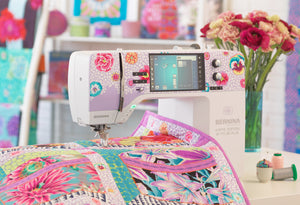

We Love Our Quilting Community
At High Country Quilts we care deeply about community. With our experiences in retail, we know that a store is not only a place to shop but also a place for the community to gather and share. During this busy...


Diving into quilting for the first time is incredibly exciting, but let's be honest—picking out your first machine can feel like a huge decision. The best sewing machines for quilting beginners are the ones that don't get in your way. They should feel like a natural extension of your hands, balancing simple, intuitive design with the core features you actually need.
Think less about a million fancy stitches and more about a machine with a generous throat space, a solid walking foot, and controls that make sense right out of the box. That’s what builds confidence.
Before you get lost in technical specs, take a breath. The perfect machine for you is the one that fits your budget and, most importantly, makes you want to sit down and create something beautiful. It shouldn't be a source of frustration.
This guide is designed to cut through the noise. We'll tackle the common worries new quilters have and focus on what’s truly essential, helping you understand the main types of machines so you can feel great about your choice.
It’s an amazing time to be a quilter. The craft is booming, with the U.S. quilting industry now pulling in $4.5 billion in revenue. A huge part of that energy comes from new creators, whose share of the quilting community is expected to grow from 11% to 18%. With most quilters spending 6 to 10 hours a week on their passion, it’s clear that having a reliable, user-friendly machine is more important than ever.
Getting a handle on the main categories of sewing machines is the best place to start. Each type has its own personality and strengths, depending on your goals and how you feel about technology. Think of this table as your initial roadmap.
| Machine Type | Best For | Key Feature |
|---|---|---|
| Mechanical | Beginners who want simplicity and durability without digital menus. | Controlled by manual dials and knobs for stitch selection. |
| Computerized | Crafters who appreciate push-button controls and automated features. | LCD screens, a wide variety of built-in stitches, and convenience functions. |
| Hybrid | Quilters seeking the best of both worlds—sturdy build with helpful tech. | Robust construction paired with useful digital features like speed control. |
Ultimately, choosing your path in quilting is a deeply personal and artistic journey. If you're looking to explore other creative avenues to complement your new hobby, you might find some great inspiration from these easy art ideas for adults.
Before we start comparing machines, let's talk about what actually makes a sewing machine good for quilting. It's a different beast than garment or craft sewing. Quilting means wrangling multiple, bulky layers of fabric, and that brings its own set of challenges. If you know what to look for, you can cut through the marketing noise and find a machine that will actually help you succeed.
The first thing I always tell new quilters to check is the throat space, sometimes called the harp. This is simply the open area to the right of your needle. A generous throat space—I'd say 6 inches or more is a good starting point—is absolutely critical for managing the bulk of a quilt.
Think about it: you're trying to feed a large, rolled-up quilt through that opening. If the space is too small, you're going to be fighting the fabric the entire time. It's a frustrating wrestling match that leads to bunched-up fabric and wonky stitches. Even for a simple lap quilt, having enough room to work makes a world of difference.
Next up: presser feet. Your machine will come with a standard foot, and that's perfectly fine for piecing your quilt top together. But when it's time to actually quilt the layers, you need a couple of specific tools. The two non-negotiables are a walking foot and a free-motion foot.
A walking foot is your best friend for any kind of straight-line quilting. It's a clunky-looking attachment, but it’s brilliant. It has its own set of feed dogs that grip the top layer of fabric and move it at the same speed as the machine's feed dogs are moving the bottom layer. This coordinated movement is what keeps all three layers of your quilt sandwich (top, batting, and backing) from shifting around, preventing those awful puckers and tucks.
Your other key tool is a free-motion foot, which you might also hear called a darning foot. This foot is designed for more creative, free-form quilting. It basically hovers just above the fabric, so you can move the quilt in any direction you want—you're essentially drawing with thread. You might not use this on your very first project, but having a machine that can use one opens up a huge world of creative possibilities down the road.
A common mistake is assuming a regular presser foot can handle quilting a quilt sandwich. A walking foot isn't a luxury; it's the key to preventing the frustrating fabric shifting that can ruin an otherwise beautiful quilt top.
Beyond the special accessories, the machine itself needs to have good bones. A sturdy, heavy frame (usually metal) is a huge plus. It provides stability, so the machine doesn’t vibrate or bounce around when it’s punching through thick layers. That stability is what gives you clean, even, and consistent stitch quality without skips.
I also highly recommend looking for a machine with variable speed control. This feature lets you slow things way down when you’re navigating a tricky corner or just getting the hang of a new technique. It gives you so much more precision. It’s like learning to drive—you wouldn’t want to be stuck at full speed all the time.
Finally, a feature that might seem small but you'll come to love: an automatic needle threader. Seriously. When you're swapping out thread colors or if a thread breaks, this little gadget saves a ton of time and frustration. These are the kinds of practical, real-world features that make the best sewing machines for quilting beginners a genuine pleasure to work with.
Now that you know what to look for, let’s see how different machines actually perform in the real world. Instead of just rattling off a list of features, we’re going to compare three distinct types of machines that are fantastic for anyone starting their quilting journey: the reliable mechanical workhorse, the feature-packed computerized model, and the do-it-all hybrid.
This isn't about which machine is "best" in a vacuum. The right machine for making small baby quilts might not be the one you'd want for tackling a king-sized masterpiece. We’ll get into the real-world trade-offs to help you find your perfect match.
Think of a mechanical machine as your trusty, no-fuss partner. It’s built for one thing: reliability. You control everything with manual dials and knobs, not a digital screen. For a beginner, this can be a huge plus—no complicated menus to get lost in, just straightforward stitch selection.
These machines are often built like tanks, with heavy metal frames that provide the stability you need for clean, consistent stitches through a thick quilt sandwich. They won't have hundreds of decorative stitches, but they absolutely nail the core functions of piecing and straight-line quilting. Their simplicity makes them less intimidating and incredibly dependable.
What really sets a mechanical machine apart is the tactile control. You physically turn a dial to choose a stitch, giving you a direct, hands-on connection to what the machine is doing. This approach is perfect for building foundational skills without the distraction of a digital interface.
This infographic gives you a quick visual breakdown of how price, stitch options, and machine weight compare across three representative beginner models.
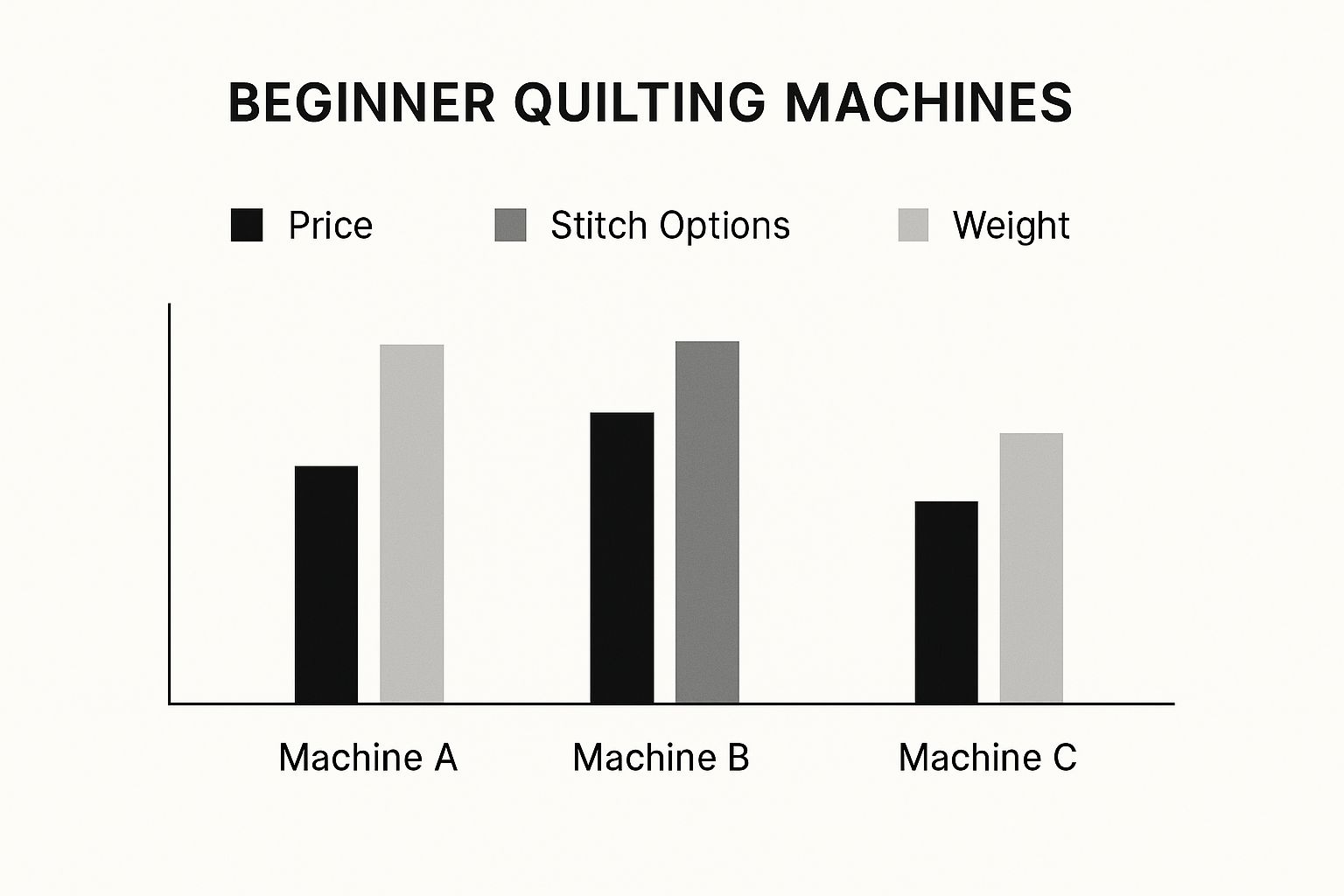
As you can see, when you jump from a mechanical to a computerized model, the stitch count and price tend to shoot up, while the weight might even go down due to different frame materials.
Computerized sewing machines are a huge leap forward in convenience and creative possibility. With their LCD screens, push-button controls, and massive libraries of built-in stitches, they automate a lot of the tasks that are manual on other machines.
For a quilting beginner, features like an automatic needle threader, a needle up/down button, and precise speed control can be absolute game-changers, cutting down on frustration in a big way. The needle up/down function is a quilter’s best friend—it lets you pivot at corners with the needle buried in the fabric, guaranteeing sharp, accurate turns without ever losing your spot.
This shift toward user-friendly tech isn't just a niche trend. The global sewing machine market was valued at around USD 4.56 billion, and it's no surprise that electric and computerized models hold the biggest slice of that pie at 44.8%. People want machines that offer precision and ease of use, which is a massive benefit for anyone just learning to quilt. You can discover more insights about sewing machine market trends and see firsthand how technology is shaping the craft.
Hybrid machines offer a compelling middle ground. They blend the robust, sturdy build of a mechanical model with some of the smartest features from a computerized one. You'll often find a solid frame paired with helpful digital touches like a small LCD screen, push-button speed control, and that all-important needle position button.
This combination is perfect for a beginner who wants room to grow. You get the reliable power needed to punch through dense layers, but you also get those quality-of-life features that make the whole process so much more enjoyable.
To bring this all together, let’s look at how these three machines would handle a few common quilting tasks.
To make things even clearer, here’s a table comparing three representative machines from each category. This will give you an at-a-glance idea of what you get at different price points and feature levels.
| Machine Model | Type | Key Quilting Features | Ease of Use Rating | Price Range |
|---|---|---|---|---|
| Singer Heavy Duty 4423 | Mechanical | Extra-high sewing speed, heavy-duty metal frame, drop feed for free-motion | Excellent | $200 - $300 |
| Brother CS6000i | Computerized | 60 built-in stitches, needle up/down, speed control, wide table attachment | Excellent | $250 - $400 |
| Janome HD3000 | Hybrid (Heavy-Duty Mechanical with some conveniences) | Heavy-duty build, built-in needle threader, jam-proof top-loading bobbin | Very Good | $450 - $600 |
Ultimately, choosing between these depends on your personal quilting goals, how comfortable you are with technology, and your budget. A mechanical machine is a fantastic and reliable place to start, while computerized and hybrid models offer more bells and whistles that can simplify quilting as your skills grow.
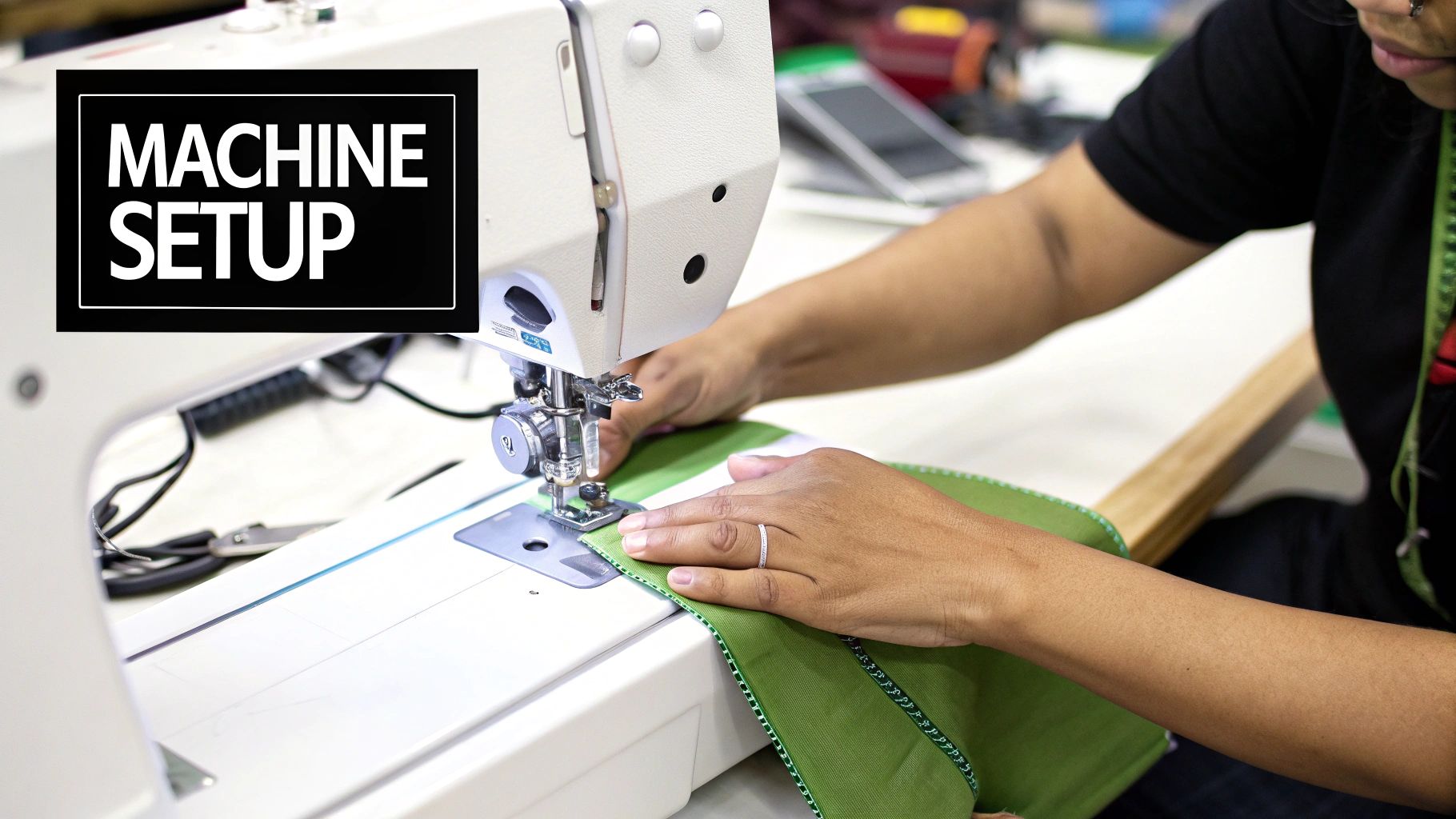
Alright, we've talked features and models, but now comes the most important part: figuring out which machine is truly your machine. It's less about the specs on paper and more about how a machine fits your budget, your goals, and even your personality. It's time to ask yourself what kind of quilter you want to be.
Are you dreaming of cozy afternoons making heartfelt gifts for family and friends? Or do you have a vision of entering your intricate work into the local quilt show? Your honest answer here is the key that unlocks the right decision.
Let's break down a couple of common quilting paths. See which one feels like you—it'll make it much clearer which features you should really be looking for.
It's not about buying the most expensive machine you can find; it's about buying the right machine for where you are and where you want to go. A Casual Crafter would feel totally overwhelmed by an advanced longarm, while an Aspiring Artisan would get frustrated with a basic model in a matter of months.
Ultimately, choosing one of the best sewing machines for quilting beginners is about finding a partner for your creativity. It should feel less like a complicated piece of machinery and more like an extension of your own hands, ready to bring your vision to life.
A fantastic machine is a great start, but it’s only half the story. What do you do when a weird error code pops up or it's time for a professional tune-up? This is where dealer support and a solid warranty—two things people often forget to consider—make all the difference.
When you buy from a dedicated dealer like High Country Quilts, you're getting more than just a machine in a box. You're getting a safety net. You have access to people with real expertise, hands-on classes to build your skills, and professional servicing. That peace of mind is priceless, especially when you're just starting out.
Don't forget to look at the community surrounding the brand, either. Active online forums, lively Facebook groups, and brand events are an endless source of inspiration and practical advice from quilters who have been where you are. This network means you're never really quilting alone, and it can turn a moment of frustration into a valuable learning opportunity.
You’ve finally picked your machine—now the real fun begins! Unboxing a new sewing machine can feel a bit overwhelming, but a few simple first steps will get you comfortable and ready to start your quilting journey on the right foot.
First thing’s first: master winding a bobbin. It seems small, but a bobbin that’s wound too loose or lumpy can lead to nasty thread nests and tension headaches down the road. Take a minute to follow your machine’s manual and aim for a bobbin that’s wound evenly and firmly.
Before you even think about touching your actual quilt, grab some scraps and make a practice "quilt sandwich." This little sample—just a small piece of your top fabric, batting, and backing—is the perfect playground to test your settings without any pressure.
Getting your setup just right is all about the little things. The needle and thread you choose can make or break your stitch quality, so they deserve your attention.
For most quilting, a universal or quilting needle in size 80/12 or 90/14 is a great place to start. A good rule of thumb is to start every new quilt with a fresh needle. You'd be surprised how quickly they dull, and a dull needle can lead to skipped stitches or even snag your fabric.
Key Insight: Don’t underestimate the power of a simple scrap quilt sandwich. This five-minute practice run allows you to perfect your machine's tension and stitch length before a single stitch goes into your actual quilt, preventing countless headaches.
When it comes to thread, you can’t go wrong with a good quality 100% cotton thread for both piecing and quilting. Since it behaves just like your cotton fabric, you can be sure your quilt will wear and wash beautifully for years to come.
The accessories that came with your machine are what really turn it into a quilting workhorse. The most important one by far is the walking foot. Getting the hang of attaching and using this foot is essential for making sure the layers of your quilt feed through the machine evenly, without any shifting or puckering.
A little bit of maintenance goes a long way in keeping your machine happy. After you finish a project, take a few moments to brush out any lint and dust from the bobbin area and around the feed dogs. This simple step prevents buildup that can throw off your stitch quality over time.
It's exciting to see how even beginner machines are benefiting from industry-wide improvements. While high-tech ultrasonic quilting machines are making waves in commercial production, the technology behind them often trickles down, leading to better automation and more intuitive features on the machines we use at home. You can discover more about these quilting machine innovations to see where the technology is headed.
Diving into the world of quilting machines can feel a little overwhelming, and it's totally normal to have a lot of questions. Getting good, clear answers is the first step to feeling confident and ready to start your quilting journey. Let's walk through some of the things new quilters ask most often.
Yes, absolutely! You can definitely start quilting with a standard sewing machine. In fact, most quilters start out this way, using their regular machine for piecing quilt tops and even doing some simple straight-line quilting.
But, you'll find that the best sewing machines for quilting beginners are built with specific features to handle the job better. Things like a wide throat space, a walking foot to feed fabric evenly, and a needle-down function make wrangling bulky quilt layers so much easier and less frustrating. While your basic machine will get you started, a quilting-focused model will help you grow your skills and get cleaner results, faster.
You don’t have to empty your wallet to get a fantastic machine. You can find a really solid, entry-level mechanical machine that’s perfect for quilting for somewhere between $200 and $350.
If you have a bit more to spend, computerized models with helpful quilting features usually start around $400 and can go up to $800. The most important thing is to choose a sturdy, well-made machine from a brand with a good reputation. A quality machine with basic functions will always serve you better than a flimsy one loaded with fancy stitches you'll never use.
Throat space (you might also hear it called the "harp") is simply the distance between the needle and the main body of the machine. This space dictates how much quilt you can roll up and fit into that area while you're sewing.
When you're quilting, generous throat space is a real game-changer. I’d recommend looking for a machine with at least 6 inches of space, as this gives you enough room to maneuver projects like lap or bed quilts without a constant battle. It keeps the quilt from getting bunched up and hard to guide, which is key for getting those nice, even stitches.
A common myth is that you only need a big throat space for massive quilts. The truth is, even on a small baby quilt, having that extra room to work freely saves your shoulders and dramatically improves the quality of your quilting, whether you're doing straight lines or free-motion.
Honestly? Yes. A walking foot is one of the most essential tools I recommend for any new quilter. When you try to quilt the three layers of your quilt "sandwich" with a standard presser foot, the top layer often gets pushed and stretched, leading to puckers and shifting.
A walking foot has its own set of feed dogs on top that work in tandem with the machine's feed dogs below. This dream team grips and pulls all three layers through at the exact same time. The result is perfectly flat seams, sharp points that actually match up, and a finished quilt that looks smooth and professional.
Ready to find the machine that will bring your quilting dreams to life? At High Country Quilts, our team is here to guide you through our hand-picked selection of beginner-friendly machines. We'll give you the hands-on training and support you need to start with total confidence.
At High Country Quilts we care deeply about community. With our experiences in retail, we know that a store is not only a place to shop but also a place for the community to gather and share. During this busy...

Hi! We’re Adam and Renee Wheaton, the new owners of High Country Quilts! For more than 40 years, we’ve owned and operated vacuum and sewing businesses. Following in Renee’s father’s footsteps after he retired from All Discount Vacuum and Sewing in Colorado...


Leave a comment