

We Love Our Quilting Community
At High Country Quilts we care deeply about community. With our experiences in retail, we know that a store is not only a place to shop but also a place for the community to gather and share. During this busy...


If you’re hunting for the best rotary cutter blades, the answer really depends on what you’re cutting. For most quilting and fabric projects, a 45mm tungsten steel blade is the go-to workhorse. But if you’re tackling thicker materials, a 60mm titanium-coated blade will power through them with ease. And for those tight, detailed curves? Nothing beats the precision of a 28mm steel blade.
The secret to a perfectly clean cut isn’t just your technique—it’s the blade itself. The right blade is the difference between a crisp, professional edge and the frustration of frayed fabric, skipped stitches, and a tool that dulls almost instantly. To pick a winner, you need to know what separates a decent blade from a great one.
Ultimately, your choice boils down to three things:
This guide will walk you through finding a blade that feels like it was made for your specific project. It’s also worth remembering that great tools are just one part of the creative process, much like having the essential art supplies for beginners sets you up for success in painting.
Rotary cutters might feel like a simple crafting tool, but the technology behind them is part of a massive global industry. The rotary cutters market was valued at USD 261.86 million in 2024 and is expected to keep growing. This demand isn't just from crafters; it’s driven by heavy-duty applications in sectors like large-scale agriculture, with industry giants like John Deere and Kubota pushing for innovation.
You can learn more about the rotary cutter market trends if you're curious. For us, this industrial context is great news—it means the engineering and material science that goes into industrial tools eventually trickles down, giving us access to stronger, sharper, and more durable blades for our creative projects.
Key Takeaway: Don't treat your rotary blade as an afterthought. It’s the single most important component for achieving professional-level precision. Investing in the right blade not only saves you time and reduces wasted fabric but truly elevates the quality of your finished work.
The diameter of your rotary cutter blade is a big deal. It directly affects how the tool performs—from navigating tight corners to bulldozing through thick fabric stacks. Picking the right size isn't about preference; it's about matching the blade to the job. The three most common sizes—28mm, 45mm, and 60mm—each have a specific role to play in your sewing room.
Knowing the strengths of each one is the key to getting clean, accurate cuts without the frustration. Let's dig into how these sizes stack up in the real world.
The 28mm blade is your detail specialist. As the smallest of the bunch, its compact size gives you incredible control, making it perfect for cutting sharp curves, tiny pattern pieces, and intricate appliqué shapes. Think of it as the fine-tipped pen in your toolbox—it’s what you grab for delicate work where a larger blade would just feel clumsy and awkward.
Of course, that small size comes with a trade-off. A 28mm blade just isn't built for long, straight cuts or slicing through more than a couple of layers of lightweight fabric. Its smaller circumference means it has to spin a lot more to cover the same distance, so it will dull much faster if you push it into heavy-duty tasks.
If there's one blade that belongs in every sewing kit, it's the 45mm. This size is the undisputed champion of versatility and by far the most common you'll find. It hits that sweet spot between precision and power, making it great for cutting straight quilting strips, tackling the gentle curves of garment patterns, and slicing through up to four layers of cotton without breaking a sweat.
Honestly, if you could only have one rotary cutter, this is the size to get. It’s the reliable default for almost any sewing, quilting, or crafting project you can think of.
Key Insight: For most quilters and garment sewers, the 45mm blade is the cornerstone of their cutting toolkit. It comfortably handles over 80% of everyday cutting tasks, from patchwork pieces to dress patterns, offering a perfect blend of control and efficiency.
The image below shows how different blade shapes are designed for specific cutting jobs.
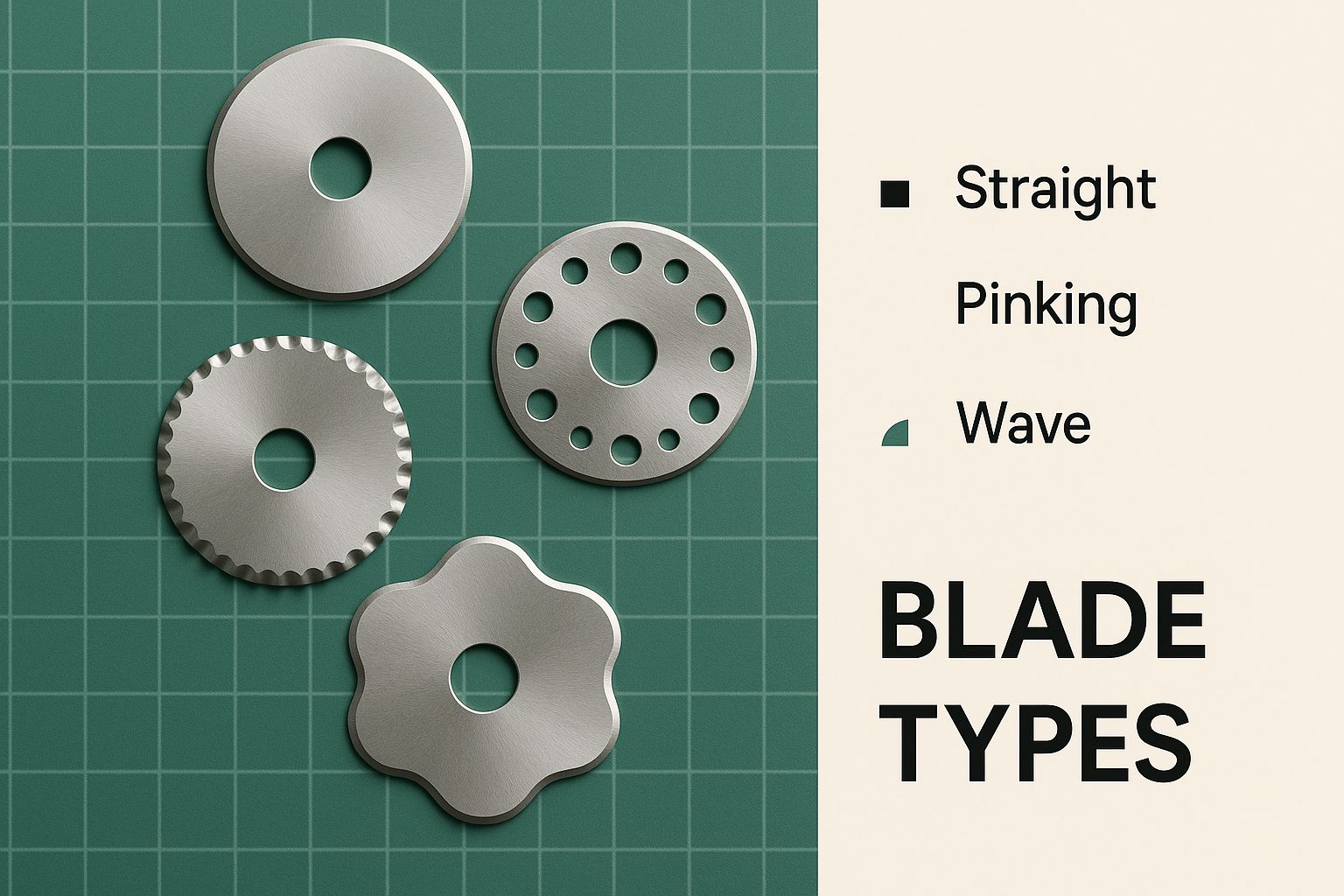
As you can see, the classic circular blade is just the beginning. There are specialized shapes out there for all kinds of unique cuts.
When the going gets tough, you need a 60mm blade. This is the powerhouse you reach for when cutting through thick materials like batting, fleece, denim, or canvas. Its large diameter gives you more leverage and a longer cutting edge, letting it glide through stacks of up to eight fabric layers with surprising ease.
This makes the 60mm blade a huge time-saver for batch-cutting quilting strips or prepping heavy fabrics for bags and upholstery. It’s a master of straight lines, but its large size makes it pretty cumbersome for anything with a curve.
To make things even clearer, here’s a quick guide to help you match the blade to your next project.
This table breaks down the best uses for each common blade size, so you can grab the right tool for the job every time.
| Blade Size | Best For Cutting | Ideal Projects | Key Advantage |
|---|---|---|---|
| 28mm | Intricate shapes, sharp curves, single layers of thin fabric. | Appliqué, miniature quilts, doll clothes, small pattern pieces. | Precision & Maneuverability |
| 45mm | Straight lines, gentle curves, up to 4-6 layers of cotton. | Quilting, garment making, general crafting, patchwork. | Versatility |
| 60mm | Thick materials, multiple layers (6-8+), long straight cuts. | Cutting quilting strips, batting, fleece, denim, canvas, upholstery. | Power & Efficiency |
Think of this as your cheat sheet. While the 45mm is your go-to for most things, having the other sizes on hand will make specific tasks faster, easier, and much more accurate.
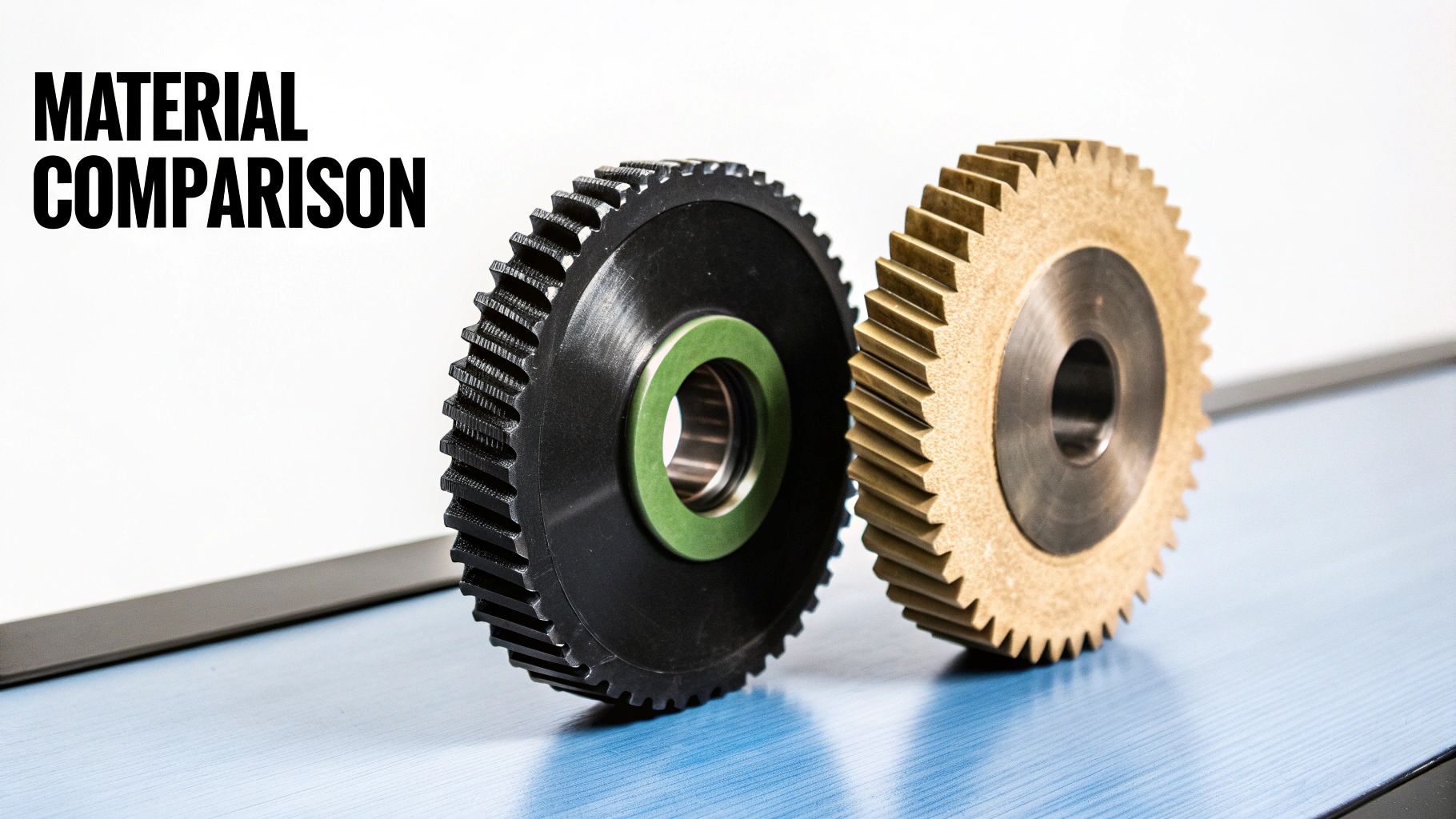
Beyond blade size, the material is the single biggest factor that will make or break your cutting experience. The type of steel used dictates everything—from its initial sharpness right out of the package to how long it can hold that razor-thin edge. Getting to know the differences is key to picking the right blade for your projects, helping you find that sweet spot between cost and performance.
Let's walk through the most common materials you'll find, starting with the workhorse options and moving up to the high-performance blades. Each has its own personality, suited for different crafters and cutting demands.
Most of the standard blades you’ll see are made from either high-carbon steel or a specific Japanese tool steel called SKS-7. There’s a good reason they're so popular: they hit a great balance of sharpness, durability, and affordability. For most everyday fabrics like cotton, flannel, or polyester, these blades give you a clean, reliable cut and are fairly easy to resharpen.
SKS-7 steel, in particular, is engineered for toughness, meaning it resists chipping and shattering. It’s a dependable choice for general-purpose cutting. If you're a hobbyist or someone who sews frequently, these blades offer fantastic value. Sure, they might dull a bit quicker than the premium stuff, but their low cost makes replacing them painless.
Ready for a serious upgrade? Look no further than tungsten carbide steel. Tungsten is an incredibly hard metal, and when it’s mixed with steel, the result is a blade that stays sharp for much, much longer than its high-carbon counterparts. Some crafters find that a quality tungsten blade can last up to five times longer.
That extra lifespan makes tungsten carbide a savvy investment for dedicated quilters, bag makers, or anyone cutting through stacks of fabric regularly. The upfront cost is higher, but you’ll save time and money by not having to swap out blades nearly as often. Plus, a blade that stays sharper longer means you don't have to press down as hard, which is a real blessing for your hands and wrists during marathon cutting sessions.
Expert Insight: The magic of tungsten carbide is its edge retention. You get consistently clean, precise cuts over a long period. This is a game-changer for patchwork, where even a tiny bit of fraying can throw off your entire block.
At the absolute top of the performance ladder, you'll find titanium-coated blades. Now, these aren't made of solid titanium. Instead, they're typically a high-quality steel blade (like SKS-7 or tungsten) that gets a super-thin, bonded coating of titanium nitride. This coating is what makes all the difference, boosting the blade's surface hardness and making it incredibly slick.
Here’s what that means for your cutting:
This type of technological leap isn't just happening in crafting. Similar advancements in heat treatment and coatings are boosting performance in other industries, like agriculture, where durable, wear-resistant blades are essential. You can see how this trend is playing out by exploring the rotary tiller blades market.
For professional crafters and quilters who depend on their tools day in and day out, titanium-coated blades are the ultimate investment in performance and durability.
Understanding the specs of different blades is a great start, but the real magic happens when you connect that knowledge to the projects sitting on your cutting mat. The best rotary cutter blade isn't just a sharp disc; it's a critical part of your creative toolkit, tailored to how you work.
Instead of hunting for a single "do-it-all" blade, I've found it’s far better to build a small, curated collection where each blade has a specific purpose. Let's walk through what this looks like for three common types of crafters. This way, you can see how different blades work together to make sure you always have the right tool for the job.
If you're a quilter, you know that accuracy is the name of the game. Every seam allowance counts, and getting clean, perfectly straight cuts is non-negotiable. Your workflow demands a blade that can go the distance during long cutting sessions but also handle the nimble work of detailed piecing.
Primary Workhorse: A 45mm titanium-coated blade is the absolute foundation of a quilter's toolkit. It has the endurance you need for cutting hundreds of strips and squares without giving up halfway through. That slick titanium coating also means less drag, which helps prevent your fabric from shifting and keeps those cuts ruler-straight.
Detail Specialist: For appliqué or tricky curved blocks (think Drunkard's Path), a 28mm standard steel blade is your best friend. Its smaller size gives you the control to gracefully navigate tight curves where a 45mm blade would feel clumsy and create flat spots.
With just these two blades, you're covered for almost any quilting project that comes your way. You get the marathon performance for the heavy lifting and the surgical precision for the fancy stuff.
Making clothes brings a whole different set of challenges. You’re dealing with everything from slippery silks to heavy wools, plus long, sweeping pattern pieces. A garment sewer needs a blade with enough muscle for thick fabrics and a few specialty tools for creating professional-looking seams.
Heavy-Duty Cutter: You’ll want a 60mm tungsten carbide blade in your corner for cutting through dense materials like denim, canvas, or wool coating. The larger diameter gives you the power and leverage to slice through those heavy textiles in one smooth pass, saving you time and preventing chewed-up, frayed edges.
Seam Finisher: A 45mm pinking blade is a game-changer for finishing seams on fabrics that love to unravel. It creates that classic zigzag edge that stops fraying in its tracks, giving your handmade garments a much more polished and durable finish on the inside.
Situational Tip: When working with slippery fabrics like chiffon or satin, grab a brand-new, factory-sharp 45mm SKS-7 steel blade. A fresh blade is crucial here—it will grip and slice through these tricky materials without snagging or pulling the grain out of whack.
The mixed-media artist is the ultimate creative explorer, cutting fabric one minute and leather, paper, or vinyl the next. This kind of versatility calls for a set of tough, reliable blades that are often dedicated to specific materials to keep them from dulling prematurely.
Paper and Cardstock Blade: Keep a 45mm high-carbon steel blade reserved only for paper. Cutting paper is notoriously hard on blades and will dull them much faster than fabric will. Having a dedicated, affordable blade for your paper crafts saves your pricier fabric blades from a needlessly short life.
Tough Materials Blade: For cutting things like leather, cork, or craft foam, a 45mm tungsten carbide blade is a must. It has the sheer durability to handle these abrasive surfaces without chipping or going dull after just a few projects. Its edge retention means you get consistent, clean cuts no matter what medium you throw at it.
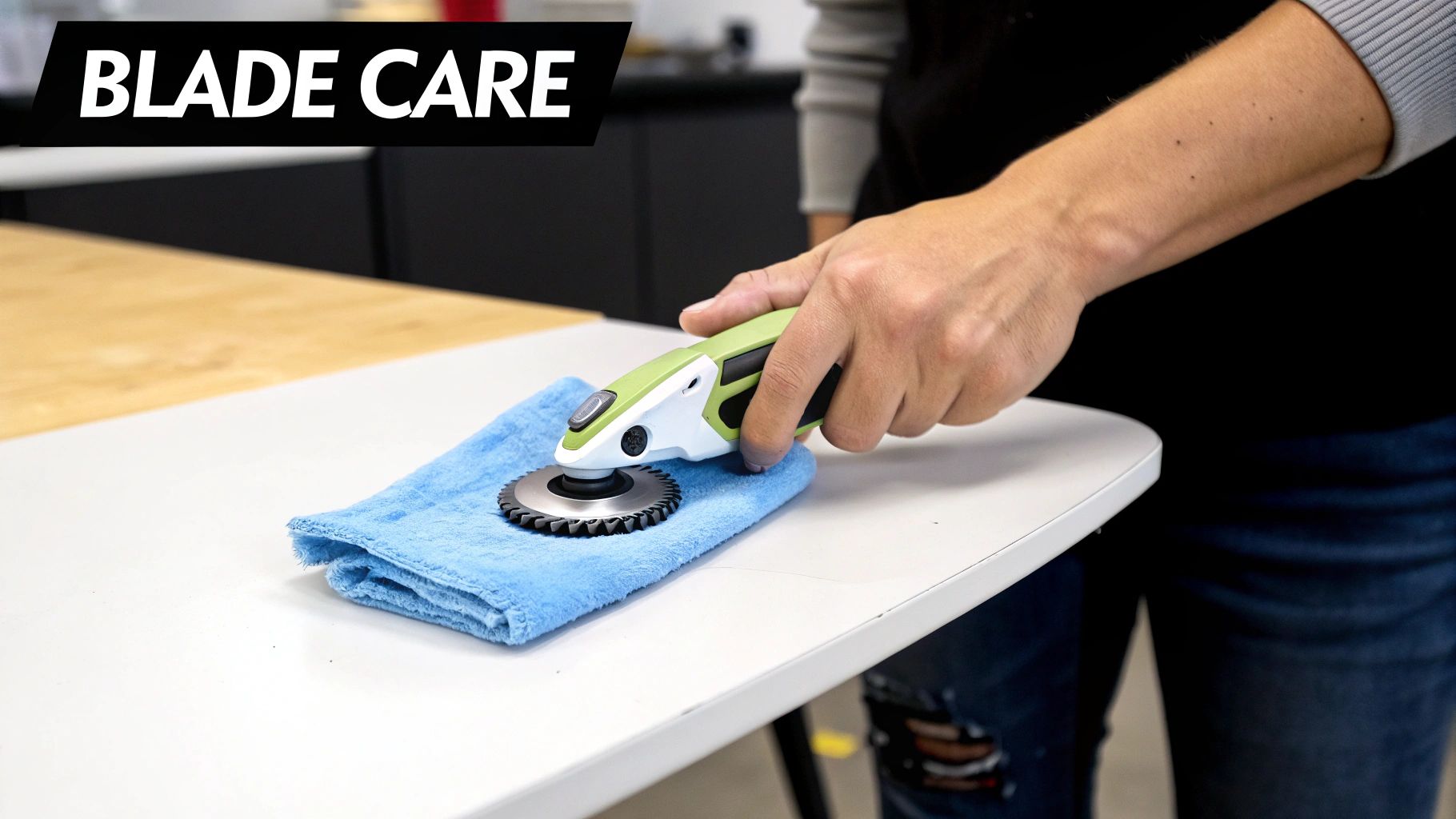
Getting your hands on a quality rotary cutter blade is a great start, but it's how you treat it that really makes the difference. With just a few simple habits, you can keep that blade cutting like new for much longer, saving you frustration and money while keeping you safe. It all boils down to your cutting surface and how you use the tool.
First things first: always use a self-healing cutting mat. No exceptions. Cutting on cardboard, wood, or even the floor will destroy your blade’s edge in an instant. Also, pay attention to your pressure. You don't need to force it; let the blade do the work with firm, consistent pressure. Pushing down too hard just wears out the blade faster and can make your cuts go wonky.
No matter how well you care for it, every blade has a lifespan. Pushing a dull blade is a recipe for disaster—it requires more force, which dramatically increases the chances of it slipping and causing an injury. You'll know it's time for a fresh blade when you see these classic signs.
Here’s what to look for:
A dull blade is a dangerous blade. More cutting accidents in sewing and quilting happen from forcing a worn-out blade than almost any other cause. A sharp edge isn't a luxury; it's a fundamental part of staying safe.
Recognizing these signs is critical. The need for blades that can hold an edge while being tough enough for heavy use isn't just a concern for us crafters. In huge industries like agriculture, blade performance is a massive factor in efficiency and equipment life. The growing demand in those fields just underscores how important high-performance cutting tools are everywhere. You can see more on the rear mount rotary cutter market on verifiedmarketreports.com.
When it's finally time to swap out that old blade, don't just toss it in the bin. Even a dull rotary blade is more than sharp enough to slice through a trash bag and cause a nasty cut. The best practice is to use a dedicated blade disposal case. If you don't have one, carefully slip the old blade back into its original plastic clamshell and tape it securely shut.
And for the most important tip of all: retract the blade guard the second you're done cutting. Make it a reflex. That one simple action can prevent so many accidents. By putting it all together—good technique, smart maintenance, and a little bit of caution—you’ll keep your tools in top shape for years.
Even when you've got the best blades on hand, a few questions are bound to come up mid-project. Getting those sorted out isn't just about fixing a snag; it’s about building a real feel for your tools and gaining confidence. Here, I'll tackle the most common questions I hear from fellow crafters, with straightforward advice to keep you cutting smoothly.
We'll cover everything from blade life to brand compatibility, clearing up any confusion so you can get back to creating.
This is the big one, and the honest-to-goodness answer is: it depends. There’s no magic number. A quilter who spends their days slicing through thick stacks of denim is going to wear out a blade worlds faster than someone who cuts single layers of cotton once a month.
Forget the calendar. The real skill is learning to spot the tell-tale signs of a dull blade.
Pay attention to these dead giveaways:
A Quick Word on Safety: Don't think of a sharp blade as just a performance issue. Pushing down hard on a dull blade is how slips happen, and that’s one of the biggest causes of injury with these tools. Make it a habit to change your blade at the first sign of dullness. It’s the smartest safety rule you can follow.
Generally, yes—especially when we're talking about the workhorse 45mm size. Most manufacturers have standardized their 45mm blades, so a blade from one brand will almost certainly fit into a cutter from another. This is great because it lets you experiment with different materials and coatings without being married to one company.
But don't assume this is true for every size. Once you get into less common sizes or specialty cutters from niche brands, you might find slight differences in the hub's hole size or the blade's thickness. Before buying a pack of blades, it's always smart to glance at the product description to make sure it’s compatible with your specific cutter.
This is a non-negotiable safety step. A blade that’s too dull to cut fabric is still more than sharp enough to slice through a garbage bag and injure you or a sanitation worker. Never, ever just toss a bare blade into the trash.
Here are a few safe and simple ways to handle disposal:
Choosing the best rotary cutter blades is the start, but knowing how to care for them—from the first cut to the final disposal—is what truly makes the difference. It’s how you guarantee every cut is safe, clean, and perfectly precise.
At Famcut.com, we provide the high-quality tools and materials you need to bring your creative vision to life. Explore our selection of premium sewing and cosplay supplies today. Learn more at https://famcut.com.
At High Country Quilts we care deeply about community. With our experiences in retail, we know that a store is not only a place to shop but also a place for the community to gather and share. During this busy...

Hi! We’re Adam and Renee Wheaton, the new owners of High Country Quilts! For more than 40 years, we’ve owned and operated vacuum and sewing businesses. Following in Renee’s father’s footsteps after he retired from All Discount Vacuum and Sewing in Colorado...


Leave a comment