
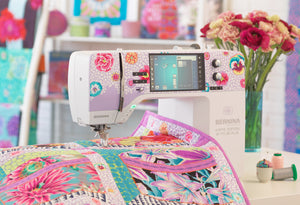

We Love Our Quilting Community
At High Country Quilts we care deeply about community. With our experiences in retail, we know that a store is not only a place to shop but also a place for the community to gather and share. During this busy...


You're probably standing in one of two places right now. You're either in a craft store aisle staring at pegs full of scissors, pins, rulers, and gadgets you don't recognize, or you're scrolling online trying to figure out why one “starter kit” looks like a toy and another looks like professional equipment.
That feeling is normal.
Most adults come to sewing with a clear goal and a fuzzy plan. You want to hem pants, make a pillow, sew a tote, try quilting, or finally learn the machine that's been sitting in a closet. Then the supply list gets noisy. Suddenly it seems like you need everything at once.
You don't.
Good beginner sewing kits for adults work because they narrow the field. They turn a pile of unfamiliar tools into a small, useful set you can learn. That matters in every hands-on craft. The same way makers build confidence step by step in creative skills like advanced 3D printing skills, sewing gets easier when you start with the right core tools and one realistic first project.
A new student often tells me the same story. They bought cheap scissors, a random packet of needles, a few spools of thread, and a pattern they loved. Then they got home and realized they didn't have chalk to mark the fabric, pins that behaved well, or a simple way to undo a crooked seam.
That's where frustration starts.

A beginner kit solves that problem by doing the editing for you. Instead of asking you to become an expert before you've sewn your first straight line, it gives you a sensible starting point. You learn what each tool does while you use it, not while you stand in front of a wall of products trying to guess.
Adult beginners usually want one of two things. They either want a dependable tool collection they can keep using, or they want enough supplies to finish one satisfying first project. Both are valid.
What doesn't help is a kit stuffed with novelty extras and missing the basics. A beginner doesn't need clutter. A beginner needs tools that make measuring, cutting, pinning, stitching, and fixing mistakes feel manageable.
Sewing gets fun faster when your tools remove confusion instead of adding to it.
If you're in Colorado Springs, there's another layer to this. Local makers often want supplies that can grow with them. Maybe you're sewing in a spare bedroom with mountain light in the morning and shadows by afternoon. Maybe you want to start with napkins and move into quilt blocks by winter. A smart first purchase should support that path.
The best first sewing experience isn't perfect. It's successful enough that you want to sit down and sew again tomorrow.
That's why I always encourage beginners to think in terms of a pillar, not a keyword. Your pillar is simple: tools, first projects, and a clear upgrade path. If your first kit supports all three, you're not just buying notions. You're starting a hobby that can stay joyful for years.
Open a beginner sewing kit and the pieces can look random at first. A tape measure, a seam ripper, a handful of pins, small scissors. It helps to sort them the same way you would sort kitchen tools. One group measures, one group cuts, one group holds things in place, and one group helps you fix mistakes before they become frustrating.
Sewing educator Megan Nielsen describes a strong starter kit as a curated collection of 12 to 15 useful tools, including glass or silicone head pins, a quality seam ripper, fabric shears, chalk pencils, and a measuring tape in her guide to making the ultimate beginner sewing kit. For a new sewist, that list makes more sense once you connect each tool to a real task and a first project.

Measuring and marking tools help you set up the fabric before you sew a single stitch. That matters more than beginners expect.
If a beginner napkin comes out slightly crooked or a tote bag strap sits unevenly, the problem often started here. Good marking is like drawing faint guide lines before handwriting. The stitching gets easier because the path is already clear.
Start here: If your kit is small, it still needs tools for measuring, cutting, fastening, and fixing mistakes.
Cutting tools shape everything that follows. Clean edges are easier to match, pin, press, and stitch.
Beginners often wonder whether they really need more than one cutting tool. Usually, yes. Fabric shears are the big workhorse. Snips and small scissors handle the detail work. If you start with simple projects such as pillow covers, cloth napkins, or quilt squares, that division makes sense fast.
A quick visual overview can help if you're learning the names for the first time:
This group keeps fabric from shifting while you work.
For many Colorado Springs beginners, this is the point where sewing starts to feel real. You pin two layers together, stitch a straight line, turn the piece right side out, and suddenly you have something useful in your hands. A good kit supports that first win without burying you in extras you will not touch yet.
The last group is what makes a kit feel forgiving instead of intimidating.
The seam ripper is the tool new sewists use more than they expect. That is normal. Every class has someone who thinks unpicking stitches means they are bad at sewing. It usually means they are learning, noticing mistakes, and improving.
If you hope to grow from one easy project into a lasting hobby, these tools give you a practical path. A small kit can help you finish napkins, zip pouches, or simple quilt blocks now, then grow with a few smart upgrades later instead of making you start over from scratch.
You are standing in a store or scrolling online, ready to start sewing, and two kits catch your eye. One is packed with tools. The other promises you can make a zip pouch by the weekend. For many new sewists, that is the first real decision.
The easiest way to choose is to start with your first goal, not the longest supply list. A sewing kit works a lot like a beginner kitchen setup. If you want to learn to cook over time, you buy the basic tools first. If you want one good dinner on the table tonight, a meal kit can get you there faster.
There are two strong options for adults.
Many adult beginners prefer project bundles because they cut down on guesswork. The current market has shifted toward project-specific bundles with written instructions and full-length video tutorials, as shown in Crosscut Sewing Co.'s beginner workshop supply bundle. That format helps a new sewist connect each tool to an actual result instead of wondering what to do first.
| Feature | Tool-Only Kit | Project-Based Kit |
|---|---|---|
| Best for | Someone building a long-term hobby | Someone who wants one guided first success |
| What's inside | Core notions and basic tools | Project materials plus instructions |
| Learning style | Exploratory, piece by piece | Structured, follow-along |
| Flexibility | High | Narrower, but easier to begin |
| First result | You still choose the project | You know exactly what you're making |
| Good fit for | Curious hobbyists, future quilters, frequent makers | Nervous beginners, gift recipients, busy adults |
Choose a tool-only kit if you already know sewing may stick. Maybe you want to hem pants, repair a torn backpack, make simple quilt blocks, and later try bags or easy garments. In that case, the kit is your starter toolbox.
This option also fits people who like learning in layers. You get familiar with one notion at a time, then use those same tools across many projects. For Colorado Springs makers, that can be a practical path if you expect to sew through different seasons, from quick home projects in winter to handmade gifts and quilt tops later in the year.
Choose a project-based kit if starting feels harder than sewing itself.
A good project kit answers three stressful beginner questions right away. What am I making? What supplies do I need? What step comes first? That structure can calm the part of your brain that worries about doing everything wrong.
Look for a project you will use. A zip pouch, tote bag, pillow cover, or simple set of napkins gives you a clear finish line and a useful object at the end. That first finish matters because it turns sewing from an abstract hobby into something real you made with your own hands.
A beginner who completes one useful project often gains more confidence than a beginner who owns a drawer full of untouched tools.
Ask yourself one question before you buy: Do I want a set of tools to grow with, or do I want help finishing a first project?
If you want a hobby that can expand over time, start with tools and add patterns or materials as your interests sharpen. If you want a smooth first win, start with a project kit, then upgrade your tools after you know you enjoy the process.
That upgrade path is worth keeping in mind from the start. A basic kit does not need to do everything. It only needs to help you complete your first few projects well enough that you want to keep going.
A beginner kit makes more sense once you know what each tool does at the table.
Some items are easy to buy cheaply and replace later. A few deserve better quality from the start because they affect every cut, seam, and correction you make. If you plan to sew cloth napkins, a tote bag, or a pillow cover first, these are the tools that will shape that experience most.

A good beginner sewing kit includes two separate pairs of scissors. Keep one pair only for fabric. Use the other for paper patterns, packaging, and general household cutting, as explained in this guide to sewing kits for beginners.
New sewists sometimes wonder if that rule is really necessary. It is. Fabric shears work like a sharp kitchen knife on a ripe tomato. They cut cleanly with very little pressure. Use those same blades on paper and cardboard for a while, and the clean cut starts turning into dragging, chewing, and frayed edges.
Use this habit from day one.
If your first projects involve quilting cotton, canvas for a tote, or flannel for simple home sewing, protecting your fabric shears will save you frustration early.
Many beginners treat the seam ripper like bad news. I teach students to treat it like insurance.
A seam ripper lets you remove stitches neatly when a strap twists, a hem wanders, or two pieces get sewn right sides out instead of right sides together. That is not failure. That is normal sewing. A beginner sewing video even calls it the “most important tool” for learning because it helps you fix mistakes without harming the fabric in this beginner sewing video.
Keep it where your hand can find it quickly.
When you know you can undo a seam, you sew with a steadier mind. That confidence matters in the first few projects, especially when you are still learning how fabric behaves under the presser foot.
Practical rule: Unpicking is part of sewing, not proof that you are bad at it.
Kits often advertise the flashy items and barely mention the quiet helpers. Those quiet helpers do a lot of work.
If you are sewing in Colorado Springs, one extra note helps. Dry air can make some fabrics feel a little stiffer and static-prone right out of the package, especially in colder months. Good pins and accurate measuring become even more useful when fabric does not want to relax flat on the table.
You do not need top-tier everything to enjoy sewing. You do need tools that remove obvious friction.
Start by putting your budget into the tools that touch the fabric directly. Scissors, hand-sewing needles, pins, and marking tools affect accuracy and comfort right away. A slightly better version usually means cleaner cuts, fewer snags, and less irritation during a first project.
This is the upgrade path. Begin with a kit covering the basics well enough to help you finish a few useful projects. Then replace the items you use most often with better versions as your hobby grows.
You open your kit after dinner, clear a corner of the table, and wonder what deserves the first cut into real fabric. The best answer is a project that teaches one small lesson at a time and gives you something you will use.
A good first project works like the shallow end of a pool. You still learn how the water feels, but you are not trying to swim laps on day one.
Start with pieces that are forgiving. Straight seams, simple shapes, and everyday fabrics give you room to practice without turning every step into a puzzle.
Cloth napkins are a kind first project for adult beginners. You measure a square, cut carefully, press the edges, fold a hem, and sew around all four sides. Those are core skills you will use again on almost everything.
They also let you repeat the same motion several times, which is how sewing starts to feel natural. By the third or fourth edge, many beginners notice their stitching gets calmer and more even.
If you live in Colorado Springs, napkins are especially practical. Cotton napkins wash well, hold up to daily use, and make good gifts when you want to practice on fabric that will not sit in a drawer.
An envelope-back pillow cover is a strong next choice if you want a project that looks finished fast. It teaches you how fabric pieces fit together, how overlap creates a closure, and how seam allowance changes the final size.
Beginners often feel confused by seam allowance at first. A pillow cover makes it visible. Sew a little too wide, and the cover fits tighter. Sew accurately, and the pillow slips in neatly. That kind of feedback helps the lesson stick.
Best of all, the result feels like real home decor, not a sample made only for practice.
A tote bag adds a little more structure. You sew long side seams, attach straps, and pay attention to direction so your fabric print and handles do not end up upside down or twisted.
That last part teaches an important beginner habit. Pause before stitching and check how the pieces will open when the seam is done. It is the sewing version of checking a recipe before you put a pan in the oven.
A tote also shows you how tools connect to real use. Sharp scissors help the bag pieces match. Pins keep long edges from shifting. A seam ripper fixes a strap placement mistake without ruining your progress.
Save this one for after you finish one or two simpler projects. A small pouch asks for more precision, but it is still very manageable for a new sewist.
You start working with layers, corners, and sometimes a lining. If you are curious about quilting, this is a nice bridge project because it uses smaller cuts of fabric and rewards careful assembly. It also points toward an easy upgrade path. Today it may hold clips, needles, or thread. Later, the same skills carry into quilted pouches, project bags, and travel organizers.
Choose the project you will be happiest to use. Enjoyment keeps beginners sewing long enough to improve.
If you are unsure where to start, match the project to the skill you want to practice first. Napkins teach hems. A pillow cover teaches fit and construction. A tote bag teaches longer seams and strap placement. A pouch introduces precision and layers.
That connection matters. A beginner sewing kit is not just a box of tools. It is the starting point for useful projects, better judgment, and a hobby that grows with you.
You finish your first project, hold it up, and feel that small spark of pride. Then you notice what would make the next one easier. Better light so you can see the stitching clearly. A chair that does not make your shoulders tighten. A pressing setup that helps fabric behave.

Many beginners focus on the tools in the box and overlook the space around them. Your sewing area works like a kitchen counter. If the light is poor and the surface is awkward, even a simple task feels harder than it should.
Sewists in a Reddit sewing community thread often point to the same practical upgrades: clearer lighting and a dependable place to press. That matches what we see in beginner classes, especially with adults who are returning to crafts after many years or starting for the first time.
A few changes make sewing more pleasant right away:
Small comforts matter. They turn sewing from a task you have to prepare for into one you can enjoy regularly.
The best upgrade is usually the one that solves your current frustration.
If fabric shifts while you cut, start with sharper scissors or a better rotary cutter. If seams look lumpy, improve your iron or pressing surface. If you keep pausing because you do not have the right needle or matching thread, build out those basics next. A sewing machine often comes after that, once you know you want longer seams, more speed, or more consistent results.
That order gives your hobby room to grow naturally. You are not buying random supplies. You are building toward the kinds of projects you want to make next.
For example, someone in Colorado Springs who starts with hand-sewn mending might next add better lighting and a pressing mat. A beginner making tote bags or quilted pouches may notice cutting accuracy matters more first. A future quilter usually benefits from improving pressing and cutting before investing in many specialty extras.
A machine starts to make sense when your projects ask for longer seams, repeated stitching, or more regular practice. Pillow covers, tote bags, simple garments, and beginner quilting all become faster and more consistent with one.
Support matters as much as features. New sewists often compare stitch counts and accessories, but the key difference shows up the first time the bobbin acts up or the thread keeps tangling. Good guidance shortens that learning curve.
If you are sewing in Colorado Springs, local help can be part of the upgrade path. Being able to ask questions in person, try a machine, and get clear instruction can turn a confusing purchase into a hobby you keep for years.
A good setup invites you back to the table. That is what helps a beginner become a confident sewist.
No. You can learn a great deal with hand sewing tools, especially if you're practicing seams, attaching buttons, or making simple small projects. A machine becomes helpful when you want speed, longer seams, or more consistent stitching.
Store scissors closed and dry. Keep fabric scissors away from paper. Return pins, snips, and seam rippers to the same spot after each session so they don't get lost or damaged. A small basket or pouch works well because it keeps your kit ready to grab.
That's common. Tools don't teach by themselves. A beginner does best with one simple project, clear instructions, and a chance to ask questions when something looks different than expected.
Choose the tools that affect your experience the most. Start with good fabric scissors, a seam ripper, pins, hand needles, thread, a measuring tape, and a marking tool. Then pair those with one easy project instead of buying lots of extras.
Look for a local sewing shop with beginner classes, machine guidance, and staff who enjoy answering basic questions. In-person help can shorten the learning curve and make the hobby feel much more welcoming.
If you're ready to move from “I want to learn” to “I made this,” visit High Country Quilts for beginner-friendly sewing supplies, BERNINA guidance, and local support in Colorado Springs. Whether you need your first notions, a project to start with, or a class that helps everything click, it's a welcoming place to begin.
At High Country Quilts we care deeply about community. With our experiences in retail, we know that a store is not only a place to shop but also a place for the community to gather and share. During this busy...

Hi! We’re Adam and Renee Wheaton, the new owners of High Country Quilts! For more than 40 years, we’ve owned and operated vacuum and sewing businesses. Following in Renee’s father’s footsteps after he retired from All Discount Vacuum and Sewing in Colorado...


Leave a comment