
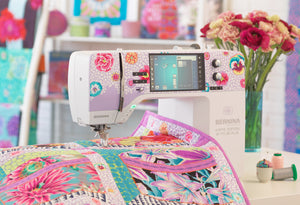

We Love Our Quilting Community
At High Country Quilts we care deeply about community. With our experiences in retail, we know that a store is not only a place to shop but also a place for the community to gather and share. During this busy...


You know that moment when you sink onto the sofa and the cushion seems to swallow you instead of support you? The cover still looks fine from across the room, but up close the seat feels flat, the edges look tired, and every tuft seems a little looser than it used to be. That's usually the point where batting for sofa cushions becomes the quiet fix that changes everything.
Batting is the soft layer that helps a cushion look finished, not just filled. It smooths the foam, softens hard edges, helps create a crowned profile, and keeps the fabric from sliding and wrinkling as easily. If you've ever compared upholstery materials, it helps to start by looking at the bigger picture of compare common upholstery options so batting makes sense as one part of the whole cushion build.
A sofa can look “fine” right up until you sit down. Then you notice the seat has gone a little hollow, the corners feel sharp, and the cover doesn't hug the insert the way it used to. Batting is what helps turn that tired-looking cushion back into something that reads as full, smooth, and cared for.
In upholstery terms, batting is the finishing layer, not the support core. The foam carries the weight, while the batting changes the silhouette, rounds the edges, and keeps the outer fabric from looking loose. The Museum of Fine Arts defines batting as a soft cushion of loosely matted fibers, and notes that cotton upholstery batting used with foam helps round edges and corners, reduce slippage, and add fullness, while not providing structure on its own (Batting reference).
That distinction matters because a lot of people buy batting expecting it to “fix” a cushion the way new foam would. It won't do that. What it can do is make a decent foam insert look and feel much better, and it can help an older cushion look intentionally plush instead of tired.
Practical rule: if the foam still supports you, batting can improve the finish. If the foam has failed, batting only hides the problem for a little while.
For shoppers comparing materials, it also helps to understand batting as part of a broader upholstery system, not an isolated product. If you want a quilted eye for shape, think of batting as the layer that gives the cushion its final drape, much like batting in quilting changes the look of a finished piece more than the patchwork top itself.
| Type | Pros | Cons |
|---|---|---|
| Polyester | Lightweight, easy to wrap, commonly used for refreshing sagging cushions | More of a cosmetic plumping layer than a structural fix |
| Cotton | Smooths edges well, works naturally with foam, familiar to quilters | Can feel less springy than synthetic options |
| Wool | Adds a softer, more luxurious hand, can create a fuller finish | Not always the first choice for quick DIY cushion refreshes |
| Blends | Balance softness and handling, often easier to work with than pure natural fibers | Performance depends on the blend content |
| Fusible | Stays in place more easily during assembly, helpful when you want control | Not necessary for every cushion project |
| Wrap batting | Designed for wrapping foam inserts, supports a finished profile | Needs enough material for full coverage, or the foam edges can telegraph |
A common technical standard in cushion upholstery is the book wrap or full batting wrap around foam inserts. That wrap helps improve appearance and durability, and it helps prevent fabric abrasion against the foam (cushion wrap guidance). In plain language, it's the upholstery version of fully covering a quilt sandwich instead of leaving the edges exposed.
Polyester is the batting many DIYers reach for first because it's forgiving. It's easy to fluff, easy to handle, and often used when someone wants a cushion to look plumper without rebuilding the whole seat. Cotton is a natural fit for quilters because it behaves in a familiar way under the hands, especially when you're thinking about how the edge will finish rather than just how it will stuff.
Wool and blends belong in the same conversation when you want a softer hand or a more structured finish, but the main decision is still simple, do you want a smoother cosmetic layer or a wrap that helps the cushion maintain a more polished profile? If you're also thinking about quilt batting choices, the comparison at choosing the right quilt batting can help you translate familiar quilting instincts into upholstery decisions.
Batting choice is less about “best” in the abstract and more about what kind of finish you want to see from across the room.

Loft is usually the first thing a beginner notices, even before the word itself feels familiar. Higher-loft batting gives a cushion a fuller, puffier look, while thinner batting keeps the profile cleaner and more defined. In sofa work, loft and density do not act alone, because the batting changes the finished outline much more than the foam changes the seat support.
A practical measuring rule appears in a foam-wrapping demonstration with a nominal 4-inch foam piece. The foam compressed under pressure, and the maker adjusted the boxing calculation by subtracting one batting thickness when working out the final dimensions (boxing example). That matters because batting is part of the cushion's geometry, not just soft filler. Add material around a 4-inch insert, and the cover fit changes, so the boxing and seam allowances need to reflect the added bulk.
The same planning idea shows up in upholstery cutting advice. Guides recommend adding about 10% to 20% extra batting material so the wrap has room to settle and still fit correctly (batting allowance guide). That extra margin helps prevent the common beginner error of cutting too tightly, then finding that the cover closes awkwardly or leaves hard edges showing.
A quilting comparison makes the point easier to hold onto. Foam acts like the block inside the project, while batting changes the finished surface that the eye and hand meet first. Too little batting leaves the seat looking flat. Too much batting makes the cushion bulge and resist the cover.
The cleanest way to choose loft is by the final use. A firmer-looking seat usually calls for a thinner batting layer, because the goal is a tidier outline. A lounge cushion can carry more loft because softness and visual fullness matter more there. High Country Quilts can help translate that judgment in person, especially when you want to compare batting choices beside your foam insert instead of guessing from a label alone.
A cushion can look fresh after a batting wrap and still need the right care behind the scenes. Polyester batting is often used for that quick plumping effect, but it works as a cosmetic fix rather than structural support (polyester batting caution). That difference matters before you decide whether to refresh the wrap, wash the cover, or replace the insert.
For everyday care, start by separating the parts of the cushion in your mind. The cover handles most of the cleaning, while the batting usually stays inside the cushion and should remain dry, smooth, and fitted without bunching. That is similar to quilting, where the batting stays protected inside the layers while the outer fabric takes the wear and gets cleaned more often.
A practical way to sort the options is by how they behave inside the cushion:
Durability is mostly about abrasion, not just washability. Batting wrapped around foam helps keep the fabric from rubbing directly against the foam, which supports a cleaner finish over time (cushion wrap guidance). The wrap acts like a buffer layer, so the cover is not taking all the friction on its own.
That buffer matters most when the cushion is used often. A full wrap spreads wear more evenly than a quick patch, and it helps the outside fabric keep its shape longer. For a beginner, the simplest rule is this, batting protects the surface, but it does not replace good foam or good stitching.
If the foam has collapsed, batting cannot restore the original support. It can improve the look and soften the feel a little, but it will not rebuild a tired core. At that point, the batting is a finishing layer, not a substitute for a failing insert.
Batting softens the outline. Foam does the supportive work. Once those roles stay separate, choosing the right combination becomes much easier.
A cushion usually looks best when the batting sits over a healthy foam core and adds just enough fullness to round the corners. For a beginner, the easiest mental model is a pillowcase over a pillow, the cover gives the shape you see, while the filling underneath gives the form you feel. Upholstery guidance recommends allowing 10% to 20% extra material so the batting can wrap cleanly, settle into the edges, and keep the cushion from looking flat once it is compressed into the cover (batting allowance guide). That extra margin helps a seat read as custom-fitted instead of cramped.
Good fit comes from matching the batting to the foam, not asking the foam to do the batting's job.
Condition matters more than wishful thinking. If the foam still springs back and holds its shape, batting can smooth the surface and make the cushion look more finished. If the foam is soft in the middle, sagging, or no longer recovering well, batting will only disguise the problem for a little while. One upholstery guide makes the same point plainly, batting is the cosmetic plumping layer, not a fix for a failing insert (polyester batting caution).
Back cushions and seat cushions also ask for different treatment. Back cushions usually need the batting to do more visual shaping than support, because the insert is often softer and the eye notices the outline first. Seat cushions need a steadier wrap so they still slide into the cover without fighting the corners or bunching at the seams. The same batting can feel right in a back pillow and too bulky in a seat if the foam thickness and wrap allowance are not matched carefully.
The best pairing leaves the cushion looking deliberate. The foam should carry the load, and the batting should round the edges, soften the transitions, and help the cover lie smoothly across the surface.

Start with the foam, not the cover. If you cut batting to the exact cushion size, it behaves like fabric with no room to fold, and the corners end up strained instead of cushioned. A simple cutting guide recommends measuring the cushion area and adding 1 inch to each side for seam allowance, so a 20 by 20 inch seat would be cut to 22 by 22 inches (cutting guide). That extra margin works the way quilt batting does around a block, giving you enough material to wrap, smooth, and trim without fighting the edges.
The easiest way to plan the cut is to measure the foam first, then decide how much wrap the shape needs. A square cushion is straightforward, but a cushion with rounded corners or deeper sides needs a little more room so the batting can travel around the insert instead of pulling tight across the face. If you have quilted before, the process will feel familiar, because you are still balancing coverage and excess. The difference is that here the batting is helping the cushion read as finished, not flat.
Allowance also changes with the build of the cushion. One upholstery example shows a seat cushion needing 66 inches of batting, and a full sofa setup totaling 135.5 inches, which the presenter converts to 3.76 yards and rounds up to 4 yards for the set (measurement example). That kind of yardage planning is useful because it connects the shape of the cushion to the amount of batting you need, the same way a quilting project starts with fabric calculations before any cutting begins.
Wrap the batting snugly, then adjust it after it is on the foam. Light spray adhesive can hold the layer in place while you smooth the faces and corners, but the ultimate test is how the batting lies once the cushion is handled from side to side. If it shifts, the edge lines will show it, especially at the front corners and along the seams where the fabric gets the most tension.
Trim after fitting, not before. A wrap that looks too generous on the table often settles into the right shape once it is pulled around the cushion.
Thickness changes the final shape too. When batting is part of the boxing, the cushion can read smaller or tighter than the foam alone suggests, so the batting needs to be counted in the cut rather than treated like an afterthought. That is the part beginners usually miss, and it is why a cushion can feel off even when the foam itself was measured correctly.
If you want batting that feels familiar in the hand before you buy it, a local shop visit makes the decision easier. High Country Quilts in Colorado Springs gives you a place to compare batting feel, ask questions, and pair your cushion project with quilting supplies that suit a beginner's first try or a more polished rebuild.
That matters because cushion batting is one of those materials where touch tells you a lot. You can see the loft on a screen, but you learn the most by handling the fiber and comparing options side by side. If you're also shopping for sewing help, an authorized BERNINA dealer with expert support can make the whole process less intimidating, especially when your project moves between quilting and upholstery work.
For a fast next step, visit High Country Quilts to shop supplies, check batting options, or plan your cushion project with local support. If you've got a sofa seat that needs a cleaner finish, start there and bring your cushion measurements with you.
At High Country Quilts we care deeply about community. With our experiences in retail, we know that a store is not only a place to shop but also a place for the community to gather and share. During this busy...

Hi! We’re Adam and Renee Wheaton, the new owners of High Country Quilts! For more than 40 years, we’ve owned and operated vacuum and sewing businesses. Following in Renee’s father’s footsteps after he retired from All Discount Vacuum and Sewing in Colorado...


Leave a comment