

We Love Our Quilting Community
At High Country Quilts we care deeply about community. With our experiences in retail, we know that a store is not only a place to shop but also a place for the community to gather and share. During this busy...


Last Updated: October 21, 2026
The cost of sewing machine repair in Highlands Ranch varies widely depending on several key factors. Understanding what drives these costs helps you make informed decisions about whether to repair or replace your machine.
Machine type, problem severity, and required parts all play major roles. A simple tune-up costs far less than replacing a broken motor. Some machines are expensive to fix because parts are hard to find or labor-intensive to replace.
Here's what typically influences your final bill:
Different machines have different repair economics. A basic mechanical machine usually costs less to fix than a computerized embroidery machine. Authorized dealers like High Country Quilts service specific brands with proper parts and expertise, which affects pricing.
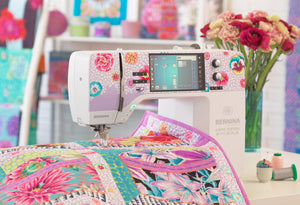
Bernina machines, for example, are engineered for precision. They're reliable, but when they need work, parts and labor reflect that quality.
The brand matters because technicians stock parts for popular models. If you own a machine from a discontinued line, your technician may need to order specialty components or adapt existing parts. That adds time and cost.
Simple issues cost far less than complex ones. A needle that won't move might just need cleaning and adjustment. A seized motor requires complete replacement.
Common low-cost repairs include:
Expensive repairs involve:
The difference between a $30 fix and a $300 fix often comes down to whether the problem is mechanical or electrical. Electrical issues require specialized diagnostics that take time and skill.
Parts cost depends on what breaks. A simple bobbin costs a few dollars. A replacement motor or circuit board costs significantly more. Labor charges typically run hourly, so complex repairs with multiple steps add up quickly.
High Country Quilts stocks common replacement parts for machines they service. Having parts in stock means faster turnaround and predictable pricing. If a part must be ordered, you'll wait longer and may pay shipping costs.
Labor rates in Highlands Ranch reflect the technician's experience level. A master technician with decades of experience charges more than an apprentice, but you get faster, more reliable work.
Before committing to any repair, get a written estimate. This protects you and gives you time to decide if repair makes financial sense.
What to expect when you request an estimate:
A good repair shop provides estimates without pressure. They explain what's wrong, what needs fixing, and what it costs. If they can't diagnose the problem immediately, they tell you upfront.
When comparing estimates from different shops, look at what's included. Some shops include cleaning and adjustment in the repair price. Others charge separately. Ask about warranty on repairs. Most reputable shops guarantee their work for 30-90 days.
Certain problems show up repeatedly in repair shops. Knowing what these issues are and what they typically involve helps you understand your estimate.
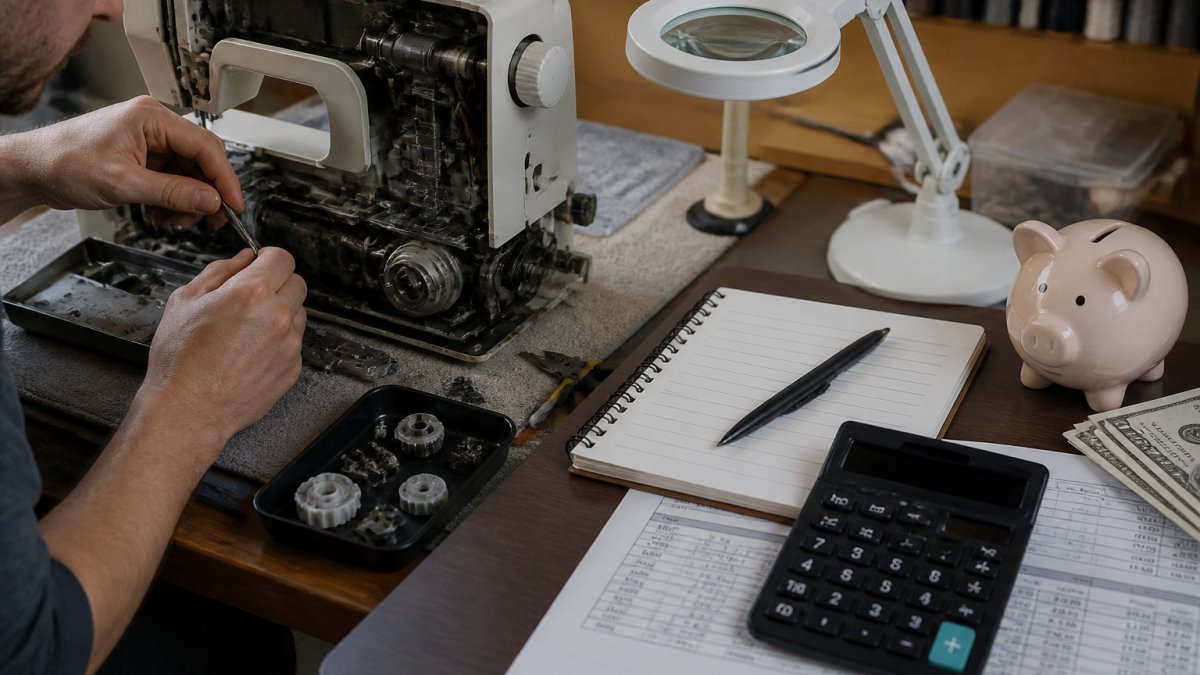
Threading issues are among the most common complaints. Your thread keeps breaking, or the machine skips stitches. Often, this isn't a repair at all, it's a threading or tension problem.
Many machines come back to the shop because the owner didn't thread correctly or didn't adjust tension properly. A good technician checks this first before recommending parts replacement.
When threading problems require actual repair, the cost depends on what's damaged. A new presser foot costs minimal labor. Replacing bent internal components takes more time. Most threading-related repairs in Highlands Ranch run in the lower price range because they're quick fixes.
Needles break easily, especially if you're sewing thick fabric or hit a pin. A broken needle isn't a repair, it's a replacement you can do yourself. But if needles keep breaking, something else is wrong.
Feed dogs pull fabric through the machine. If they're worn or damaged, fabric won't move smoothly. You'll see uneven stitches or the machine will jam.
A bent needle bar or timing issue causes repeated needle breaks. These problems require a technician's expertise. Fixing them involves adjusting the needle bar or recalibrating the machine's timing mechanism.
The motor makes everything move. When it fails, the machine won't run at all. Motor problems are among the most expensive repairs because motors are complex and labor-intensive to replace.
Electrical failures include burned-out motors, broken switches, and damaged cords. A frayed power cord is a cheap fix, replace the cord and you're done. A burned-out motor requires complete replacement and testing to make sure everything works together.
If your machine won't turn on, don't try to fix it yourself. Electrical work on sewing machines requires training. Take it to a qualified technician who can safely diagnose and repair electrical problems.
A tune-up is preventive maintenance. A repair fixes something that's broken. Understanding the difference helps you budget and maintain your machine properly.
A sewing machine tune-up typically includes:
Tune-ups keep machines running smoothly and prevent problems before they start. They're much cheaper than repairs because no parts are replaced, just cleaned and adjusted.
A full repair addresses specific broken components. It might include parts replacement, electrical diagnostics, or structural fixes. Repairs cost more because they involve parts, labor, and often specialized diagnostics.
Think of it like car maintenance. Regular oil changes are cheap and prevent expensive engine problems. Waiting until your engine breaks costs thousands.
How long will your machine be in the shop? Turnaround time affects your decision, especially if you're in the middle of a project.
Typical repair timelines:
Shops in Highlands Ranch that stock common parts move faster. If your technician must order a part, expect delays. Some parts ship quickly.
Always ask about turnaround time when you drop off your machine. Get it in writing. If a shop can't give you a timeline, ask why.
Emergency or rush repairs sometimes cost extra. If you need your machine back quickly, ask about expedited service. Some shops can prioritize your repair for an additional fee.
The repair-or-replace decision depends on machine age, repair cost, and how much you use it. Sometimes repair makes sense. Sometimes replacement is better.
Repair is worth it when the machine is relatively new, the repair cost is reasonable, and the machine has years of use left.
Machines you use frequently justify repair investment. If quilting is your passion and you use your machine several times a week, keeping it running is worth the cost.
Sentimental value matters too. If your machine belonged to a family member or has special meaning, repair preserves that connection. The financial calculation changes when emotions are involved.
Repair also makes sense when your machine has custom settings or you've invested in learning its quirks.
Replacement makes sense when repair costs approach or exceed the machine's original price. If a used machine costs $200 and repairs cost $150, you're close to the replacement threshold.
Very old machines sometimes aren't worth fixing. Parts may be unavailable. Technicians may not have expertise with discontinued models.
If your machine is slow, unreliable, or constantly breaking, replacement may reduce frustration. Spending money on repeated repairs for an aging machine drains your budget and your patience.
Consider your sewing volume. If you sew occasionally, a basic new machine costs less than repairing an older, complex one.
Before you commit to any repair shop, ask these questions. They help you choose a qualified technician and understand what you're paying for.
Essential questions:
A good technician answers all these questions clearly. They don't pressure you into repairs you don't understand. They explain the problem in plain language and give you options.
Ask about their experience with your specific machine. High Country Quilts, for example, specializes in Bernina machines as an authorized dealer. Their technicians know these machines intimately, which means faster diagnostics and more reliable repairs.
Don't choose a shop based solely on price. The cheapest estimate isn't always the best value.
Sewing machine repair costs in Highlands Ranch depend on what's broken, your machine's age, and the parts involved. Simple repairs cost less than complex electrical work. Getting multiple estimates helps you make the right decision.
When you need sewing machine repair, choose a qualified technician. High Country Quilts serves Highlands Ranch as an authorized Bernina dealer with expert diagnostic and repair services. Our team provides written estimates, uses genuine parts, and stands behind every repair with a warranty. Whether your machine needs a simple tune-up or major repair, we're here to help. Contact High Country Quilts for a repair estimate
Repair costs vary based on the machine type, the specific problem, and required parts. A simple tune-up may cost less than a major repair involving motor replacement or electronic components. For current pricing and an accurate estimate for your machine, contact a local authorized repair technician who can assess your specific situation.
A tune-up typically includes cleaning internal components, oiling moving parts, adjusting tension settings, checking the needle and feed dogs, and testing the machine's basic functions. This preventive service helps extend your machine's lifespan and can prevent costly repairs down the road. Pricing depends on your machine's complexity and current condition.
Turnaround time depends on the repair complexity and the shop's current workload. Simple adjustments may take a few days, while repairs requiring parts ordering or extensive diagnostics can take 1-3 weeks. Ask your repair technician for a specific timeline when you drop off your machine so you know when to expect it back.
Repair makes sense if the machine is a quality model you love using, the repair cost is significantly less than replacement, and the machine has years of use left. Vintage or well-built machines often justify repair costs. However, if your machine is very old, repair costs approach or exceed replacement prices, or it needs multiple major fixes, replacement may be the smarter choice.
At High Country Quilts we care deeply about community. With our experiences in retail, we know that a store is not only a place to shop but also a place for the community to gather and share. During this busy...

Hi! We’re Adam and Renee Wheaton, the new owners of High Country Quilts! For more than 40 years, we’ve owned and operated vacuum and sewing businesses. Following in Renee’s father’s footsteps after he retired from All Discount Vacuum and Sewing in Colorado...


Leave a comment